My Sister Moved Her Family Into the House I Bought Alone—Then I Saw the Spare Key My Mother Had Promised to Keep for Emergencies – Life Story
My sister was rearranging my sunroom when I came home from Target.
Her husband was eating from my refrigerator, her children were spread across my couch, and three suitcases were already lined up outside my bedroom.
Then Amanda pointed to the brass key on my kitchen counter and said, “Mom told us you’d calm down once we were already here.”
For a few seconds, I couldn’t make my body move.
I stood just inside my own front door with two grocery bags cutting into my fingers while my brain tried to turn what I was seeing into something less impossible.
My eight-year-old niece, Emily, was eating crackers over the rug I had spent three months saving for.
My nephew Mason had taken the throw pillows from the couch and built a wall across the living room.
The youngest, Zach, was walking around barefoot with one of my wooden coasters in his mouth.
Tyler, my brother-in-law, had the refrigerator open.
Not looking inside.
Open.
He was standing there eating a sandwich he had made from my groceries like he was deciding what else I had bought for him.
And Amanda was dragging my reading chair toward the opposite wall.
She glanced up.
“Oh.
You’re back already.”
That was what she said.
Not I’m sorry.
Not let me explain.
Not even hey.
You’re back already.
I put the grocery bags down because I was suddenly afraid I would drop them.
“What are you doing?”
Amanda kept one hand on the chair.
“We’re just getting settled.”
I looked at the suitcases.
Then at her.
“Settled.”
She exhaled the way people do when someone else is being difficult.
“Becky, please don’t start.”
That sentence did something to me.
Please don’t start.
As if I had walked into her home.
As if I was interrupting.
I looked toward Tyler.
He finally closed the refrigerator.
“We needed somewhere to go,” he said.
I didn’t answer.
My eyes moved to the kitchen counter.
There was a brass key beside my fruit bowl.
The blue rubber tag attached to it had the word EMERGENCY written in my own handwriting.
I knew that key.
I had given it to my mother six weeks earlier.
Only after she cried.
Only after she hugged me and told me she was sorry for everything that had happened over the house.
Only after she looked me in the eye and promised, “I’ll never use it unless you ask me to or something is truly wrong.”
I pointed at it.
“Where did you get that?”
Amanda followed my hand.
“Oh.
Mom gave it to us.”
The sound in the room seemed to disappear.
Even the kids became distant.
I stared at her.
“She gave you my emergency key.”
“Obviously.”
“Why?”
Amanda looked genuinely confused by the question.
“Because we needed it.”
That was the moment something inside me finally stopped negotiating.
Not just with Amanda.
With all of them.
To explain how I got there, I have to explain what being “the easy daughter” does to a person over thirty-two years.
My name is Becky Wilson.
I grew up in Texas with one older sister and two parents who would insist, even now, that they loved us exactly the same.
They didn’t.
That doesn’t mean they hated me.
Sometimes I think obvious cruelty would have been easier.
My parents loved me in a very specific way.
They loved me because I was useful.
Amanda was the one they cherished.
There’s a difference.
Amanda was three years older than me and beautiful in the effortless way that makes adults forgive almost anything.
As a child, she had thick blond hair that my mother brushed every morning at the kitchen table.
Teachers called her charming.
Neighbors said she lit up a room.
When she forgot homework, adults laughed.
When she interrupted conversations, people called her confident.
When she cried, everyone wanted to know who had hurt her.
I was the kid people described with words that sounded good until I got old enough to understand the bill attached to them.
Responsible.
Mature.
Independent.
Low-maintenance.
“You’ve always been so easy, Becky,” my mother used to tell me.
Easy meant I didn’t need the expensive birthday.
Easy meant I wouldn’t mind waiting.
Easy meant Amanda’s emergency came first because I could handle disappointment.
Easy meant if two children needed something and there was only enough money or attention for one, everyone already knew which child could go without.
When Amanda turned ten, my parents rented a bounce house and filled our backyard with pink balloons.
There were thirty kids.
A sheet cake with her face printed on it.
A magician.
My father grilled hamburgers while my mother ran around wearing a T-shirt that said AMANDA’S MOM.
When I turned ten, we had pizza at the dining-room table.
My mother bought a chocolate cake from the grocery store.
There were five people there.
My parents, Amanda, me, and my grandmother.
I remember opening a dollhouse.
It was secondhand.
One of the doors was missing.
The plastic bathtub had someone else’s initials scratched underneath.
I must have let disappointment show because my mother leaned over and said quietly, “Becky, it still works.”
It still works.
I can still hear that sentence.
Years later, I realized it was practically my family role.
Something can be damaged, overlooked, handed down, underfunded, or treated as an afterthought.
As long as it still works, why fix it?
Christmas was the same.
Amanda got what she asked for.
I got whatever made financial sense after that.
If Amanda wanted a new bike, I got her old one.
If Amanda wanted a gaming system, I got books.
If she wanted name-brand clothes, I got practical basics because, as my mother put it, “You don’t care about that stuff anyway.”
I did care.
I just learned young that caring openly made me look ungrateful.
So I became good at gratitude.
I was grateful for the smaller party.
Grateful for the old car.
Grateful for leftovers.
Grateful not to be a burden.
That last one became dangerous.
By high school, Amanda had learned a different lesson from our parents.
She learned that difficulty attracted help.
If she had a bad week, my mother cleared her schedule.
If she failed a test, my father emailed the teacher.
If Amanda got overwhelmed by college applications, Mom filled half of them out with her.
I learned that success eliminated help.
The better I did, the less anyone worried.
I graduated near the top of my class.
AP classes.
Computer science competitions.
A part-time bookstore job.
Late nights.
No one had to remind me to submit applications because I had already made a spreadsheet.
When college decisions came, Amanda had already been attending an out-of-state university for three years.
My parents had paid everything.
Tuition.
Dorm.
Meal plan.
Car insurance.
Books.
Monthly spending money.
When she called crying because her roommates wanted to split the cost of internet differently, Mom sent her two hundred dollars.
“College is stressful enough,” she said after hanging up.
I was standing in the kitchen when she said it.
I remember because I was holding a letter showing how much tuition I still owed at the local university I planned to attend.
I had received scholarships, but not enough.
I sat with my mother that evening.
“I’ve figured out a plan.”
“That’s my girl.”
“I can commute from here.
I’ll keep working at the bookstore.
If you can help with tuition, I can cover books and gas.”
She didn’t answer immediately.
Then she said, “If you’re living here, you’re an adult now.
You should contribute to the household.”
I thought she meant chores.
I already did chores.
“What do you mean?”
“Rent.
Utilities.
Food.”
I stared at her.
“How much?”
She named a number that felt impossible at eighteen.
Four hundred dollars a month, plus my own groceries.
I laughed at first.
Not because it was funny.
Because I genuinely thought she was joking.
“Amanda doesn’t pay you anything.”
“Amanda doesn’t live here.”
“You pay for where she lives.”
Mom frowned.
“That’s different.”
“How?”
“She needed the college experience.”
“And I don’t?”
“Becky.”
Her voice changed.
The conversation-ending voice.
“You’re more independent than your sister.
You’ve always been able to figure things out.”
There it was.
The reward for being responsible.
More responsibility.
I paid.
Every month.
I took additional shifts.
I bought textbooks used.
Sometimes I borrowed them from the library and photographed chapters before they were due back.
My car’s air conditioner stopped working my sophomore year.
Texas in August inside a twelve-year-old sedan with no air-conditioning feels like breathing through a hair dryer.
I drove it anyway.
The repair cost eight hundred dollars.
I didn’t have eight hundred dollars.
Amanda called home around that time because the air-conditioning in her dorm room was “freezing.”
My parents paid for her to move into a nicer apartment the next semester.
I remember sitting in the parking lot after class with the windows down, sweat running down my back, listening to my mother tell me over the phone that Amanda needed a more comfortable environment to focus.
I didn’t say anything.
That silence became one of my worst habits.
I thought keeping quiet preserved relationships.
What it actually preserved was everyone else’s ability to treat me the same way.
When Amanda graduated with a degree in communications, my parents rented a restaurant.
Not a table.
A private room.
There were balloons in her university colors and a slideshow covering her entire childhood.
My father gave a speech.
He said, “Amanda has always made us proud.”
I clapped.
A year later, I graduated with honors in computer science.
My mother made lasagna.
Dad picked up a grocery-store cake.
Amanda arrived forty minutes late with her boyfriend Tyler.
After dinner my mother said, “You know us, Becky.
We don’t need a big production.”
I went to my bedroom afterward and sat on the floor in my graduation dress.
That was the night I finally understood the difference between what my parents said and what they did.
It had never been about whether there was enough money.
Sometimes there was.
Sometimes there wasn’t.
The pattern stayed the same either way.
Amanda’s milestones deserved celebration.
Mine proved I could handle myself.
I moved out within six months.
My first apartment was eight hundred square feet if the landlord’s measurements were generous.
The kitchen drawer hit the oven when it opened.
The bedroom carpet smelled faintly like somebody else’s dog.
I loved it.
I bought almost everything secondhand.
A little dining table.
A gray sofa.
A mattress.
Two lamps.
I remember eating Chinese takeout on the floor the first night because my chairs hadn’t been delivered yet.
No one else had a key.
I had never felt richer.
I built my life from there.
My first programming job paid well enough to breathe but not enough to stop worrying.
I worked hard.
I switched companies twice.
I moved from software support into development, then into systems architecture.
I learned about retirement accounts.
Index funds.
Credit scores.
Emergency savings.
All the things nobody in my family had explained because I was the child expected to know things automatically.
Amanda’s adult life went differently.
She married Tyler at twenty-six.
My parents loved him immediately.
Tyler was charming in the same way Amanda was.
He could walk into a room late, empty-handed, and somehow leave with three people offering to help him.
He had ideas.
Always ideas.
A home-renovation business.
A fitness franchise.
Real-estate photography.
Online sales.
He rarely kept any of them longer than eighteen months.
Amanda became pregnant with Emily shortly after the wedding.
Then Mason.
Then Zach.
My parents became emergency management for their household.
Rent shortfall?
Dad.
Day care problem?
Mom.
Car repair?
Both.
Saturday babysitting became the default.
Sunday dinner meant my parents showing up with groceries.
When Tyler’s latest business failed, Mom said, “They have children, Becky.
It’s different.”
Everything was always different when Amanda needed something.
I stopped arguing.
I also stopped telling them much about my life.
When I got a promotion, I told Mark before I told my mother.
When my salary crossed six figures, I told no one in my family.
When I paid off my student loans, I bought myself a bottle of wine and celebrated alone.
Mark came into my life when I was thirty.
We met through work friends.
He taught high school physics and had the unnerving habit of actually listening to the entire answer when he asked a question.
The first time he met my family, he stayed quiet during dinner.
On the drive home, he asked, “Does your mother always interrupt you to talk about Amanda?”
I laughed.
“Pretty much.”
“You’re used to it.”
“I guess.”
“That wasn’t a compliment.”
Mark never told me to cut off my family.
That mattered.
He simply noticed.
Once, after my mother called during our dinner because Amanda needed somebody to pick up Emily from dance class, Mark watched me put on my shoes.
“Do you want to go?”
“It’ll only take thirty minutes.”
“That isn’t what I asked.”
I paused.
No one had ever asked me that.
Do you want to?
I stayed home.
Amanda found someone else.
The world continued.
That tiny incident should have taught me more than it did.
By thirty-two, I had enough saved for a down payment.
I wanted a house.
Not an investment property.
Not a status symbol.
A home.
Something small.
Two bedrooms.
A backyard.
A kitchen with sunlight.
A porch if I got lucky.
I told Mark.
No one else.
“You’re really not telling your family?” he asked one night while we scrolled through listings.
“Not until I close.”
“You think they’ll be upset?”
“I think they’ll start designing their needs into it.”
He looked at me.
“You’ve thought about this.”
“My mother once volunteered me to host Thanksgiving in an apartment that seated four.”
Mark smiled.
“Fair.”
I didn’t post listings.
I didn’t discuss mortgage rates at work except with one coworker, Dana, who had recently bought a condo and gave me the name of her lender.
That was my mistake.
Dana wasn’t malicious.
She was simply incapable of holding information without using it socially.
A week later she mentioned at lunch that I was house hunting.
Someone else heard.
That person knew Amanda’s neighbor.
Four days later, my mother called.
Her voice was bright.
Too bright.
“Becky! Why didn’t you tell us you’re buying a house?”
I was standing in the grocery-store parking lot.
“I’m looking.”
“Well, Amanda and I have been talking.”
My stomach tightened.
“Why?”
“We have ideas.”
“About my house?”
Mom laughed.
“Don’t sound so suspicious.”
I closed my eyes.
“What ideas?”
“You need at least four bedrooms.”
“I don’t.”
“Of course you do.
One for you, one for guests, and space for the kids.”
“What kids?”
Another laugh.
“Amanda’s children.”
I stared through my windshield at a shopping cart rolling slowly across the parking lot.
“Why would Amanda’s kids need bedrooms in my house?”
“Not permanently, Becky.
But they’re family.
They’ll stay over.”
“No.”
My mother continued as though she hadn’t heard.
“And you really should look near their neighborhood.
Amanda could use help with school pickups.”
There it was.
My house.
My mortgage.
My commute.
Already reorganized around Amanda.
“Mom.”
“Yes?”
“I’m buying a house for me.”
“I know.”
“No.
I don’t think you do.”
Her tone cooled.
“Don’t be selfish.”
That word again.
The word my family used whenever I stopped functioning correctly.
Selfish meant inconvenient.
Over the next ten days, my phone filled with listings.
Five bedrooms.
Six bedrooms.
Pools.
Three-car garages.
Neighborhoods I couldn’t afford and didn’t want.
Amanda texted me one with a huge backyard.
Perfect for birthday parties!
Another.
Tyler could use this downstairs room as an office.
Another.
Mom and Dad could stay here when they’re older.
I finally typed:
I’m not buying a multigenerational family home.
Please stop sending these.
Mom responded first.
You have the income.
Amanda followed.
We’re not asking you to give us the house.
Stop being dramatic.
I put my phone facedown.
The next weekend, I found my cottage.
It was two bedrooms.
One bathroom.
A little over thirteen hundred square feet.
Cream-colored brick.
Oak tree in front.
Small fenced backyard.
The previous owner had painted the kitchen cabinets pale blue.
Morning light came through two windows over the sink.
There was a sunroom just big enough for a chair and bookshelves.
The second bedroom could be an office.
There was a narrow hallway where the wood floor creaked in exactly one spot.
It was not impressive.
I walked through the front door and knew.
Mark was with me.
He didn’t say anything until we reached the backyard.
“Well?”
I looked at the porch.
“I think this is it.”
He smiled.
“Then make an offer.”
My hand shook when I signed.
The offer was accepted two days later.
I cried in my car.
Not because buying a house is automatically magical.
It isn’t.
It’s paperwork.
Inspections.
Interest rates.
A roof estimate that made me briefly consider living in a tent.
But for the first time in my life, I had made a major decision without pre-negotiating Amanda’s needs.
The house was mine before my family knew it existed.
I should have felt safe.
Instead, I felt guilty.
That embarrassed me.
At thirty-two, I still heard my mother in my head.
Don’t be selfish.
I didn’t tell them until a family dinner three weeks before closing.
I almost skipped it.
Mark offered to come.
I said no.
Some stupid part of me wanted one clean conversation.
I arrived at my parents’ house at six.
Amanda’s children were already running through the living room.
Tyler watched football.
Mom had made pot roast.
Dinner stayed ordinary for twelve minutes.
Then Amanda sighed dramatically.
“Our landlord is raising rent again.”
Mom immediately frowned.
“That’s ridiculous.”
“It’s impossible,” Amanda said. “We need more space anyway.”
Tyler nodded without looking away from the television.
Mom turned to me.
“Oh! That reminds me.”
I knew.
She smiled.
“We found the perfect house.”
Amanda reached for her phone.
“It’s five bedrooms.”
“I don’t need five bedrooms.”
“You haven’t seen it.”
“I don’t need to.”
Mom set down her fork.
“Becky.”
That tone.
I put my own fork down.
“Actually, I bought one.”
Silence.
Amanda blinked.
“What?”
“I bought a house.”
“When?”
“Closing is in three weeks.”
Mom stared.
“You already made an offer?”
“Yes.”
“Without telling us?”
“Yes.”
My father frowned.
“What kind of house?”
“A small cottage outside the city.”
“How many bedrooms?” Amanda asked.
“Two.”
She looked almost offended.
“Two?”
“Yes.”
“What are we supposed to do with two bedrooms?”
The question was so absurd that I almost smiled.
“You don’t have to do anything with them.”
Amanda stared.
“I mean when we stay.”
“You’re not staying.”
Mom inhaled sharply.
“Becky.”
“No.”
The word came out quiet.
I had practiced boundaries in therapy podcasts.
With Mark.
In my head.
None of that prepared me for how physically strange it felt to say no at my parents’ dining table.
Amanda laughed once.
“You bought a whole house for one person?”
“Yes.”
“That’s such a waste.”
I looked at her.
Tyler finally muted the TV.
My father said, “You know your sister is struggling.”
“I know.”
“You could have bought something useful.”
Useful.
There it was.
My entire childhood in one word.
I was useful.
My money should be useful.
My home should be useful.
My life should be useful.
To them.
“What do you mean useful?” I asked.
Dad shrugged.
“Something the family could benefit from.”
“I’m the family.”
My mother’s face changed.
“That’s not what he means.”
“I know exactly what he means.”
Amanda crossed her arms.
“We’re not trying to take advantage of you.”
“Then why are you upset about how many bedrooms I bought?”
“Because the kids need space.”
“They don’t live with me.”
“They could.”
“No.”
Amanda’s eyes filled.
Quickly.
Reliably.
Mom turned toward me.
“Look what you’re doing.”
I looked at Amanda.
She was crying.
And for the first time, I did not rush to repair the room.
“I bought a house,” I said. “That’s what I’m doing.”
Dad slammed his palm on the table.
“Enough.”
I jumped.
Thirty-two years old and I still jumped when my father did that.
“You are being unbelievably selfish.”
My heart pounded.
I stood.
“I’m going home.”
“Sit down.”
“No.”
“Becky.”
I picked up my purse.
Mom said, “Family comes before things.”
I stopped at the doorway.
“My house isn’t a thing to you.”
She frowned.
“What does that mean?”
“It’s a resource.”
No one answered.
I left.
By the time I reached my apartment, the messages had started.
Amanda sent a photo of Emily and Mason sharing a room.
Look at this and tell me your empty bedroom matters more.
Mom sent three paragraphs.
Your sister has children.
You are fortunate.
We raised you to help family.
Dad left a voicemail.
I listened to the first forty seconds.
Then deleted it.
The following week was worse.
An aunt called.
A cousin messaged.
People I had not spoken to in months suddenly knew I had purchased a “big house.”
It wasn’t big.
That did not matter.
The story had already evolved.
Becky makes good money.
Becky lives alone.
Amanda has three children.
Therefore Becky has more than she needs.
Amanda posted a photograph of the kids’ bedroom.
The caption read:
Some people forget that family is supposed to lift each other up.
No name.
No direct accusation.
Everyone understood.
I remained silent.
Then my mother posted a photograph of my new house.
I had not given her the address.
I still don’t know exactly how she found it.
Texas property records are not impossible to navigate, and my parents knew the city.
Maybe somebody recognized the listing.
What mattered was seeing my porch on her Facebook page before I had even moved in.
Her caption:
Beautiful home.
Sad circumstances.
I called immediately.
“Take it down.”
Mom sounded offended.
“It’s public information.”
“It’s my home.”
“I didn’t post your address.”
“You posted a photograph.”
“Why are you ashamed?”
“I’m not ashamed.”
“Then why are you acting like this?”
Because I didn’t want strangers discussing where I lived.
Because I had not even slept there yet.
Because every milestone I had ever achieved became communal property the moment my family noticed it.
“Take it down.”
Mom paused.
Then said, “You’ve changed.”
I laughed.
A short sound.
“Maybe.”
She removed the post.
Amanda reposted it first.
I blocked her.
Closing day came on a Thursday.
I signed my name so many times my hand cramped.
The title company handed me keys in a small envelope.
Three silver keys.
One brass spare.
I remember holding them in my palm in the parking lot.
For anyone else, they were hardware.
For me, they meant that no one could tell me how long I was allowed to stay.
No one could raise my rent.
No one could say I was taking up space they needed more.
I unlocked the door alone.
Mark waited outside.
That was intentional.
“You sure?” he asked.
“Yes.”
I stepped inside.
The house smelled faintly of wood polish and fresh paint.
Empty rooms.
My footsteps.
Nothing else.
I cried again.
Then I opened the door and let Mark in.
We ordered pizza.
Sat on the floor.
Exactly like my first apartment.
Only this time, the floor belonged to me.
For two weeks, my family stayed away.
I thought maybe the worst had passed.
Then Mom called.
Not angry.
Soft.
“Can I come see it?”
I almost said no.
Then the old hunger came back.
The one I hate admitting still exists.
I wanted my mother to see my home and be proud of me.
Not impressed.
Not jealous.
Just proud.
So I said yes.
She arrived alone.
Carrying a plant.
Lavender.
“I remember you always liked the smell.”
That surprised me.
We walked through the rooms.
Mom touched the kitchen counter.
Looked out the sunroom windows.
Stood in the second bedroom.
“It’s cute.”
Cute.
I accepted it.
Then she turned toward me.
“I’m sorry.”
I stared.
Mom’s eyes filled.
“I got carried away.”
“With what?”
“Amanda.”
That honesty hit me.
She sat on the couch.
“I worry about her.”
“I know.”
“She has the kids.
Tyler’s work is inconsistent.
Sometimes I panic.”
“I know.”
“And then I look at you and…”
She stopped.
“And what?”
“You’re always okay.”
There it was.
I sat across from her.
“Mom, that doesn’t mean things didn’t hurt.”
She looked down.
“I know.”
I waited.
She rubbed her hands together.
“I think I made that mistake when you were little.”
I could barely breathe.
She was saying it.
Finally.
“I thought because you handled disappointment better, disappointment cost you less.”
My eyes burned.
“It didn’t.”
“I know.”
We cried.
Both of us.
Not dramatically.
Quietly.
I told her about college.
The four hundred dollars.
Amanda’s graduation party.
My broken air conditioner.
The dollhouse.
“It still works,” I said.
Mom covered her mouth.
“You remember that?”
“Yes.”
She cried harder.
I hated myself for feeling relieved.
That was how badly I wanted the apology.
Before she left, I gave her the brass spare key.
“For emergencies.”
She looked at it.
“Are you sure?”
“No.”
We both laughed.
Then I became serious.
“Mom, this is not permission to bring anyone here.”
“I know.”
“Amanda doesn’t get it.”
“I understand.”
“No copies.”
“Becky.”
“I mean it.”
Mom closed her fingers around the key.
“I promise.”
For the first time in years, I hugged her and believed we might be rebuilding something.
That belief is what made what came later hurt more.
The next several weeks were calm.
Too calm.
Amanda remained blocked.
Mom texted occasionally.
Normal things.
A recipe.
A weather warning.
Once she asked whether the lavender plant survived.
I sent a picture.
It felt almost healthy.
Then Amanda appeared at my door.
She had all three children with her.
No Tyler.
Her face looked tired.
Actually tired.
Not theatrical.
The youngest clung to her hip.
“Can we talk?”
I stayed in the doorway.
“What happened?”
“Our landlord raised rent again.”
“I’m sorry.”
She laughed bitterly.
“Are you?”
“Yes.”
“We can’t keep doing this.”
I waited.
Amanda looked past me into the house.
That was when I knew.
“Don’t.”
She looked back.
“What?”
“My house isn’t an option.”
“I didn’t even ask.”
“You were about to.”
Her jaw tightened.
“Would it kill you to hear me out?”
“No.”
“Then hear me.”
I folded my arms.
Amanda shifted Zach higher.
“We need somewhere temporary.”
“No.”
“You said you’d hear me.”
“I heard temporary.”
“You have a spare room.”
“I have an office.”
“You can move the desk.”
“No.”
Emily looked up at me.
That made it harder.
Amanda knew it.
She adjusted her voice.
“The kids need stability.”
I looked at my niece.
My nephews.
I loved them.
That was never the issue.
“I can help you look for an apartment.”
“We can’t afford one.”
“I can help with a deposit.”
Amanda blinked.
I hadn’t planned to offer that.
But I meant it.
“A deposit?”
“Yes.
Paid directly to the landlord.
One time.”
Her face hardened.
“So you’ll give money to a stranger but not let your own family stay here.”
“I’ll help in a way that doesn’t require me to give up my home.”
She stared at me.
“You always make everything transactional.”
The accusation was almost impressive.
I said, “The offer stands.”
Amanda stepped backward.
“Forget it.”
She turned.
Emily looked at me as they walked away.
I nearly called them back.
Nearly.
Mark came over that evening.
I told him what happened.
“Do you want them here?” he asked.
“No.”
“Then you gave a generous alternative.”
“It didn’t feel generous.”
“Because she didn’t want help.”
He looked around my living room.
“She wanted access.”
I hated that sentence.
Mostly because it sounded true.
The next morning my mother called from a blocked number.
I answered because I thought it might be work.
“Becky.”
I almost hung up.
“Your sister told me.”
“I offered to pay her deposit.”
“She needs more than money.”
“She needs housing.”
“She needs family.”
“I’m family.”
“Then act like it.”
My hand tightened around the phone.
“Mom, are you asking me to move Amanda into my house?”
“I’m asking you to stop being rigid.”
“No.”
“You have two bedrooms.”
“One is my office.”
“You can work at the kitchen table.”
“No.”
“She has three children.”
“I know how many children she has.”
Mom’s voice cracked.
“What happened to you?”
I almost gave the old answer.
Nothing.
I almost explained for the fiftieth time.
Instead I said, “I learned that no is a full sentence.”
Then I hung up.
Three days later, Mom texted.
I’m sorry.
I shouldn’t have pressured you.
I stared at the message.
Then replied:
Thank you.
That was all.
What I did not know was that the apology was not acceptance.
It was delay.
The Saturday Amanda moved into my house began peacefully.
That detail still bothers me.
There should have been an omen.
Something.
Instead I spent the morning in my backyard trying to plant lavender.
The plant Mom had brought me was dying.
Apparently liking lavender and understanding lavender are different skills.
I watched a ten-minute video on soil drainage and still managed to make a mess.
Around noon, I showered and left for errands.
Groceries.
Target.
Post office.
I was gone about two hours.
When I turned onto my street, I saw Amanda’s SUV.
For a second, I assumed she had come to talk.
Then I saw the back hatch.
Open.
Cardboard boxes inside.
My hands went cold.
I parked.
There were shoes on my porch.
Three pairs of children’s shoes.
A pair of men’s work boots.
Amanda’s sandals.
I walked to the door.
It was unlocked.
I knew I had locked it.
I always locked it.
I pushed it open.
Noise.
Television.
Kids.
Cabinet doors.
The life I had spent years building boundaries around was already inside.
Amanda looked up from my sunroom.
“Oh.
You’re back already.”
Then everything happened exactly as I described.
Tyler at the refrigerator.
Kids on my couch.
Suitcases by my bedroom.
My chair being moved.
The brass emergency key.
“Mom gave it to us,” Amanda said.
I stared at the key.
My mother’s promise came back in her own voice.
No copies.
I promise.
I looked at Amanda.
“Call her.”
“What?”
“Call Mom.”
Amanda rolled her eyes.
“Becky, don’t turn this into—”
“Call her.”
Tyler stepped out of the kitchen.
“She doesn’t need to call anybody.”
I turned toward him.
“You need to leave my house.”
He laughed.
Actually laughed.
“Come on.”
“Get out.”
“We just unloaded half the car.”
“Then reload it.”
Amanda crossed her arms.
“We have nowhere to go.”
“I offered you a deposit.”
“We need more than a deposit.”
“That doesn’t make my house yours.”
“No one said it’s ours.”
I pointed toward the suitcases.
“You moved in.”
“We’re staying temporarily.”
“No.”
Amanda exhaled loudly.
“You always do this.”
“What?”
“Act like everything is black and white.”
I stared at her.
“You entered my locked house with a key I did not give you.”
“Mom gave it to us.”
“Mom does not own this house.”
“She said you’d be angry at first.”
The sentence landed differently.
“At first.”
Amanda hesitated.
I stepped closer.
“What exactly did Mom say?”
“Nothing.”
“Amanda.”
“She said you’d calm down once we were already here.”
There it was.
Not misunderstanding.
Not desperation.
A plan.
My mother knew I would say no.
So instead of accepting it, she helped them bypass me.
I felt something shift inside my chest.
Not breaking.
Settling.
“Everybody out.”
Amanda’s face tightened.
“Becky.”
“Now.”
Emily started crying.
That hurt.
I hated that she was watching.
I lowered my voice.
“Amanda, take the kids outside.”
“We are not leaving.”
I pulled out my phone.
Tyler stepped forward.
“What are you doing?”
“Calling the police.”
Amanda’s mouth opened.
“You wouldn’t.”
I looked at her.
Thirty-two years of being told what I would tolerate because I was easy.
“You’re about to find out.”
I dialed 911.
Amanda started yelling before anyone answered.
“This is insane!”
The dispatcher picked up.
“911, what’s the address of your emergency?”
I gave my address.
My voice shook.
“There are people inside my home who entered without permission and are refusing to leave.”
Amanda shouted, “We’re her family!”
The dispatcher asked whether anyone had weapons.
“No.”
“Are you in immediate danger?”
“I don’t think so.”
Tyler said, “Tell them we have a key.”
I looked at him.
“They have a key I did not authorize them to use.”
The dispatcher told me officers were on the way.
Amanda stared at me as though I had slapped her.
“You called the police on your own sister.”
“No.”
My voice came out calmer than I felt.
“I called the police on people refusing to leave my house.”
“That is the same thing!”
“No, Amanda.”
It wasn’t.
That was the entire point.
Family described our relationship.
It did not transfer ownership.
The officers arrived eleven minutes later.
Two of them.
A middle-aged man and a younger woman.
The female officer asked me to step outside.
I showed her my driver’s license.
My closing documents were still in a file drawer because I had not yet organized everything.
I brought them out.
She looked at the deed.
Then at me.
“You’re the sole owner?”
“Yes.”
“Did you invite them to stay?”
“No.”
“Did you give your sister a key?”
“No.”
“My mother had an emergency spare.”
“Did your mother have authority to let people move in?”
“No.”
She nodded.
Inside, the other officer spoke with Amanda and Tyler.
I could hear Amanda crying.
“We’re family.”
The male officer answered, “Ma’am, I understand that.
I’m asking whether the homeowner told you that you could live here.”
Silence.
Then Tyler.
“Her mother said it was fine.”
“Does her mother own the property?”
Another silence.
“No.”
The officer came outside.
“They need to gather their things.”
I nodded.
“Do you want to pursue a trespass complaint?”
I looked through the doorway.
Emily sat on my couch crying.
Mason had gone quiet.
Zach was in Amanda’s arms.
I couldn’t do it.
Not then.
“No.”
The officer studied me.
“That’s your decision.”
“I just want them out.”
They packed.
Not everything was theirs.
That was how far they had gotten in two hours.
Groceries from my pantry were in bags near the door.
Two towels from my linen closet were already in one of Amanda’s boxes.
Tyler had put his laptop on my desk.
There was a toothbrush in my bathroom.
They had not come to ask.
They had arrived to establish facts on the ground.
That realization sickened me more than the shouting.
Amanda walked past me carrying a suitcase.
“You’re destroying this family.”
I didn’t answer.
Tyler muttered, “Hope the empty rooms keep you warm.”
I looked at the second bedroom.
My office.
My desk.
My work.
My life.
“It isn’t empty.”
He laughed.
But that was the truth.
Space does not become wasted just because a woman uses it for herself.
When they finally drove away, the officers left too.
I closed the door.
Turned the deadbolt.
Then slid down the wall and sat on the floor.
I shook so hard my teeth clicked.
The house was quiet again.
But it didn’t feel peaceful.
It felt touched.
My throw pillows were on the floor.
A juice box had spilled near the couch.
The refrigerator door had fingerprints on it.
The sunroom chair sat crooked in the middle of the room.
I stared at the brass spare key on the counter.
Eventually, I stood.
I picked it up.
And for the first time since childhood, I let myself be angry without immediately looking for someone else’s pain to make my anger smaller.
Mark arrived thirty minutes later.
He didn’t say, “I told you so.”
He didn’t ask why I had ever trusted my mother with a key.
He saw my face and opened his arms.
I cried against his shirt.
After a while he asked, “What do you need?”
That question again.
What do you need?
“Locks.”
“Okay.”
“All of them.”
“Okay.”
“And cameras.”
“Okay.”
“And I want that chair back where it was.”
Mark looked at the sunroom.
“That last one I can handle personally.”
I laughed while crying.
It helped.
A locksmith came that afternoon.
Front door.
Back door.
Garage entry.
Every cylinder changed.
The brass key became useless before sunset.
The next morning, a security company installed two exterior cameras and a doorbell camera.
I almost canceled.
Part of me felt dramatic.
Then I remembered hearing voices in my locked house.
I kept the appointment.
The family response came before breakfast.
Mom called.
Blocked number again.
I answered.
Not because I wanted to.
Because I needed to hear whether she would lie.
“How could you?”
Her voice was already breaking.
I closed my eyes.
“Did you give Amanda my key?”
“She needed somewhere to stay.”
“Yes or no?”
“Becky, please.”
“Yes or no?”
A pause.
“Yes.”
“Did you tell her she could move into my house?”
“I told her you would come around.”
My throat tightened.
“After I said no.”
“You weren’t thinking clearly.”
I laughed.
It sounded awful.
“You decided my answer didn’t count.”
“That’s not what happened.”
“It is exactly what happened.”
“She has children.”
“And?”
“And you’re alone.”
There it was.
The core belief.
Her children gave her claim.
My singleness reduced mine.
“So because I live alone, my home belongs to whoever needs it more?”
“Don’t twist my words.”
“What words should I use?”
Mom started crying harder.
“I apologized to you.”
I looked toward the lavender plant she had brought.
For the first time, the apology looked different.
Not necessarily fake.
Maybe worse.
Maybe she had meant it in the moment and still believed my boundaries were optional the second Amanda needed something.
“You promised me.”
“I was trying to help your sister.”
“You promised me.”
“She was desperate.”
“So you used my key.”
“I thought once you saw the kids—”
I hung up.
Five minutes later Dad called.
I didn’t answer.
Then Amanda.
Then Mom again.
Then an aunt.
I blocked every number.
Mark came over that evening with takeout.
I barely ate.
“I think I need a lawyer.”
“That doesn’t sound dramatic.”
“I’m not suing them.”
“You don’t have to.”
“I just want something official.”
“Then call someone.”
Monday morning, I contacted a small civil practice recommended by a coworker.
The attorney’s name was Rachel Moreno.
She was around my age, direct, and unimpressed by family guilt.
I told her everything.
The spare key.
The repeated messages.
My mother posting the house.
Amanda appearing at the door.
The unauthorized move-in.
Police involvement.
Rachel listened.
Then she asked, “Do you have the texts?”
“Yes.”
“Keep them.”
“I don’t want a lawsuit.”
“You don’t have one unless you decide you do.”
She leaned forward.
“What you need first is a paper boundary.”
“A cease-and-desist?”
“Yes.”
“That sounds extreme.”
Rachel tilted her head.
“They entered your house after you expressly refused permission.”
I looked down.
“I know.”
“You keep saying things are extreme only after other people escalate them.”
That sentence embarrassed me.
Because she was right.
The letter went out to Amanda, Tyler, Mom and Dad.
No harassment.
No entry onto my property without written permission.
No use, copying, or possession of keys.
No publication of my address or images identifying my residence.
Future unauthorized entry would be documented and could result in civil or criminal action.
It wasn’t dramatic.
It didn’t threaten to destroy anyone.
It simply put my boundaries in language my family could not redefine later.
The calls stopped.
Not gradually.
Immediately.
For the first week, the silence felt like withdrawal.
I kept reaching for my phone.
Checking blocked messages.
Wondering whether Mom was okay.
Whether Amanda had found an apartment.
Whether the kids blamed me.
Whether Dad was telling everyone I had abandoned the family.
I hated myself for wondering.
Then I hated myself for hating myself.
Mark said, “You’re allowed to miss people who were bad for you.”
I looked at him.
“That sounds like something from Instagram.”
“I teach teenagers.”
“So yes.”
“Basically.”
The legal letter did not heal anything.
It only stopped access.
Healing was quieter.
I cleaned the house.
Not all at once.
For days, I kept finding traces.
A crayon under the couch.
A juice-box straw behind the side table.
One of Tyler’s receipts near the driveway.
Every discovery made my chest tighten.
The worst was the second-bedroom closet.
Amanda had already hung two of Emily’s dresses there.
I stood holding one small pink dress in my hands for several minutes.
Emily had done nothing wrong.
None of the kids had.
I folded the dresses carefully.
Put them in a bag.
Rachel arranged for Amanda to collect the last items from Mark in a grocery-store parking lot.
I didn’t go.
That was another boundary.
I did not have to personally manage every consequence.
A month passed.
Then two.
My lavender died.
I laughed when it happened.
Actually laughed.
I replaced it with rosemary because the woman at the nursery said rosemary was harder to kill.
I painted the sunroom.
Not because it needed paint.
Because Amanda had moved the chair.
That sounds irrational.
Maybe it was.
I changed the wall from pale beige to a soft green.
Moved my bookshelves.
Bought a reading lamp.
Put the chair exactly where I wanted.
Every choice was tiny.
Every choice felt like practice.
At work, Dana apologized.
She had realized her casual comment had spread.
“I didn’t know your family was like that.”
“You couldn’t have.”
“I’m still sorry.”
I accepted.
That was useful too.
Not every mistake required permanent exile.
Some people crossed a boundary, understood the harm, and changed their behavior without making the injured person prove the boundary again.
That distinction became important.
Three months after the incident, a birthday card arrived from my mother.
No return address, though I recognized her handwriting.
I left it unopened for two days.
Then Mark asked, “Do you want me here when you read it?”
“Yes.”
Inside was a card with flowers.
Mom had written three sentences.
I was wrong to give away your key.
I was wrong to believe your no mattered less than Amanda’s need.
I don’t expect forgiveness, but I am sorry.
I read it twice.
Then a third time.
There was no “but.”
No children.
No family comes first.
No explanation.
I cried.
Mark sat beside me.
“What are you going to do?”
“I don’t know.”
“That’s allowed.”
I put the card in my desk.
I did not call.
That was new too.
An apology did not create an immediate obligation.
Six months after the trespassing incident, my father emailed.
Short.
He said Amanda and Tyler had moved into a townhouse about twenty minutes from my parents.
Dad had helped with the deposit.
They had worked out a budget.
Tyler had taken a steady maintenance job.
Amanda had started working three days a week at a dental office.
My first emotion was relief.
My second was anger.
They had been capable of figuring it out.
Not easily.
Not comfortably.
But capable.
All the urgency around my house had been built on an assumption that my sacrifice was easier than their adjustment.
I didn’t respond to Dad.
Not then.
Amanda contacted me almost a year after the police removed her from my home.
An email.
No blocked-number tricks.
No relatives.
Just her.
The subject line was Emily.
I nearly deleted it.
Then I opened it.
Emily had started asking why she never saw Aunt Becky anymore.
Amanda wrote that she did not expect me to forgive her.
She admitted something I had never expected her to admit.
Mom told me you would say no because you always say no first when you’re stressed.
I wanted to believe her because believing her made it easier than accepting your answer.
I read that sentence several times.
Then:
I grew up thinking when I needed something, our family would make it happen.
I didn’t understand that most of the time “our family” meant you giving something up.
I stopped there.
Walked away.
Made coffee.
Came back.
Her final paragraph said she wanted the children to know me someday if I was willing.
No request to come to my house.
No demand.
No timeline.
I forwarded the email to Rachel.
Not because I thought it was dangerous.
Because learning boundaries had taught me to stop making emotionally important decisions at full speed.
Rachel called.
“What do you want?”
I laughed.
“Apparently everyone asks me that now.”
“Good question.”
“I miss the kids.”
“That isn’t the same as trusting Amanda.”
“I know.”
“You can build separate answers.”
So I did.
The first time I saw Emily and Mason again, we met at a park.
Public.
Neutral.
Amanda brought them.
Tyler did not come.
Zach, now old enough to remember almost nothing about the house incident, spent twenty minutes throwing mulch.
Amanda and I spoke maybe eight sentences.
No hug.
No apology speech.
When the kids ran toward the playground, she said quietly, “Thank you for coming.”
I nodded.
Then she added, “I was wrong.”
I looked at her.
She didn’t cry.
Didn’t defend herself.
Didn’t mention Mom.
“I know,” I said.
That was all.
It was enough for that day.
My relationship with my parents took longer.
Dad had never understood boundaries as anything except rejection.
We went nearly two years without speaking.
Mom and I exchanged occasional letters before trying phone calls.
The first rule I gave her was simple.
She would never receive another key.
She accepted it.
The second rule was harder.
If I said no about something involving Amanda, the conversation ended.
No persuasion.
No guilt.
No “just think about it.”
Mom failed once.
I ended the call.
She called back the next day and apologized.
Then she stopped doing it.
That mattered more than any birthday card.
People like to imagine boundaries are about cutting people off.
Sometimes they are.
Mine weren’t.
Mine were about finally giving relationships doors.
A door can be open.
A door can be closed.
The important part is knowing the person inside controls the handle.
Mark and I stayed together.
We did not immediately get engaged because I had learned enough by then to distrust stories where every painful lesson is rewarded with a perfect romantic ending.
We argued sometimes.
Once about whether he should move in.
I said I wasn’t ready.
He said okay.
That answer almost made me cry.
Six months later, I was ready.
We converted the second bedroom from my office into a shared workspace rather than a guest room.
Amanda joked, carefully, that she assumed the children still did not have reserved beds.
“No,” I said.
She smiled.
“I figured.”
The cottage remained small.
One bathroom.
Blue kitchen cabinets.
Creaking hallway floor.
Rosemary in the yard because lavender and I had mutually agreed to separate.
I eventually replaced the original front door.
Not because it was damaged.
Because every time I saw the old lock, I remembered standing in the hallway with grocery bags while my sister rearranged my life.
The new door was dark green.
Solid wood.
Heavy.
The locksmith handed me four keys.
I kept two.
Mark got one after he moved in.
The fourth went into a small fireproof box in my bedroom.
No emergency copy at my parents’ house.
No family backup.
At first that felt sad.
Then it felt honest.
One evening, about three years after the day Amanda moved in, I came home late from work.
Mark was making dinner.
Rain had started outside.
I set my bag down and noticed the front door wasn’t fully latched.
My body reacted before my mind did.
Heart racing.
Hands cold.
That old soundless panic.
Then Mark appeared from the kitchen holding a wooden spoon.
“Sorry.
I took the trash out.”
I looked at the door.
He saw my face.
Without saying anything, he walked over and closed it.
The lock turned.
Click.
A simple sound.
He went back to the stove.
No joke.
No accusation that I was overreacting.
I stood there for a moment.
Then I walked to the door and unlocked it again.
Mark looked over.
“What are you doing?”
I opened it.
Rain-cooled air moved into the hallway.
“I don’t know.”
He waited.
I looked out at the porch.
For years, I thought safety meant nobody could get in.
Then I thought safety meant better locks.
Police reports.
Legal letters.
Cameras.
Those things mattered.
They gave me the physical security I needed when people refused to respect my words.
But eventually, safety became something else.
It became knowing the door could be unlocked without anyone interpreting that as permission.
Knowing I could help someone without surrendering myself.
Knowing a person could need me without owning me.
Knowing love did not require a spare key.
I closed the door again.
Turned the lock.
Not because I was afraid.
Because it was nighttime.
Because rain was blowing onto the floor.
Because I chose to.
That distinction had taken me thirty-two years to learn.
My family once taught me that being “easy” was the price of being loved.
That responsible people asked for less.
That independent people needed less.
That the person with the fewest visible problems should make room for everyone else.
I don’t believe that anymore.
Amanda’s children deserved stability.
So did I.
My mother deserved compassion for loving one daughter through fear.
That didn’t give her authority over the other.
Amanda deserved help.
That didn’t mean she deserved my house.
And I could love my family without handing them the keys to every part of my life.
The brass emergency key is still in my desk.
The old one.
The one that no longer opens anything.
I almost threw it away after changing the locks.
Instead, I kept it.
Not as evidence.
Not as a grudge.
As a reminder.
For most of my life, I thought a boundary was something you explained until the other person understood.
Now I know better.
A boundary is the point where explanation ends and choice begins.
The old key still exists.
It still looks perfectly useful.
But it opens nothing.
And every time I see it, I remember that neither family, guilt, history, nor love gets permanent access to a life just because it once had a copy of the key.
If someone you loved ignored your clear “no” because they believed their need mattered more than your boundary, how much would they have to change before you trusted them with access to your life again?
Recommended Stories
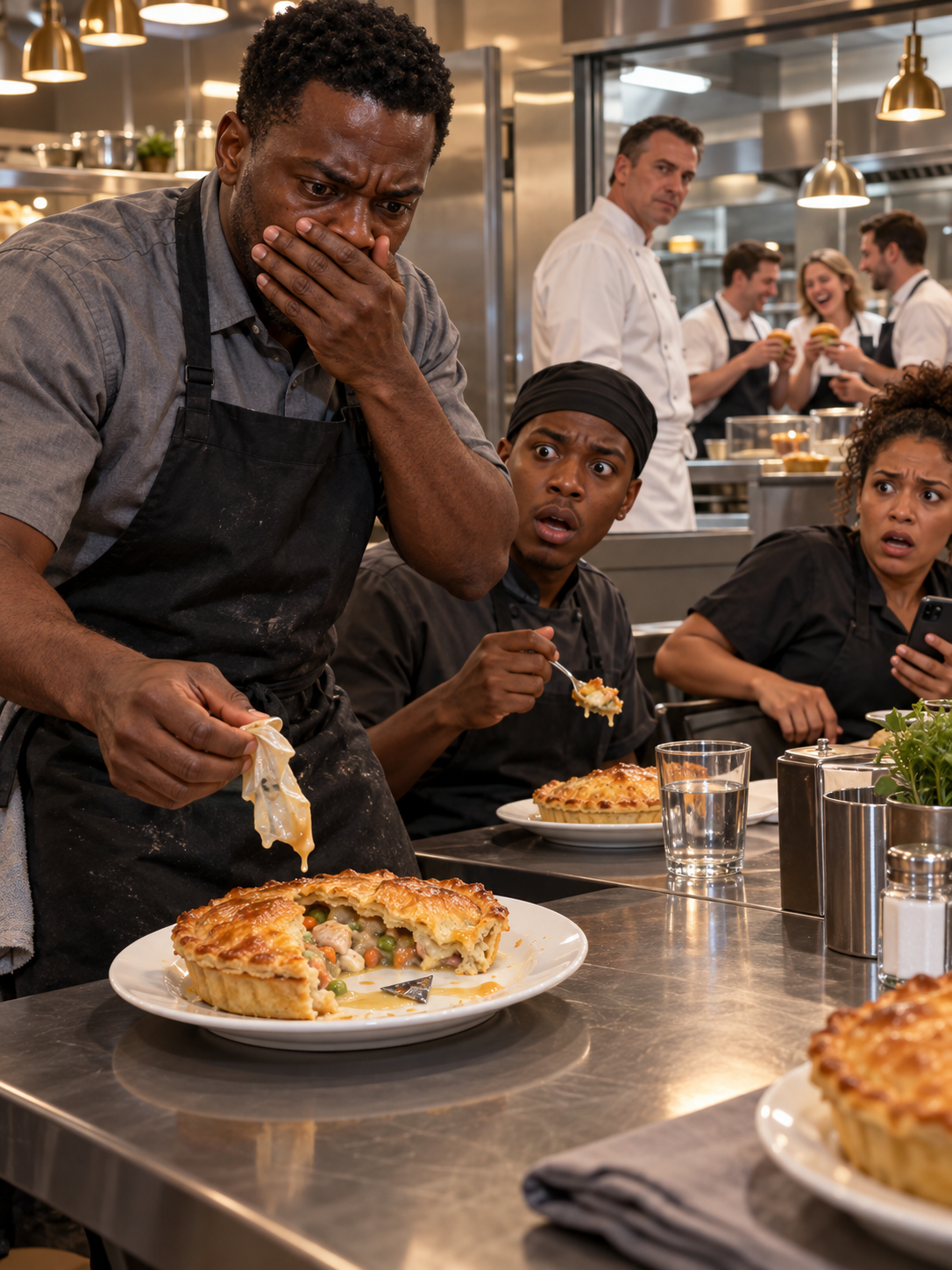
THE CHEF SERVED SIX BLACK EMPLOYEES POISONED POT PIES WHILE WHITE STAFF ATE SAFELY—BUT HE NEVER GUESSED THE QUIET DISHWASHER HAD COME TO EXPOSE HIS SECRET – Life Story
The chicken pot pie looked beautiful until Darius Wellington pulled a torn glove from his mouth. Five coworkers had been...

The Waitress Had The Same Scar As The Crime Boss’s Dead Wife—Then He Asked Who She Really Was – Life Story
The stranger stopped breathing when Lena’s sleeve slipped above her wrist. He stared at the pale crescent-shaped scar as if...

The CEO Called Her Women’s Shelter a Bad Investment—She Challenged Him to Spend Seven Days There Before He Judged It Again – Life Story
Preston Hale told a room full of donors that Sabine Carter’s shelter was too expensive to justify saving. She didn’t...