I CAME HOME TO TELL MY WIFE I WAS DYING—BUT HER LOVER’S CAR WAS IN OUR DRIVEWAY, AND MY FINAL CHRISTMAS WOULD REVEAL EVERYTHING – Life Story
At p.m., I pulled into my driveway carrying a terminal cancer diagnosis and found another man’s sports car parked outside my house.
The man was my business partner, and my wife had disabled the security cameras before inviting him inside.
I had come home to tell her I was dying.
Instead, I discovered a secret that would change what I left behind—and who would be there when my time ran out.
The doctor’s words were still ringing in my ears when I saw the red Porsche.
Stage four pancreatic cancer.
Metastatic disease.
Limited time.
I’d spent the last forty minutes driving through the December cold, rehearsing how I would tell Jane that the life we’d built together was about to end.
I imagined finding her in the kitchen, pouring coffee into one of the oversized ceramic mugs she’d collected over the years.
I imagined taking her hands, explaining the diagnosis, and letting her cry against my shoulder.
I had not imagined her lover’s car in the driveway.
There was no mistaking the vehicle.
The personalized license plate was as recognizable as the man who owned it.
Gavin Vale had been involved in one of my family’s business investments for years.
He was fifty-four, wore watches that cost more than my pickup truck, and enjoyed making sure everyone knew how successful he was.
He was also a widower, which meant he had nobody at home wondering where he spent his afternoons.
I pulled to the side of our quiet suburban street and switched off the engine.
For a while, I simply sat there.
Our house was beautiful in the way Jane preferred things to be beautiful: pale stone, immaculate landscaping, expensive windows, and a circular driveway where every shrub looked as though it had been personally interviewed before being planted.
We’d lived there for more than twenty years.
I had paid for most of it, but she had chosen every detail.
I looked at Gavin’s car again.
He wasn’t a close friend.
We didn’t watch football together, exchange birthday gifts, or meet for drinks.
Our connection was financial and professional, which made his presence at my home on a weekday afternoon especially strange.
I reached for my phone and opened the home security application.
The cameras were in privacy mode.
Every interior camera appeared disabled.
The driveway feed was unavailable, and the usual recording history had stopped shortly after eleven that morning.
Jane had access to the system, of course.
She sometimes disabled the interior cameras when she entertained friends.
It was her house too, and I had never considered that unusual.
Until that moment.
I almost went inside.
My hand was already on the door handle when I pictured the conversation waiting for me.
My wife standing beside another man.
Accusations.
Denials.
An argument that might end with all three of us saying things we could never take back.
And underneath everything would be the news I had spent the morning struggling to accept.
I was dying.
I did not want the first conversation about my illness to become an argument about her fidelity.
So I started the truck again and drove away.
Twenty-five miles outside Madison, Wisconsin, I owned a farm that had belonged to my family for generations.
It was where I went when life became too loud.
The old farmhouse smelled of pine, leather, and wood smoke.
Beyond the back fence, rolling pasture gave way to bare trees and a narrow creek that froze along its edges every winter.
I had installed a separate archival recording system years earlier, mostly because I enjoyed watching storms move across the property and following wildlife on the outdoor cameras.
For security, I had also arranged encrypted backup storage for selected footage from our house in town.
The second system wasn’t controlled through the ordinary privacy switch.
I opened my laptop at the farmhouse kitchen table.
Found the recording from that morning.
And pressed play.
At 11:08, Jane opened our front door wearing the blue silk blouse I’d bought her for our anniversary.
At 11:11, Gavin entered carrying a bottle of wine.
He kissed her before he’d taken off his coat.
I sat absolutely still.
Then Jane laughed, took his hand, and led him toward our living room.
And I knew the man in my driveway had not come to discuss business.
THE AFTERNOON THAT CHANGED EVERYTHING
The recording continued, but I could barely make myself watch.
Jane and Gavin settled onto the living room couch, the same cream-colored couch where our grandchildren had opened Christmas presents the previous year.
Gavin poured wine while Jane rested her legs across his lap.
They spoke easily, laughing with the relaxed familiarity of people who had no reason to feel awkward around each other.
It was not the beginning of an affair.
That was the first thing I understood.
They moved around each other with an intimacy that required practice.
She knew where he wanted his glass placed.
He knew which cushion she preferred.
When she got up to change the music, he caught her wrist and drew her back for another kiss.
I closed the laptop before they left the room together.
Then I opened it again.
Not because I wanted to torture myself, but because I needed to understand whether the scene I’d witnessed had really happened.
I was sixty-three years old, and I’d spent enough time in business to know the difference between what a person suspected and what could actually be established.
At 11:47, they went upstairs together.
The hallway camera showed enough.
I did not need to hear or see anything more.
I stopped the recording.
Outside, wind dragged loose snow across the frozen yard.
I remember looking at the old oak table beneath my hands and wondering why I wasn’t crying.
I’d cried in the doctor’s office that morning.
Not dramatically.
Just a few tears that surprised me after Dr.
Elaine Porter explained what the biopsy and scans showed.
I had sat there feeling strangely embarrassed, as though my body’s failure had created an inconvenience for someone else.
Now, confronted with the collapse of my marriage, I felt a terrible emptiness.
Twenty-four years with Jane.
Thousands of ordinary mornings.
Vacations, anniversaries, family dinners, arguments about furniture, quiet drives home from parties.
All those memories were still real.
But their meaning had changed.
My phone rang at .
Jane.
I watched her name appear above a photograph we’d taken at a charity gala the previous spring.
She looked stunning in an emerald dress, her dark hair arranged over one shoulder.
I stood beside her wearing a black suit and an uncomfortable expression because I had never enjoyed having my photograph taken.
I answered.
“Hi, sweetheart,” she said. “How’s your day going?”
There are moments when a simple lie can reveal more than an elaborate deception.
“Busy,” I said.
“Are you still at the office?”
“No.
I finished early.”
A pause.
“Oh.
Where are you?”
“At the farm.”
“Really? You didn’t tell me you were going out there.”
“Wasn’t planned.”
Her voice softened. “Everything okay?”
I looked at the laptop.
“Not much worse than usual.”
“I was thinking about making reservations for Friday.
Maybe Bellini’s? We haven’t had a proper date night in a couple of weeks.”
Bellini’s was our restaurant.
We had a regular table near the rear windows.
We knew the owner, and our usual server remembered that Jane liked sparkling water without ice.
“Friday sounds fine,” I said.
“Good.
I love you.”
I couldn’t answer immediately.
“Daniel?”
“I’m here.”
“Did you hear me?”
“Yes.”
I looked through the farmhouse window at the dark line of bare maples.
“I’ll see you tonight.”
I ended the call before she could ask another question.
For nearly an hour afterward, I sat at the kitchen table without moving.
The farmhouse clock marked every second with a dry wooden click.
I had expected December to be difficult because of cancer.
Now I was facing the possibility that the woman I’d intended to lean on during the hardest season of my life had been deceiving me for months.
Eventually, I called the one person I trusted to think clearly when everything around me stopped making sense.
“Mr.
Mercer,” said Thomas Keene, my attorney. “What can I do for you?”
“Tom, I need to see you tomorrow.”
“Business or personal?”
“Both.”
A short silence followed.
“How urgent?”
I stared at the frozen fields.
“Urgent enough that I don’t want to explain it over the phone.”
Thomas had handled my estate planning for almost thirty years.
He helped establish the family trust, negotiated the prenuptial agreement before Jane and I married, and reviewed the loan documents associated with several businesses in which our trust had invested.
He knew my finances better than Jane did.
That arrangement had originally been Jane’s idea.
We were both financially established when we married.
She had her career, a pension, and money inherited from relatives.
I had the farm, investments, and the beginnings of what eventually became a substantial family trust.
Jane wanted separate finances.
I agreed.
We signed an extensive prenuptial agreement, obtained independent legal advice, and kept records of separately owned property.
Over the years, I supported most of our household expenses.
Jane used her salary and investment income for her own purchases and personal interests.
It was an unusual arrangement, but I had never resented it.
Not until I started wondering what else she’d been keeping separate.
Thomas listened while I explained the morning’s diagnosis.
His voice changed.
“Dan, I’m sorry.”
“Thank you.”
“Have you discussed treatment options?”
“Yes.
I’m considering them.”
“Good.
Don’t make a decision about that because you’re angry or frightened today.”
“I won’t.”
Then I told him about Jane.
I described Gavin’s car, the disabled security system, and the recording.
Thomas did not interrupt.
When I finished, he said, “First, preserve the original footage securely and don’t circulate it.
Second, don’t assume the prenup automatically resolves every question about the marriage.
We need to review the documents and applicable law carefully.”
“I understand.”
“And third?”
“Yes?”
“You don’t need to decide your entire future in one afternoon.”
I looked around the farmhouse.
“That’s the trouble, Tom.
I may not have much future left.”
His answer came gently.
“Then let’s make sure the time you have belongs to you.”
That sentence stayed with me.
For decades, I’d treated time as something to manage.
I kept calendars, scheduled meetings, and calculated how many hours remained before a deadline.
Now I understood that time was the one asset I could no longer replenish.
And I had no intention of spending my last weeks arguing with Gavin Vale.
That evening, I drove back to town.
Gavin’s car was gone.
Jane stood in the kitchen preparing dinner, wearing jeans and a sweater.
Her makeup was gone.
Her hair was tied back.
She looked exactly like the woman who had greeted me after thousands of ordinary workdays.
“Hey,” she said, smiling. “How was the farm?”
“Quiet.”
She kissed my cheek.
I stood still.
“Everything all right?” she asked.
“Yes.
Just tired.”
“You’ve been tired a lot lately.”
The comment was casual.
She had no idea how significant it was.
For months, I’d been coughing, losing weight, and getting winded more easily than usual.
I’d initially blamed a stubborn respiratory illness.
When the symptoms persisted, my doctor ordered imaging.
The scans revealed lung lesions.
Further testing eventually identified the source.
My pancreas.
By the time I received the full diagnosis, the cancer had spread.
Jane knew I had medical appointments.
She knew I was being investigated for a lingering cough.
But I had kept the seriousness of the testing private until I had a confirmed answer.
I had planned to tell her that afternoon.
Now I found myself sitting opposite her at dinner, listening to her complain about a difficult committee meeting while the largest truths in our marriage remained unspoken.
She asked whether I wanted more potatoes.
I said no.
She asked whether I had thought about retiring.
I said I had.
She smiled.
“Maybe you’ll finally slow down.”
I looked at her.
“Maybe.”
That night, Jane fell asleep beside me.
I remained awake, staring at the ceiling.
I had spent years believing that being honest meant telling the truth immediately.
Now I was wondering whether there was one final gift I could give my children before the truth reached them.
Christmas was twenty-four days away.
And for the first time, I wasn’t sure I’d see another one.
THE CHRISTMAS I REFUSED TO LOSE
Our family’s Christmas celebration was never a single day.
It began when the first car turned onto the farm’s gravel driveway and ended sometime after New Year’s Day, usually with everyone exhausted, overfed, and carrying home more leftovers than they wanted.
We cut our own tree from a small stand of evergreens near the north fence.
The grandchildren decorated it with ornaments collected over decades.
Someone always burned the first batch of cookies, and my son Patrick always insisted he had never lost our annual Christmas Eve card game.
He had lost almost every year.
My daughter Julia kept photographs proving it.
That was the family I wanted to see one last time without everyone watching me as though I might disappear between breakfast and dinner.
Patrick and Julia were twins, both forty-one.
Their mother, Sarah, and I had never married.
We were young when the children were born, and for several years neither of us was mature enough to build the kind of partnership we’d imagined.
By the time the twins turned three, I’d finally become the father I should have been from the beginning.
Sarah eventually married Steve, a quiet, dependable man who loved the children as his own.
I had no reason to compete with him.
We discovered that sharing responsibility made life better for everyone.
When I bought the farm, Sarah and Steve became part of the holiday tradition.
They still were.
Our family arrangement confused outsiders, especially after I married Jane.
But it worked because none of us required the others to disappear.
There were four grandchildren now.
Julia’s daughter Avery was nineteen, and her son Miles was seventeen.
Patrick’s daughter Nora was sixteen, and his youngest, Ben, was fourteen.
They were old enough to remember the farm as a place where their family gathered and young enough to believe the tradition might continue forever.
I knew better.
The morning after discovering Jane’s affair, I met Thomas at his office.
We reviewed the diagnosis first.
I showed him the medical summary, the second opinion appointment already scheduled, and the treatment choices Dr.
Porter had explained.
The cancer was advanced.
Disease-directed treatment might slow its progression for some patients, but there was no guarantee of a meaningful response, and the possible burdens mattered to me.
I had not made my final decision.
Thomas encouraged me to discuss the options thoroughly with my oncology team and to consider palliative care regardless of whether I pursued chemotherapy.
Then we turned to my estate.
The trust contained farmland, securities, investment interests, and other assets accumulated over thirty years.
Its governing documents specified what property belonged to the trust and how successor trustees could take responsibility.
Because Jane and I had kept substantial assets separate, the trust had remained distinct from our marital household finances.
Still, Thomas was careful.
“Marriage, divorce, beneficiary designations, and property rights can interact in complicated ways,” he said. “We aren’t going to assume the prenup makes every issue disappear.”
We reviewed records.
Account titles.
Beneficiary forms.
Trust provisions.
The house in town.
The farm.
My retirement accounts.
I asked him to identify anything that could create confusion or litigation after my death.
“I’m not trying to punish Jane through estate planning,” I told him.
He looked over his glasses.
“What are you trying to do?”
“Make sure the people I actually intend to provide for receive what I mean to give them.”
“Then accuracy matters more than anger.”
That was Thomas.
He never let emotion substitute for paperwork.
We agreed on a lawful plan to update my estate documents, clarify control of trust assets, and appoint appropriate people to manage my care if I became unable to make decisions.
I also arranged a consultation with a family-law attorney about the prenuptial agreement and the possibility of divorce.
I did not sign anything that day.
I wanted every document reviewed carefully.
Afterward, I met Dr.
Porter again.
She explained my treatment options, including systemic therapy that might offer additional time but could also impose significant side effects.
We discussed symptom management, what declining disease-directed treatment would mean, and how palliative care could support my comfort and daily functioning.
I asked questions.
Then more questions.
Finally, I told her that I wanted to focus on comfort and time with my family rather than pursue chemotherapy.
She did not congratulate me or argue.
She made sure I understood the uncertainty, the possible benefits I was declining, and the support still available.
“I can change my mind?” I asked.
“Of course,” she said. “We’ll continue to care for you either way.”
That mattered.
I wasn’t choosing to stop being cared for.
I was choosing what kind of care matched my priorities.
I left the appointment with referrals for palliative support and a plan to reassess my symptoms regularly.
Then I returned to the farm and walked the fence line.
The western pasture had been my grandfather’s favorite place.
He used to say that a man could learn nearly everything worth knowing by watching cattle and weather.
I never believed him completely.
But I understood what he meant.
Out there, my worth wasn’t measured by a bank balance or a job title.
It was measured by whether I’d repaired the gate before winter, whether the animals were sheltered, and whether the people who depended on me knew they could count on me.
By the time I reached the barn, I’d made a decision.
I would wait until after New Year’s Day to tell my family about the cancer.
Not because they didn’t deserve to know.
They did.
But because I wanted them to have one more Christmas at the farm without the diagnosis becoming the center of every conversation.
I also knew I couldn’t ask Sarah or Steve to carry the secret separately.
Sarah would tell the twins because she loved them too much to hide something that important, and Steve would never be comfortable lying to her.
So I told no one in the family.
I continued working through the final weeks of my nonprofit position.
For fifteen years, I’d helped lead a regional organization that trained adults for skilled employment and connected young people with apprenticeships.
I could have lived comfortably without the salary, but the work had given my days purpose.
When I announced my retirement, my colleagues were surprised.
Jane was unsettled.
“You’re really retiring now?” she asked over breakfast.
“Yes.”
“What are you going to do all day?”
“Spend time at the farm.
See the kids.
Read.”
“Every day?”
“Not every day.”
She studied me.
“You’ll get bored.”
“Possibly.”
Then she asked a question I would remember.
“Will you be around the house more?”
I looked up from my coffee.
“Sometimes.”
Her smile tightened.
“Well.
I’ll have to get used to that.”
I almost told her I knew.
The words rose into my throat.
Instead, I asked whether she wanted another cup of coffee.
She said yes.
In the following days, I noticed things I might once have overlooked.
Her phone remained face down.
She asked about my schedule more often.
She developed sudden errands that required driving into town.
At a holiday gathering, Gavin appeared wearing a dark designer suit and the same expensive watch he’d worn in the recording.
Jane barely looked at him.
That deliberate indifference told me almost as much as the footage.
I watched them from across the room.
Gavin laughed loudly with other guests.
Jane kept her back toward him.
Once, when their eyes met, she looked away too quickly.
I realized how much effort deception required.
Remembering what you’d said.
Remembering what you hadn’t said.
Maintaining the right distance in public.
Pretending not to notice someone you’d been holding hours earlier.
The whole thing looked exhausting.
And terribly small.
I had stopped imagining that confronting Gavin would make me feel better.
My body was already reminding me that I did not have unlimited strength.
I preferred to save it for people I loved.
The week before Christmas, Julia called.
“Dad, are you ready for the invasion?”
“Depends.
Is Patrick bringing that terrible card game?”
“Of course.”
“Then no.”
She laughed.
“You sound tired.”
“I’m getting old.”
“You’ve been using that excuse since I was twenty.”
“It’s become more accurate.”
A pause followed.
“Seriously, Dad.
You’re okay?”
I looked toward the barn, where one of the farmhands was repairing a feeder.
“I’m looking forward to seeing everybody.”
“That wasn’t exactly an answer.”
“No,” I admitted. “But it’s true.”
She sighed.
“Fine.
We’ll be there Friday.”
After the call, I sat on the porch and watched the sun drop behind the trees.
I had lied by omission to the person whose judgment I trusted most.
That hurt.
But I held on to the hope that someday she would understand why I wanted this week.
When the first car arrived, I was standing outside in my oldest brown coat.
Ben jumped out before the engine stopped.
“Grandpa!”
He ran toward me.
I opened my arms.
He was almost as tall as I was now, all elbows and teenage energy.
He hugged me with the careless strength of someone who had never imagined there might be a last time.
I held him a little longer than usual.
“Easy, old man,” he said, laughing.
“Who’s old?”
“You.”
“Disrespectful child.”
He grinned.
Then Nora, Patrick’s daughter, appeared with a bag of gifts and announced that she had brought a new board game nobody was allowed to complain about until they’d tried it.
I watched the driveway fill with cars.
Sarah and Steve arrived together.
Julia came with her husband and children.
Patrick carried enough groceries to feed a small town.
Jane emerged from the farmhouse wearing a beautifully tailored cream sweater and her practiced holiday smile.
For a moment, the scene looked exactly as it always had.
And I decided to let it.
Christmas Eve brought heavy snow.
Inside, the farmhouse glowed with firelight and strings of warm white bulbs.
The grandchildren argued over ornaments.
Sarah corrected Patrick’s gravy, while Steve pretended not to notice that Julia had hidden the best cookies from everyone.
Jane played her role flawlessly.
She arranged the table.
Helped wrap gifts.
Smiled for photographs.
Then, whenever her phone vibrated, she found a reason to step outside.
Once, she announced that she needed to drive into town for a forgotten ingredient.
Avery immediately offered to accompany her.
Jane froze.
“Oh, sweetheart, it’s just a quick errand.”
“I don’t mind.”
“No, really.
Stay here and help your mother.”
I looked up from the puzzle I’d been assembling with Ben.
“Why not take her, Jane? You might enjoy the company.”
For half a second, her expression changed.
Then she smiled.
“It’s freezing outside, Daniel.”
Avery laughed.
“Grandma Jane, I own a coat.”
Jane went alone.
I watched her car disappear down the road.
The scene would have been amusing if it hadn’t been so sad.
She was missing the very life I was trying desperately to preserve.
That evening, after dinner, everyone gathered around the fireplace.
Miles found an old box of photographs.
They showed Christmases from years ago.
Patrick with missing front teeth.
Julia wearing an enormous red bow.
Sarah laughing beside Steve.
My father standing in front of the barn before his hair turned gray.
The grandchildren passed the photographs around, asking questions.
I answered as many as I could.
Then Avery pulled out her phone.
“Grandpa, tell that story about the year Uncle Patrick got stuck in the snow.”
Patrick groaned.
“No.”
“Oh, absolutely,” Julia said.
Avery began recording.
I told the story.
Everyone laughed.
Then I told another.
And another.
I noticed Jane watching from across the room.
For a moment, I wondered what she saw.
An aging husband with a persistent cough?
A man who drove an old pickup while her lover drove a Porsche?
A comfortable life she intended to trade for something more exciting?
Whatever she saw, she did not know what was coming.
On Christmas morning, I stood at the kitchen window while the family slept.
Snow covered the fields.
The sky was pale blue.
The farmhouse was quiet except for the low hum of the refrigerator.
I heard footsteps behind me.
Sarah entered wearing slippers and one of Steve’s old sweatshirts.
“Couldn’t sleep?” she asked.
“Old habits.”
She poured coffee.
Then she looked at me.
“Dan, you’ve lost weight.”
I smiled.
“Everybody’s a critic.”
“I’m serious.”
“So am I.
Your coffee needs work.”
She didn’t laugh.
For a moment, I thought she might push harder.
Instead, she stepped closer and hugged me.
It was an ordinary embrace between two people who had spent forty years raising a family together.
I closed my eyes.
And for one dangerous second, I almost told her everything.
But upstairs, a bedroom door opened.
Ben shouted that someone had hidden his Christmas stocking.
The house came alive.
Sarah stepped away.
“Duty calls.”
I watched her go.
Then I looked outside.
The sunrise had reached the fence line.
I wanted to remember that color.
The pale gold on untouched snow.
The warmth of a cup in my hands.
The sound of people I loved moving through the rooms of a house that had held us together for decades.
If I could have stopped time anywhere, I would have stopped it there.
But time continued.
And before the week ended, I knew I would have to begin telling the truth.
THE PAPERS ON THE FARMHOUSE TABLE
New Year’s Day arrived under a clear winter sky.
We ate breakfast late, exchanged the last of the leftovers, and began the familiar process of packing cars.
The grandchildren complained that the week had gone too quickly.
Patrick promised to return in February to help repair the old equipment shed.
Julia reminded me that I still owed her a lesson on managing the farm’s investment records.
Sarah hugged me beside the front porch.
“Call me if you need anything,” she said.
“I will.”
She held me at arm’s length.
“You’d better.”
I smiled.
Steve shook my hand and then pulled me into a hug.
“Good week,” he said.
“The best.”
And I meant it.
By late afternoon, the last car had disappeared down the driveway.
Jane remained in town, having left earlier for a social engagement.
The farmhouse was quiet.
I walked into the living room and looked at the tree.
Several ornaments hung crookedly.
A small pile of forgotten wrapping paper lay beneath a chair.
Somebody had left a pair of gloves on the mantel.
For years, I’d complained about cleaning up after Christmas.
That evening, I couldn’t bring myself to move a thing.
I sat by the fire until the room grew dark.
Then I took out a notebook.
On the first page, I wrote five names.
Sarah.
Steve.
Patrick.
Julia.
Thomas.
I had already scheduled a meeting for the following Sunday.
Thomas would attend with a notary and the documents we’d been preparing.
I needed my children to understand the trust before my health made it impossible for me to explain.
But I knew the meeting would become something far larger.
During the first days of January, I completed several practical tasks.
I finalized my retirement paperwork.
Met again with the palliative care team.
Reviewed advance directives.
Arranged for professional in-home care if I needed it.
I also wrote letters.
Not farewell letters exactly.
At least, I didn’t think of them that way.
I wanted to tell each grandchild something specific.
Avery had a way of making people comfortable in a room.
I wanted her to know that kindness was a skill worth protecting.
Miles was quiet and observant.
He noticed things other people missed.
I wanted him to understand that thoughtfulness was not weakness.
Nora loved arguing for causes she believed in.
I wanted her to keep that courage while learning to listen.
Ben was curious about everything mechanical.
I wanted him to remember that patient work mattered more than appearing clever.
The letters took longer than I expected.
A man can negotiate a multimillion-dollar loan without trembling.
But try writing a sentence beginning, When I’m no longer here, and you’ll discover how heavy a pen can become.
Thomas came to the farm on Sunday morning.
He carried a leather briefcase and wore his usual dark overcoat.
The notary arrived shortly afterward.
When Patrick and Julia entered the dining room, they looked from Thomas to the documents arranged on the table.
Julia stopped.
“Dad?”
“Sit down, sweetheart.”
“What is this?”
“Something we need to discuss.”
Sarah and Steve arrived five minutes later.
Sarah took one look at the room.
“Daniel Mercer, what have you done?”
I almost laughed.
“Nothing illegal.”
“That isn’t reassuring.”
“Please sit.”
They did.
For the next forty minutes, Thomas and I explained the trust’s existing structure, the assets it held, and the succession arrangements I wanted to put in place.
The changes had been prepared in accordance with the trust documents and reviewed for legal and tax consequences.
Julia, who held an MBA and worked in corporate finance, asked careful questions.
Patrick wanted to know why I was moving certain decision-making responsibilities now instead of later.
Sarah looked increasingly worried.
I asked everyone to let Thomas finish.
The plan gave Patrick and Julia substantial trustee responsibilities, with independent professional support for investments and administration.
The grandchildren would be beneficiaries under provisions designed to support education and future needs without encouraging reckless spending.
Sarah and Steve would have advisory roles in matters affecting the younger grandchildren, subject to the governing documents and professional fiduciary duties.
I retained limited involvement while I remained capable.
The farm would remain within the trust.
And the trustees would be responsible for keeping it productive rather than treating it as an asset to be sold whenever somebody wanted cash.
When Thomas finished, the room fell silent.
Julia looked at me.
“Dad, why now?”
I took a breath.
“Because I need to know this will work without me.”
Patrick frowned.
“What does that mean?”
I looked at my children.
The same two babies I’d once held in the crooks of my arms.
The young adults I’d watched graduate.
The parents who now guided children of their own.
“I have cancer.”
Nobody moved.
Sarah’s hand went to her mouth.
Julia stared.
Patrick said, “What kind?”
“Pancreatic.”
He leaned forward.
“What stage?”
I looked at Thomas, then back at my son.
“Stage four.”
The silence that followed was unlike anything I’d ever experienced.
Even the farmhouse clock seemed suddenly too loud.
Julia shook her head.
“No.”
I reached across the table.
“Sweetheart—”
“No.
You don’t get to say something like that and then reach for my hand as if you’ve told us you need a new roof.”
I lowered my hand.
She stood and walked toward the window.
Sarah began crying.
Steve put his arm around her.
Patrick stared at the papers.
“How long have you known?”
“Since December first.”
Julia turned.
“December first?”
“Yes.”
“Before Christmas?”
“Yes.”
Her face crumpled.
“You knew during Christmas?”
I nodded.
She looked as though I’d slapped her.
“All those photographs.
All those jokes.
You knew?”
“I did.”
“Why didn’t you tell us?”
“Because I wanted one more week when none of us was thinking about cancer.”
“That wasn’t your choice to make for us.”
She was right.
I had known she might say it.
Hearing it still hurt.
“I know,” I whispered. “And I’m sorry.”
Julia left the room.
Sarah followed her.
Patrick sat with his elbows on the table.
“What are the doctors saying?”
I explained the diagnosis, the second opinion, and the treatment options I’d discussed.
Then I told him I’d chosen comfort-focused care rather than chemotherapy.
He looked up sharply.
“Dad, you can’t just give up.”
“I’m not giving up.”
“Then fight.”
“I’ve spent my life fighting for things I believed mattered.
Right now, what matters is how I spend the time I have.”
Steve spoke quietly.
“You understand we may not agree with you.”
“I do.”
“And you’ll still talk with the doctors if things change?”
“Of course.”
Patrick looked at me for a long time.
Then he began crying.
My son had always been the steady one.
As a child, he would get angry when he fell, stand up, and insist he wasn’t hurt.
Now he covered his face with both hands.
I moved around the table and held him.
For a while, we said nothing.
When Julia returned, her eyes were red.
She sat beside me.
“Is there anything else?”
I looked at Thomas.
He lowered his gaze.
“Yes,” I said.
Julia closed her eyes.
“Of course there is.”
I told them about Jane.
Not every detail.
Not the parts that would serve no purpose except causing more pain.
I told them I had discovered her affair the day I received the diagnosis.
That the man was Gavin Vale.
That I had preserved evidence and consulted counsel.
That Jane still did not know I knew.
Sarah made a sound of disbelief.
Steve stared at me.
Patrick stood.
“I’m going to have a conversation with Gavin.”
“No,” I said.
“Dad—”
“No.
You are not going to spend one minute of my remaining time getting yourself into trouble over a man who doesn’t deserve it.”
He remained standing.
I met his eyes.
“Sit down, Patrick.”
After a moment, he obeyed.
Julia looked toward the window.
“She was at Christmas.”
“Yes.”
“She was laughing with us.”
“Yes.”
“She let us hug her.”
I nodded.
My daughter’s face hardened in a way I had rarely seen.
“And you carried all of that alone?”
I looked at my hands.
“For a while.”
She reached across the table.
This time, I let her take them.
We spent the next several hours talking.
We argued about treatment.
We cried.
Sarah told me I was an impossible old fool for keeping the diagnosis secret.
Steve said he’d never doubted that I loved the family, but he wished I’d trusted them sooner.
Patrick asked practical questions about the farm, the nonprofit, and what would happen if my health deteriorated quickly.
Julia asked to review the investment records.
When I showed her the trust’s financial statements, her expression changed.
She had known the trust existed.
She had not understood its scale.
For decades, I’d lived modestly, driving an old truck and wearing work clothes because expensive things had never impressed me much.
The trust had grown through careful investments, farmland appreciation, and reinvested returns.
It was substantial enough to support several generations if managed responsibly.
Julia turned a page.
“Dad.
Why did you keep working?”
I smiled.
“Because having money isn’t the same as having a purpose.”
She looked at me.
“And what do you want us to do with it?”
“Protect the farm.
Educate the grandchildren.
Keep the investments sound.
And use the resources to do work that matters.”
Patrick frowned.
“What kind of work?”
“Whatever each of you believes in enough to give your time to.
Don’t just write checks and call yourselves generous.”
Sarah gave a tearful laugh.
“That sounds like you.”
“Good,” I said. “Then perhaps you’ve been listening.”
Near the end of the meeting, Julia reached a section of the investment portfolio that made her pause.
“Dad, why is Gavin Vale’s company listed here?”
I looked at the document.
“Because the trust holds a substantial secured loan to his business.”
She examined the terms.
“There’s a conversion provision.”
“Yes.”
“And a financial reporting covenant.”
“Yes.”
Her expression became thoughtful.
“Has he been complying with it?”
“Thomas has requested updated records.”
Julia looked up.
“Does Gavin know you’re restructuring the trust?”
“He knows the lender’s administrative representatives may change.”
She read another page.
Then she sat back.
“Dad, I think we need to understand this investment very carefully.”
I studied her.
“What are you seeing?”
“Nothing conclusive yet.”
She tapped the document.
“But if the reports are accurate, his personal benefits are unusually high for a company carrying this much debt.”
For the first time that afternoon, something other than grief entered my daughter’s expression.
Professional concentration.
I recognized it immediately.
She had been a child who could take apart a broken radio and refuse to stop until she understood why it failed.
Now she was studying a business connected to the man who had betrayed my marriage.
I placed a hand over the documents.
“Julia.”
She looked at me.
“I don’t want revenge.”
“I know.”
“I want the people who work there protected.
Whatever you discover, remember that.”
She nodded.
“I will.”
Outside, evening settled across the fields.
Inside, our family had changed.
They knew I was dying.
They knew Jane had betrayed me.
They knew the trust would soon become their responsibility.
And I finally knew I would not have to carry the rest of my life alone.
THE FRIEND WHO BROKE THE SILENCE
Carol Whitcomb came to the farm on a Wednesday afternoon carrying a covered dish and an expression that told me she hadn’t come to discuss dinner.
She was sixty, with short silver-blond hair and the steady brown eyes of someone who had long ago stopped being impressed by wealth.
Her parents had known mine.
I’d introduced her to Jane more than twenty years earlier, and the two women had since served on charity committees and attended the same social gatherings.
“Daniel,” she said when I opened the door, “I need to talk to you.”
I stepped aside.
She placed the dish on the kitchen counter, removed her gloves, and sat at the oak table without taking off her coat.
It was the same table where my family had learned about my diagnosis.
I was beginning to think the furniture deserved a vacation.
“Coffee?” I asked.
“No, thank you.”
That was unusual enough to worry me.
Carol was rarely without coffee.
She folded her hands.
“Jane came to my house last Friday.”
“I see.”
“She had too much to drink.”
I waited.
“She told me something about Gavin Vale.”
The kitchen clock ticked.
Carol looked at me carefully.
“Daniel, I’m very sorry.
Jane told me she’s been having an affair with him.”
I didn’t move.
Carol’s expression filled with sympathy.
“I wanted to give her an opportunity to tell you herself.
I called her the next morning.
She claimed she didn’t remember what she’d said, and then she denied everything.”
“That sounds like Jane.”
Carol frowned.
“You don’t seem surprised.”
“I’m not.”
She stared.
“You know?”
“Yes.”
“How long?”
“Since December first.”
Carol sat back.
“Good Lord.”
I told her enough to explain what I’d discovered, leaving out the details that belonged to no one else.
She listened, her face gradually changing from shock to anger.
“And you went through Christmas knowing?”
“Yes.”
“With all of us smiling at her?”
“Yes.”
Carol looked at the table.
“I don’t even know what to say.”
“That makes two of us.”
She shook her head.
“When Jane told me, she wasn’t just confessing.
She was trying to justify it.
She kept talking about how exciting Gavin was, how different her life felt when she was with him.”
I said nothing.
“She complained that you were too comfortable with simple things.”
I almost laughed.
“That’s true.”
“Daniel.”
“I like my truck.
I like the farm.
I like eating breakfast without someone asking whether the silverware is impressive enough.”
Carol gave a reluctant smile.
Then she became serious.
“She also mentioned money.”
I looked up.
“What about it?”
“She said Gavin was making plans for a much bigger future.
Business opportunities.
A different kind of life.
She seemed convinced he was worth a fortune.”
I thought about the investment records Julia had been reviewing.
“Did she say anything about his company?”
Carol hesitated.
“She mentioned a loan.
Said there were people who might make things difficult for him unless he could change the terms.”
I felt something settle into place.
For months, I had assumed the affair was driven by vanity, attention, and physical attraction.
Now another possibility had begun to emerge.
Gavin’s business relied on financing that my family’s trust had provided.
If he believed Jane could influence me, he might have seen the relationship as more than an indulgence.
Carol watched my expression.
“What is it?”
“Possibly nothing.”
“Daniel.”
I smiled tiredly.
“You sound like Sarah.”
“Then Sarah must be a sensible woman.”
I reached for the coffee pot.
“Will you have coffee now?”
She considered it.
“Yes.”
We talked for another hour.
Carol explained that Jane had been increasingly anxious during the holidays.
She had drunk heavily at their gathering, talked almost compulsively, and finally confessed the affair after Carol questioned why she was behaving so strangely.
The following morning, Jane denied the conversation.
Carol gave her several days to come clean.
When Jane refused, Carol came to me.
“I couldn’t let you keep trusting her without knowing,” Carol said.
“I appreciate that.”
She studied me.
“There’s something you’re not telling me.”
I looked toward the windows.
“Yes.”
“Will you tell me?”
“Not today.”
Carol nodded slowly.
“Whatever it is, I hope you have people helping you.”
“I do.”
She stood.
Then, unexpectedly, she reached across the table and squeezed my hand.
“Daniel, your kindness isn’t foolishness.
Don’t let what she’s done make you believe it was.”
After she left, I called Thomas.
I told him about Carol’s visit and what Jane had said about Gavin’s loan.
Thomas listened.
“That may be relevant to our review of the business relationship,” he said. “But we need evidence from the company records, not assumptions about why an affair began.”
“I know.”
“Have you decided when to speak with Jane?”
I looked at the calendar.
Friday.
Bellini’s.
Our usual date night.
“Yes.”
Thomas was quiet.
“Are you certain you want to do it publicly?”
“Not publicly.
Somewhere neutral, with people nearby if the conversation becomes difficult.”
“I can make myself available afterward.”
“Actually,” I said, “I’d like you there.”
He hesitated.
“As your attorney?”
“As a witness to the delivery of the documents and to make sure I don’t forget something important.”
We discussed a way to manage the meeting without creating a scene.
I also called Carol.
She agreed to be available to take Jane home afterward if Jane wanted her assistance.
My son Patrick offered to drive me back to the farm.
I declined at first.
Then I reconsidered.
The fatigue was becoming harder to ignore, and I didn’t want to drive after an emotionally exhausting conversation.
So I asked him to wait nearby.
“Dad,” he said, “you don’t have to do this alone.”
“I know.”
“Then why do you keep trying?”
I looked out at the barn.
“Old habit.”
He sighed.
“Let’s change it.”
The following evening, I dressed carefully.
Dark jacket.
Clean shirt.
The same brown leather shoes Jane had bought me years earlier and always complained I didn’t wear enough.
I stood in front of the mirror and adjusted my collar.
I looked older than I remembered.
My face had grown thinner.
There were shadows beneath my eyes.
But the man in the mirror was still recognizable.
I thought about the day I’d met Jane.
She had been thirty-five, confident, beautiful, and fiercely independent.
We’d talked for three hours at a fundraiser because she challenged everything I said about business philanthropy.
I admired her ambition.
She admired that I didn’t seem intimidated by hers.
At least, that’s what she’d told me.
For years, our differences had felt complementary.
Now I wondered when admiration had turned into contempt.
When had my preference for an ordinary life become embarrassing to her?
When had her desire for elegance become a need to be seen beside someone flashier?
I didn’t know.
I suspected I’d never know completely.
But I knew what I needed to say.
At seven o’clock, I drove to Bellini’s.
Jane arrived separately from an afternoon committee meeting.
She looked beautiful in a burgundy dress and gold earrings.
When she saw me, she smiled.
“Daniel, you look handsome.”
“Thank you.”
She kissed my cheek.
The familiar gesture felt distant.
We followed our server to the table near the rear windows.
Candles flickered beside a small arrangement of white flowers.
Soft piano music drifted from the bar.
For twenty-four years, I had associated that place with anniversaries and celebration.
That night, it became the place where I would end my marriage.
THE DINNER WITH TWO ENVELOPES
Jane ordered sparkling water.
I ordered tea.
She looked at me over the menu.
“No wine?”
“Not tonight.”
“Are you feeling all right?”
“Tired.”
“You’ve been tired for weeks.”
“Yes.”
She sighed.
“Daniel, I’ve told you to get that cough checked.”
I almost smiled at the irony.
“I have.”
“Good.”
She returned to the menu.
We ordered dinner.
For the next hour, I allowed the evening to unfold as it normally would.
Jane talked about a charity auction, a friend’s upcoming birthday, and a disagreement within one of her volunteer committees.
I listened.
Asked questions.
Watched the candlelight catch the diamonds on her wedding ring.
By the time dessert arrived, she seemed relaxed.
The restaurant was busy enough that nobody was paying attention to us.
Perfect.
I set down my spoon.
“Jane, can I ask you something?”
“Of course.”
“Have I been a good husband?”
She laughed softly.
“What kind of question is that?”
“A serious one.”
She looked at me.
“Yes, Daniel.
You’ve been a wonderful husband.”
“Have I ever frightened you?”
“No.”
“Have I ever tried to control your career, your friendships, or your money?”
“Of course not.”
“Have I made you feel unwanted?”
Her expression changed.
“Where is this coming from?”
“Please answer.”
She studied me.
“No.
You’ve always been affectionate.”
I nodded.
“Do you believe we’ve had a good marriage?”
She smiled.
“Yes.
We’ve been a great team.”
I looked at her for a long moment.
Then I asked the question.
“Then why have you been sleeping with Gavin Vale?”
Her spoon stopped halfway to the plate.
For several seconds she didn’t move.
Then she lowered it carefully.
“What?”
“You heard me.”
Her face became very still.
“Daniel, I don’t know what Carol told you—”
“I knew before Carol told me.”
The color drained from her cheeks.
I watched the realization travel across her face.
She had prepared herself for accusations based on gossip.
She had not prepared for certainty.
“How?” she whispered.
I folded my hands on the table.
“On December first, I left a doctor’s appointment and came home early.
Gavin’s car was in our driveway.”
Jane stared.
“I checked the security system.
The usual recording was disabled.”
Her eyes flickered.
“I drove to the farm.
I reviewed the separately archived footage.”
She opened her mouth.
I lifted one hand.
“Please let me finish.”
She closed it.
“I saw enough to understand what was happening.”
Her eyes filled.
“Daniel—”
“I spent twenty-four years loving you.
I would have preferred almost any explanation to the one those recordings provided.”
Tears spilled down her cheeks.
“It wasn’t what you think.”
I looked at her.
“Jane, don’t make this harder by pretending there’s an innocent explanation.”
She lowered her head.
For a moment, I felt the old reflex to comfort her.
I resisted it.
“There’s something else you need to know.”
She looked up.
My voice grew quieter.
“The appointment I was coming home from was with my oncologist.”
Her expression changed.
“Oncologist?”
“Yes.”
“Why?”
I took a breath.
“I have pancreatic cancer.”
She stared.
“Cancer?”
“Stage four.
It has spread.”
The candle between us flickered.
Jane’s hand rose to her mouth.
“No.”
“I’ve had a second opinion.
I’ve discussed the options with my doctors.”
“No, Daniel.”
Her voice broke.
“You can’t be serious.”
“I am.”
She began crying harder.
For the first time that evening, I believed her emotions were entirely genuine.
Whatever else she had done, she understood what the diagnosis meant.
“Why didn’t you tell me?”
I looked at her.
“I came home to tell you.”
The words struck her.
She covered her face.
For several moments, she could not speak.
Then she reached across the table.
I moved my hand away.
She stopped.
“I’m sorry,” she whispered.
“I know.”
“No, you don’t understand.
Gavin meant nothing.
It was stupid.
I don’t love him.”
I watched her carefully.
“Then you risked twenty-four years for someone who meant nothing?”
She shook her head.
“I don’t know what happened to me.”
“I think you made choices you didn’t expect to have consequences.”
She began to protest.
Then she stopped.
I looked toward the far side of the dining room.
Thomas sat at a table near the wall.
His wife had accompanied him so he wouldn’t appear to be waiting alone.
I gave a small nod.
He approached carrying a narrow leather case.
Jane looked between us.
“What’s going on?”
I spoke calmly.
“Thomas has reviewed our prenuptial agreement and the relevant property records.
I’ve also consulted a family-law attorney.
I intend to divorce you.”
She went completely still.
“No.”
“I’ve signed the documents needed to begin the process.
You’ll receive them through the proper legal channels.”
“Daniel, you’re sick.”
“Yes.”
“You can’t go through a divorce now.”
I met her eyes.
“I don’t know whether I’ll live long enough to see every legal question resolved.
But I can decide how I want to spend the time I have.”
She shook her head.
“We can fix this.”
“I don’t want to.”
The words seemed to stun her more than anything else.
I slid a sealed envelope toward her.
Inside was a letter explaining my decision, the boundaries I wanted respected, and the arrangements my attorneys would address.
“The house in town will remain available to you for now under the temporary arrangements being discussed,” I said. “I’ll stay at the farm.”
She looked at the envelope.
“What about everything else?”
“Our lawyers will handle the financial questions.
The trust and the property we kept separate will be addressed according to their governing documents and the law.”
She began crying again.
“Daniel, please.
Don’t do this.”
I felt a sharp ache beneath my ribs.
For a second, I wondered whether the pain came from cancer or grief.
Perhaps it was both.
I waited until I could speak.
“Jane, I spent years believing we were partners.
That we wanted the same things, even when we lived differently.”
“We did.”
“No.
We wanted some of the same things.
And somewhere along the way, you decided I wasn’t enough.”
She looked away.
I continued.
“You’ve said Gavin meant nothing.
But you changed your schedule, concealed your movements, disabled cameras, and invited him into our home.”
Jane covered her mouth.
“I’m sorry.”
“I believe you’re sorry now.”
I pushed the second envelope across the table.
It contained a written summary of what my attorneys had preserved, along with contact information for counsel.
The original evidence remained securely stored.
“I won’t debate every detail with you tonight.”
She looked at the envelope.
Then at me.
“Are you leaving me?”
“Yes.”
Her shoulders began shaking.
“Why won’t you fight for us?”
For the first time, anger rose through my exhaustion.
I looked at the woman I’d loved for almost a quarter century.
“I came home to tell you I was dying, Jane.”
She began crying harder.
“You were supposed to be the person I could trust with that.”
“Daniel—”
“You were worth fighting for when we were honest with each other.
You don’t get to ask me to spend whatever time I have left proving that your betrayal hasn’t changed anything.”
She stared at me.
I lowered my voice.
“I am not fighting for a marriage you stopped protecting.”
The sentence settled between us.
There was nothing more to say.
I stood.
Thomas remained nearby, discreet and silent.
“Carol knows you’re here,” I told Jane. “If you’d like her to take you home, she’ll come.”
She looked up.
“You told Carol?”
“She already knew.”
Jane’s face crumpled.
I took my coat from the back of the chair.
“I hope someday you understand why this had to end.”
Then I walked away.
Not quickly.
Not triumphantly.
I stopped to thank our server, who had looked after us for years.
I apologized to the owner for choosing his restaurant for such a difficult conversation.
He said quietly that no apology was necessary.
Outside, the January air struck my face.
My old truck stood near the curb.
Patrick waited beside it.
His wife had driven him.
He took one look at me.
“How’d it go?”
I stared at the restaurant windows.
“I said what I needed to say.”
Patrick opened the passenger door.
“Then let’s get you home.”
I climbed in.
For a moment, I looked at the place where Jane and I had celebrated twenty-four years of birthdays, anniversaries, and ordinary Friday evenings.
Then Patrick started the engine.
As we drove toward the farm, I felt no victory.
Only relief.
And an enormous sadness for the life I had believed we shared.
When we reached the farmhouse, Julia was waiting.
She had made soup.
Sarah had brought bread.
Steve was tending the fire.
Nobody asked for details.
They simply made room for me at the table.
And for the first time since December first, I let someone else look after dinner.
THE MAN WHO THOUGHT HE OWNED EVERYTHING
Jane’s world began unraveling more quickly than I expected.
Carol stayed with her after the restaurant meeting.
The following morning, Jane contacted Gavin.
I learned later that she expected him to comfort her and perhaps finally make the future he’d described seem real.
Instead, he began distancing himself.
There was a reason.
Earlier that week, the trustees had notified Gavin’s company of changes in the trust’s administration and requested financial information required under the lending agreement.
Julia was reviewing the company’s financial health.
Gavin understood what that meant.
The trust’s loan carried a conversion provision that could become available under specified circumstances.
The company had also agreed to provide regular financial reports.
Julia believed some of those reports were incomplete.
She had asked for independent accountants to examine the records.
Gavin did not welcome the request.
His company operated a regional chain of commercial supply businesses.
It employed several hundred people and had strong revenue, but recent expansion had left it heavily dependent on borrowed capital.
Gavin lived extravagantly.
Luxury cars.
Private travel.
Expensive entertaining.
A large salary and generous personal benefits.
He presented that lifestyle as proof of success.
Julia wondered how much of it the business could truly afford.
Three days after the restaurant confrontation, Carol came to the farm.
I was sitting by the fireplace, trying to finish a letter to Miles.
She knocked once and entered carrying soup.
“I brought lunch,” she announced.
“Does everybody think I can’t feed myself?”
“Yes,” she said.
I laughed.
Carol set down the container.
Then her expression changed.
“I spoke with Jane.”
I looked up.
“How is she?”
“Not well.”
“I expected that.”
Carol sat opposite me.
“There’s something you should know.
She told me she’d planned to leave you eventually.”
I held the pen still.
“She was waiting for Gavin to commit to a future together.”
I looked toward the window.
A light snow was falling.
“She thought he was going to marry her,” Carol continued.
I absorbed the information without speaking.
“She also believed he was much wealthier than you.”
I laughed quietly.
“Most people do.”
Carol studied me.
“Daniel, she said your old truck embarrassed her.”
I looked down at my jeans.
“It’s a good truck.”
“I know.”
“Starts every winter.”
“I know that too.”
She smiled sadly.
Then she said, “Gavin apparently wanted her to persuade you to alter the loan arrangement.”
That got my attention.
“What exactly did he ask?”
“Jane says he talked about buying out the loan or getting you to agree to friendlier terms.
She believed she was helping him build something they would share.”
I thought about the hints I’d noticed in the recordings and the questions Gavin had asked at social gatherings.
Whether I planned to retire.
Whether I’d be willing to simplify the trust portfolio.
Whether Jane had influence over my financial decisions.
At the time, I’d considered them ordinary business questions.
Now the pattern looked different.
Gavin had wanted access.
Jane had wanted a more glamorous life.
Each had mistaken the other for a solution.
Neither had bothered to consider the people who might be hurt.
I called Julia.
She arrived that afternoon carrying her laptop and a folder of financial reports.
“Dad, I’ve been looking at the numbers.”
I gestured toward the table.
“Sit down.”
She opened the folder.
“There are problems, but I want to be careful.
I haven’t found evidence of criminal wrongdoing.
What I have found is a company with weak controls and executive compensation that looks difficult to justify.”
“How bad?”
“Bad enough that the trust needs independent verification before making any decision.”
She showed me the relevant provisions in the lending agreement.
The trust had a right to request certain records.
If the company failed to comply or breached specified covenants, additional contractual remedies might become available.
But Julia was not interested in pretending that a loan automatically made her the owner.
She wanted a proper review.
“What do you intend to do?” I asked.
“Give Gavin the opportunity to provide the required information.
Have professionals evaluate the company’s condition.
Then act within the contract.”
I nodded.
“And the employees?”
Her expression softened.
“That’s why I’m being careful.”
She looked at the barn through the window.
“Some of those people have worked there for twenty years.
They didn’t choose Gavin’s lifestyle.”
I smiled.
“Good girl.”
She rolled her eyes.
“Dad, I’m forty-one.”
“You’ll always be my girl.”
Her eyes filled unexpectedly.
She looked back at the papers.
“I know.”
Over the next several weeks, Gavin’s advisers negotiated with the trust.
He threatened litigation.
Then explored refinancing.
Then requested more time.
The independent review showed that the company was viable but burdened by excessive executive expenses and poorly documented related-party transactions.
The findings did not establish a crime.
They did establish reasons for the lender to demand changes.
Eventually, after negotiations involving both sides’ attorneys, Gavin agreed to a restructuring that converted part of the outstanding debt into an ownership interest and gave the trust significant governance rights.
Gavin remained a minority owner.
He no longer controlled every financial decision.
His compensation and benefits were brought under formal board oversight.
Some of the arrangements he’d treated as personal privileges disappeared.
The employees kept their jobs.
For me, that mattered more than the reduction in his lifestyle.
When Julia told me the agreement had been signed, I was sitting in the farmhouse kitchen.
“Are you happy?” she asked.
I considered it.
“I’m relieved.”
“He’s furious.”
“I imagine he is.”
“Do you want to know what he said?”
“No.”
She laughed.
“Dad.”
“Julia, I’ve spent enough time thinking about Gavin Vale.
If the company is healthier and the workers are protected, you’ve done your job.”
She looked at me carefully.
“You really don’t want revenge?”
I thought about the red Porsche.
The disabled cameras.
Jane’s laughter on the recording.
The years of marriage that would never mean quite what they once had.
“Sometimes,” I admitted. “But I don’t want revenge to be the last thing I do with my life.”
Julia grew quiet.
Then she closed the folder.
“Fair enough.”
Jane’s social world changed as well.
Word of the affair spread after our separation became known.
Some friends remained supportive.
Others distanced themselves.
Several charitable organizations asked her to step away from leadership positions while personal disputes and rumors surrounded her.
I didn’t encourage the gossip.
I also didn’t try to stop people from drawing their own conclusions.
Jane attempted to contact me through friends.
Through Carol.
Through letters.
At one point, she asked Patrick to arrange a meeting.
He refused.
I had already told her what I needed to say.
But my family worried that the separation and pending divorce would continue to drain my energy.
They were right.
So I asked Thomas to manage legal communication and instructed the people closest to me not to carry messages between Jane and me.
I also made my wishes regarding medical visitors and decision-making unmistakably clear in the appropriate documents.
Sarah, Patrick, and Julia knew what I wanted.
Jane would not be responsible for my care.
The following week, I attended one of Ben’s basketball games.
The gymnasium smelled of polished wood, popcorn, and winter coats drying near the entrance.
I sat beside Sarah and Steve.
Julia joined us after work.
Ben spotted us in the bleachers and waved.
I waved back.
He missed his first free throw.
Made the second.
Then looked toward us again with a grin so wide that I forgot, briefly, about everything else.
After the game, we went to a diner.
Ben ordered a hamburger almost as large as his head.
Sarah complained that nobody in the family ate enough vegetables.
Steve said he’d been making the same observation for forty years without noticeable results.
I laughed until I coughed.
Everyone went quiet.
I raised a hand.
“I’m fine.”
Julia watched me closely.
“Dad.”
“I’m fine enough to finish my pie.”
She sighed.
“Your stubbornness should be studied.”
“Probably funded by the trust,” I replied.
That got another laugh.
Those were the moments I wanted.
Not a life without sadness.
A life where sadness did not consume every conversation.
I began spending individual days with the grandchildren.
Avery and I visited a small art museum.
Miles helped me repair an old tractor.
Nora took me to a community debate competition and then argued with me about three subjects I barely understood.
Ben and I spent an afternoon walking fence lines, talking about engines and the best ways to keep old equipment running.
I recorded small videos.
Not formal speeches.
Just ordinary conversations.
Family stories.
Advice that might or might not prove useful.
A demonstration of how my grandfather taught me to sharpen a tool.
The sound of snow crunching beneath my boots.
The old barn door opening against the wind.
I didn’t know whether anyone would want to watch those recordings later.
But I remembered Avery filming me at Christmas.
And I realized that voices disappear from memory faster than people expect.
I wanted my grandchildren to hear mine.
Carol visited regularly.
Sometimes she brought dinner.
Sometimes she sat with me on the porch while I watched the sky.
She never asked me to be cheerful.
One afternoon, she said, “You’re allowed to be angry.”
“I know.”
“You’re also allowed to be lonely.”
I looked at her.
“Is that a medical opinion?”
“No.
That’s a sixty-year-old woman who has spent enough evenings eating dinner alone to recognize another lonely person.”
We laughed.
Then she reached for my hand.
I let her take it.
There was something comforting about her company.
But I wasn’t looking for another marriage.
I didn’t have the energy to build a new life around someone else’s expectations.
Carol seemed to understand.
She asked for nothing more than the chance to sit beside me.
On a cold evening in February, we watched the sunset from the farmhouse porch.
The sky turned orange above the western pasture.
Carol tucked a blanket around my knees.
“Too much?” she asked.
“Not at all.”
She sat beside me.
For a while, we watched the light change.
Then she said, “Jane didn’t know what she had.”
I looked at the fields.
“Perhaps neither of us knew what the other wanted anymore.”
Carol turned toward me.
“Don’t make excuses for her.”
“I’m not.”
I considered the words.
“I’m simply tired of letting her choices explain my life.”
Carol nodded.
“That sounds healthier.”
I smiled.
“For an old dying man?”
“For a man who finally understands he doesn’t owe the world an explanation.”
I looked at her.
“You’re pretty good company, Carol.”
She smiled.
“So I’ve been told.”
When darkness settled, we went inside.
I made tea.
She washed the cups.
It was a small evening.
I was grateful for it.
But my body was beginning to make decisions that no amount of determination could overrule.
THE ROOM I WOULD NOT RETURN TO
The first time I lost consciousness, I remembered almost nothing.
One moment, I was standing near the equipment shed watching Patrick adjust a tractor attachment.
The next, I woke beneath unfamiliar fluorescent lights.
A hospital monitor sounded softly beside me.
My mouth was dry.
My body felt heavy.
Patrick sat in a chair near the window, his eyes red.
When he noticed I was awake, he stood so quickly that the chair struck the wall.
“Dad?”
I tried to speak.
My voice came out rough.
“Did we finish the tractor?”
Patrick stared.
Then he laughed through tears.
“You scared the hell out of us.”
I closed my eyes.
“Sorry.”
He took my hand.
“Don’t apologize.”
The doctors explained that my illness had progressed and that several factors could have contributed to the episode.
They assessed me, treated the immediate problems, and reviewed what care I wanted going forward.
My advance directives and do-not-resuscitate order were available.
I had been evaluated and treated because I was alive and needed care; the order did not mean I should be denied ordinary medical treatment or comfort.
I told the medical team that my priority remained returning to the farm whenever it could be done safely.
Dr.
Porter visited.
She sat beside the bed.
“How are you feeling?”
“Like somebody parked a tractor on me.”
She smiled gently.
“That’s a fairly specific description.”
“I’m a specific man.”
We discussed the change in my condition.
I agreed to additional support at home, including hospice services when appropriate.
I also agreed to stop driving.
That last decision bothered me more than I expected.
For most of my life, getting into a truck had meant freedom.
I could visit the farm, drive through town, or stop along a country road simply because I wanted to look at the sky.
Now other people would have to take me.
Dr.
Porter seemed to understand.
“Accepting help can be difficult,” she said.
“I’ve noticed.”
“But it doesn’t take away your authority over your care.”
I looked toward Patrick.
“Tell that to my children.”
He smiled.
“We’re not listening.”
I shook my head.
“Terrible upbringing.”
The hospital stay lasted several days.
My family rotated visits.
Sarah brought clean clothes.
Steve brought books.
Julia brought a list of questions for the doctors.
Patrick brought photographs from the farm.
Carol appeared with a small bag of the tea I liked.
One evening, after most visitors had gone home, I woke from a shallow sleep and felt someone holding my hand.
I opened my eyes.
Jane sat beside the bed.
For a moment, I thought I was dreaming.
She wore a dark cardigan and had arranged her hair carefully.
Her eyes were wet.
“Daniel,” she whispered.
I tried to pull my hand away.
She held it a moment longer before letting go.
“What are you doing here?”
“I heard you were in the hospital.”
“Who let you in?”
She looked hurt.
“I’m still legally your wife.”
I closed my eyes.
The divorce proceedings had not yet been completed.
That fact did not change what I wanted.
“Jane, please leave.”
She began crying.
“I just wanted to see you.”
“I understand.”
“Daniel, I’m sorry.
I’m so sorry about everything.”
I looked toward the door.
“Please.”
She reached for my hand again.
I moved it beneath the blanket.
“Gavin used me,” she said suddenly. “I know that now.
He wanted information about the loan.
He made me believe we were building a future.”
I stared at her.
“I don’t want to discuss Gavin.”
“He never loved me.”
“Jane.”
“I made a terrible mistake.”
I felt exhaustion moving through me.
Not the ordinary tiredness of a long day.
Something deeper.
Something that made every word expensive.
“You need to leave,” I said.
She shook her head.
“Why won’t you talk to me?”
A nurse appeared at the door.
She looked from Jane to me.
“Mr.
Mercer, is everything all right?”
I turned toward her.
“I don’t want this visitor here.”
The nurse’s expression changed immediately.
“Of course.”
Jane stood.
“I’m his wife.”
The nurse remained calm.
“Mr.
Mercer is able to communicate his wishes.
I’m going to ask you to step outside while we speak with him.”
Jane looked at me.
For a moment, I saw anger beneath the tears.
Then she gathered her handbag.
At the doorway, she turned.
“I still love you.”
I closed my eyes.
“I need you to respect my decision.”
She left.
The nurse returned a few minutes later.
“Would you like us to contact your designated family members?”
“Yes, please.”
She nodded.
“And we’ll update the relevant visitor instructions.”
I thanked her.
By the time Sarah arrived, I was exhausted.
She sat beside me.
“I heard.”
I nodded.
“Are you all right?”
“I will be when I’m home.”
She took my hand.
For a while, we sat without speaking.
Then I said, “Sarah?”
“Yes?”
“Do you remember when the twins were three and Patrick tried to wash his bicycle in the bathtub?”
She laughed.
“Of course.”
“He blamed Julia.”
“She was reading a book at the time.”
“Smart girl.”
Sarah smiled.
Then her eyes filled.
“Dan, why are you asking?”
I looked at the ceiling.
“Because I keep remembering things.”
“Good things?”
“Mostly.”
She leaned closer.
“Then tell me.”
So I did.
I told her about the twins’ first winter.
About Steve teaching them to ride bicycles.
About the first Christmas at the farm.
About the day Julia announced she was going to run a company because she was tired of listening to men explain things she already understood.
Sarah laughed.
Then cried.
Then laughed again.
By the time I finished, I felt more peaceful than I had since waking in the hospital.
I returned to the farm two days later.
There was a hospital-style bed in the downstairs bedroom.
Medical equipment had been arranged discreetly.
Home-care professionals helped with daily needs.
Patrick and Julia had worked with the hospice team to make the house comfortable.
I complained about the number of people watching me.
Nobody took the complaint seriously.
I was no longer strong enough to walk the entire fence line.
But Patrick drove me slowly around the property when I felt well enough.
We stopped beside the western pasture.
I watched the cattle move through the pale grass.
The air smelled of wet soil and early spring.
I looked at my son.
“Take care of this place.”
He nodded.
“I will.”
“Not because it’s valuable.”
“I know.”
“Because people belong here.”
Patrick’s eyes filled.
“I know, Dad.”
Back at the house, Julia was waiting with news about Gavin’s business.
The restructuring was stable.
The company was operating.
The employees had retained their jobs.
Gavin had accepted a reduced executive role under the new governance arrangements.
I listened.
Then I smiled.
“Good.”
Julia looked surprised.
“That’s it?”
“What else should I say?”
“He spent months threatening everybody.”
“And now?”
“Now he has to follow the same rules as everyone else.”
I nodded.
“Sounds reasonable.”
She laughed.
“You are impossible.”
“So I’ve been told.”
She sat beside me.
For a moment, her expression grew serious.
“Dad, I want you to know something.”
“Yes?”
“I didn’t do any of this because I wanted to hurt him.”
“I know.”
“I did it because I wanted to prove you were right to trust me.”
I took her hand.
“Julia, I trusted you long before you understood what a balance sheet was.”
She began crying.
I squeezed her fingers.
“And I am very proud of the woman you’ve become.”
She leaned down and hugged me carefully.
I held her as long as I could.
That evening, the family gathered for dinner.
Not a holiday dinner.
Not a formal occasion.
Just soup, bread, and too many people crowded around the farmhouse table.
Avery showed me photographs from college.
Miles described a project he’d been working on.
Nora argued that the school cafeteria should provide better vegetarian meals.
Ben explained a mechanical problem with such enthusiasm that half the family stopped understanding him within two minutes.
I watched their faces.
Listened to their voices.
Memorized the way they interrupted one another.
Carol sat beside Sarah, helping pass dishes.
Steve made a joke about my terrible poker skills.
Patrick insisted I had cheated during our last game.
I told him that losing wasn’t evidence of cheating.
Everyone laughed.
Later, after the grandchildren went home, Carol helped me onto the porch.
The evening air was cool.
The fields were quiet.
She pulled a blanket around my shoulders.
“Comfortable?”
“Yes.”
She sat beside me.
For a while, neither spoke.
Then she asked, “Do you regret anything?”
I considered it.
“Plenty.”
“Anything important?”
I looked at the darkening sky.
“I regret the years when I thought work could wait until the children were older.
I regret not telling people I loved them often enough.
I regret the times I was too proud to ask for help.”
“And Jane?”
I took a slow breath.
“I regret that we couldn’t remain the people we believed we were.”
Carol watched me.
“Do you still love her?”
I thought about the woman I’d married.
The woman who used to sit beside me at baseball games and complain about the cold.
The woman who loved expensive dresses and laughed at my old truck.
The woman who had shared my bed for more than two decades.
“I loved her for a long time,” I said.
Carol nodded.
“And now?”
“Now I’m trying to spend whatever time remains with people who make me feel peaceful.”
She reached for my hand.
I let her take it.
There was no dramatic declaration.
No promise about a future neither of us could guarantee.
Just two people sitting together while the light faded.
For me, that was enough.
During my final weeks, the family came and went according to their lives and my energy.
There were good mornings.
There were difficult nights.
Sometimes I could sit outside.
Sometimes I could barely manage a conversation.
I continued receiving symptom-focused care, and the professionals helping me explained each change without pretending they could predict the exact day.
I finished the letters.
I recorded one last video for each grandchild.
And I wrote a final message for the people who had followed my anonymous story online.
I’d begun writing because I needed somewhere to put my anger without destroying the Christmas I wanted to protect.
Strangers had answered.
Some offered encouragement.
Some challenged my decisions.
Some reminded me to record family stories.
Some simply told me they were sorry.
Their words had become an unexpected source of comfort.
I wanted to thank them.
But writing that final message was harder than I’d imagined.
I stopped several times.
Rested.
Started again.
Eventually, I completed it.
I placed the letter in Julia’s care.
“When the time comes,” I told her, “you can share it if you want.”
She looked at me.
“Dad.”
“Don’t make that face.
It’s a good letter.”
She tried to smile.
“I know.”
I reached for her hand.
“Promise me something.”
“Anything.”
“After I’m gone, don’t let this story become only about Jane.”
Her eyes filled.
“I won’t.”
“Or Gavin.”
“No.”
“Remember the farm.
Remember Christmas.
Remember the people who showed up.”
She nodded.
“And take care of your brother.
He pretends to be tougher than he is.”
A laugh escaped her through tears.
“He gets that from you.”
“Unfortunately.”
She leaned forward and kissed my forehead.
Then she sat beside me until I fell asleep.
THE LAST GIFT HE LEFT BEHIND
My father died on a quiet morning in early spring.
I’m Julia, his daughter.
He had asked me to share a final message with the people who followed his story, and I want to honor that request.
Dad was at the farm.
He was comfortable.
His family had been with him throughout his final days, and the people caring for him helped us understand what to expect.
Patrick and I were there.
So were Sarah and Steve.
Carol had visited the evening before.
In the end, it was peaceful.
I don’t know whether there’s a perfect way to say goodbye to someone who has been part of your life since the moment you entered the world.
I only know that I wasn’t ready.
Dad would have laughed at that.
He would have reminded me that being ready and having to do something are not the same.
He spent much of his life teaching us that lesson without ever making it sound like a lesson.
After his death, we found dozens of letters and videos.
Some were serious.
Some were ridiculous.
One video consisted almost entirely of him explaining why Patrick couldn’t be trusted to shuffle cards.
Another showed Dad standing beside an old tractor, describing a repair he wanted Ben to learn.
There was one for Avery about listening.
One for Miles about patience.
One for Nora about courage.
And one for Patrick and me.
I haven’t been able to watch mine all the way through yet.
I hear his voice and start crying.
Perhaps someday I’ll be able to sit through the entire recording without feeling the same sharp ache.
For now, I’m grateful that it’s there.
The farm remains in the family.
Patrick and I are working with the professional advisers Dad trusted to manage the responsibilities he left us.
We are protecting the employees, the land, and the long-term purpose of the trust.
The business investment involving Gavin Vale has been restructured.
It is operating under new governance arrangements, and the workers have remained employed.
Gavin is no longer able to treat company resources as though they exist solely for his personal benefit.
That outcome would have satisfied Dad.
Not because Gavin lost control.
Because the business still has a future.
Jane did not attend the private family gathering after Dad’s death.
We respected the boundaries he had established.
The legal and financial questions involving the marriage and estate are being handled through the appropriate process.
I don’t intend to describe those details here.
Dad wouldn’t have wanted his family reduced to a public accounting of who received what.
I can say that the trust he spent decades building is being managed for the people and purposes he chose.
Jane has her own resources and her own life to rebuild.
I hope she finds a healthier path.
I say that because Dad would have wanted us to move forward without allowing bitterness to become our inheritance.
The last Christmas he worked so hard to protect has become something different for all of us.
At first, I was angry that he kept the diagnosis secret.
I still believe he should have told us sooner.
But I also understand what he was trying to preserve.
I remember him standing beside the fireplace, telling stories while Avery recorded him.
I remember the ridiculous card game.
The snow.
The smell of cinnamon rolls in the kitchen.
And the way Dad hugged each of us before we left.
He knew.
We didn’t.
That knowledge hurts.
But the memories are still beautiful.
Dad asked me to share his final letter.
I’ve copied it exactly as he wrote it.
To the people who listened when I needed somewhere to speak,
If you’re reading this, my time here has come to an end.
I hope you’ll forgive me for leaving without a proper goodbye.
I’ve never been good at making a graceful exit, particularly when there are still fences to repair and people I want to see.
When I first began writing, I was carrying two things I didn’t know how to hold together.
One was the knowledge that I was dying.
The other was the discovery that the woman I had loved for twenty-four years was betraying me.
I could have let those things consume whatever time remained.
For a little while, I nearly did.
Instead, I found a place to put my anger.
I found people willing to listen.
Some of you offered advice, some challenged me, and some reminded me that I still had a life worth living even if its remaining length was uncertain.
You helped me protect one final Christmas with my family.
You also reminded me to record our stories.
I cannot tell you how grateful I am for that suggestion.
My grandchildren will have photographs, letters, and videos.
They will be able to hear me laugh.
They will know what my voice sounded like when I was telling a terrible joke.
I hope they remember that I was more than the man who got sick.
I was a father who made mistakes and tried to correct them.
A grandfather who loved his grandchildren beyond reason.
A farmer who preferred an old truck to a shiny car.
A man who spent years learning that the most valuable things in life are usually the things you cannot purchase.
I’m not going to pretend I have answers to every question about love, betrayal, illness, or death.
I don’t.
I know only what my own life has taught me.
Tell people you love them while they’re standing in front of you.
Protect your dignity without allowing cruelty to replace it.
Don’t confuse being wealthy with being valuable.
Don’t confuse forgiveness with an obligation to return to someone who has hurt you.
And don’t spend so much time planning for a better life that you forget to live the one you have.
I hope none of you face the particular road I’ve traveled.
But if you do, please remember that you are still worthy of respect and love.
You are more than the worst thing that happened to you.
Thank you for helping an old man find a little peace.
And if there is another place beyond this one, I hope we’ll meet there someday.
Just not too soon.
With gratitude,
Daniel Mercer.
After reading that letter, I went outside.
The farmhouse was quiet.
Patrick stood near Dad’s old pickup, looking across the fields.
Sarah and Steve were inside making coffee.
The grandchildren were gathering photographs for a memory album.
Carol sat on the porch holding one of Dad’s old books.
Life was continuing, even though the person who had held so much of it together was gone.
I walked toward the western pasture.
The grass was beginning to turn green.
The creek had thawed.
Beyond the fence, the first morning sunlight touched the roof of the old barn.
I remembered a story Dad used to tell about my grandfather.
He said the old man would leave the porch light on whenever someone in the family was expected home after dark.
It didn’t matter how late they arrived.
The light stayed on.
That evening, after everyone had gone to bed, I stood in the farmhouse kitchen.
The same oak table was beside me.
The same windows looked toward the driveway.
I thought about Dad sitting there on December first, watching a recording that changed his marriage while trying to absorb the news that he was dying.
He could have spent his remaining time chasing revenge.
Instead, he chose one more Christmas.
He chose honest conversations.
He chose to make arrangements that would protect the people he loved.
He chose to let us help him, even when accepting help wounded his pride.
And he chose to leave behind memories rather than only money.
I walked to the front door.
Outside, Dad’s old pickup rested beside the barn.
There was no red sports car in the driveway.
No one was hiding.
No secret waited behind a closed door.
I switched on the porch light.
And left it burning.
He was home.
Recommended Stories
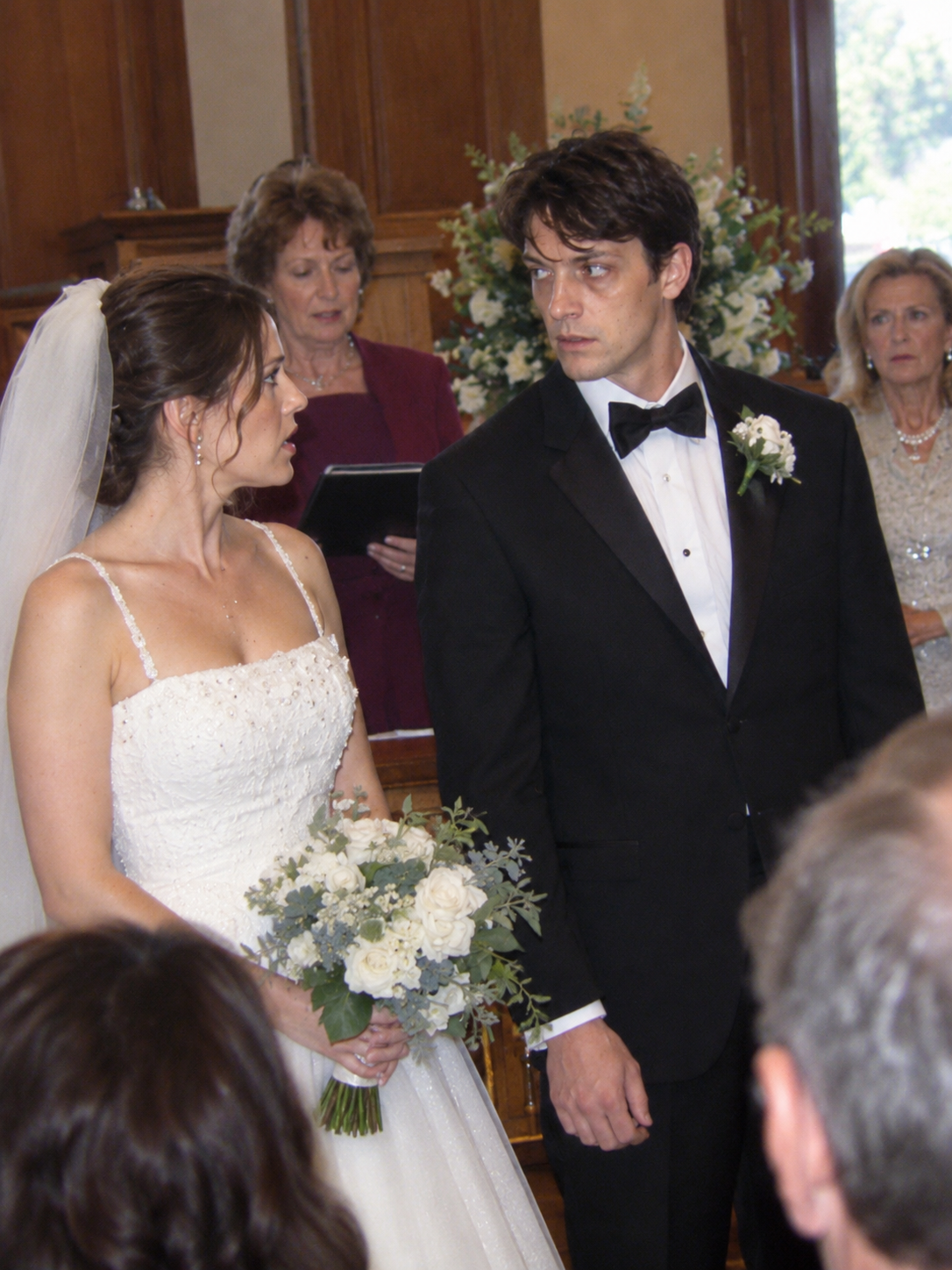
My fiancé’s mother told me he’d lost his voice and asked me not to question him on our wedding day.
My fiancé’s mother told me he’d lost his voice and asked me not to question him on our wedding day....
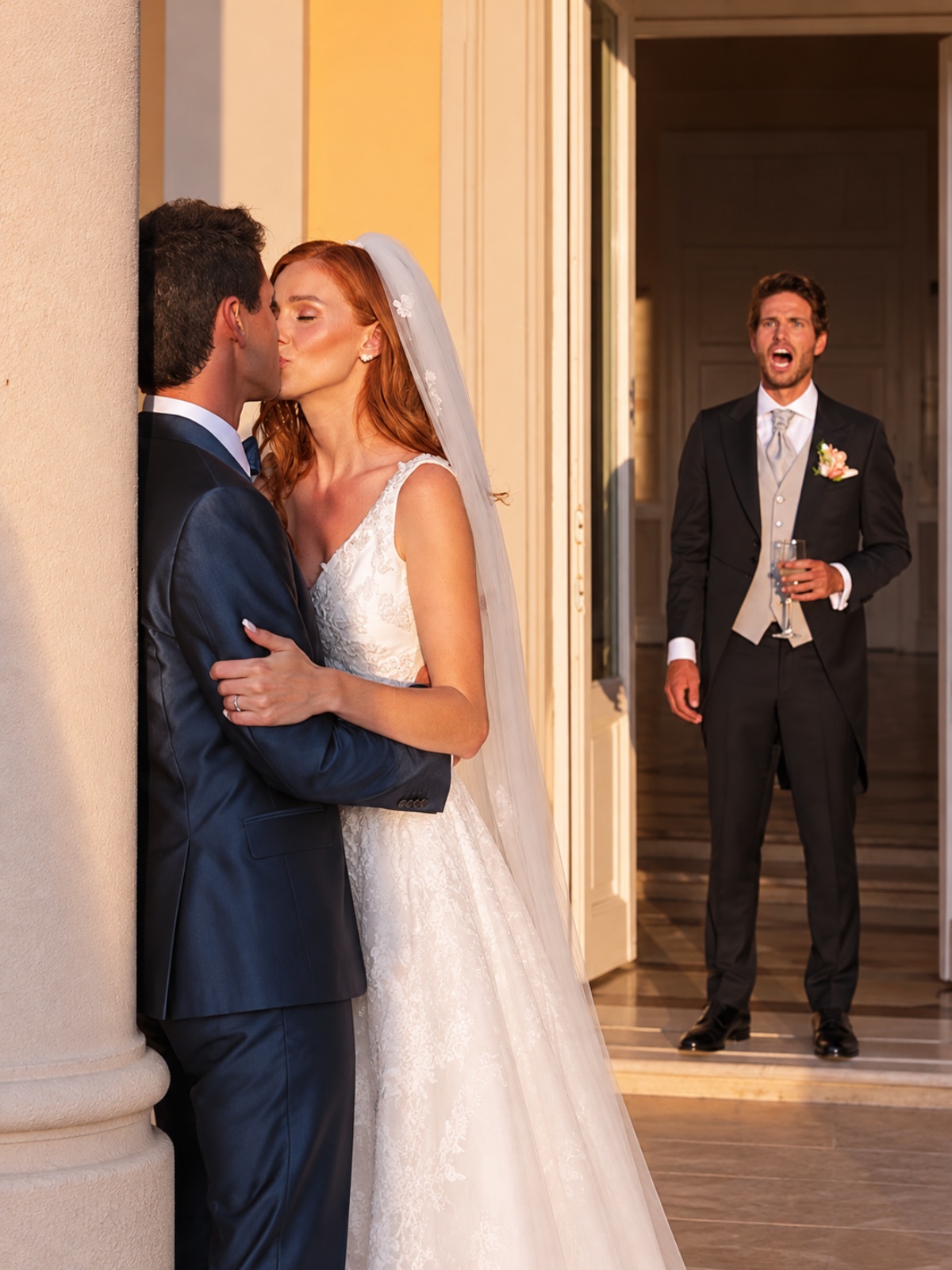
Our Wedding Video Caught Me Kissing His Best Friend… That Kiss Cost Me The Marriage
I Called It One Meaningless Kiss—Then My Husband Opened the Second Folder in Our Wedding Video I kissed my husband’s...
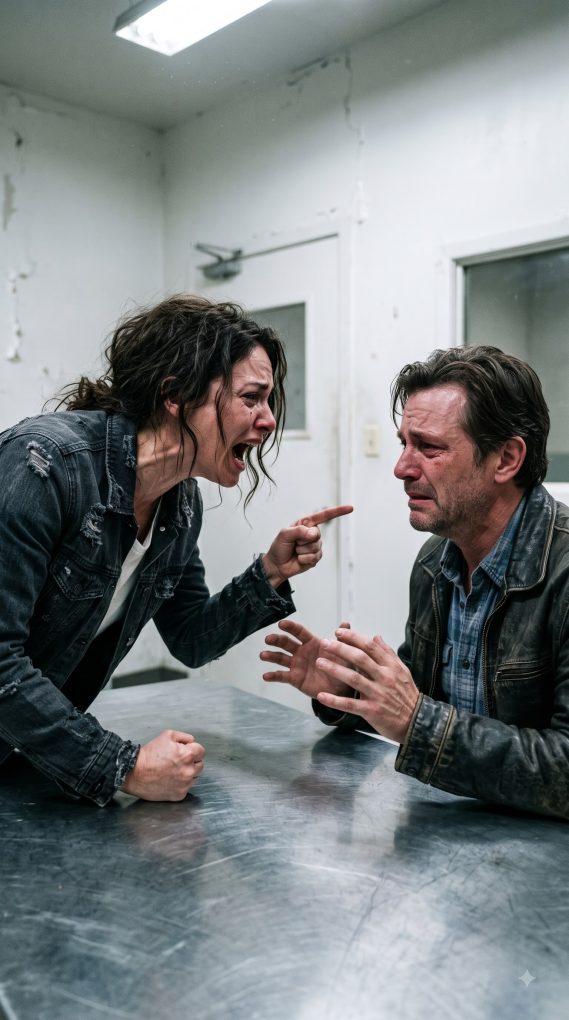
I was a single dad struggling to pay rent. Still, I bought shoes for a crying boy outside a store. The next day, someone knocked on my door and what he said left me in tears.
“Pay by midnight or the locks get changed,” my landlord barked, shoving the eviction notice into my chest. I stood...