AN ELEVEN-YEAR-OLD BOY GAVE HIS ONLY DINNER TO AN ELDERLY COUPLE STRANDED ON A GEORGIA HIGHWAY—THE NEXT MORNING, A STRANGER CAME TO HIS GRANDMOTHER’S DOOR – Life Story
The old woman was shivering in a dead car when eleven-year-old Miles offered her the only hot meal he had.
By the time he ran for help, darkness had swallowed the shoulder of Highway 41, and his grandmother was waiting at home with an empty supper table.
He didn’t know why the old man kept touching a worn keychain—or who would come knocking at his house the next day.
“Don’t come any closer,” the old man called from beside the stalled silver sedan.
Miles Edwards stopped on the gravel shoulder of Highway 41, the warm Styrofoam container pressed against his chest.
He was eleven, Black, wearing a jacket with a broken zipper, and he knew how a stranger’s fear could change the shape of an ordinary evening.
But behind the old man, a woman sat hunched in the passenger seat, her hands tucked under her arms.
The car’s hood was raised.
Its lights were fading.
“I’m not trying to bother you, sir,” Miles said. “I just wanted to see if you needed help.”
The old man looked from Miles to the empty road.
Three vehicles had passed without stopping, their tires hissing against the damp pavement.
It was nearly six, cold enough that every breath showed white, and the nearest open business was more than a mile away.
An abandoned gas station crouched across the road, its windows covered with plywood.
“We’ve called for assistance,” the man said.
“Did somebody answer?”
A pause. “No signal.”
Miles glanced at the woman’s face through the glass.
She was trying to fasten the collar of a thin cardigan with fingers that didn’t seem to cooperate.
At home, Grandma Ethel used to get the same stiff, clumsy hands when the weather turned.
The sight made his stomach tighten for a reason that had nothing to do with hunger.
“Is the heater working?” he asked.
“The engine won’t turn over.”
“There’s a farmer east of here.
Mr.
Earl.
He has a landline, and he fixes tractors.”
The old man looked at the darkening sky. “How far?”
“About a mile and a half.”
“That’s too far for you to go alone.”
He had been on his way home with dinner from Mr.
Deacon’s grocery store, a box of fried chicken, greens, and cornbread the shopkeeper had pressed into his hands.
There wasn’t much in Grandma Ethel’s kitchen.
Miles had planned to save her the biggest piece and pretend he’d eaten at the church.
The passenger door opened.
The woman lowered one sensible brown shoe to the pavement and tried to stand.
“Margaret, stay inside,” the man said.
“Harold, I can’t feel my fingers.”
Miles set his backpack on the ground.
One strap was repaired with safety pins.
Instead he stepped back, giving her room, and opened the food container.
Steam curled above the chicken.
He had been thinking about that smell for twenty minutes.
His stomach gave a sharp, embarrassing growl, loud enough that he hoped neither stranger heard it.
“Here, ma’am,” he said. “You can have this while I get help.”
Margaret looked at the meal.
Then at the boy’s cracked shoes. “Sweetheart, that’s your supper.”
“I ate already.”
It was a lie.
He’d had a school lunch hours earlier, and he didn’t know whether there would be enough at home for breakfast.
But he could see Margaret shivering, and his mother’s voice came back to him as clearly as if she were standing beside the car: You can’t fix everything, Miles.
Fix what you can.
“Please,” he said, holding the box closer. “It’s still warm.”
Harold reached into his pocket and closed his hand around a small metal keychain.
Something moved in his expression, too quickly for Miles to understand.
The old man looked at his wife, then at the food, as if he’d discovered that the three of them were standing in the middle of a question nobody had prepared him to answer.
Margaret accepted the container with both trembling hands.
Then she said, very softly, “Miles, when did you last eat?”
THE MILE BETWEEN THEM
Miles looked at the road.
A tractor-trailer passed in the opposite lane, sending a rush of wind through the weeds along the shoulder.
He waited until its red taillights disappeared before answering.
“Lunch at school.”
Margaret’s expression changed.
“And this was dinner?”
“Yes, ma’am.”
She started to hand the container back.
Miles stepped away.
“Please keep it.
Mr.
Deacon makes the best chicken in town.
Even Grandma says so, and she complains about everything being too salty.”
The joke came out awkwardly, but Margaret smiled.
Harold studied the boy with an expression Miles couldn’t understand.
“What’s your name, son?”
“Miles Edwards.”
“I’m Harold Whitmore.
This is my wife, Margaret.”
“Nice to meet you, sir.
I wish it was somewhere warmer.”
Margaret laughed softly, and for a moment the fear around the broken car eased.
Then she shivered again.
Miles looked toward the farm road leading east.
“Mr.
Earl has a phone,” he repeated. “His house is past the old feed mill.
If I run, I can get there before it’s completely dark.”
Harold shook his head.
“Absolutely not.
You’re a child.
We can wait.”
“For what?”
The question wasn’t rude.
Miles genuinely wanted to know.
Harold glanced toward the highway.
Another car passed without slowing.
He didn’t answer.
Miles pointed to a narrow service lane running parallel to the highway.
The lane was separated from traffic by a drainage ditch and a strip of trees.
“That’s how I get to Mr.
Earl’s.
I don’t have to run beside the big road.”
Harold looked down the lane.
“Do your parents know you’re out here?”
“My grandma knows I’m coming home.”
“Then she must be waiting.”
“She probably is.”
Miles imagined Ethel on the front porch, watching the road with her old blue blanket around her shoulders.
He hated worrying her.
But he couldn’t leave Margaret sitting in a car that was growing colder.
He slipped his backpack over one shoulder.
“Sir, you don’t have to give me anything.
I just need to borrow your first names so Mr.
Earl knows who he’s coming for.”
Harold stared at him.
Then he gave a reluctant nod.
“Harold and Margaret Whitmore.”
Miles repeated the names to remember them.
“Okay.
I’ll tell him.”
“Wait.”
Harold removed his wool scarf.
“Take this.”
Miles shook his head.
“You need it.”
“I have a coat.”
Miles looked at the expensive dark overcoat and accepted the scarf.
It was soft, warm, and smelled faintly of cedar.
“Thank you, sir.”
Then he ran.
His sneakers struck the cracked pavement of the service lane.
The food smell lingered on his fingers.
He pulled Harold’s scarf around his neck and kept moving.
At the first bend, he glanced back.
The silver car was barely visible through the trees.
Margaret was still sitting inside.
Harold stood beside her door, watching Miles disappear.
The old man remained there long after the boy was gone.
“Harold,” Margaret called, “please get in.”
He climbed into the driver’s seat.
The interior had grown cold.
Margaret had eaten a little chicken and was keeping the container carefully balanced on her knees.
“It’s good,” she said.
Harold nodded.
“You don’t have to pretend you’re not hungry too.”
“I’m not hungry.”
“That’s what the boy said.”
Harold looked at her.
She gave him a sad little smile.
He reached into his pocket again.
The keychain was dull silver, worn smooth around the edges.
Two letters had been engraved on one side.
D.W.
Daniel Whitmore.
Their only son.
Harold rubbed his thumb across the initials.
Margaret noticed.
“You’re thinking about him.”
“I always think about him.”
“I know.”
Harold looked toward the dark service road.
“When Daniel was ten, he gave his new winter coat to a classmate.
Came home in a sweatshirt in the middle of January.”
Margaret nodded.
“And you were furious because you’d spent too much on the coat.”
“I told him he couldn’t keep giving away things we bought him.”
“He said the other boy needed it more.”
Harold swallowed.
“I remember.”
For fifteen years, they had carried memories of Daniel through holidays, birthdays, and rooms where his laughter no longer lived.
Their son had been twenty-eight when a congenital heart condition took his life.
Grief had changed both parents.
Margaret had continued her work as a pediatric nurse for several years before retiring.
Harold had buried himself in Whitmore Capital Partners, the investment company he founded decades earlier.
Eventually, even work stopped helping.
He had created a charitable foundation in Daniel’s memory, hoping to support young people whose families lacked the opportunities his son had enjoyed.
The foundation did good work.
But Harold had never stopped feeling that there was something unfinished between himself and the world.
Now a hungry child had given Margaret his dinner.
And Harold didn’t know what to do with the feeling it brought back.
At Mr.
Earl’s farm, Miles reached the porch with his chest aching and his breath coming in sharp bursts.
He knocked three times.
Nothing.
He knocked again.
A light came on inside.
“Who is it?”
“It’s Miles Edwards!”
The door opened.
Earl Patterson, sixty-three, broad-shouldered and wearing overalls over a faded sweatshirt, looked down at the boy.
“Miles? What on earth are you doing out here this late?”
“There’s an old couple near the gas station.
Their car broke down, and the lady’s real cold.”
Earl’s expression became serious.
“Anybody hurt?”
“No, sir.
But their phones don’t work.”
“Hold on.”
Earl reached for his landline and called the county’s nonemergency dispatch number to report the stranded motorists.
Then he grabbed his truck keys and a thick blanket from the hallway.
“You get in the truck,” he told Miles.
Miles climbed into the passenger seat.
Earl turned the heater up.
“Your grandma know where you are?”
“No, sir.”
Earl gave him a look.
“We’ll call her as soon as we get those folks somewhere safe.”
“Yes, sir.”
“You had any supper?”
Miles looked down.
Earl sighed.
“That’s what I thought.”
Twenty-two minutes after Miles had disappeared down the service road, headlights rolled into the abandoned station lot.
Harold stepped out as Earl’s old pickup stopped beside the sedan.
Miles jumped down.
“Mr.
Whitmore! This is Mr.
Earl.”
Earl shook Harold’s hand.
“Evening.
Heard you had some trouble.”
“I’m very grateful you came.”
“Let’s take care of your wife first.”
Margaret accepted the blanket and climbed into the warm truck.
Earl checked the sedan’s battery and electrical connections.
He managed to get it started with a portable jump pack, but the charging warning remained lit.
“Don’t drive it far,” he warned. “Looks like the alternator may be failing.
Best to have it towed and checked.”
Harold nodded.
Earl called a tow service from his phone.
While they waited, Margaret sat in the warm truck with Miles.
She studied his face.
“You said you ate.”
Miles looked embarrassed.
“I did eat lunch.”
“That’s not quite the same thing.”
“No, ma’am.”
She opened the food container.
There was still a piece of chicken and some cornbread left.
“Then you’ll help me finish this.”
Miles hesitated.
Margaret raised an eyebrow.
“I was a nurse for forty years, young man.
I’m very good at knowing when someone is hungry.”
Miles smiled.
They shared the food.
When Harold returned, he found his wife laughing at something Miles had said about his grandmother’s cooking.
For the first time that evening, Margaret looked warm.
Harold reached for his wallet.
“Miles, I owe you a great deal.”
“No, sir.”
“At least let me give you something for dinner.”
Miles shook his head.
“Mr.
Deacon gave it to me.
It wouldn’t be right to sell it.”
Harold paused.
“You gave away food somebody gave you?”
“Yes, sir.”
“Why?”
Miles looked puzzled.
“Because she was cold.”
Harold took out several bills.
Miles didn’t reach for them.
“My mama used to say kindness isn’t something you sell,” he said. “It’s something you give away.”
Harold slowly returned the money to his wallet.
He had spent his life negotiating acquisitions, convincing investors, and making decisions involving sums too large for most people to imagine.
He had forgotten how to answer a child who refused a reward.
“Can we thank your family properly?” Margaret asked.
Miles gave them his grandmother’s name and told them where he lived, near the railroad tracks on the south side of town.
Harold repeated the street name.
Then he took off the scarf Miles was still wearing.
Or rather, he tried to.
Miles caught it.
“Oh, I forgot.”
Harold shook his head.
“Keep it.”
“But it’s yours.”
“And now it’s yours.”
Miles looked at the scarf.
Unlike money, it seemed to be something he could accept without changing what he’d done.
“Thank you.”
Earl drove Miles home after the tow truck arrived.
They stopped outside a blue house with peeling paint and porch steps that had sunk unevenly into the ground.
Ethel Edwards was waiting.
Her expression moved from relief to alarm when she saw Earl’s truck.
“Miles Edwards!”
Miles climbed down.
“I’m okay, Grandma.”
“Do you have any idea how worried I’ve been?”
Earl stepped out.
“He helped a stranded couple, Miss Ethel.
Ran all the way to my place for help.”
Ethel looked at the scarf around Miles’s neck.
Then at his empty hands.
“Where’s the food?”
Miles swallowed.
“I gave it to the lady.”
Ethel closed her eyes.
Earl cleared his throat.
“I can bring something over.”
Ethel straightened.
“Thank you, Earl.
We have enough for tonight.”
Miles knew what was in the kitchen.
A few beans.
Half a loaf of bread.
Some oatmeal.
But he also knew better than to argue about the contents of the cupboard in front of a neighbor.
Earl squeezed his shoulder.
“You did a good thing tonight, son.
Next time, call your grandmother before you run off.”
“I will.”
After Earl left, Ethel opened the screen door.
“Come inside.”
Miles followed.
The kitchen light hummed overhead.
Ethel warmed the beans and divided them between two chipped bowls.
She placed the larger portion in front of Miles.
He noticed.
So did she.
Neither mentioned it.
When they finished, Ethel reached across the table.
“Tell me what happened.”
Miles told her everything.
The dead car.
The frightened old man.
The shivering woman.
The run to Earl’s farm.
The offer of money.
When he finished, Ethel sat quietly.
Then she said, “Your mother would have been proud.”
Miles looked toward the photograph on the wall.
His mother, Renee Edwards, smiling while holding him as a baby.
She had died two years earlier after a long illness.
Miles missed her most at ordinary moments.
When his shoes needed replacing.
When he brought home a good grade.
When Grandma Ethel laughed at something on television and he turned, just for a second, expecting his mother to be sitting beside her.
“Do you think Mama saw?” he asked.
Ethel’s eyes shone.
“I think she taught you well enough that part of her was there.”
Miles touched the little silver cross beneath his shirt.
It had belonged to Renee.
Ethel stood with difficulty and began washing the bowls.
Miles hurried to help.
“Sit down, Grandma.
I’ll do those.”
She watched him move toward the sink.
“You’re still hungry, aren’t you?”
Miles didn’t answer.
Ethel understood.
She looked toward the cupboard, then toward the dark window.
“I wish you didn’t have to make choices like that,” she whispered.
Miles turned.
“What choices?”
“Between being kind and having enough.”
He dried his hands on a towel.
“Mama said do what you can.”
“I know, baby.”
Ethel pulled him close.
“But she never meant you had to give away every last thing to be a good person.”
Miles held her.
For the first time that evening, he let himself feel how tired he was.
Across town, Harold and Margaret Whitmore settled into a small hotel after their car was taken to a repair shop.
Margaret placed the empty food container beside the television.
Harold looked at it.
“Why are you keeping that?”
“I don’t know.”
She sat on the bed.
“Maybe because somebody gave us something without knowing who we were.”
Harold pulled out his phone.
His foundation’s executive director, Patricia Owens, answered on the third ring.
“Mr.
Whitmore? Is everything all right?”
“We’re fine.
Patricia, something happened tonight.”
“Do you need assistance?”
“No.
But I want to talk to you about a boy named Miles Edwards.”
Margaret watched her husband carefully.
“Harold,” she said when he finished the call, “please remember he’s a child.”
“I know.”
“He isn’t Daniel.”
Harold looked at the silver keychain in his palm.
“I know that too.”
But as he placed it on the nightstand, he realized he had spent fifteen years looking backward.
And for the first time, something on the road ahead had caught his attention.
THE HOUSE BY THE TRACKS
Miles woke before sunrise.
A freight train moved slowly through the neighborhood, its wheels rattling the kitchen windows.
The sound had been part of his life for as long as he could remember.
He dressed quietly and checked the cupboard.
Oatmeal.
Two cans of beans.
A little peanut butter.
He made breakfast for Ethel and left a note beside her medicine.
Gone to school.
Love you, Grandma.
Don’t forget your pills.
He drew a crooked heart beneath it.
Then he put Harold’s scarf in his backpack.
It was too fine to wear to school.
Somebody might ask where he got it.
Miles was in the sixth grade at Jefferson Middle School, a brick building with aging windows and hallways that smelled of floor wax.
His teacher, Ms.
Taylor, was handing back history tests when he arrived.
She placed his paper face down on his desk.
Miles turned it over.
Ninety-eight.
He smiled.
Ms.
Taylor leaned closer.
“You missed one question.”
“I know.”
“You know?”
“I remembered the right answer after I turned it in.”
She laughed.
“That’s usually when the best answers arrive.”
Miles folded the paper carefully and slid it into his notebook.
He wanted to show Ethel.
His friend Deshawn Carter leaned across the aisle.
“What’d you get?”
“Ninety-eight.”
“Man, you make the rest of us look bad.”
“You got a ninety-one.”
“Exactly.
Terrible.
My future is ruined.”
Miles laughed.
At lunch, he moved through the free-meal line and accepted a tray with a sandwich, an apple, and a carton of milk.
He ate slowly.
Deshawn watched him.
“You saving that apple?”
“No.”
“Then why you holding it like somebody’s gonna steal it?”
Miles took a bite.
“Trying to enjoy it.”
Deshawn rolled his eyes.
“Man, you’re strange.”
Miles grinned.
He liked Deshawn because his friend teased him without making him feel small.
After school, Miles went to the library.
The computer in the back corner was old, but it worked if he waited long enough.
He searched for scholarships and summer science programs.
Some were for high school students.
Some were for college.
Miles copied the names into his notebook anyway.
He had a plan.
He wanted to become a doctor.
He wanted Grandma Ethel to have whatever medicine she needed.
And he wanted to live in a house where nobody had to listen for rain dripping through the ceiling.
At three thirty, he started home.
There was a black SUV parked near the corner of his street.
He noticed it because nobody on his block owned a vehicle quite that polished.
A woman stood beside it, speaking on the phone.
When Miles reached the porch, Ethel was already at the door.
“Baby, come inside.”
Her voice sounded strange.
Miles stepped into the living room.
“What’s wrong?”
“Somebody called from a foundation this morning.
Said they wanted to thank you for helping those folks.”
Miles stopped.
“The old couple?”
“That’s what she said.”
“Did they make it home?”
“Apparently.”
Ethel sat down slowly.
“I told her she could come by, but I wasn’t agreeing to anything.”
Miles looked toward the window.
The woman beside the SUV had ended her call.
She approached the porch carrying a leather folder.
A moment later, there was a knock.
Ethel opened the door but kept the screen closed.
“Can I help you?”
“Mrs.
Edwards? My name is Patricia Owens.
I’m the executive director of the Daniel Whitmore Second Chance Foundation.”
She held up identification and a business card.
“I spoke with you earlier.”
Ethel studied the card.
“You’re the lady who called.”
“Yes, ma’am.”
Patricia glanced at Miles.
“And you must be Miles.”
“Yes, ma’am.”
“I heard you had quite an evening.”
Miles smiled shyly.
“I just helped with their car.”
Patricia’s expression softened.
“That’s how Mr. and Mrs.
Whitmore described it too.”
Ethel opened the screen door.
“You can come in for a few minutes.”
Patricia stepped inside.
She didn’t stare at the old furniture or the patched curtains.
She waited until Ethel offered her a chair.
Miles sat beside his grandmother.
“First,” Patricia said, “Harold and Margaret wanted you to know they’re home safely.
Their car is being repaired.
They asked me to thank you again.”
Miles relaxed.
“I’m glad.”
“Second, they’d like to visit you and your grandmother, if you’re comfortable with that.”
Ethel folded her hands.
“Why?”
Patricia considered her answer.
“Because what Miles did meant a great deal to them.
Mr.
Whitmore also runs a charitable foundation, and he believes there may be ways to help this community.”
Ethel’s expression became guarded.
“What kind of foundation?”
Patricia opened the folder.
She showed Ethel a printed description of the organization, its public website, and a copy of its most recent annual report.
The foundation supported education, healthcare access, and community development projects in underserved areas.
Ethel read slowly.
Then she looked up.
“Whitmore Capital Partners?”
Patricia nodded.
“Yes.”
Ethel recognized the name.
She had spent thirty years working as a nursing assistant and later a licensed practical nurse.
She had seen the name attached to a hospital donation drive years earlier.
“That man from the highway?”
“Yes, ma’am.”
Miles looked between them.
“Is he famous?”
Patricia smiled.
“In some circles.”
“What circles?”
“Investment and business.”
“How big?”
Patricia paused.
“Quite big.”
Miles frowned.
“Like he owns a store?”
Ethel gave a small laugh.
“Baby, I think he owns a little more than a store.”
Patricia explained that Harold had founded an investment firm managing billions of dollars for clients and private investors.
His personal wealth was substantial, although much of the money associated with his company belonged to other people.
Miles listened.
Then he asked the question that mattered to him.
“Was Mrs.
Whitmore really cold, or was she just scared?”
Patricia’s expression changed.
“She was very cold.
She has circulation problems, and the car lost power.”
Miles nodded.
“Okay.”
Patricia watched him.
“That’s what you’re worried about?”
“Yes, ma’am.”
Ethel looked down at her hands.
Patricia turned another page.
“Mr.
Whitmore lost his only son fifteen years ago.”
The room quieted.
“His name was Daniel.
He was twenty-eight.”
Miles glanced toward the photograph of his mother.
“What happened?”
“He had a heart condition.”
Miles lowered his eyes.
“I’m sorry.”
“Thank you.”
Patricia explained that Daniel had spent much of his life volunteering, tutoring younger students, and supporting families struggling with medical expenses.
After his death, Harold and Margaret established a foundation in his memory.
For years, it funded programs across Georgia.
But the couple rarely visited the recipients personally.
Something about the evening on Highway 41 had changed that.
“Mr.
Whitmore says your kindness reminded him of Daniel,” Patricia said.
Miles thought about the keychain.
The letters.
D.W.
Now he understood.
He reached into his backpack and touched the scarf.
Patricia continued.
“The Whitmores would like to meet with you and discuss some ideas.
Nothing has to be decided today.”
Ethel looked directly at her.
“And if we say no?”
“Then that’s the end of it.”
“You won’t be upset?”
“Mrs.
Edwards, it’s your home.
Miles is your grandson.
Nobody should make you feel you have to accept attention you don’t want.”
Ethel relaxed slightly.
“Good.”
Miles looked at Patricia.
“Can I ask something?”
“Of course.”
“Did Mr.
Whitmore want to give me money because I helped them?”
“He wants to express his gratitude.”
“But I told him I didn’t do it for money.”
Patricia nodded.
“I know.”
“Then I don’t want him to think I changed my mind.”
Ethel put a hand on his shoulder.
Patricia leaned forward.
“Miles, accepting help and selling kindness aren’t the same thing.
But you and your grandmother have every right to decide what you’re comfortable with.”
Miles considered that.
He didn’t understand the legal documents or the size of Whitmore Capital Partners.
He understood his grandmother’s worn shoes.
He understood the empty cupboard.
He also understood how easily someone with money could make another person feel indebted.
“Can Grandma come to every meeting?” he asked.
Patricia smiled.
“Absolutely.”
“And can Mr.
Deacon come if we talk about the neighborhood?”
“Why Mr.
Deacon?”
“Because he knows what everybody needs.”
Patricia wrote the name down.
Ethel watched her.
“You really mean that?”
“Yes.”
“Then tell Mr.
Whitmore he can come tomorrow afternoon.”
Patricia nodded.
“I will.”
Before leaving, she handed Ethel a folder of information.
“Please take your time reading it.
You can call me with questions.”
At the door, Miles stepped forward.
“Miss Patricia?”
“Yes?”
“Will Mrs.
Whitmore be there too?”
“She wouldn’t miss it.”
Miles smiled.
“Good.
I want to make sure she liked the cornbread.”
Patricia laughed.
After she left, Ethel sat beside Miles and opened the foundation’s brochure.
Photographs showed classrooms, clinics, and community centers.
There was a picture of Harold and Margaret standing beside a young man with dark hair and kind eyes.
Daniel.
Miles studied the photograph.
He didn’t think he looked like Daniel.
But he recognized something in the way Daniel was smiling.
It reminded him of his mother.
Ethel closed the folder.
“Baby, I need you to understand something.”
“Yes, Grandma?”
“Those folks may have a lot of money, but that doesn’t mean they get to make decisions about you.”
“I know.”
“And if anybody tries to make you feel like you owe them your whole life, you tell me.”
“I will.”
She looked toward the window.
The black SUV was gone.
For the first time since his mother died, Miles felt that something might be changing.
But change had always frightened Ethel.
Sometimes it arrived with promises.
And sometimes promises became another way for people to take what little you had.
She placed the foundation’s folder on the table.
Then she said something Miles remembered long afterward.
“Tomorrow, we listen carefully before we say yes to anything.”
WHAT THE MONEY COULDN’T BUY
Harold Whitmore returned the following afternoon.
He wore brown slacks, a simple sweater, and a dark coat that Miles recognized from the highway.
Margaret carried a covered dish.
Patricia accompanied them, but she remained near the door until Ethel invited everyone inside.
Margaret smiled at Miles.
“How’s my favorite roadside hero?”
Miles turned red.
“I’m not a hero.”
“You certainly helped us.”
“I just ran to Mr.
Earl’s.”
“And shared your dinner.”
Miles looked at the dish.
“What’s that?”
“Chicken and rice casserole.”
He grinned.
“Did you cook it?”
“I did.”
“Does Mr.
Whitmore like it?”
Harold laughed.
“I’ve been eating it for forty-six years.
If I didn’t like it, I’d have found a very expensive way to hide the evidence.”
Margaret shook her head.
“He complains about the onions every time.”
The room relaxed.
Ethel brought out four mismatched plates.
Harold offered to help.
She handed him the silverware without ceremony.
Miles watched a wealthy man set the table in his grandmother’s kitchen.
The sight seemed stranger than anything Patricia had explained.
After lunch, Harold asked whether they could sit together.
He placed a small photograph on the table.
Daniel stood in front of a community center, holding a stack of books.
He looked about Miles’s age in the picture.
“That’s my boy,” Harold said.
Miles leaned closer.
“He liked reading?”
“Loved it.
Used to take books to every family gathering.”
“I do that too.”
Harold smiled.
“I heard you’re good in school.”
Miles glanced at Ethel.
“She tells everybody.”
“Grandmothers are supposed to do that,” Margaret said.
Harold looked at the photograph again.
“After Daniel died, Margaret and I spent a long time trying to figure out what to do with the money we’d set aside for him.”
His voice grew quieter.
“We built the foundation because we wanted something good to come from what we couldn’t change.”
Ethel listened.
“But I need to say something,” Harold continued.
He looked directly at Miles.
“You reminded me of Daniel.
That doesn’t mean you’re supposed to become him.
You have your own life, and I don’t want you carrying a stranger’s expectations.”
Miles nodded slowly.
That mattered to him.
He loved his mother.
He would not have wanted someone else asked to replace her.
Harold turned toward Ethel.
“I’d like to help Miles with his education, if you’ll permit it.”
Patricia opened a folder.
“The foundation can establish an education fund for him.
It would be administered independently, with the terms reviewed by an attorney who represents your interests.”
Ethel looked cautious.
“What does that mean in plain English?”
“It means money can be set aside for Miles’s future schooling, but you won’t have to sign away control of his life to accept it.”
Harold nodded.
“No one should be deciding his career at eleven.”
Miles looked surprised.
“I want to be a doctor.”
“That’s a fine ambition.”
“Or maybe an engineer.”
“Also fine.”
“Or a scientist.”
Harold smiled.
“You have time.”
Patricia continued explaining.
The foundation proposed setting aside funds for qualified educational expenses, with additional support available for college or professional training under an independently administered agreement.
It also offered to establish a modest trust for Miles’s future needs, subject to protections appropriate for a minor.
Ethel read the documents carefully.
“I want somebody to look at these before I sign.”
“Of course,” Patricia said.
The local legal-aid office could help arrange independent advice, and the foundation would cover reasonable review costs without dictating the advice.
Ethel seemed satisfied.
Then Harold turned toward her.
“Mrs.
Edwards, Margaret told me you worked in healthcare.”
“Thirty years.”
“That’s quite a career.”
Ethel smiled faintly.
“Some days it felt like fifty.”
Margaret laughed.
“Tell me about it.”
They talked about night shifts, difficult patients, and the strange things children said when they were frightened.
Margaret understood Ethel in a way Harold couldn’t.
Soon they were discussing arthritis, blood pressure, and the difficulty of arranging appointments without reliable transportation.
Patricia explained that the foundation could connect Ethel with a patient advocate to review insurance and public-benefit eligibility and arrange financial assistance for necessary care.
It would also consider funding home repairs through an established housing program.
Ethel looked around her living room.
“This house belonged to my parents.”
Harold nodded.
“Then it should remain yours.”
“We don’t want anybody buying it out from under us.”
“No one will.”
Ethel studied him.
“You say that now.”
Harold met her eyes.
“Then put it in writing.”
That answer impressed her.
She wasn’t accustomed to wealthy strangers inviting her to insist on a legal boundary.
Patricia wrote it down.
Afterward, Harold asked Miles if he could show him the neighborhood.
They walked slowly along the sidewalk, Ethel and Margaret following.
Miles pointed out Mr.
Deacon’s grocery store.
The refrigerated case near the back was broken, and the front windows had been repaired with mismatched panes.
“Mr.
Deacon gives away food when people need it,” Miles explained.
Harold looked through the window.
“Does he?”
“Yes.
Sometimes he says he made too much, but I think he does it on purpose.”
They continued toward Oak Street Church.
A blue tarp covered part of the roof.
“The church gives out lunches,” Miles said. “But when it rains, they have to move the tables because water comes through.”
Harold stopped.
“Does the town have a food assistance program?”
“Some.”
“What about a place where people can get help with other things?”
Miles pointed toward the abandoned gas station near the highway.
“Used to be a store there.
Now it’s just empty.”
Harold looked at the building.
The windows were boarded.
Grass pushed through cracks in the pavement.
“What would you do with it?” he asked.
Miles thought for a moment.
“Maybe make a place where people could eat when they’re hungry.
And have a phone if their car breaks down.”
Harold smiled.
“That last part sounds familiar.”
Miles grinned.
Then his expression grew serious.
“Can I ask you something?”
“Of course.”
“Why doesn’t somebody help places like this already?”
Harold looked toward the closed station.
He had funded large projects in Atlanta, Savannah, and other cities.
He understood investments.
He understood balance sheets.
But a child was asking him about a small community beside a highway where he had driven past problems for years.
“Sometimes people don’t see what they aren’t looking for,” he said.
Miles considered that.
“Then maybe they should look.”
Harold didn’t answer immediately.
The sentence stayed with him.
That evening, Patricia returned with a preliminary proposal.
The foundation was considering a five-million-dollar commitment over five years for education, healthcare access, small-business assistance, and community facilities.
The money would be managed through a transparent grant program, with local representation and independent oversight.
Harold asked Miles what he thought.
Miles looked at the papers.
“That’s a lot of money.”
“Yes.”
“Can it buy books?”
“It can.”
“Medicine?”
“Under the right programs, yes.”
“Fix Mr.
Deacon’s refrigerators?”
“If his business qualifies for the assistance program.”
Miles nodded.
“Okay.”
Harold smiled.
“That’s all?”
Miles thought again.
“Can somebody from here help decide where it goes?”
Patricia looked at him with interest.
“Why?”
“Because people from here know what needs fixing.”
Harold glanced at Patricia.
“That seems reasonable.”
Ethel watched her grandson carefully.
She knew he was not trying to impress anyone.
He was imagining how to make a place he loved a little easier to live in.
The following week, contractors inspected the Edwards house.
A healthcare advocate helped Ethel arrange a specialist appointment.
The foundation began discussing the neighborhood investment proposal with local leaders.
For a few days, everything felt almost impossibly hopeful.
Then Harold’s nephew learned how much money his uncle intended to commit.
Victor Whitmore was forty-one, well dressed, and accustomed to being treated as the person who would eventually manage the family’s charitable interests.
He had served on a foundation committee for years.
He knew the investment portfolio.
He understood the donors.
And he believed that Harold’s generosity was becoming unpredictable.
At first, he expressed concern through ordinary channels.
Five million dollars was a significant commitment.
A grant that size required planning, risk assessment, and board oversight.
He was not wrong about that.
But his concern sharpened when he learned that a child had helped inspire the proposal.
He called Harold.
“Uncle, are we really restructuring our entire grant calendar because of a roadside incident?”
Harold was sitting at his desk.
“We’re evaluating an underserved community.”
“You’re spending millions because a boy gave Margaret dinner.”
“That’s not the only reason.”
“It’s the reason you’re interested.”
Harold paused.
“Yes.
It got my attention.”
Victor exhaled.
“You’ve been saying for years that Daniel’s foundation must be managed professionally.”
“And it will be.”
“Then let the board decide.”
“I intend to.”
Victor’s voice softened.
“I know you miss Daniel.”
Harold’s expression changed.
“Don’t use my son to make your argument.”
“I wasn’t.”
“You were.”
Victor went quiet.
After the call, he looked at the foundation’s preliminary proposal.
The numbers were larger than he had expected.
More importantly, the plan shifted resources toward a community outside his preferred network of established charitable partners.
It also threatened his belief that he understood what the Whitmore name should represent.
He began asking questions.
Not all of them were unreasonable.
But soon the questions became accusations.
And then Victor decided to visit the Edwards family himself.
THE ENVELOPE ON THE TABLE
Victor arrived on a Thursday afternoon while Miles was at school.
His black Mercedes stopped in front of the blue house.
He stepped onto the porch and knocked.
Ethel opened the screen door.
“Can I help you?”
“Mrs.
Edwards?”
“Yes.”
“Victor Whitmore.
Harold Whitmore’s nephew.”
Ethel looked at him carefully.
He wore an expensive gray suit and carried a slim leather portfolio.
“I didn’t know you were coming.”
“I hoped we might speak privately.”
“About what?”
“My uncle’s foundation.”
Ethel didn’t open the door any wider.
“Did Patricia send you?”
Victor hesitated.
“No.
This is a family matter.”
“Then I don’t see why you need to discuss it with me.”
He smiled tightly.
“Mrs.
Edwards, I understand you’re concerned about your grandson’s future.
So am I.”
Something in his voice troubled her.
She stepped onto the porch and closed the door behind her.
“Say what you came to say.”
Victor looked toward the street.
“My uncle is seventy-four.
He’s a generous man, but recent years have been difficult.”
Ethel said nothing.
“He lost his only son.
I don’t think he’s ever completely recovered.”
“Most parents wouldn’t.”
“Exactly.
And that makes him vulnerable.”
Ethel’s face hardened.
“Vulnerable to what?”
“Emotional decisions.
People who understand how to appeal to his grief.”
She stared at him.
“Are you talking about Miles?”
Victor lifted one shoulder.
“I’m talking about the situation.”
“My grandson helped your uncle and his wife on the highway.”
“I know the story.”
“Then you know enough.”
Victor opened his portfolio.
“I’d like to offer a private resolution.”
He removed an envelope and a typed agreement.
Ethel looked down.
The document offered fifty thousand dollars in exchange for an agreement that the Edwards family would refuse further personal assistance from Harold Whitmore and would not contact him or the foundation about the incident.
It also contained confidentiality provisions.
Ethel read the first page twice.
Then she looked up.
“You think I’m going to sign this?”
“It’s a substantial amount of money.”
“That’s not what I asked.”
Victor’s smile faded.
“My uncle is being encouraged to make commitments far beyond what is appropriate.”
“By whom?”
“You know what I mean.”
“No,” Ethel said. “I don’t.”
Victor glanced at the peeling paint on the porch railing.
“Mrs.
Edwards, I’m trying to prevent this from becoming complicated.”
She felt anger rise.
The man had never met Miles.
He had never seen him bring home a history test or help her down the porch steps.
Yet he stood there treating the boy as a problem to be managed.
“Take your paper and leave.”
“Please think carefully.
There are legal implications when people seek benefits from an elderly man.”
Ethel’s hands began to tremble.
“Are you threatening my family?”
“I’m explaining a risk.”
“Get off my porch.”
Victor closed the portfolio.
“I’ll leave the agreement.
You have forty-eight hours to consider it.”
Ethel did not touch the envelope.
He placed it on the small table beside her rocking chair.
Then he walked away.
She watched the Mercedes disappear.
Only after it turned the corner did she sit down.
Her knees ached.
Her hands would not stop shaking.
She looked at the envelope.
Fifty thousand dollars.
It was more money than she had ever seen offered to her personally.
Enough to replace the roof.
Enough to pay medical bills.
Enough to keep food in the cupboard for years.
But the agreement demanded something Ethel couldn’t give.
It asked her to declare that the kindness of an eleven-year-old child had become a transaction.
When Miles returned from school, he found her still sitting beside the table.
“Grandma?”
She looked up.
“Come here, baby.”
He saw the envelope.
“What happened?”
She told him.
Miles listened without moving.
When she finished, he looked at the document.
“Does Mr.
Whitmore know?”
“I don’t think so.”
“Then we should tell him.”
Ethel shook her head.
“I don’t want trouble.”
“We didn’t do anything wrong.”
“I know.”
“Then why are we scared?”
She looked toward the window.
“Because people with money can make life difficult for people who don’t have it.”
Miles didn’t answer.
He had seen enough to understand.
He remembered walking toward the silver car.
The old man’s first reaction.
The way strangers sometimes looked at him before they knew his name.
“Grandma,” he said, “I was scared when I went up to their car.”
Ethel looked at him.
“I know.”
“But Mrs.
Whitmore was cold.”
He sat beside her.
“Being scared didn’t mean I had to keep walking.”
Ethel reached for his hand.
“You shouldn’t have to be the brave one every time.”
“Then we’ll do it together.”
They called Patricia.
She listened carefully and asked Ethel to keep the envelope and agreement.
“Please don’t sign anything,” Patricia said.
“I wasn’t planning to.”
“Good.
I’ll notify our counsel and Mr.
Whitmore.
Victor had no authority to approach you on behalf of the foundation.”
Miles leaned toward the phone.
“Is Mr.
Whitmore mad at us?”
Patricia’s voice softened.
“No, Miles.
Not at you.”
That evening, Harold called personally.
His voice sounded tired.
“Mrs.
Edwards, I’m very sorry.”
Ethel sat straight.
“Your nephew came here and tried to frighten me.”
“I know.”
“He talked like my grandson had done something dishonest.”
“I know.”
“Then I want you to understand something.
We didn’t ask you for any of this.”
Harold closed his eyes.
“I understand.”
“No.
I don’t think you do.”
The silence stretched.
Ethel continued.
“My grandson has had enough people leave him.
I’m not going to let somebody make him feel like kindness was a mistake.”
Harold’s voice broke slightly.
“Neither am I.”
He promised to address Victor’s conduct through the foundation’s governance procedures.
But he did not promise that the problem would disappear overnight.
Victor had a formal position.
The foundation had bylaws.
Any removal or disciplinary action needed to follow proper procedures.
Ethel appreciated the honesty.
Still, the family was frightened.
And fear spread faster than reassurance.
Two days later, a local television station aired a story about the proposed Whitmore community investment.
The report described Miles as a poor child whose act of kindness had attracted the attention of a wealthy financier.
It showed the street where the Edwards family lived.
It mentioned the possibility of significant financial assistance.
Ethel had not approved the use of their personal circumstances in that way.
By Monday, people were talking.
Some were pleased.
Others were suspicious.
At school, a boy from another class approached Miles beside the lockers.
“Hey, billionaire.”
Miles kept walking.
The boy followed.
“Gonna buy us all lunch now?”
“I don’t have a billion dollars.”
“That’s not what my dad said.”
Another student laughed.
Miles turned away.
Deshawn caught up with him near the cafeteria.
“Don’t listen to them.”
Miles stared at the floor.
“I didn’t do anything.”
“I know.”
“Then why are they acting like I did?”
Deshawn shrugged.
“People get weird when they think somebody else got something.”
Miles looked at his friend.
“Would you be mad?”
“For what?”
“If I got a scholarship?”
Deshawn considered it.
“Maybe jealous for five minutes.”
Miles looked down.
“Then I’d ask you how to get one too.”
Miles smiled faintly.
“That sounds like you.”
But the attention didn’t stop.
People called the Edwards house.
Some asked for money.
Some wanted to tell Miles their problems.
Others accused the family of exaggerating the story.
Ethel unplugged the telephone one evening because she could no longer bear the ringing.
The foundation’s board also began receiving complaints.
Some alleged that Harold was using charitable funds for personal emotional reasons.
Others questioned whether the grant process was fair.
Victor insisted that a formal review was necessary before any large commitments proceeded.
This time, several board members agreed.
They were not convinced Victor’s accusations were true.
But they believed the foundation needed to demonstrate that its decisions were independent and properly documented.
The community investment proposal was temporarily delayed.
The scholarship arrangements had not yet been finalized.
The housing repairs were paused pending confirmation of program eligibility.
Patricia called Ethel to explain.
“We’re not canceling the assistance,” she said. “But some of the approvals will take longer.”
Ethel looked at the ceiling.
A brown stain had begun spreading near the kitchen light.
The roof was leaking again.
“How much longer?”
“I can’t promise a date yet.”
Ethel thanked her.
Then she sat down at the table.
Miles watched her.
“Is everything okay?”
She tried to smile.
“We’ll manage.”
He knew that answer.
It meant the money wasn’t coming.
It meant the house still needed repairs.
It meant his grandmother would keep pretending she wasn’t worried.
And for the first time, Miles wondered whether helping the old couple had brought more trouble than good.
That thought frightened him more than Victor’s threats.
THE WORST MORNING
Rain began before dawn.
It came hard against the kitchen window, rattling the loose frame and dripping from the ceiling into a metal bowl.
Miles stood on a chair and moved the bowl closer to the leak.
Ethel was sitting at the table, sorting medical bills.
She had received an appointment with a specialist, but transportation and some uncovered costs remained unresolved while the assistance arrangements were being finalized.
“Grandma,” Miles said, “the roof’s getting worse.”
“I know.”
“We could ask Mr.
Earl to put another tarp up.”
“He’s already helped us enough.”
Miles climbed down.
He looked at the papers.
“Did Miss Patricia call?”
“Not yet.”
He nodded.
Outside, a passing train shook the window.
Miles went to his room and pulled out the little notebook where he kept scholarship names and school assignments.
On a blank page, he wrote:
WHAT I WANTED TO FIX.
Underneath, he listed the church roof, the grocery store, the school library, Grandma’s medicine, and a warm place near the highway where stranded travelers could get help.
He stared at the page.
Then he crossed out the heading.
He wrote another.
WHAT I CAN FIX MYSELF.
The page looked almost empty.
He sat there for a long time.
At school, Ms.
Taylor noticed that he wasn’t paying attention.
He had never missed two questions in a row before.
When the other students left for lunch, she asked him to stay.
“Miles, is everything all right at home?”
“Yes, ma’am.”
She waited.
He stared at his desk.
“People keep talking about me.”
“I know.”
“I didn’t ask them to.”
“No, you didn’t.”
He looked up.
“Was it wrong to help those people?”
Ms.
Taylor’s expression softened.
“Why would you think that?”
“Because everybody’s fighting now.”
She sat beside him.
“Miles, you made a choice that night.
Other adults are making choices now.
Those aren’t all your responsibility.”
He looked away.
“What if Grandma loses the help because of me?”
“Then the adults involved need to work out a fair process.
That doesn’t make it your fault.”
Miles rubbed his thumb across the edge of his notebook.
“I wish things were normal again.”
Ms.
Taylor nodded.
“Normal can feel very good when everything else is changing.”
He took a breath.
“Can I go to lunch?”
“Of course.”
She watched him leave.
Then she called Ethel and asked whether the school could offer additional support without putting Miles in the spotlight.
Ethel accepted.
That small kindness mattered.
For days, she had felt as though everyone wanted to discuss the family’s future without asking what the family needed that morning.
Meanwhile, Harold faced an increasingly divided foundation board.
Victor argued that the proposed community investment had been rushed.
He questioned the concentration of funds.
He asked whether local leaders had the experience to oversee major grants.
Some directors agreed that the original plan required stronger controls.
Harold did not deny that.
But Victor pushed further.
He suggested that the Edwards family had deliberately cultivated Harold’s sympathy.
When asked for evidence, he referred vaguely to the publicity surrounding the story.
Patricia challenged him.
“The family did not arrange the media coverage.”
Victor shrugged.
“We can’t know every conversation they’ve had.”
“No,” Patricia replied. “But we can’t turn speculation into a finding.”
The meeting ended without a final decision.
Harold returned home exhausted.
Margaret found him in his study.
He was holding Daniel’s photograph.
“You’re letting Victor get inside your head,” she said.
Harold looked up.
“He’s making the board doubt me.”
“Then give them facts.”
“He’s making everyone question the boy.”
Margaret sat opposite him.
“That’s what worries me.”
Harold rubbed his eyes.
“I wanted to help.”
“I know.”
“Now I’ve brought strangers to their door, reporters to their street, and lawyers into their lives.”
Margaret reached for his hand.
“Then stop trying to make this a beautiful story and start making it a responsible decision.”
He looked at her.
She continued.
“Daniel was our son.
Miles is not.
That family doesn’t owe us a replacement for what we lost.”
Harold’s eyes filled.
“I know.”
“Then prove it.”
The next day, Harold called Ethel.
He asked whether he and Margaret could visit.
Ethel hesitated.
Miles was standing beside her.
He could hear Harold’s voice through the receiver.
“Grandma,” he whispered, “let them come.”
Ethel looked at him.
“Are you sure?”
Miles nodded.
Harold arrived without Patricia or a lawyer.
He carried a small bag from Mr.
Deacon’s grocery store.
Inside were ordinary groceries.
Bread.
Eggs.
Milk.
Fruit.
Ethel looked at the bag.
“You didn’t have to do that.”
“I know.”
Miles stood beside the kitchen table.
“Mr.
Whitmore?”
“Yes, son?”
“Can I ask you something?”
“Anything.”
“Do you wish I’d kept walking?”
Harold stopped.
The question seemed to strike him harder than anything Victor had said.
“No.”
“Because everything got messed up.”
Harold pulled out a chair.
“Sit with me, Miles.”
Miles sat.
Harold lowered himself into the chair across from him.
“I’m seventy-four years old,” he said. “I’ve made decisions that helped people and decisions that hurt them.
I’ve spent a lot of time trying to understand the difference.”
Miles listened.
“When you helped us, you did something good.
What happened afterward was the responsibility of adults who should have been more careful.”
Miles looked at the grocery bag.
“Then why do people think we tricked you?”
“Because some people are frightened when a decision doesn’t benefit them.
Some people don’t understand what happened.
And some people are being given incomplete information.”
Miles nodded slowly.
“Can you fix it?”
Harold took a breath.
“I can tell the truth.
I can follow the rules.
I can ask the board to judge the proposal fairly.”
“But you can’t make them?”
“No.”
Miles looked surprised.
He had imagined that a wealthy man could make almost anything happen.
Harold gave a sad smile.
“Money can open doors.
It can’t make every person inside agree with you.”
Miles thought about that.
Then he asked, “Can I talk to the board?”
Ethel turned sharply.
“Miles—”
“I don’t want to be on television,” he said. “I just want them to hear what actually happened.”
Harold looked at Ethel.
“That would be your decision, Mrs.
Edwards.”
Miles shook his head.
“Mine too.”
Ethel studied her grandson.
He wasn’t asking to become famous.
He wasn’t asking for another gift.
He wanted to tell the truth because people were making decisions about him without listening to him.
She reached for his hand.
“We’ll talk about it together.”
That evening, Ethel opened the drawer where she had placed Victor’s envelope.
She removed the agreement.
Miles looked at it.
“Grandma?”
“Yes?”
“Can we show them that?”
Ethel nodded.
“We can.”
Miles picked up his notebook.
He added one more sentence beneath his list.
I WANT PEOPLE TO HELP BECAUSE HELP IS NEEDED, NOT BECAUSE SOMEBODY WAS ON THE NEWS.
He looked at the words.
Then he closed the notebook.
For the first time in days, he knew what he wanted to say.
WHAT HE CHOSE TO SAY
The foundation’s special meeting took place the following Thursday.
Not in a mansion.
Not in a luxury hotel.
Patricia had reserved a conference room at a community center in Macon so local representatives could attend the public portion of the session without traveling far.
The board’s private legal and financial deliberations would remain confidential.
But members of the Edwards family and several community leaders had been invited to speak before the directors made their final decision.
Miles wore a clean blue button-down shirt and the sneakers he already owned.
Ethel had pressed his collar that morning.
His silver cross rested beneath the fabric.
At the entrance, he stopped.
There were more people than he expected.
Board members.
Foundation staff.
A lawyer.
Mr.
Deacon.
Ms.
Taylor.
Earl Patterson.
Deshawn sat with his mother near the back.
Miles looked at Ethel.
“Grandma, I don’t think I can do this.”
She squeezed his hand.
“You don’t have to.”
“But I want to.”
“Then take your time.”
Harold approached.
He looked older than Miles remembered.
There were deep lines around his eyes.
“Morning, Miles.”
“Morning, sir.”
Harold glanced at Ethel.
“Thank you for coming.”
She nodded.
“We’re here because Miles asked.”
“I understand.”
Patricia opened the meeting.
She reviewed the foundation’s grant procedures, the proposed five-year community investment, and the recommendations from an independent review team.
The reviewers had examined local needs, the proposed budgets, and the foundation’s ability to administer the program responsibly.
Their report supported a phased investment with independent oversight, transparent grant criteria, and a local advisory committee.
The education and housing assistance for the Edwards family would be handled through separate programs with appropriate protections.
The report did not suggest that a child should control millions of dollars.
It suggested that the community should have a voice in how assistance was designed.
Victor sat near the end of the board table.
He listened with a tight expression.
When Patricia finished, he leaned forward.
“We still need to address the circumstances that led to this proposal.”
Harold looked at him.
“Go ahead.”
Victor folded his hands.
“A wealthy donor has an emotional experience.
A family becomes involved.
Public attention follows.
Then a multimillion-dollar commitment appears.”
He paused.
“Any responsible board should question that sequence.”
Patricia nodded.
“Questioning it is appropriate.
Making unsupported accusations is not.”
Victor glanced toward the Edwards family.
“I’m asking whether personal financial interests influenced this situation.”
Ethel stood.
The room quieted.
“I’d like to answer that.”
Patricia looked toward the board chair, who nodded.
Ethel walked slowly to the front.
She carried Victor’s envelope.
Her hands were steady.
“My grandson helped Mr. and Mrs.
Whitmore because they needed help,” she said.
She looked toward Victor.
“Afterward, your nephew came to my house.”
Victor shifted in his chair.
Ethel placed the agreement on the table.
“He offered me fifty thousand dollars if my family would stop contacting his uncle.”
A murmur moved through the room.
Victor straightened.
“That was an attempt to protect the foundation.”
Patricia looked at the document.
“Were you authorized to make that offer?”
Victor hesitated.
“I was acting in the foundation’s interests.”
“That wasn’t the question.”
The board chair requested a copy of the agreement.
Counsel examined it.
Victor had signed the accompanying letter in his own name, referring to his foundation position.
The document had not been approved through any foundation process.
Ethel continued.
“I didn’t ask for that money.
I didn’t sign anything.
I told him to leave.”
She looked around the room.
“I’ve worked most of my life.
I’ve raised children, cared for patients, paid bills, and buried my daughter.
I’m not standing here because I don’t understand money.”
Her voice caught.
She waited until she could continue.
“I’m standing here because my grandson should not have to be frightened for helping somebody.”
No one interrupted.
Ethel returned to her seat.
Victor looked down at the agreement.
For the first time, he appeared to understand that the document he had considered an efficient solution had become a record of his own judgment.
The board chair stated that the conduct would be reviewed separately under the foundation’s governance rules.
Victor was asked to recuse himself from decisions concerning the Edwards family and the proposed community program while that review proceeded.
He objected.
Then, after consulting counsel, he complied.
He moved away from the table.
Harold did not smile.
There was no pleasure in watching a relative face consequences for an avoidable choice.
The meeting continued.
Mr.
Deacon spoke about the loss of grocery stores in neighborhoods where residents lacked reliable transportation.
Ms.
Taylor described the school library’s limited resources.
A local health administrator discussed gaps in preventive care and the difficulty families faced navigating assistance programs.
Earl Patterson explained how often travelers broke down along the highway without access to nearby services.
These weren’t emotional speeches.
They were practical accounts.
They included costs, needs, and obstacles.
Miles listened.
For the first time, he heard adults discuss his neighborhood as a place worth investing in rather than a place people were trying to escape.
Then Patricia called his name.
“Miles Edwards.”
He stood.
His knees felt weak.
Ethel squeezed his hand once.
He walked to the front carrying his notebook.
The microphone was slightly too high.
Patricia adjusted it.
Miles looked at the board members.
Then at Harold and Margaret.
Then at the people from his neighborhood.
He opened his notebook.
“I wrote some things down,” he said.
A few people smiled.
He swallowed.
“The night I met Mr. and Mrs.
Whitmore, I was going home with food Mr.
Deacon gave me.”
He looked toward the grocery store owner.
Mr.
Deacon nodded.
“I saw their car.
It was getting dark, and Mrs.
Whitmore was cold.”
Miles paused.
“I was scared to go up to them.
I didn’t know if they’d want me there.”
Harold lowered his eyes.
“But I thought about my grandma.
And I thought if she was stuck somewhere, I’d want somebody to help her.”
Miles turned a page.
“I gave them dinner.
Then I went to Mr.
Earl’s because he has a phone and a truck.”
He looked toward the farmer.
Earl gave him a small thumbs-up.
“I didn’t know Mr.
Whitmore had money.
I didn’t know about the foundation.
I just knew two people needed help.”
Miles took a breath.
“Afterward, people started saying a lot of things.
Some said I was lucky.
Some said my family was trying to get money.”
He looked down.
“I don’t like hearing people say bad things about Grandma.”
The room remained silent.
“I wanted to give everything back because I thought maybe people would stop fighting.”
Ethel covered her mouth.
Miles looked up.
“But then I thought about the church roof.
And the school library.
And Mr.
Deacon’s store.
And Grandma’s medicine.”
His voice grew steadier.
“Those things needed help before I met Mr.
Whitmore.”
He looked toward the board.
“They still need help now.”
One director leaned forward.
Miles continued.
“I don’t think anybody should have to give away their dinner to prove they’re worth helping.”
The sentence settled over the room.
Harold closed his eyes.
Margaret reached for his hand.
Miles looked down at the notebook one last time.
“I don’t want to be famous.
I don’t want people to think I did something special so I could get a prize.”
He paused.
“I just want people to have what they need.
And if you decide to help our town, I hope you’ll listen to the people who live there.”
He shut the notebook.
“That’s all.”
For several seconds, no one spoke.
Then Ms.
Taylor began clapping.
Ethel joined her.
The applause spread, but Miles didn’t look toward it.
He walked back to his grandmother.
She pulled him into a hug.
“You did good, baby.”
Miles whispered, “I was scared.”
“I know.”
At the board table, Patricia passed the final recommendation to the directors.
The proposal authorized a phased five-million-dollar community investment over five years, with annual spending limits, independent audits, and local participation.
The family assistance programs would proceed under documented eligibility and consent requirements.
No publicity would be required from Miles or Ethel in exchange for support.
The board considered the financial commitments and governance safeguards.
Then it voted.
Six directors voted in favor.
One abstained because of a prior professional relationship with a proposed service provider.
The program was approved.
There was no promise that every building would be repaired immediately.
No declaration that money could erase every hardship.
Only a funded plan, a schedule, and people responsible for carrying it out.
Harold stood.
He looked toward Miles.
“May I say something?”
The chair nodded.
Harold approached the microphone.
“Fifteen years ago, my wife and I lost our son.”
His voice was quiet.
“I spent a long time trying to keep his memory alive by deciding what his foundation should become.”
He looked toward Margaret.
“But I think I forgot something important.”
He paused.
“Daniel helped people because he saw them.
He didn’t ask them to become symbols.
He didn’t ask them to prove they deserved kindness.”
Harold looked at Miles.
“This young man reminded me of that.
But Miles is not my son, and I will not ask him to carry the weight of my grief.”
His eyes filled.
“I am grateful for what he did.
And I am grateful that he reminded us to look more carefully at a community we had passed many times without seeing.”
Harold stepped away.
Margaret stood and embraced him.
Victor remained near the back of the room.
His face was pale.
He had wanted to prevent his uncle from making a mistake.
Instead, he had mistaken control for responsibility.
The foundation later completed its conduct review, and Victor resigned his committee position under an agreement that prohibited him from representing the organization in future grant negotiations.
He did not lose every relationship or every resource he possessed.
But he lost the authority he had used to frighten a family that had never asked him for anything.
The community program moved forward.
And Miles Edwards went home with his grandmother, his notebook, and a feeling he had almost forgotten.
Peace.
THE BLUE PORCH
The first changes were small.
A local contractor repaired the worst damage to the Edwards roof before winter.
A patient advocate helped Ethel obtain consistent treatment and medication through appropriate coverage and assistance programs.
She still had arthritis.
She still moved slowly on cold mornings.
But she no longer sat at the kitchen table trying to decide which prescription could wait until next month.
The house remained hers.
That mattered more to her than new paint.
The foundation also completed the legal arrangements for Miles’s education fund.
Ethel reviewed the documents with independent counsel.
Miles signed nothing he did not understand.
He continued going to school, turning in homework, and arguing with Deshawn about basketball.
His life did not become perfect.
But it became less frightening.
Over the following months, the community investment program began funding projects through competitive grants and local partnerships.
Mr.
Deacon received assistance replacing his failing refrigeration equipment and expanding the store’s fresh-food selection.
He contributed some of his own savings and completed business training required by the grant.
When the new refrigerators were installed, he stood in the doorway and stared at them.
Miles stopped by after school.
“Looks good, Mr.
Deacon.”
The old man shook his head.
“You know what I keep thinking?”
“What?”
“That box of chicken.”
Miles smiled.
“You keep saying you made too much.”
“I did make too much.”
“No, you didn’t.”
Mr.
Deacon laughed.
“Boy, don’t argue with an old man.”
He handed Miles a small bag of apples.
Miles tried to refuse.
Mr.
Deacon pointed toward the door.
“Take them home.
And don’t make me tell your grandmother you argued.”
Miles accepted.
At Jefferson Middle School, the library received new books and improved computers.
Ms.
Taylor organized an after-school science club.
Deshawn signed up first.
Miles signed up second.
Their first project involved designing a simple emergency communication station for areas with unreliable cell service.
Miles wanted to know how stranded travelers could call for help without walking miles down a dark road.
The teacher smiled when he explained it.
“That’s a problem worth solving.”
Miles grinned.
“I thought so.”
Oak Street Church repaired its roof and expanded its weekly meal program in partnership with other local organizations.
A vacant storefront near Highway 41 became a small community resource center.
It wasn’t glamorous.
The floors were plain vinyl.
The chairs didn’t match.
But there was a working phone, a warm waiting area, and a bulletin board covered with information about food assistance, healthcare, education, and local services.
The old gas station remained closed while the county assessed the site for possible future use.
No one pretended that every problem could be solved in a year.
But people began meeting, planning, and making decisions together.
Harold visited occasionally.
He no longer arrived with dramatic announcements.
Sometimes he sat with Mr.
Deacon over coffee.
Sometimes he listened to community representatives explain why a proposed project wouldn’t work.
Margaret became involved with a local program supporting older caregivers.
She and Ethel developed a friendship built on shared experience rather than gratitude.
They talked about patients.
About children.
About growing older.
And occasionally about the sons and daughters they missed.
One afternoon, Margaret asked Ethel whether Miles still spoke about his mother.
“Every day,” Ethel said.
Margaret nodded.
“That’s good.”
Ethel looked at her.
“He doesn’t always say it out loud.”
“He doesn’t have to.”
They sat together on the repaired porch.
The railing had been painted blue.
A breeze moved through the garden.
Ethel watched Miles and Deshawn ride their bicycles down the street.
“Sometimes I worry about all this attention,” she admitted.
“So do I,” Margaret said.
“He’s still just a boy.”
“I know.”
Ethel smiled.
“That’s why I like you.”
A year after the night on Highway 41, Miles stood behind a folding table at the community resource center.
It was Friday afternoon.
Volunteers were preparing hot meals for families, elderly residents, and travelers who had been referred by local service organizations.
Miles wore an apron over his sweatshirt.
Deshawn was beside him.
“You put too much cornbread in that container,” Deshawn complained.
Miles looked down.
“There’s no such thing.”
“Yes, there is.”
“Not in Georgia.”
Deshawn laughed.
A woman approached with a little girl holding her hand.
She looked tired.
“Excuse me,” she said. “How much are the meals?”
Miles smiled.
“They’re free, ma’am.”
“Are you sure?”
“Yes.”
She looked at the table.
“We’ve been driving since morning.”
Miles picked up two containers.
“Would you like chicken or vegetable stew?”
The woman looked relieved.
“Whatever you have is fine.”
Miles handed her the meals.
The little girl looked at him.
“Do you work here?”
“Sometimes.”
“Do you get paid?”
He shook his head.
“No.”
“Why not?”
Miles thought for a moment.
Then he smiled.
“Because sometimes people need help, and somebody has to be there.”
The little girl considered that.
“Okay.”
She took her mother’s hand.
They walked toward a table near the window.
Miles watched them sit down.
Outside, the afternoon sun spread across the parking lot.
A silver sedan pulled into a space near the entrance.
Harold and Margaret climbed out.
Margaret waved.
Miles waved back.
For a moment, he remembered the highway.
The cold.
The broken car.
The food container in his hands.
He remembered being afraid.
Then he looked around the room.
Mr.
Deacon was carrying boxes from his store.
Ms.
Taylor was helping children with a reading activity.
Earl Patterson was checking the center’s emergency generator.
Ethel sat near the window, talking with Margaret.
None of these people had built the place alone.
And that, Miles understood, was the best part.
That evening, he walked home with his grandmother.
The blue house looked different now.
Fresh paint covered the weathered boards.
The steps were sturdy.
The garden had tomatoes growing along one fence.
But the old rocking chair was still on the porch.
So was the little table where Victor had once left his envelope.
Ethel lowered herself into the chair.
Miles sat on the steps.
The evening train passed in the distance.
For a while, they listened without speaking.
Then Ethel looked at him.
“Do you ever wish you’d kept that dinner?”
Miles smiled.
“Sometimes.”
She laughed.
“Especially when you’re hungry?”
“Especially then.”
He looked toward the street.
“But I’m glad I stopped.”
Ethel nodded.
“Me too.”
Miles reached beneath his shirt and touched his mother’s silver cross.
He imagined her standing in the kitchen, telling him to put his shoes away and finish his homework.
He imagined her smiling at the new roof.
At Grandma’s medicine lined up beside the sink.
At the books in the school library.
He missed her.
That hadn’t changed.
But the ache no longer filled every corner of his life.
“Grandma?”
“Yes, baby?”
“Do you think Mama would like what we did?”
Ethel looked toward the evening sky.
“I think she’d be proud that you helped somebody.”
Miles smiled.
“And I think,” she continued, “she’d be even prouder that you learned you don’t have to carry everybody’s troubles by yourself.”
Miles leaned against the porch railing.
The wood was smooth beneath his hand.
Across the street, a neighbor turned on a kitchen light.
A car rolled past and disappeared toward the highway.
Ethel reached over and rested her hand on his shoulder.
For once, there was enough supper waiting inside.
And the porch light was on.
Recommended Stories

My parents demanded I sign my $600k dream home over to my jobless brother. When I refused, they threatened legal action, but my lawyer’s reaction turned the tables completely.
My phone wouldn’t stop buzzing while I sat in my attorney’s glass-walled office in downtown Chicago. It was my mother....
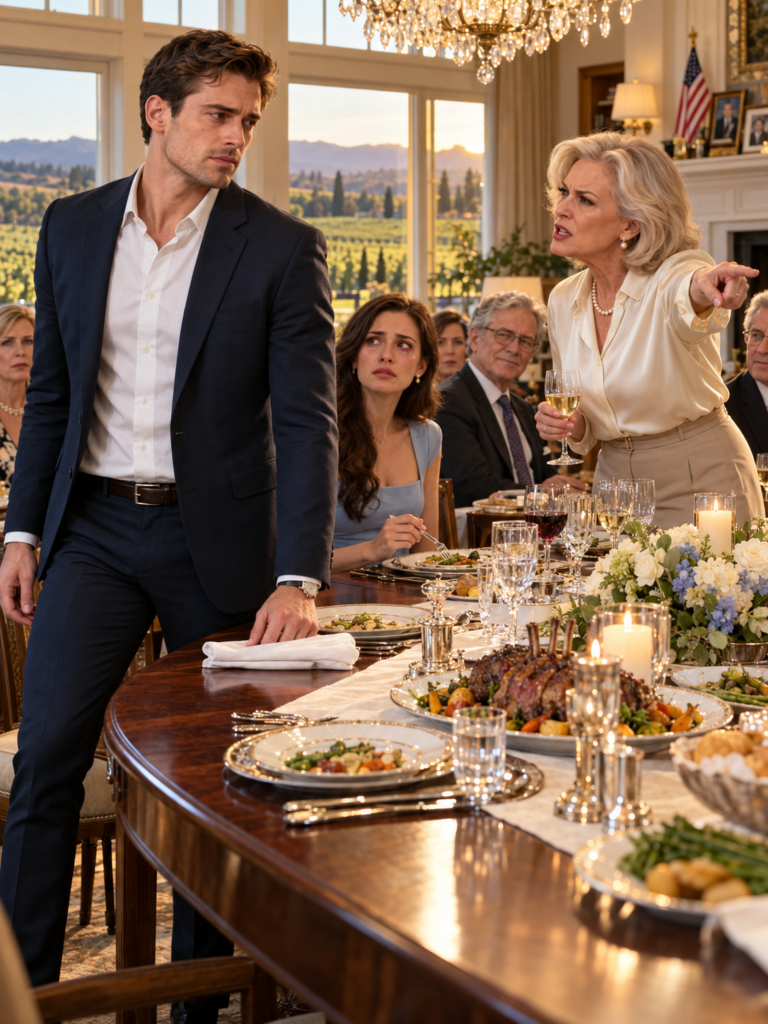
My mother-in-law mocked me for being a high school grad—“You’re uneducated and jobless! Get out!” I earn $20 million working from home, so I said, “Okay!” and moved to my vacation home in Hawaii. Three months later…
My mother-in-law mocked me for being a high school grad—“You’re uneducated and jobless! Get out!” I earn $20 million working...
My Parents Sued Me for My $850,000 House—Then Demanded I Keep Paying the Mortgage for My Brother.
Part 1: I am Julian, 31 years old. Just a few months ago, I was standing on the front porch...