My sister got down on one knee in front of my fiancé and asked him to marry her instead
My sister got down on one knee in front of my fiancé and asked him to marry her instead.
We had accepted her dinner invitation because she claimed she wanted a fresh start.
With our parents watching and me beside him, she opened a box holding a silver ring—and waited for his answer…
My sister said she wanted a fresh start, and I wanted to believe her badly enough to argue with Owen about going to dinner.
He stood in our kitchen holding the envelope from a bill, listening while I explained that Vanessa was embarrassed about what had happened at my birthday.
“Your mother said she was embarrassed,” he reminded me. “Has Vanessa said that?”
“She invited us.”
“That wasn’t what I asked.”
I took the envelope from him and put it beside the other bills he had distributed across the counter.
We had a perfectly serviceable place for those papers, but apparently placing them all in one spot deprived him of the pleasure of discovering them again.
I was smiling when I pointed this out.
He wasn’t.
“I’ll go,” he said finally. “But if something happens, I’m not spending another evening trying to convince your family we’re allowed to be together.”
For a moment, all I heard was that he didn’t want to try.
Then I looked at the man standing in the kitchen of the little house we rented and considered how many explanations he had already offered for falling in love with me.
“All right,” I said. “That’s fair.” It took me longer than it should have to reach those two words.
He put down the remaining papers, and I wished I hadn’t made a joke about them.
It was easier to notice his scattered bills than the fact that I was asking him to walk back into a situation that had spoiled a day he had planned carefully for me.
“I want it to be normal,” I admitted.
“So do I.”
There wasn’t much to argue with in that.
I had been treating his reluctance as one more obstacle to a peaceful dinner, when he wanted the same ordinary evening I did.
He simply had less faith that wanting it would make it happen.
My youngest sister, June, had asked us to give Vanessa one chance to behave normally.
Mom said the dinner would help everyone move on.
Our oldest sister, Beth, would be there, too, which made me feel safer without my examining why I needed to feel safe at a family meal.
I wanted us to be able to discuss a wedding date without somebody acting as though I had announced plans to demolish the house.
More privately, I wanted the easy version of family dinners that other people seemed to complain about so casually.
We were two months into our engagement.
I liked being engaged.
I liked looking down at my hand while doing something unremarkable and remembering that Owen wanted a whole life with me, including the part where I corrected his filing system.
I didn’t like having to defend it.
The evening of Vanessa’s dinner, I caught myself checking whether my ring was turned the right way before we left.
Then I felt ridiculous for noticing.
She had already seen it; seeing it had been part of the problem.
Owen looked at me while I adjusted it.
“I know,” I said before he could ask.
He held the door open.
We went anyway.
I had met him after moving back near the town where I grew up.
A clinic in the other state where I worked had cut hours, and I found a better scheduling position at a medical office closer to home.
My plan had been an apartment, a reliable paycheck, and visits with the two sisters whose company didn’t require preparation afterward.
Beth dragged me to a neighborhood bar for a coworker’s promotion.
Someone spilled a drink, Owen offered me a dry chair, and he made a bad joke about establishing an emergency cleanup department.
It wasn’t an impressive line, but he seemed amused by its failure, which I found more attractive than the joke.
He worked in payroll for a supply company.
When I talked about my job, he asked questions and listened to the answers.
After an old boyfriend who seemed to regard my wages as part of his own financial planning, I appreciated a man who wanted to know how my day had gone.
We started seeing each other.
Buying groceries together became enjoyable, though he took longer choosing cereal than I believed any adult should.
He could disagree with me without making me feel foolish, and I learned that I didn’t have to be charming every minute to keep him interested.
Being comfortable with him still surprised me occasionally.
I could come home tired and tell him I didn’t have much conversation left, and he wouldn’t treat that as a judgment on him.
He could be tired, too, without my wondering which version of myself would make him pleasant again.
I hadn’t told him much about why that felt unusual.
Some family stories seemed unreasonable when I tried to say them aloud, so I reduced them to the sort of complaints anyone might have.
Vanessa and I weren’t close.
Mom worried.
Dad disliked arguments.
All true, with most of the meaning taken out.
We discussed previous relationships in the ordinary, incomplete way people do.
He mentioned a woman he had dated briefly who hadn’t wanted anything serious.
I mentioned the boyfriend who borrowed money.
Neither of us produced photographs or a comprehensive family chart.
I spoke mostly about Beth and June.
Vanessa was between me and June in age, and she and I rarely talked.
Owen knew I had sisters; he didn’t know that the woman he had dated for a few weeks was one of them.
.
When he first met my parents, Vanessa canceled because of a migraine.
Dinner went well.
Mom asked to take our picture, and I remember being pleased by that small, ordinary gesture.
I wanted to send it to Owen later, as though a photograph could certify that the evening had gone as nicely as I thought.
The next morning, Vanessa’s messages arrived before I finished brushing my teeth.
Are you kidding me?
Then she asked whether the man in Mom’s picture was my boyfriend.
I called her.
She said he was the man she had dated, in a tone suggesting I ought to have apologized before she finished telling me.
I sat on the edge of my bed and explained that I had been living in another state when they were seeing each other.
She had never told me his name.
She had never shown me his picture.
Once I laid out the dates, there was no sensible way to claim I had known, but that didn’t end the conversation.
When I told Owen, he remembered her immediately.
He was embarrassed and offered to call her, and I objected because the thought of them talking privately about me made me jealous.
It wasn’t my finest response.
Eventually, we called together.
Vanessa asked whether he had chosen me to make her jealous.
He looked at me, genuinely baffled. “You broke up with me,” he told her. “I respected that.
I moved on.”
Mom called within hours to explain why my sister found it awkward.
I said I understood awkwardness.
I didn’t understand being expected to end a good relationship over information I hadn’t possessed when it began.
Dad suggested giving everyone time.
He favored time as a solution because, if enough passed, a person might stop asking for an apology.
Eventually, Vanessa stopped complaining openly.
Owen and I kept dating, met friends and family, and moved into our rental when the leases on our apartments ended.
His parents welcomed me and sent us home with leftovers in quantities that suggested they believed the drive might take several days.
I thought the worst had passed.
Then came my birthday, dinner with our families and friends, and Owen asking me to marry him after dessert.
He had consulted Beth about the ring, which was astonishing because she normally treated keeping news to herself as an unnecessary delay.
I said yes before he finished the question.
I was crying and laughing, and then I saw Vanessa standing beside her chair.
.
“You have got to be joking,” she said. “You’re seriously doing this in front of me?”
People at another table turned.
Owen’s smile faded while she accused him of humiliating her and accused me of arranging the proposal to make her look stupid.
June told her to sit down.
A friend tried to calm her, and Mom suggested going outside, except she was looking at me as though I should have prevented the whole thing.
I pressed my new ring into my palm while trying not to cry for an entirely different reason.
The next day, Mom told me not to hold the outburst against Vanessa.
When I said the proposal wasn’t about my sister, she said I had made it about her by dating her ex.
Owen found me crying after that call.
He asked whether I still wanted to marry him, and I said of course I did.
He held me and said that was the part that mattered.
I believed him.
I also kept wanting the other parts to stop hurting.
That was what I carried to Vanessa’s dinner, along with the hope that this time Mom’s reassurance meant something.
I knew my sister could be difficult.
What I wasn’t ready to give up was the possibility that she could decide not to be.
At first, she seemed to have made that decision.
She served pasta, asked about work, and complimented my ring.
I looked down at it before answering, surprised enough to be careful about sounding surprised.
“Thank you,” I said.
Owen stayed courteous.
He answered questions without volunteering much, and I knew him well enough now to recognize the effort beneath his ordinary tone.
He hadn’t come to punish anyone.
He had come because I asked.
Beth watched the conversation without pushing it.
June looked relieved.
Dad talked about everyday things, and Mom behaved as though a pleasant meal proved that everyone had worried unnecessarily.
I began doing what I always did when my family managed an hour of decency: I quietly enlarged it into a promise about the future.
Maybe the birthday scene had embarrassed Vanessa.
Maybe we had reached the part where everyone could let it go.
At work, I coordinated appointments and staff, which meant a change in one person’s schedule could rearrange half a day.
I understood practical consequences perfectly well.
With my family, however, I could take one calm evening and schedule an entirely different life around it.
By the time we finished eating, I was considering whether Vanessa might be in the wedding party.
I didn’t say it aloud.
I was sensible enough to keep that thought to myself, though not sensible enough to stop having it.
I answered the ordinary questions and listened to the ordinary replies.
I wasn’t trying to collect evidence of a change, exactly; I was letting myself enjoy not needing an answer prepared.
Even the coffee felt like permission to linger instead of inventing an early morning and reaching for my coat.
After dinner, we moved into the living room with coffee.
There were enough ordinary sounds to reassure me: cups being put down, someone settling into a chair, the last exchanges about the meal.
Owen sat close to me, and I was grateful he hadn’t reminded me of our kitchen conversation.
Vanessa disappeared into her bedroom.
I assumed she was collecting something or taking a moment to compose herself.
When she came back carrying a small bag, I thought an apology might finally be happening.
I even smiled at her.
She said she had something important to say.
Mom turned toward her.
June stopped talking.
Beth looked from Vanessa to me, and Owen shifted slightly beside me as my sister crossed the room.
She stopped directly in front of him.
Then she lowered herself onto one knee and opened a ring box.
I heard the little click of the hinge.
Inside was a plain silver ring.
“Marry me instead,” she said. “You don’t have to keep making this mistake.
We can start over.”
For a second, I thought I had misunderstood the sentence.
There was no version of the evening I had imagined that included my sister kneeling in front of the man I was going to marry.
“Get up,” Owen said. “This isn’t funny.”
She insisted she was serious.
They had unfinished business, she said, and he owed it to himself to make the right choice.
Mom made a small, surprised sound.
She didn’t tell her to stop.
June said Vanessa’s name sharply, and Beth stood up.
Owen didn’t pause to consider the ring.
“No.
I love Mara.
I’m marrying her.
I don’t want to be with you, and I haven’t for a very long time.”
He moved closer and asked whether I was all right.
Vanessa remained in front of us with the open box, looking stunned by an answer he had already given her months before.
Continue below
Chapter 2/6
Vanessa began talking over him.
He was afraid to admit his feelings in front of everyone, she said.
I told her to stop, and she turned toward me as though I had interrupted a private conversation.
“You only want to marry him because I had him first.”
I stood.
So did she.
She accused me of trying to prove I was better, and I said not everything belonged to her simply because Mom acted as though it did.
“He would have picked me if you hadn’t gotten in the way.”
I slapped her.
There is no version of that sentence that makes it acceptable.
I moved before I had properly understood I was moving, and the sound stopped the room.
She shoved me into the couch arm.
Beth and Owen stepped between us while Dad shouted for everyone to calm down.
Mom rushed to Vanessa, then screamed that I had attacked her in her own home.
She was right about the slap.
I was horrified by what I had done and still furious, which was a horrible combination to carry out through the door.
Owen collected my coat.
June followed us with my purse and asked me to promise I would never hit anyone again.
I promised.
In the car, I asked Owen whether he had ever encouraged Vanessa.
His face fell.
I apologized almost immediately; he had just defended our relationship in front of everyone, and I was asking him to account for her behavior.
At home, we spent a while in separate rooms.
When we talked, he was clear that being angry didn’t excuse hitting her.
I knew that, but hearing it from him made me stop rehearsing everything she had said first.
Mom sent a photograph of Vanessa’s cheek the next morning.
I felt sick looking at it.
Beneath it, she described the proposal as a dramatic expression of unresolved feelings.
I answered that I would apologize for the slap, but she couldn’t turn the proposal into something reasonable.
Her explanation about what love made people do was long enough that I put the phone in a drawer rather than answer while furious.
Beth called.
She wasn’t excusing me, either, and I was grateful for the distinction: someone could take what Vanessa did seriously without pretending what I did was right.
Against Owen’s advice to wait, I asked Vanessa to meet.
She refused a public place and came to our house wearing sunglasses despite the rain.
Owen set out three mugs.
Hers went untouched.
“I was wrong to slap you,” I said. “I’m sorry.
It won’t happen again.”
For a moment, she looked relieved.
Then she said I had made her look crazy.
Owen asked why she had proposed.
She admitted she had ended their brief relationship because he wanted something serious.
Later, a friend suggested he was dating me to win her attention.
Vanessa had preferred that explanation to the one he gave her.
The same friend encouraged the public proposal.
If Owen chose her, Vanessa said, we would know he didn’t love me.
If he refused, she could finally know it was over.
The ring was borrowed.
She hadn’t expected marriage to follow; she had expected a private conversation afterward.
Asked why she offered something she didn’t want, she twisted her purse strap and said she didn’t know.
Once they planned it, she felt she had to continue.
I believed that she had persuaded herself.
It didn’t make being included in her experiment less humiliating.
Owen repeated that he loved me and wasn’t returning to her.
She cried about watching someone who once wanted her marry her sister.
“You can be hurt without trying to wreck this,” I said.
She said she couldn’t bear to attend our wedding.
“Then don’t come.
We can both live with that.”
She looked offended, but she left.
I put her untouched coffee in the sink and stood there longer than washing one mug required.
Chapter 3/6
June arrived at her birthday dinner wearing an engagement ring.
Her boyfriend had proposed earlier that day, and for a while I enjoyed being somebody’s delighted older sister instead of the subject of a family dispute.
She hoped all four of us could attend her wedding.
Mom immediately pointed to that as an example of what family should do.
I reminded her that Vanessa said she couldn’t attend mine.
Mom called my response punishment and claimed she had apologized.
I explained that I had apologized for hitting her; Vanessa had explained the proposal.
Those weren’t the same thing.
June put down her plate. “It’s my birthday.
Could we please talk about literally anything else?”
Dad found something to investigate in the refrigerator.
We left soon afterward, and when June apologized by text, I told her she had nothing to apologize for.
A few days later, Mom arrived at our house carrying soup and a condition.
Unless Vanessa was invited and included in family pictures, Mom wouldn’t attend either.
“I’d like you there,” I said. “But I’m not putting Owen through another scene.”
She asked whether I could really marry without my mother.
I could hardly answer for the hurt in my throat, but I said the decision was hers.
She left the soup and went home angry.
An aunt joined the boycott.
Two cousins said they would probably stay away.
I muted the family chat, then read it at midnight anyway, demonstrating a level of self-discipline I wouldn’t have accepted from anyone at work.
Owen offered to answer them.
I said no.
Nobody lecturing us had even asked what happened.
Two weeks later, Mom asked for dinner and promised she only wanted to see me.
I specifically asked about the guest list.
She said this wasn’t another attempt to change it.
Owen agreed reluctantly, provided we ended the visit if she blamed him again.
I cooked because chopping things into uniform pieces was easier than sitting still and wondering whether I had made another mistake.
She praised the food and asked pleasant questions.
Then, while Owen cleared the plates, she called the proposal a stupid joke everyone had taken too seriously.
He stopped with a plate in his hand.
“She said she was serious,” I reminded her.
Mom said hurt people said things they didn’t mean.
When I asked why she wasn’t interested in whether I was hurt, she told me not to turn everything into a competition.
Then she admitted she had hoped to speak to Owen alone.
Perhaps he could make me reasonable about the guest list.
“I’m not going behind Mara’s back,” he said. “We’re deciding together.”
She accused him of breaking up the family.
He said he wasn’t comfortable inviting someone who had proposed to him at dinner.
Mom called him arrogant and said he enjoyed having both her daughters want him.
I stood.
The visit was over.
I wanted the evening ended before another explanation made me doubt what I had heard.
She had invited herself into our decision again, then accused Owen for refusing to leave me outside it.
Owen went to get her coat.
She followed, caught the front of his shirt, and pulled him back.
He raised his hands and asked her to let go.
She shoved him against the narrow wall by the door, then hit his cheek when he tried to free his shirt.
I saw it happen and still needed a second to understand it.
When she reached for him again, I caught her wrists and told her to stop.
She shouted that he had pushed her.
He hadn’t.
Owen opened the door and moved away.
I told Mom to leave and not return.
She said I would regret throwing out my own mother.
“Maybe,” I said. “But you’re leaving anyway.”
After the door closed, Owen stood quietly in the hall, his collar stretched and a mark showing on his face.
I asked whether I could photograph it.
He nodded, and I went to find my phone with hands that couldn’t seem to complete one ordinary task.
Chapter 4/6
I wanted to call the police immediately.
Owen worried about another spectacle, and I became impatient before remembering he was the person who had been hit.
I apologized.
We saved Mom’s subsequent message claiming he had become physical and wrote down what happened.
Dad asked whether she had been drinking.
When I said no, he explained she was overwhelmed.
I asked how hard she would have to hit somebody before he stopped explaining.
He responded with advice about not deciding the wedding while angry.
Beth simply said she was sorry.
June cried.
Owen called his own family, and his parents arrived the next afternoon with groceries.
His brother fixed a loose door latch because he wanted something useful to do.
Nobody asked Owen what he had done to provoke her.
Watching that ordinary concern hurt in a place I hadn’t expected.
That evening, he asked whether Mom had done anything like this before.
I started to say no because she had never struck a boyfriend of mine.
Then I thought about grabbing, shoving, cracked doorframes, and the things I had filed away as separate bad days.
We sat outside with coffee that went cold while I talked.
There were four sisters, and Vanessa was the favorite.
She got clothes and birthday trips; the rest of us were told to make things last.
When she forgot homework or broke something, I was asked why I hadn’t prevented it.
At thirteen, I earned an allowance for extra chores.
Mom made me give Vanessa half because she complained.
My suggestion that she do half the work was rejected.
I continued cleaning while she collected.
Beth helped after moving out, taking me for inexpensive meals where I could complain freely.
June once slipped a homemade birthday card under my door saying I deserved an entire cake.
I kept it.
Dad helped with school projects.
Then he watched Mom punish me over Vanessa’s behavior.
I had spent years treating those kindnesses as an answer to the silence.
“It didn’t cancel it out for you,” Owen said.
I cried before I could answer.
At seventeen, I worked at a grocery store and saved toward a car, with Beth helping protect the savings.
By eighteen, I bought an old one and paid its expenses myself.
After getting her license, Vanessa borrowed it, then took the keys without asking and returned it empty.
When I objected, Mom said she needed it more.
I could hand it over or find somewhere else to live.
I was still finishing school and couldn’t afford to move.
Dad handled the paperwork.
Vanessa thanked Mom, then complained about the seats.
At graduation, where I received an academic award, Mom and Dad stayed home because Vanessa didn’t want to attend.
Beth brought flowers; June made a sign.
I searched the bleachers anyway, then cried in a bathroom after posing for pictures.
I moved away, studied while working, and built my career.
Contact with my parents stayed limited until Beth’s pregnancy prompted another effort.
They said counseling had helped them recognize the favoritism.
Pleasant lunches followed, and I mistook them for lasting change.
“Why keep giving them chances?” Owen asked.
“Because when they’re decent, I think maybe that’s the version I get to keep.”
He said he didn’t want me hurt again, or future children learning they had to earn love by surrendering.
We hadn’t settled when to have children.
I wanted them and was frightened of becoming Mom.
He didn’t tell me that worrying proved I would be different.
He listened while I admitted wanting a baby and fearing what I might repeat without noticing.
I was relieved he didn’t make me defend both feelings at once.
A couple of days later, we went to the police station.
Owen gave his account; I supplied mine, the photographs, and the messages.
Nobody promised a dramatic result.
We wanted a record that didn’t depend on Dad deciding to believe us.
On the drive home, Owen said he was glad he’d told the truth.
At a red light, I reached across and held his hand.
Chapter 5/6
I told Dad about the report so he would hear directly from us.
Mom soon left furious messages accusing me of trying to have her arrested.
Then she appeared outside my workplace after a late shift and demanded I withdraw it.
I said I wouldn’t lie and asked her to leave.
When she kept approaching, I turned toward the clinic.
She followed, grabbed my arm, and shoved me away from the entrance.
“Let go,” I said loudly.
She struck my upper arm several times while calling me a disgrace.
It hurt, but what frightened me most was how quickly I felt thirteen again.
A security employee and a coworker came outside, separated us, and told her to leave.
She shouted that I was her daughter.
Security called the police, and I stood beside my coworker crying too hard to explain myself clearly.
My supervisor took me inside.
I agreed that Mom should be barred from the property.
Security documented what had happened, the clinic preserved camera footage, and I gave another statement.
At home, I admitted briefly wanting to hit her back.
Owen said he was glad I hadn’t.
I kept imagining another encounter outside work, and we began talking seriously about moving.
The incident at our house stayed on record without a separate charge.
The workplace assault, witnessed and recorded, was referred for a misdemeanor charge.
I couldn’t decide the outcome.
I could decide that my workday wasn’t going to include another attempt to manage Mom’s temper.
I also began counseling.
In the first appointment, I spent so long explaining her good qualities that the counselor asked why I needed to establish those before discussing what she had done.
I disliked the question and thought about it all the way home.
Before blocking my parents, I called Dad with a list in front of me: the allowance, the car, graduation, the proposal, Owen, my workplace.
When he said everyone made mistakes, I stopped him.
Signing over my car because I feared losing my home wasn’t the same as Mom hitting someone.
She joined the call and said she regretted bringing me into the world if this was how I repaid her.
Owen, beside me, said I didn’t deserve that.
Dad told him to stay out of family matters.
I ended the call and blocked both numbers.
The relatives considering a boycott received a message saying they no longer needed to decide.
An aunt later apologized after Beth explained the second assault, but I didn’t restore her invitation.
I still woke the next morning feeling guilty.
The pregnancy test was positive on a Sunday while we were disputing whose turn it was to buy groceries.
I opened the bathroom door holding it, and we both cried.
Then Owen offered toast, his dependable response to almost any situation requiring care.
After an early appointment, we told trusted people.
Beth promised privacy; June screamed happily, then asked whether maintaining her own relationship with our parents would hurt me.
“No,” I told her. “But you can’t give them our information.” She agreed, without bargaining over what counted.
My employer had other locations.
After interviews, I accepted a transfer a few hours away with comparable pay and hours.
Owen arranged mostly remote work, and we found a rental near his brother.
Packing while nauseated was miserable.
I cried once because I couldn’t find something already in my hand, then objected to the expense of movers until Owen reminded me I had asked for help.
He was right.
I let them carry the furniture.
I was grateful the transfer hadn’t required pretending I was starting over professionally as well.
There would be new coworkers and different routines, but I knew the work.
Having something familiar to carry into that change steadied me more than encouragement did.
The last boxes filled the hall, and I stood among them wondering whether becoming a mother would make me miss mine more.
Owen asked where I wanted the kettle packed.
I told him to leave it out until morning, and we went back to preparing our new home.
Final chapter 6/6
After we moved, I learned Mom had accepted responsibility for the workplace assault and received a fine and required anger-management classes.
There was no jail sentence and no separate charge over Owen.
That was the whole legal outcome, however she described it to relatives.
We changed the wedding.
Owen’s brother offered his family’s small lake property, and we arranged a ceremony and simple dinner before the baby arrived.
I mourned the larger celebration we’d imagined, but not having to watch the entrance made planning easier.
Beth and June stood beside me on the grass.
Friends, a few relatives, and Owen’s family filled the small gathering.
A child complained during the vows because he needed a snack, and I was delighted by a problem somebody could solve with food.
We ate cake at a folding table while June took far too many pictures.
When we left, I noticed who hadn’t been there without wishing the day different.
Our daughter arrived months later, healthy and loudly opposed to her first bath.
Late pregnancy had brought swelling, pain, and extra appointments; recovery needed follow-up care, too.
Owen took night turns, handled laundry, and cooked meals I could manage.
We were tired and sometimes irritable.
Nothing about the house resembled a portrait of effortless parenthood, especially the laundry, which seemed to reproduce while we slept.
A distant relative posted a wedding photograph despite our privacy request, then later publicly mentioned our baby girl.
She removed both posts and apologized when I asked, but Mom had seen them.
Messages arrived from a new account demanding access to her granddaughter.
She said she was prepared to forgive me.
I saved them and blocked her.
June refused requests for our address, and no surprise visit followed.
Vanessa’s friend had meanwhile repeated the proposal story as a joke.
Hearing about her humiliation gave me no satisfaction.
It did mean she could no longer insist that everybody had recognized a harmless romantic gesture.
Months after the birth, she asked Beth to pass along a letter.
I received a photograph of it first and waited two days before reading.
She acknowledged the jealousy, the attempt to prove Owen still wanted her, and the cruelty of trying to ruin something good for me.
She apologized for the proposal and blaming me afterward.
She also recognized that Mom had taught her to expect everyone else to adjust.
There was no request for photographs or a visit.
I read it several times before answering through Beth, then agreed to occasional direct messages.
I accepted that she was sorry, but couldn’t promise closeness.
When she suggested coffee, I said I wasn’t ready.
She didn’t argue.
That mattered, though I still withheld photographs and information she could pass to Mom.
Our messages remain ordinary and infrequent.
Sometimes she asks about work; sometimes I take days to answer.
I don’t know what our relationship will become, and I no longer feel required to decide in advance.
My parents stayed blocked.
When Mom used June’s wedding planning to demand baby information, June warned her, then withdrew her invitation after she asked again.
Dad stayed home with Mom.
It hurt June, but she held to her decision.
I heard that Mom still called us unfair and Dad was waiting for us to come around.
I didn’t send a reply through my sisters.
They had celebrations and worries of their own, and I didn’t want them spending their lives carrying messages between houses.
Neither of us had expected weddings without our parents.
I listened when she needed to talk without suggesting that being firm should make her less sad.
At home, Owen and I still argued about chores.
When I spoke sharply from exhaustion, I apologized without requiring him to list what had happened first.
Counseling continued, and so did ordinary days that didn’t need permission from anyone outside our house.
One evening, our daughter began pulling clean socks from the laundry basket.
Owen put them back, and she laughed, delighted with the game.
I sat beside them on the floor and folded what she allowed me to keep.
THE END.
I’ve shared the complete story, and I truly hope it touched your heart.
If this story moved you, please , like, and share the post.
Thank you for reading! ❤️
Recommended Stories
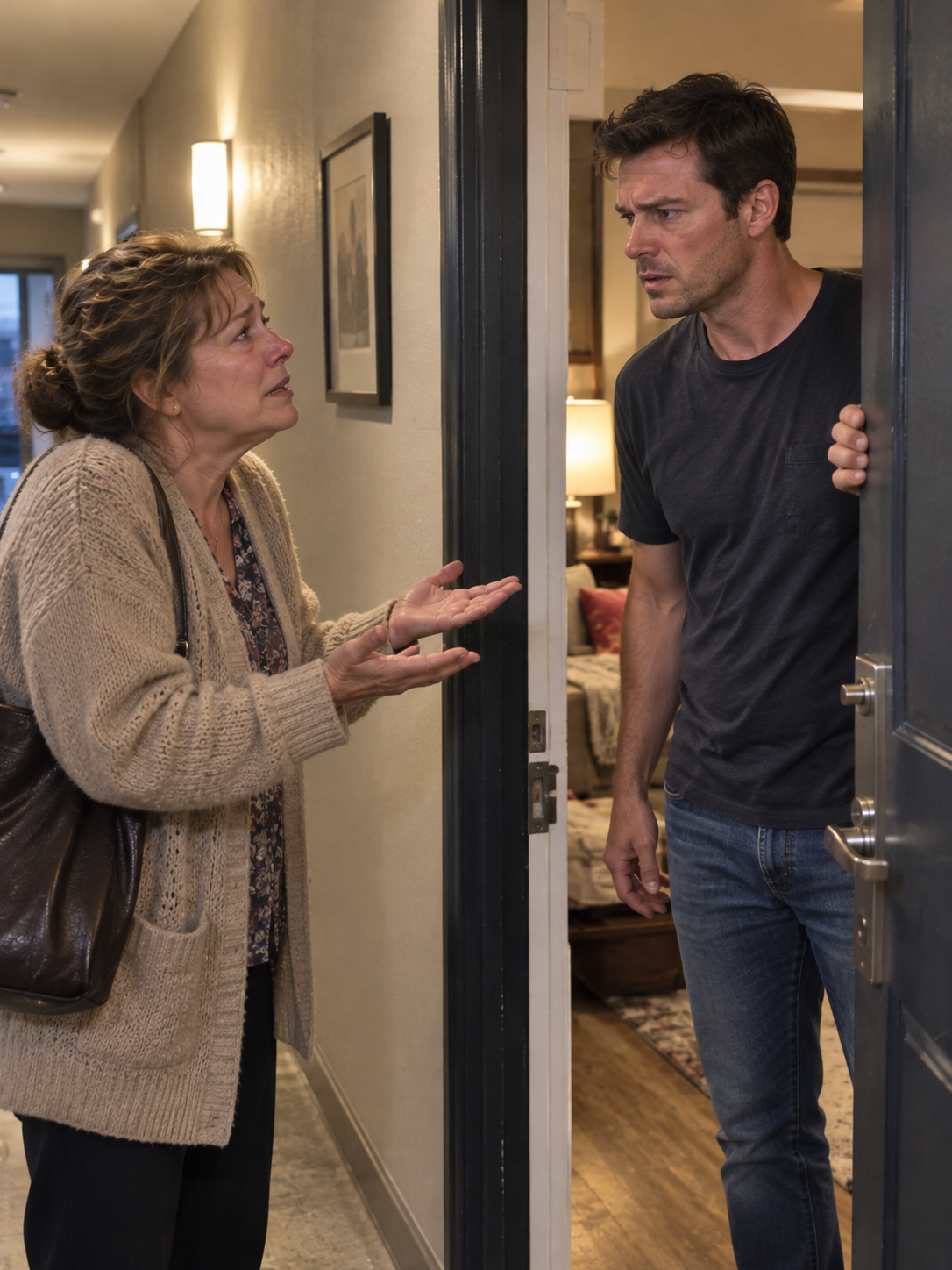
My family went to Key West without telling me while I was sending them $2,500 every month for rent, groceries
“My family went to Key West without telling me while I was sending them $2,500 every month for rent, groceries,...

The Mafia Boss Pulled a Drowning Waitress From the Flood—But When She Learned Who He Really Was, She Had One Terrifying Choice – Life Story
The flood ripped Hannah Reed off her feet before she had time to scream. The last thing she saw above...
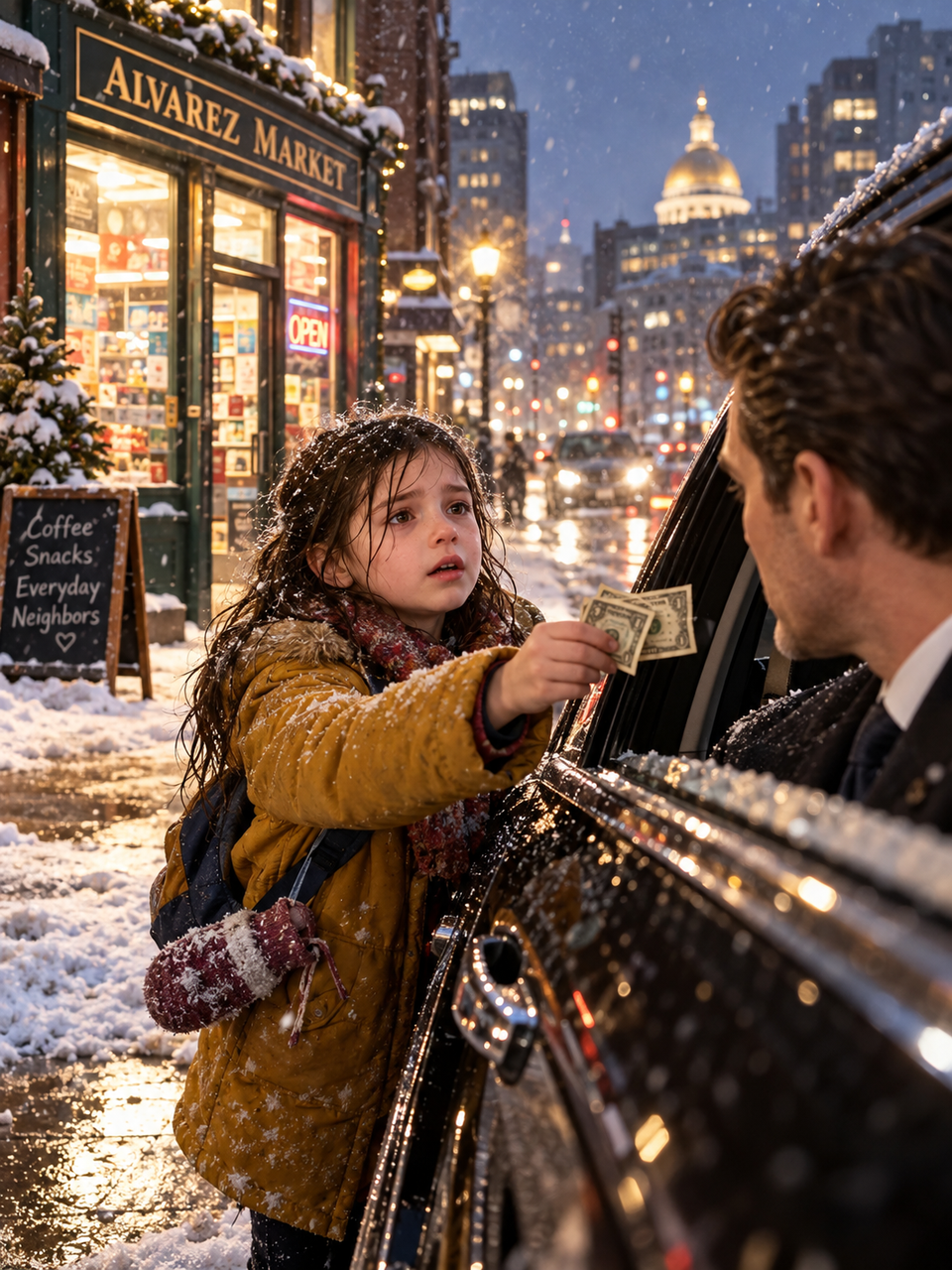
AN EIGHT-YEAR-OLD GIRL CHASED A BILLIONAIRE THROUGH A BOSTON SNOWSTORM TO RETURN TWO DOLLARS—THEN HIS COMPANY’S REDEVELOPMENT PLAN THREATENED THE ONLY HOME SHE HAD LEFT – Life Story
The girl slapped two wet dollar bills against the window of Ronan Ashford’s car before the driver could pull into...