Chapter 1 – THE PAPER IN ANNA’S COAT
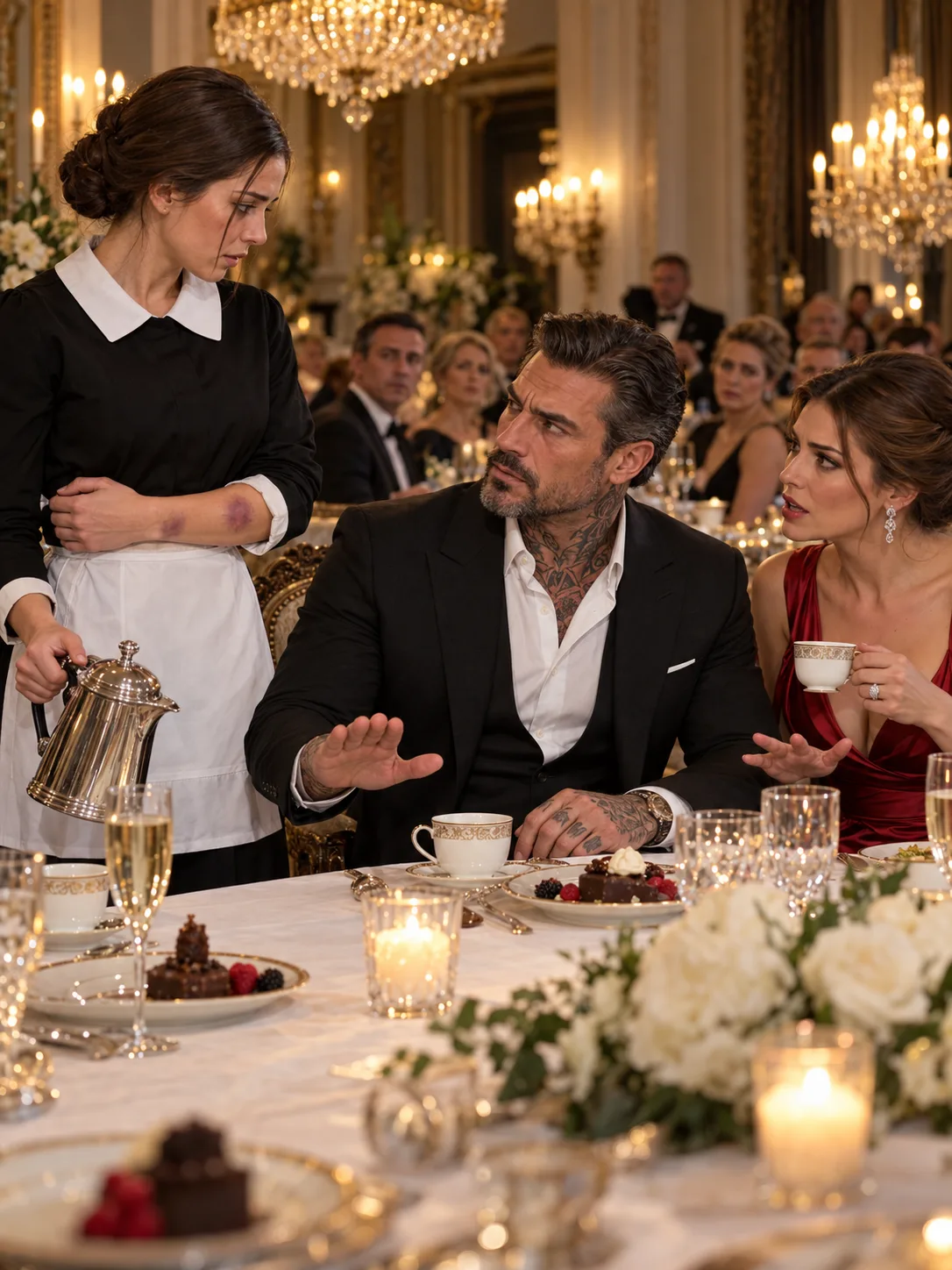
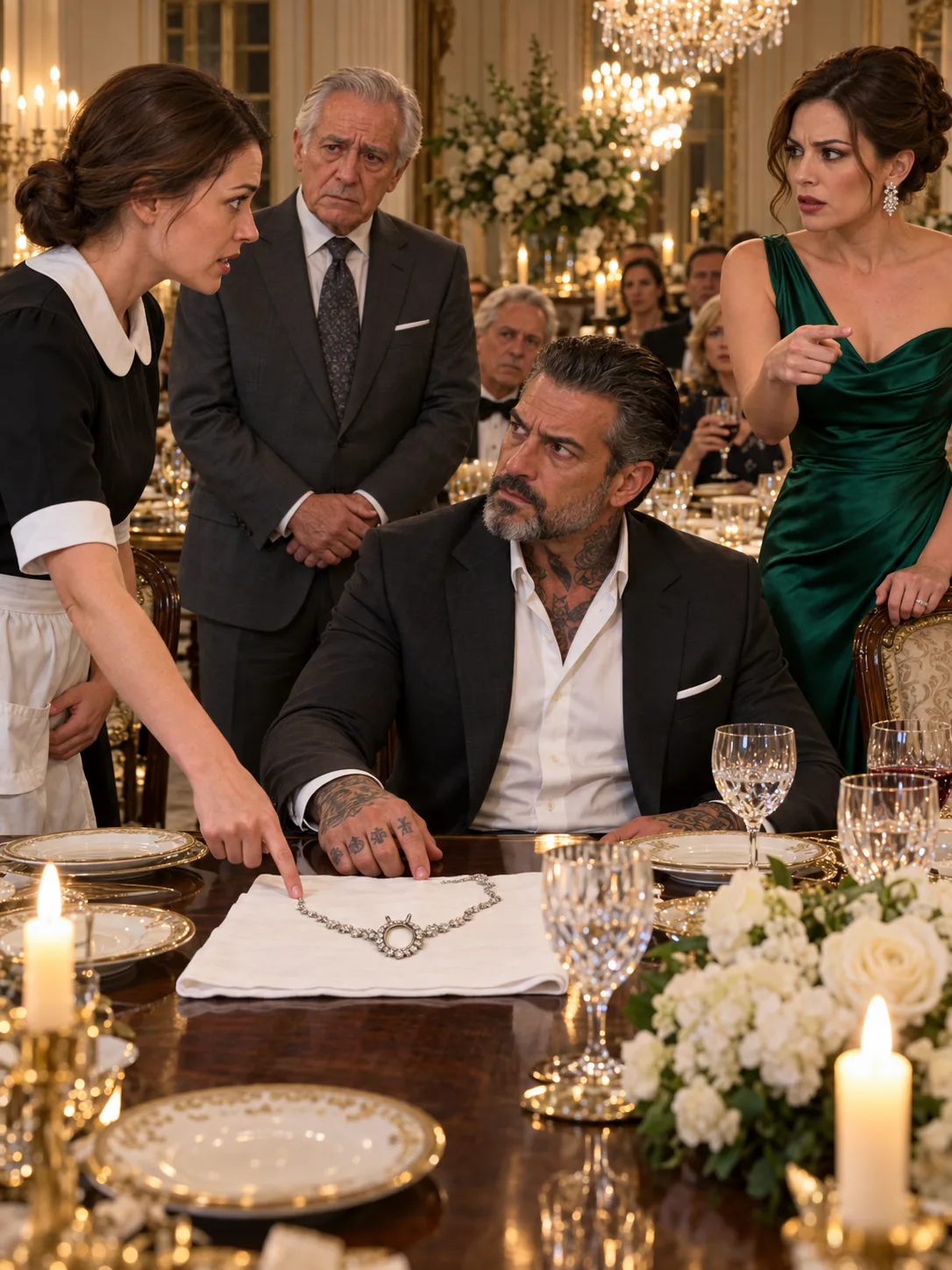
“Bianca, what exactly were you trying to get my sister to give up?”
Marco Vitale’s question hung over the dining table.
His fiancée stood beside her chair, one hand resting on the back of it. The large diamond on her finger caught the chandelier light.
“Nothing that belonged to her,” Bianca said.
Anna gave a small, disbelieving laugh.
It was the first sound she’d made all evening that wasn’t frightened or apologetic.
“Then why did you tell me I had to sign?”
Bianca looked toward the guests.
“Marco, please. Your sister is upset. We can discuss this privately.”
“You had no objection to discussing her drinking in front of thirty people.”
His voice remained even.
“I’m asking you a question.”
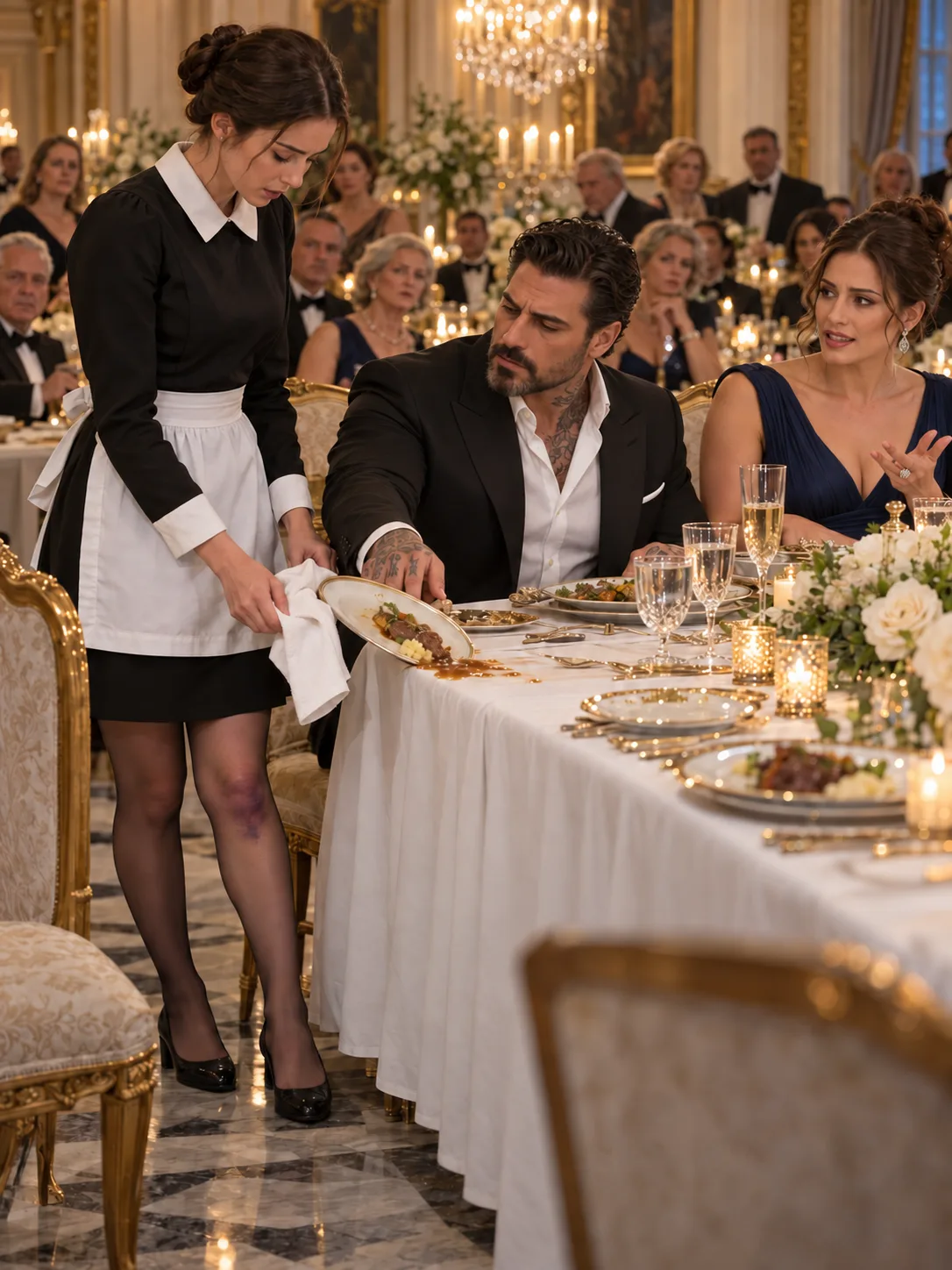
I stood beside Anna, still holding the silver tray.
I had worked in that house long enough to recognize when Marco was angry. He rarely raised his voice. The quieter he became, the more carefully everyone listened.
But this was different.
He wasn’t looking at Bianca like a man preparing to punish someone.
He looked like a man who had discovered he didn’t know the woman he was planning to marry.
Anna touched my sleeve.
“My coat, Katie. Please.”
I crossed to the adjoining hall, where the guests’ coats had been arranged on a long brass rack.
Anna’s was easy to recognize.
It was an old camel-colored wool coat with a missing button near the cuff. She’d apologized for its appearance when she arrived, although nobody had asked her to.
I slipped my hand into the right pocket.
Nothing.
In the left, beneath a pair of knitted gloves, I found a folded cream-colored envelope.
ANNA VITALE was written across the front.
The handwriting wasn’t hers.
I recognized it immediately.
It was Bianca’s.
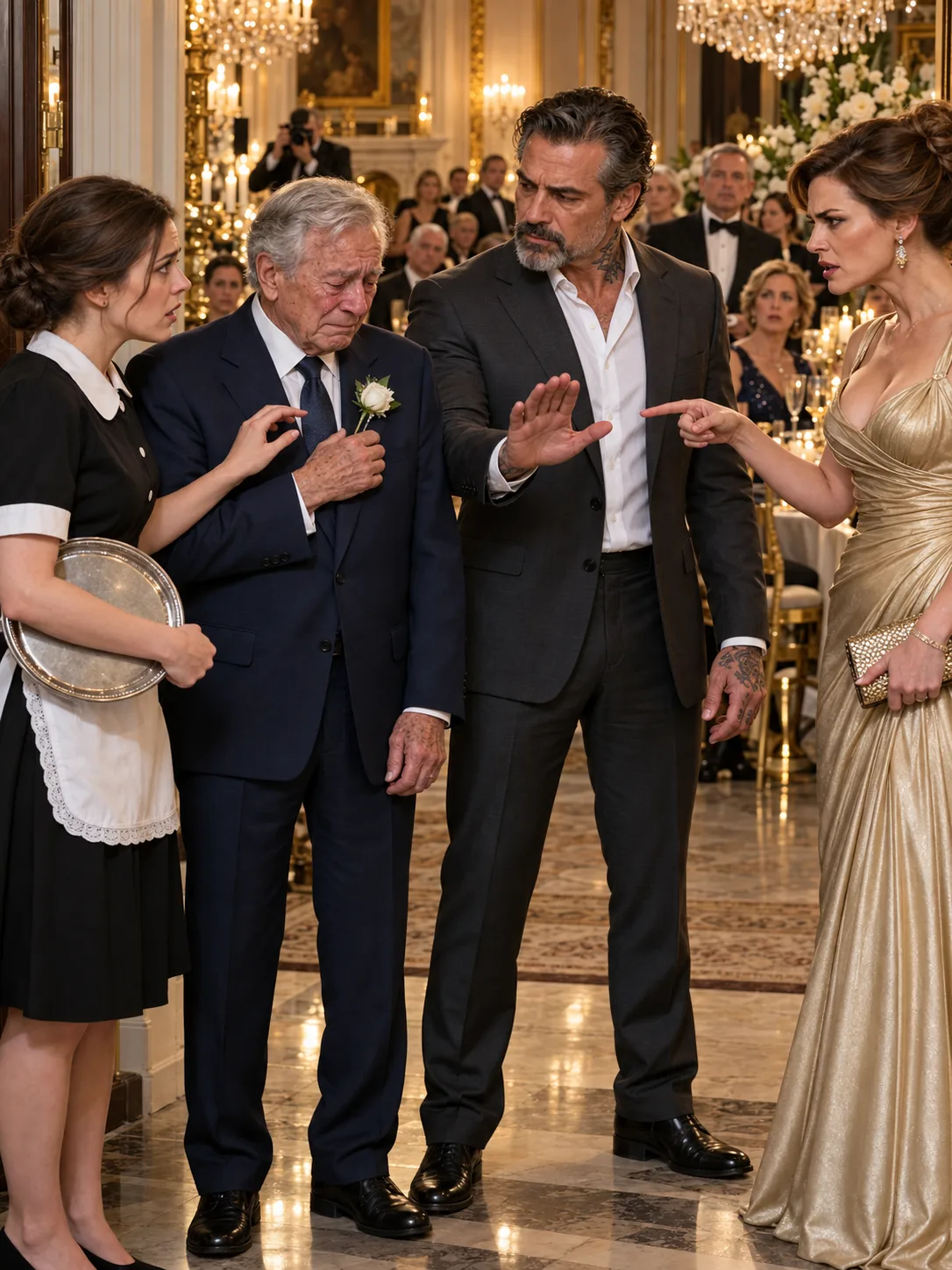
When I returned, Marco had asked the guests to finish their coffee in the drawing room. Nobody argued. People collected their glasses and moved away with the strained politeness of people desperate to pretend they hadn’t heard anything.
Within minutes, only four of us remained.
Anna accepted the envelope from me.
“I brought this because I thought Marco should see it,” she said. “But I was afraid he’d think I was asking him for money.”
“Annie.”
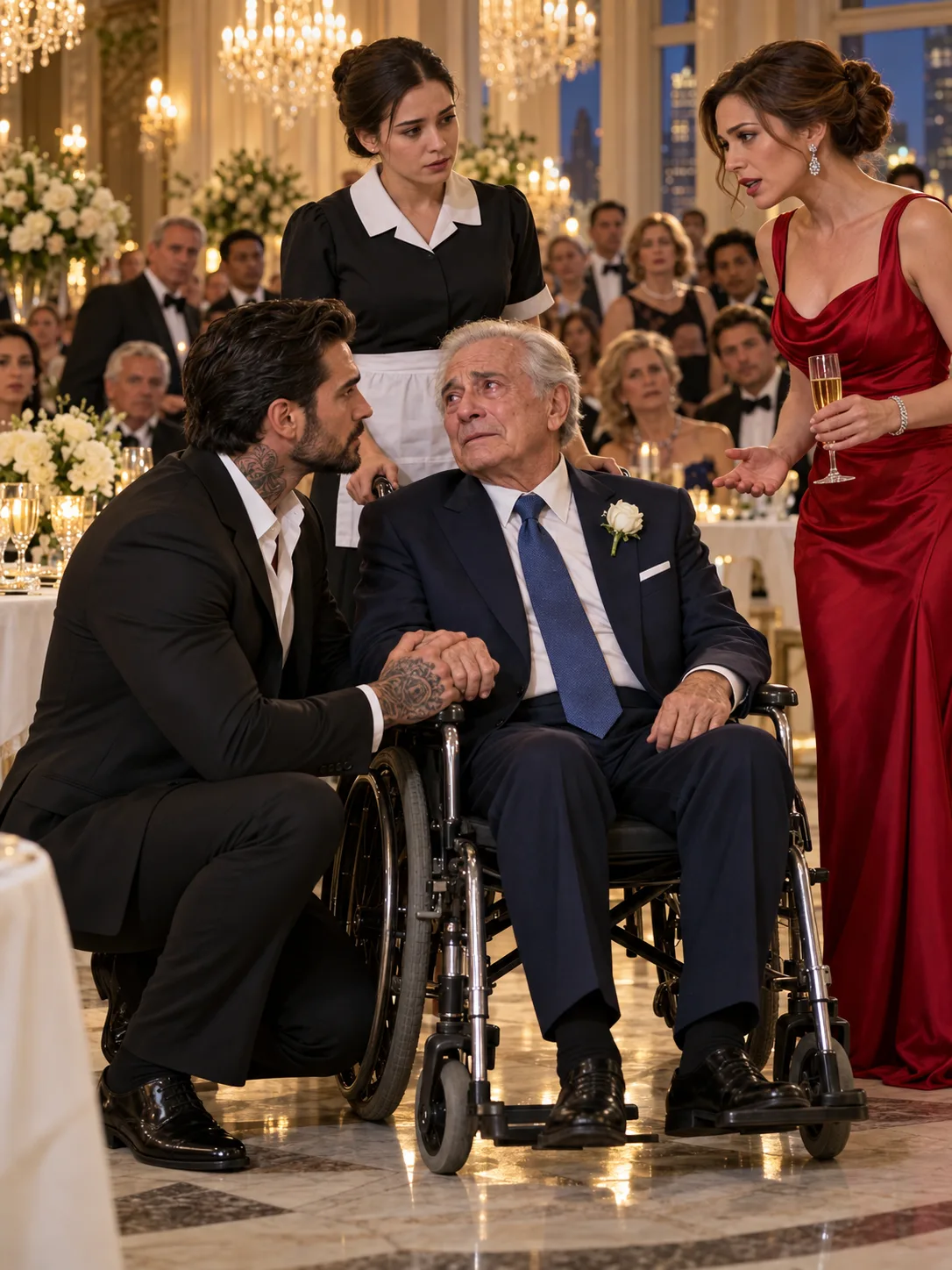
Marco pulled out the chair beside her.
“Look at me. You don’t have to earn the right to show me something.”
She opened the envelope.
There were three pages inside.
The first was headed:
Beneath it was a statement declaring that Anna had experienced a recurrence of substance abuse and could no longer reliably manage important financial decisions.
I watched her face as Marco read.
She looked ashamed of words she hadn’t written.
“Did you sign this?” he asked.
“No.”
“Did you agree with any of it?”
“No.”
He turned the page.
The second document was titled LIMITED PROPERTY AUTHORIZATION.
It named Bianca Romano as the person Anna would authorize to act on her behalf concerning a residential property at 47 Hawthorne Street.
Marco stopped reading.
“Why is my mother’s house in here?”
Anna blinked.
“What?”
He put the paper flat on the table.
“Forty-seven Hawthorne. That’s where we grew up.”
Anna stared at the address.
For a moment she seemed unable to understand what she was seeing.
Then she turned to Bianca.
“You told me it was about Marco’s house.”
Bianca’s lips tightened.
“I told you there were family assets involved.”
“No.” Anna’s voice became stronger. “You said my brother had borrowed money because of what I did, and that his home was in danger.”
Marco’s expression hardened.
“My house isn’t in danger.”
“I know that now.”
Anna looked down.
“But I believed her.”
I could understand why.
For someone who had spent years repairing the damage caused by addiction, the suggestion of an old debt could be devastating.
Especially when it came from someone who claimed to be speaking for the person she’d hurt most.
Marco read the third page.
It was a proposed authorization allowing Bianca to discuss property transactions with an agent acting for both owners.
There was a blank signature line.
Above it, someone had written Anna’s initials in pencil.
Anna leaned forward.
“I didn’t put those there.”
Bianca exhaled.
“Those were simply to show you where to initial. Nothing has been signed. Nothing has happened.”
Marco looked up.
“Then why didn’t you ask me about it?”
“I was trying to handle an unpleasant family matter before the wedding.”
“By having my sister declare herself incapable?”
“By helping her deal with responsibilities she’s clearly struggling to understand.”
Anna recoiled slightly.
I saw it happen.
Bianca had found the same place to hurt her again.
Marco pushed the papers away.
“My sister has managed her own apartment, her finances, and a full-time job for ten years. What responsibilities, exactly, do you think she can’t understand?”
Bianca crossed her arms.
“You’re ignoring the practical issue. That house is sitting empty. The roof leaks, the heating system is ancient, and you keep paying for something nobody uses.”
Anna turned to her brother.
“Is that true?”
“The house needs work,” he admitted.
“Why didn’t you tell me?”
“Because I was going to take care of it.”
Anna looked hurt.
“It’s my house too, Marco.”
“I know.”
“Then why does everybody keep making decisions about it without me?”
That stopped him.
He looked at the papers again.
For the first time, I saw something besides anger in his face.
Guilt.
Bianca apparently saw it too.
“Exactly,” she said. “Marco has been carrying the responsibility alone. I thought Anna might appreciate someone handling the paperwork.”
Anna folded her hands.
“Last month, when you came to my apartment, I asked if I could call him before signing.”
Bianca said nothing.
“You told me that if I brought it up, he’d think I was trying to manipulate him again.”
Marco closed his eyes briefly.
“Annie.”
Anna continued.
“You said he’d spent enough money cleaning up my mistakes. That he was tired of saving me.”
“Those were private conversations,” Bianca said sharply.
“About my life,” Anna answered.
I had never heard her speak to Bianca like that.
Her hands were shaking, but she didn’t lower her eyes.
Marco turned the first document over.
On the back was a handwritten note.
He recognized it before I did.
“Property valuation approved by M.V.,” he read.
Bianca reached for the paper.
“That’s from a separate discussion.”
Marco pulled it out of her reach.
“You asked me to approve an appraisal.”
“Yes.”
“You said it was for insurance and repairs.”
“It was.”
He pointed to the second page.
“Then why is this a property transaction authorization?”
Bianca didn’t answer immediately.
Anna stared at her brother.
“Marco, do you know how much the house is worth?”
“Not exactly. I haven’t had it valued in years.”
“Bianca told me you were selling it because you couldn’t afford to keep it.”
Marco slowly turned toward his fiancée.
“I never agreed to sell Hawthorne Street.”
Bianca’s expression changed.
Not dramatically.
Her mouth simply went still.
Anna reached into her coat pocket again and removed a small brass key.
I remembered seeing her rub it between her fingers when she first arrived.
She laid it beside the unsigned documents.
“Mom gave me this before she died,” she said. “She told me that whenever I was ready, I could come home without asking anybody’s permission.”
Marco stared at the key.
Anna looked at him.
“Last Christmas, Bianca told me you’d changed the locks.”
He frowned.
“Annie, I didn’t—”
“She said you didn’t trust me with a key anymore.”
The room became painfully quiet.
Anna’s voice dropped.
“So I stopped trying to go back.”
Marco stood so abruptly that his chair struck the table.
He looked at Bianca.
“Tell me something.”
She watched him cautiously.
“Did you have the locks changed at my mother’s house?”
Bianca hesitated.
Then she said, “Yes.”
Anna’s little brass key lay between them.
And Marco asked the question that changed the entire evening.
“Then who gave you permission to lock my sister out of her own home?”
Share