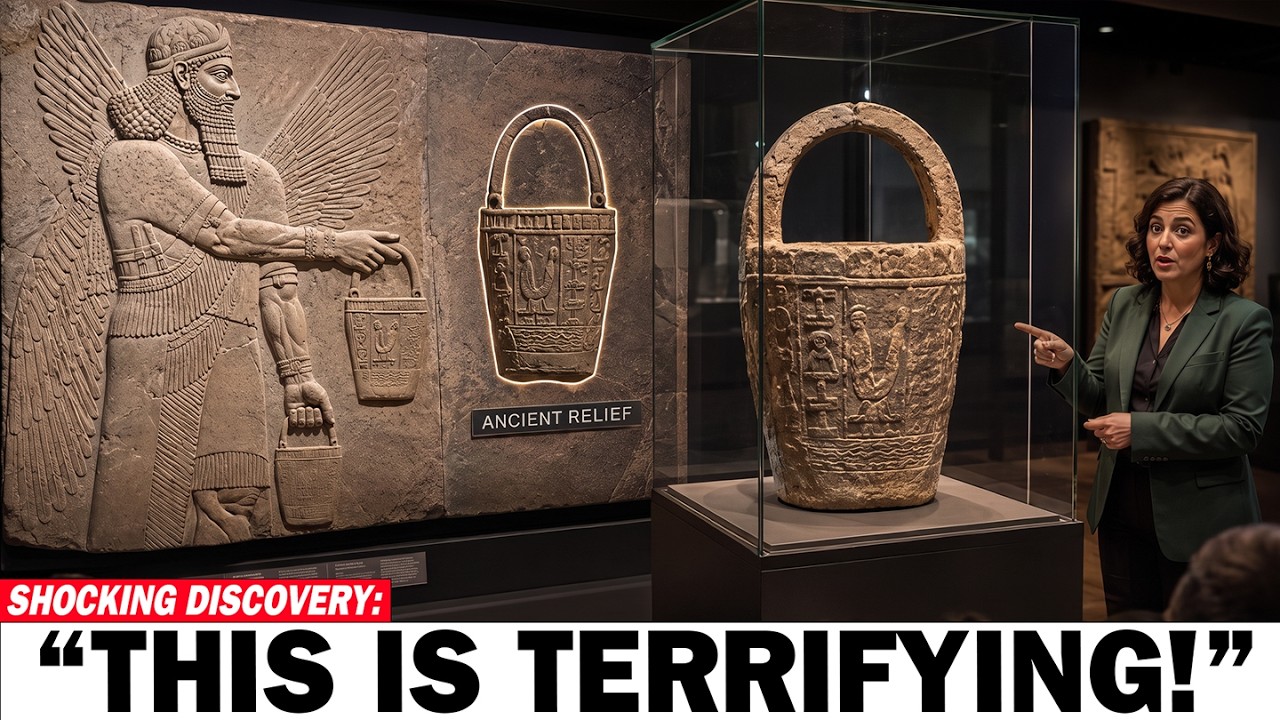
For decades, researchers dismissed the mysterious “handbag of the gods” carved across ancient Sumerian temples as mere mythology. Now, a team of scientists has finally examined the enigmatic symbols under advanced imaging, and the results have stunned the archaeological world.
For roughly 12,000 years, a recurring symbol has appeared in ancient art across three continents: a solid container with a curved handle, resembling a modern handbag. Carved by the Sumerians, the builders of Göbekli Tepe, and the Olmec of Mesoamerica, the object appears in sacred contexts but its contents are never depicted.The symbol first appears in Mesopotamian art, where figures known as the A…
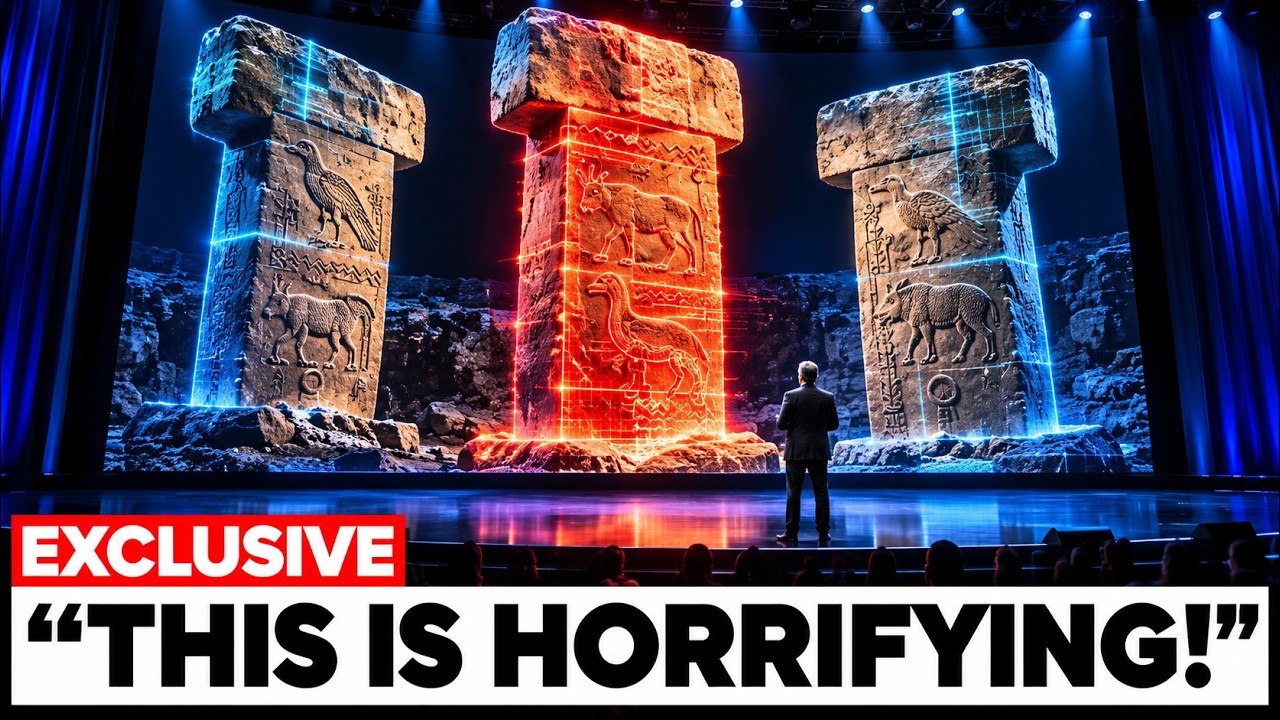
AI just decoded Göbekli Tepe’s mysterious symbols, and the findings are forcing archaeologists to rethink everything they believed about ancient civilization. For decades, experts assumed the 12,000-year-old stone pillars in Turkey were simple ritual art—but new analysis suggests the carvings may contain an intricate hidden message.
Around 12,000 years ago, in the highlands of what is now southeastern Turkey, communities that conventional archaeology describes as hunter-gatherers built a massive stone complex. The site, known as Göbekli Tepe, consists of multiple chambers spread across a hilltop, containing carved limestone pillars, some over five meters tall and weighing up to ten tons. The pillars are decorated with detaile…