
The Oregon coast has just been shut down by federal authorities, but they won’t say why. Divers reportedly surfaced with something from the deep that triggered an immediate, unprecedented closure.
Axial Seamount, an underwater volcano located roughly 300 miles off the Oregon coast, is showing signs that it may erupt before the end of 2025. Scientists have been monitoring the volcano closely since it last erupted in 2015, and recent data indicates the seafloor around it is inflating at a faster rate than it did before its previous eruptions in 1998, 2011, and 2015. The volcano sits along the…
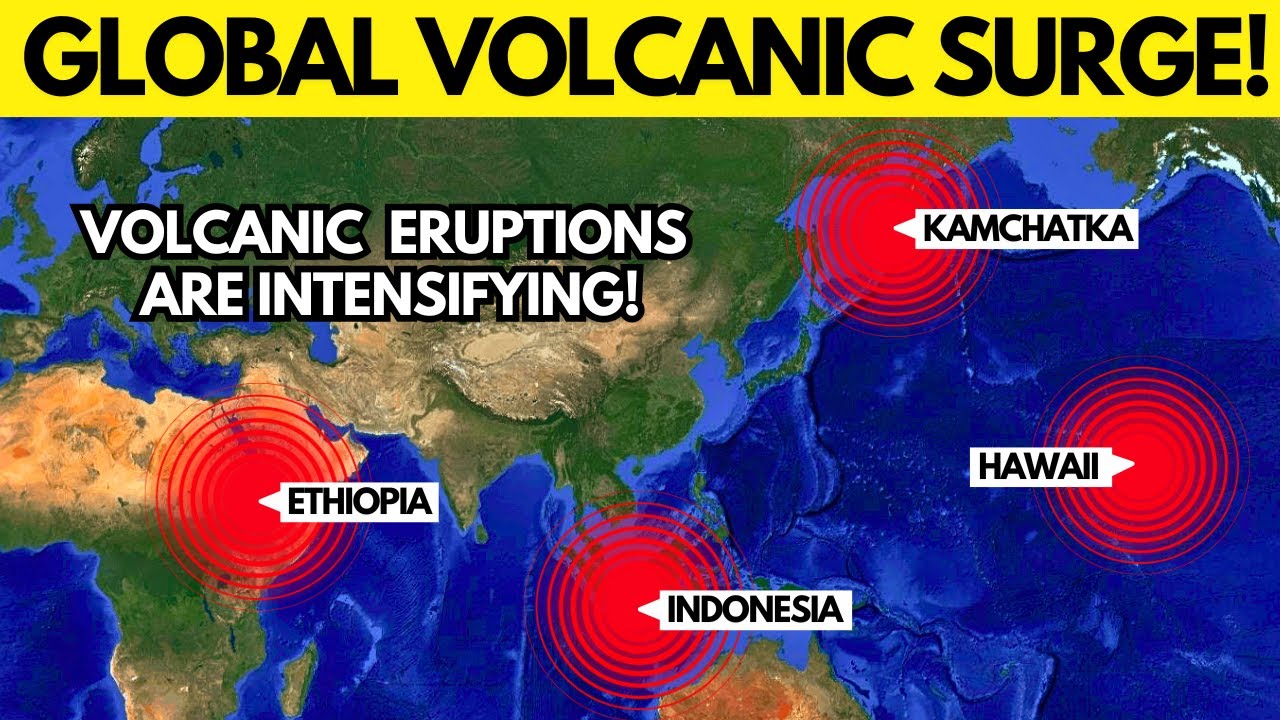
Scientists warn that Earth is entering a dangerous phase of volcanic unrest, with multiple active systems showing alarming changes. Researchers monitoring global seismic activity have detected escalating patterns beneath several long-dormant volcanoes, suggesting magma chambers are pressurizing far faster than historical records predict.
In recent months, volcanoes across multiple regions have shown increased activity, drawing attention from scientists and prompting questions about whether the planet is entering a more restless phase. Several volcanoes that had been quiet for long periods have erupted, while others have intensified their ongoing activity.One of the more notable events was the eruption of Hale Goby in Ethiopia, a s…
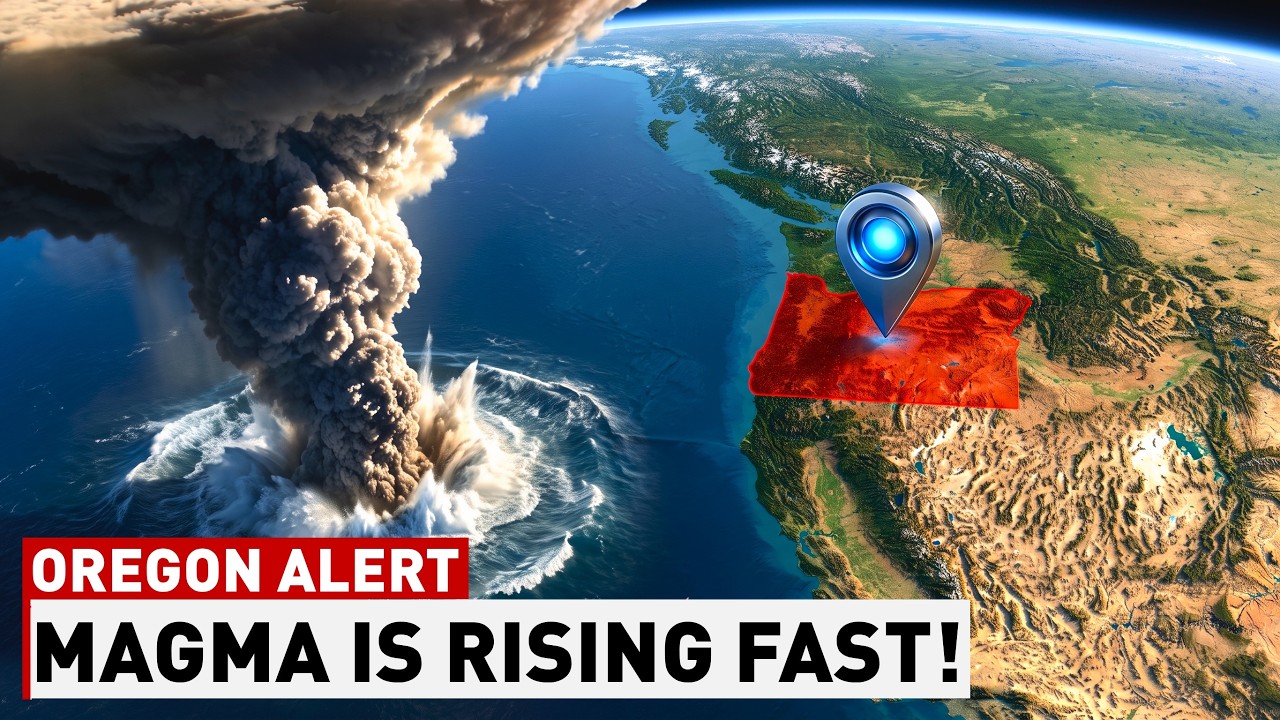
Oregon’s hidden volcano is swelling faster than ever, and scientists are now tracking a possible 2026 eruption. Officials monitoring the remote Cascades peak report the ground rising at an alarming rate, triggering new alert levels just as nearby communities begin evacuation planning.
Axial Seamount, an underwater volcano about 300 miles off the Oregon coast, is showing signs of an imminent eruption. Scientists monitoring the site believe it could erupt at any time, with forecasts narrowing the window to between now and late 2026.The volcano sits about a mile beneath the Pacific Ocean surface. It is one of the most active volcanoes on the planet, having erupted at least 50 time…
Mount Tambora’s 1815 blast hurled ash into the stratosphere, darkening skies across the globe. Historians call it the largest eruption in recorded history, yet the true catastrophe unfolded months later.
A supervolcano is a volcano capable of ejecting at least 240 cubic miles of material, roughly a thousand times more than a typical eruption. For comparison, that volume of debris would bury a city the size of Chicago under more than a mile of ash and rock. These eruptions leave behind enormous basin-shaped depressions called calderas, which sit above chambers of magma close to the Earth’s surface….