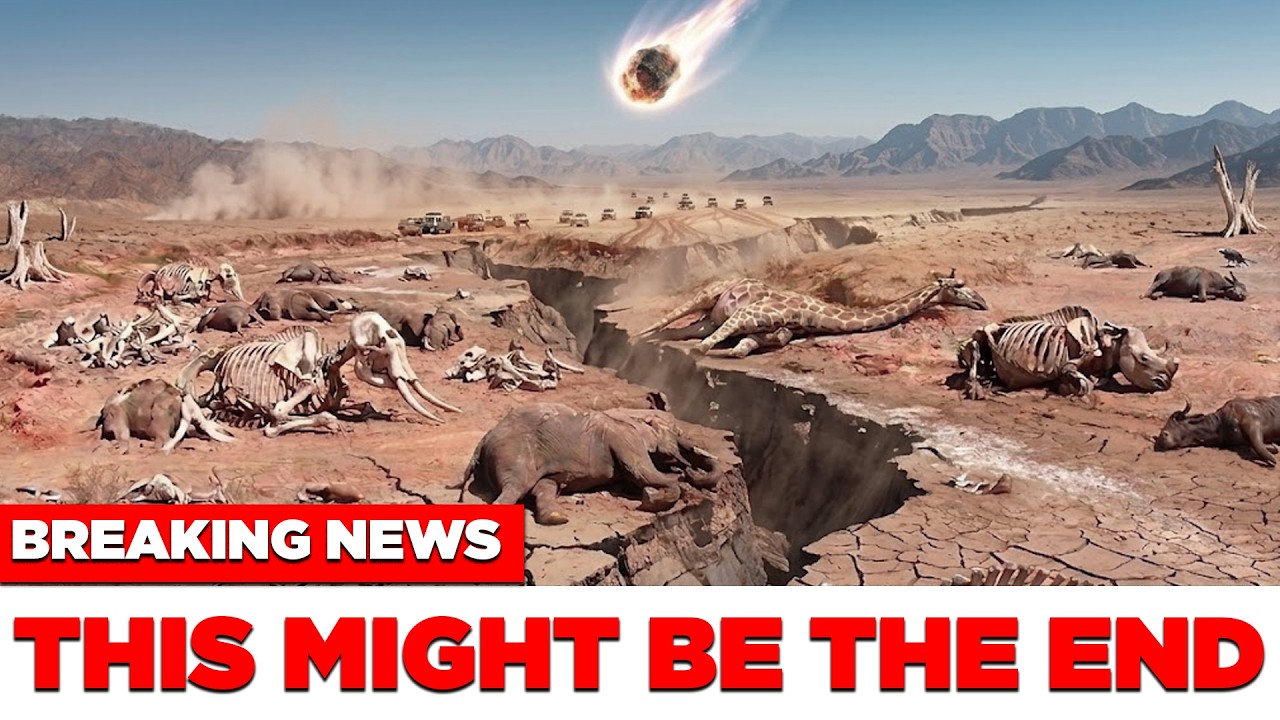
AI ran over 3,800 extinction events in Earth’s history, and the pattern it uncovered is deeply unsettling. Past collapses, from the dinosaurs to earlier mass die-offs, seemed random, driven by asteroids or climate shifts.
More than 99 percent of all species that have ever lived on Earth are now extinct. Under normal conditions, the fossil record shows a steady background extinction rate, with new species replacing those that disappear and total diversity remaining roughly stable. But there have been five moments in the last 540 million years when extinction rates accelerated far beyond that baseline. In each event,…
No megalodon tooth has ever been dated younger than 3.6 million years. No carcass, bite mark, or specimen tied to the species exists anywhere near modern waters. Viral videos claim scientists filmed
No megalodon tooth has ever been dated younger than 3.6 million years. No carcass, bite mark, or specimen tied to the species exists anywhere near modern waters. Viral videos claim scientists filmed a living megalodon measuring 115 feet and were silenced. No name, no ship, and no institution is attached to that story. Something was measured, but it was not a shark.The number 115 feet does not come…
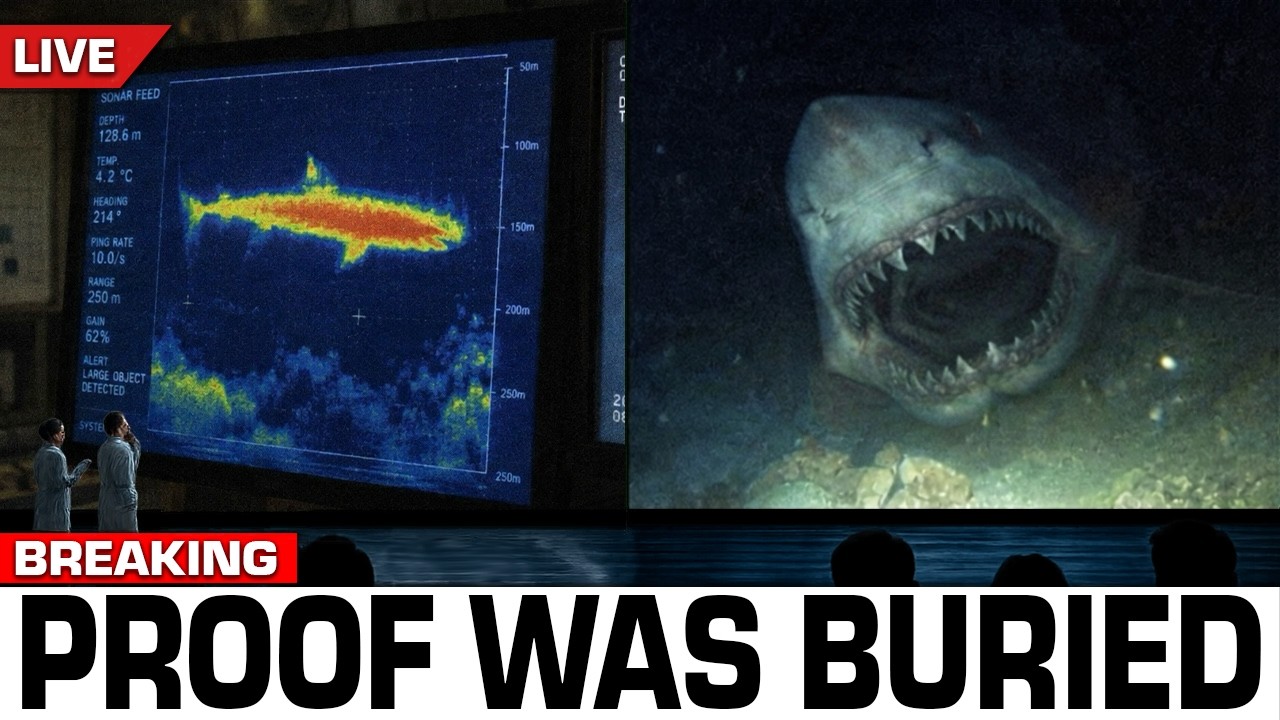
Fossil evidence indicates that Otodus megalodon went extinct roughly 3.6 million years ago. Paleontologists consider this one of the more settled questions in their field, supported by a substantial
Fossil evidence indicates that Otodus megalodon went extinct roughly 3.6 million years ago. Paleontologists consider this one of the more settled questions in their field, supported by a substantial fossil record and, more recently, by analysis of the shark’s physiology. Despite this, claims that a living megalodon was filmed by an oil rig camera and that the footage was subsequently deleted have…
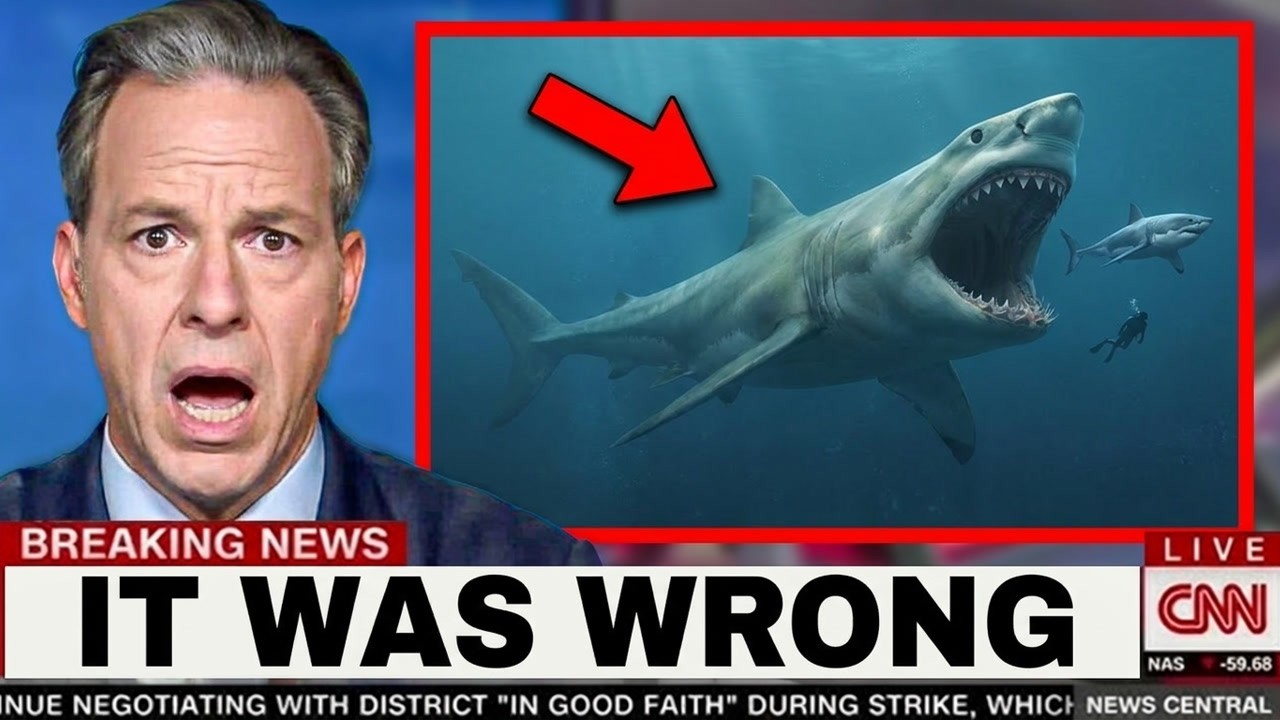
Scientists had always portrayed the megalodon as a giant great white shark, scaled up from teeth that looked the same but were far larger. For over a century, that assumption went virtually unchallenged in museums and movies.
Nearly every image of the megalodon ever produced—in films, museums, and textbooks—has been a reconstruction based on limited evidence, not a direct portrait. Because shark skeletons are made of cartilage, which rots quickly rather than fossilizing, no complete megalodon skeleton has ever been found in over 150 years of searching.What scientists do have are teeth, which are abundant. A single shar…