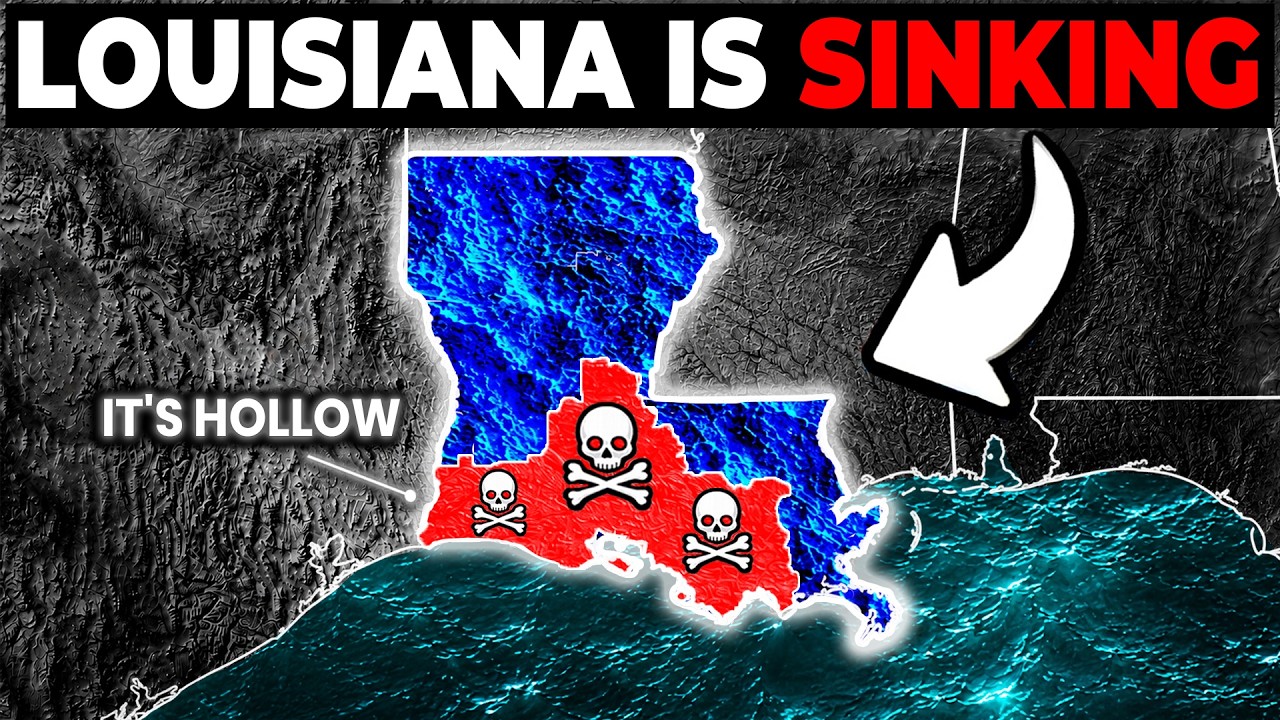
Deep in the Louisiana bayou, generations of locals have whispered about what lurks beneath the murky water, a secret tied to the swampland’s very name. Over the decades, fishermen and guides have reported strange lights, odd sounds, and bodies that never surface.
Louisiana’s coastal region, commonly known as the bayou, presents a landscape of swamps, marshes, and slow-moving water. Beneath this familiar scenery, however, are a series of lesser-known stories involving engineering projects, ecological changes, and historical events that have shaped the area.A sinkhole opened near Bayou Corne in Assumption Parish in August 2012, swallowing about two acres of…
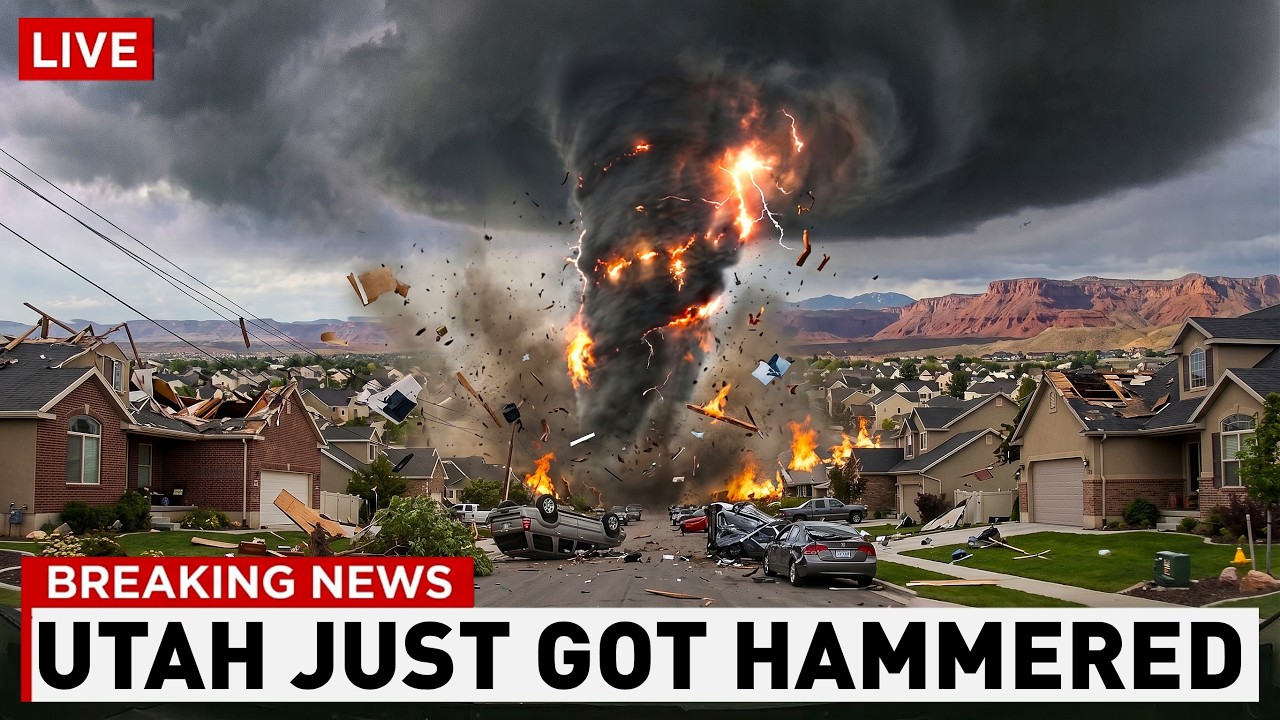
Utah residents watched the sky darken as hail the size of softballs slammed into cars, shattering windshields and denting roofs across the region. The freak storm struck with terrifying speed on Monday, trapping drivers on highways while a rare tornado touch-down added another layer of chaos.
In Utah, a large fissure has opened in the earth, cutting across the landscape in several rural areas. The crack, which has appeared in places like Cedar Valley and Enoch, has drawn attention from geologists but has not generated widespread public alarm. The Utah Geological Survey has studied the phenomenon and attributes it primarily to ground subsidence caused by the depletion of underground aqu…
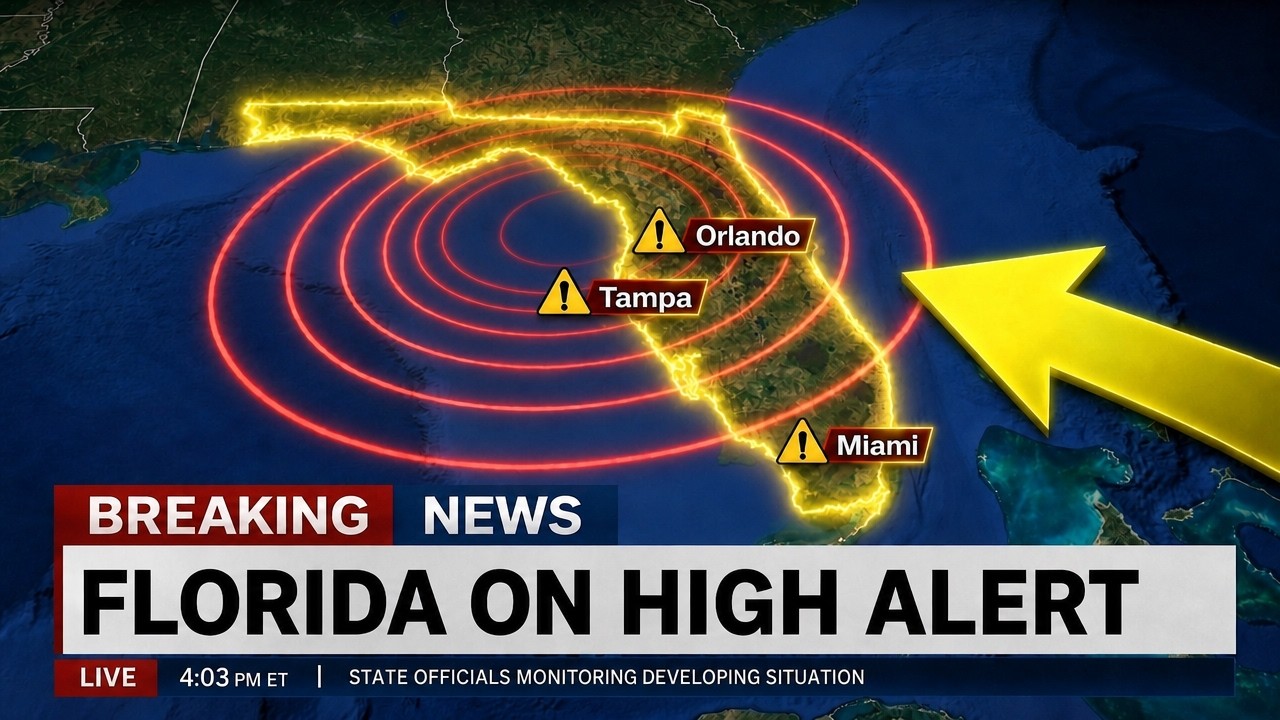
Why Florida is the most geologically extreme state isn’t about volcanoes—it’s about hidden contradictions. This flat, seemingly stable peninsula sits on ancient limestone riddled with thousands of sinkholes, some opening without warning.
Florida is widely known for its beaches, theme parks, and year-round warm weather. Beneath that familiar image, however, the state has a distinctive geological and cultural character rooted in its origins as land that was once entirely submerged. Much of the state’s history, wildlife, and even its modern challenges can be traced back to that fact.For tens of millions of years, a large portion of w…
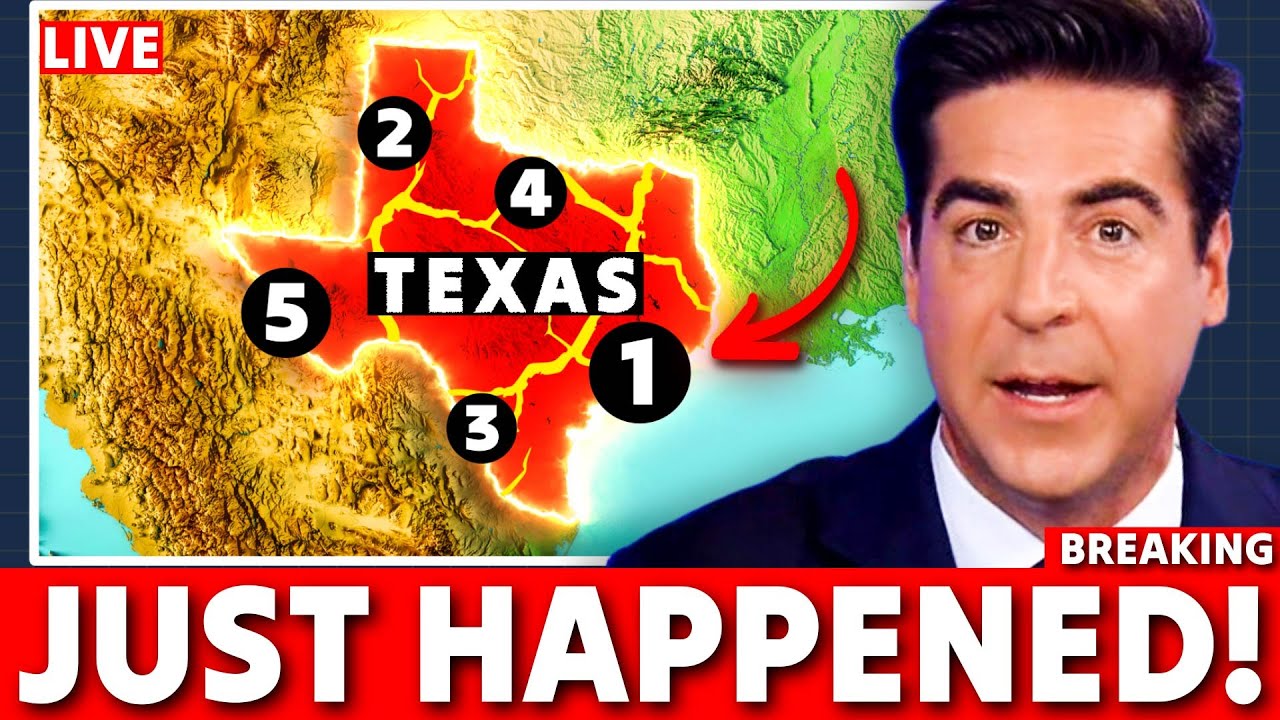
Geologists are reeling from shock after a stunning discovery was just exposed in Texas. The find emerged during routine field work in a region long considered geologically stable, adding to the intrigue.
A consistent pattern of ground collapse in West Texas, long associated with oil and gas production, has drawn ongoing attention from geologists and residents. Two large sinkholes near the towns of Wink and Kermit have expanded or shifted since the first one appeared in 1980. The first crater measured roughly 360 feet across. A second, larger sinkhole opened in 2002 less than a mile away, stretchin…
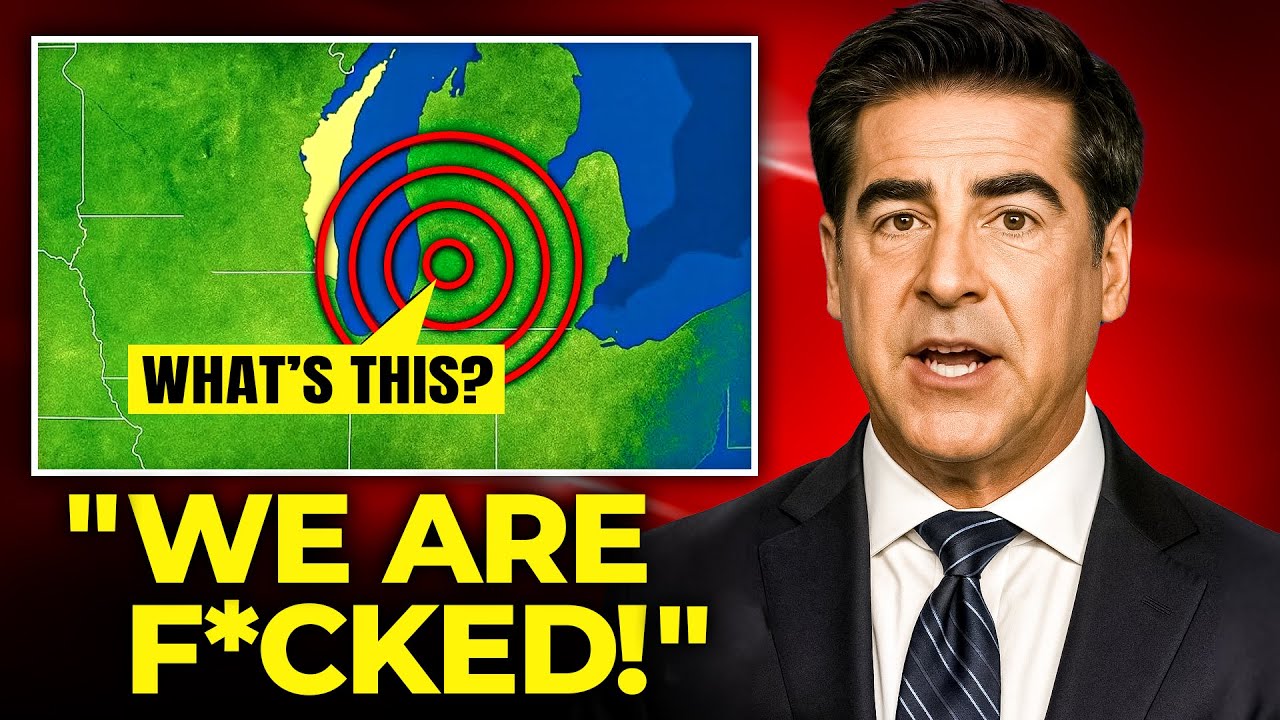
Scientists just discovered massive, mysterious holes scattered across the floor of Lake Michigan, leaving geologists scrambling for answers. The bizarre sinkhole-like formations were found by researchers using advanced sonar mapping, raising immediate red flags about what lurks beneath the cold, deep water.
Researchers monitoring the floor of Lake Michigan have documented a number of large, circular holes appearing in the lake bed. The formations, some up to 40 meters wide, have been found in regions previously considered geologically stable. The cause of the holes is not yet known.The discovery began during routine scans of sediment layers. Researchers noticed circular depressions that were unusuall…

Researchers finally drained China’s deepest sinkhole, and the discovery beneath stunned the team. Xiaozhai Tiankeng, plunging over 600 meters, had long hidden its floor from human eyes.
In early 2022, engineers conducting land surveys in Leye County, in the Guangxi region of southern China, identified a large depression in the terrain through satellite scanning. The feature was significantly larger and deeper than any documented geological formation in the area. Local residents had long referred to the site as “heaven’s mouth,” and stories told of birds disappearing when they fle…
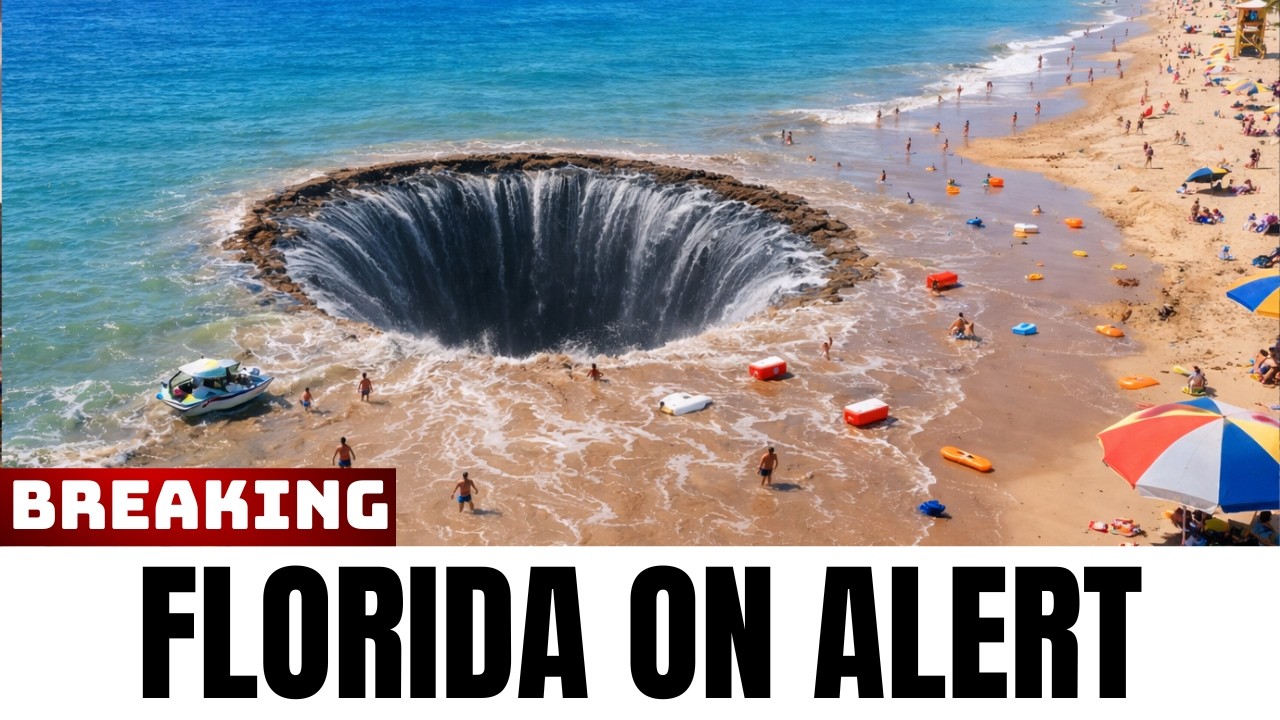
Florida’s ground is giving way—a $2.4 trillion sinkhole crisis is now spreading north along the East Coast. What began as localized collapses in the Sunshine State has suddenly escalated into a regional threat, forcing engineers to recalculate what they once believed was safe.
Geological surveys along the southeastern Atlantic coast are tracking a series of underground shifts that began with a significant collapse in South Florida and may signal broader instability in the region’s limestone foundation. The event, which opened large sinkholes and damaged beachfront areas, has prompted researchers to examine whether the underlying rock structure, which extends more than 1…
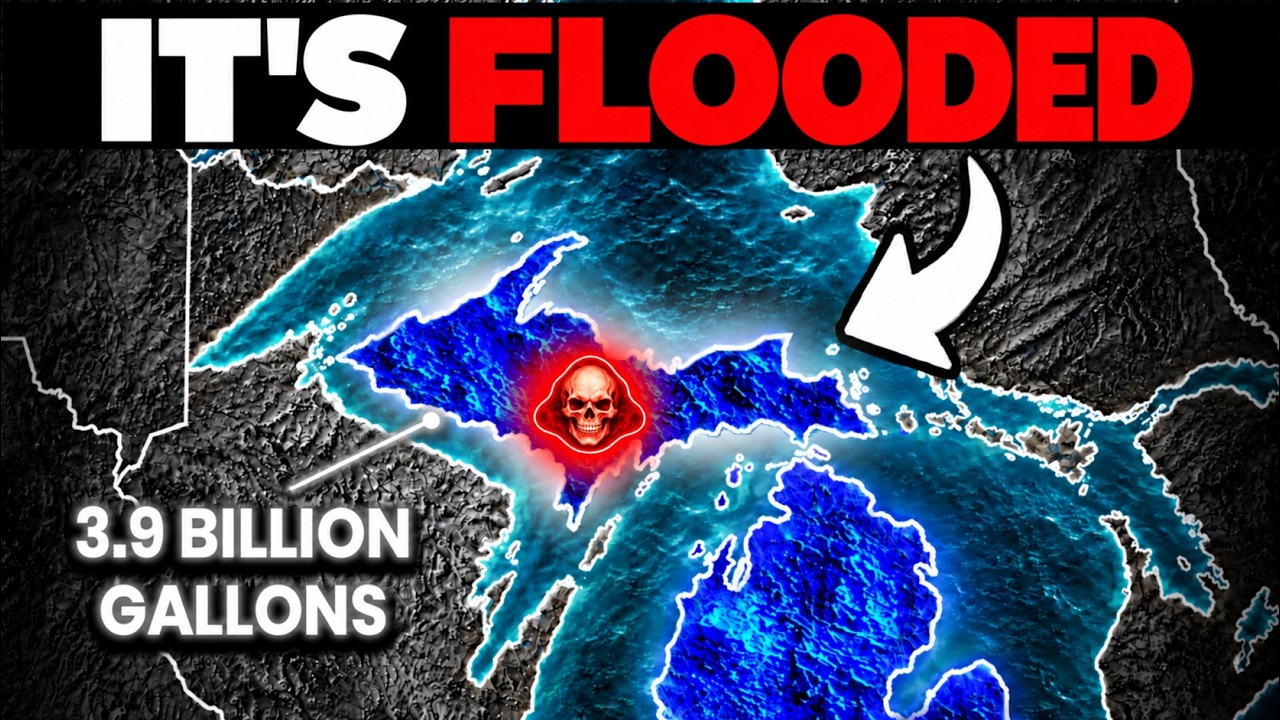
Michigan’s Upper Peninsula is hiding something far more dangerous than locals ever imagined, and it’s been there for decades. Tourists flock to the region for its forests and lakes, completely unaware of what lurks beneath the surface.
Underneath Quincy Hill, near Hancock in Michigan’s Upper Peninsula, sits roughly 3.9 billion gallons of water. It is not a surface lake or river, but water contained within the hill itself, enough to fill nearly 6,000 Olympic swimming pools. The water grows warmer with depth, with the surrounding rock reaching close to 90 degrees near the bottom. It has remained at the same level for over 60 years…
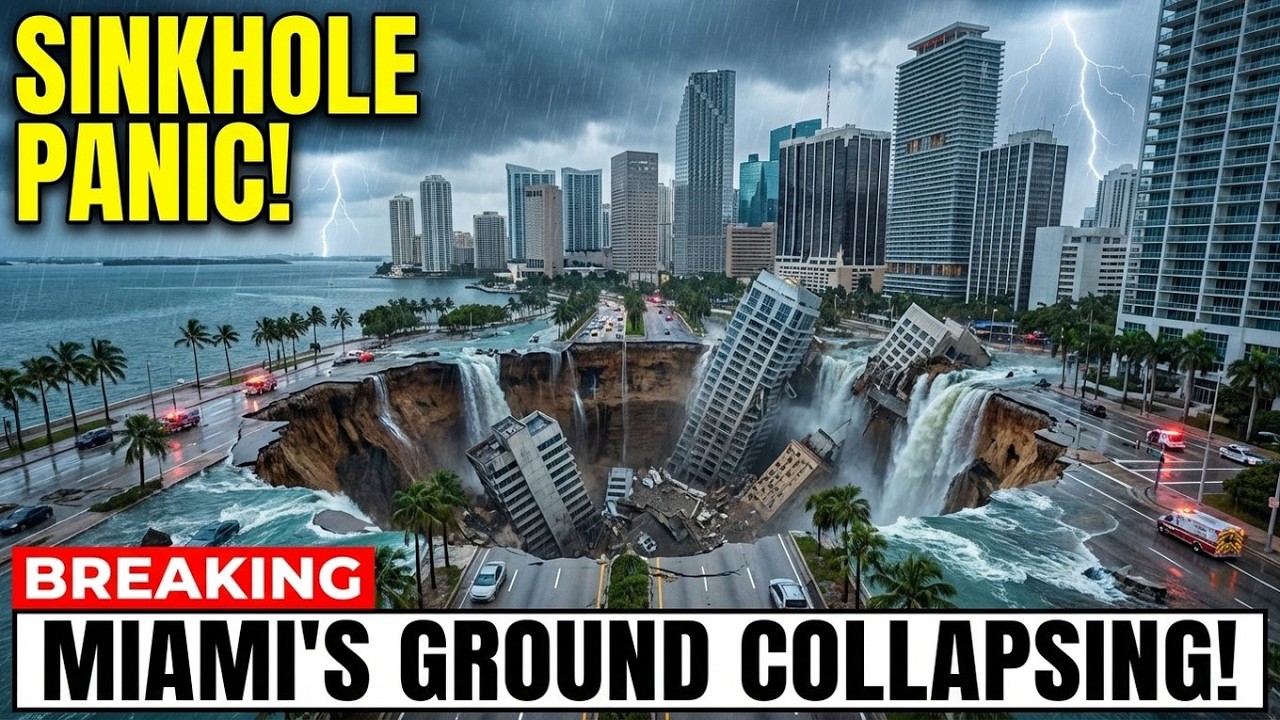
Miami’s underground is shifting faster than anyone predicted, and experts say the city’s very foundation is now at risk. Decades of construction have pushed deeper into unstable limestone, a rock layer that dissolves easily when groundwater moves through it.
In December, a series of underwater sinkholes opened along Florida’s Atlantic coast, prompting a large-scale emergency response and raising questions about the stability of the region’s geological foundation.The first collapse was detected on December 18 at 6:47 a.m. when a Coast Guard patrol boat off Deerfield Beach recorded a depth of 40 feet where charts indicated 12 feet. Aerial surveillance s…
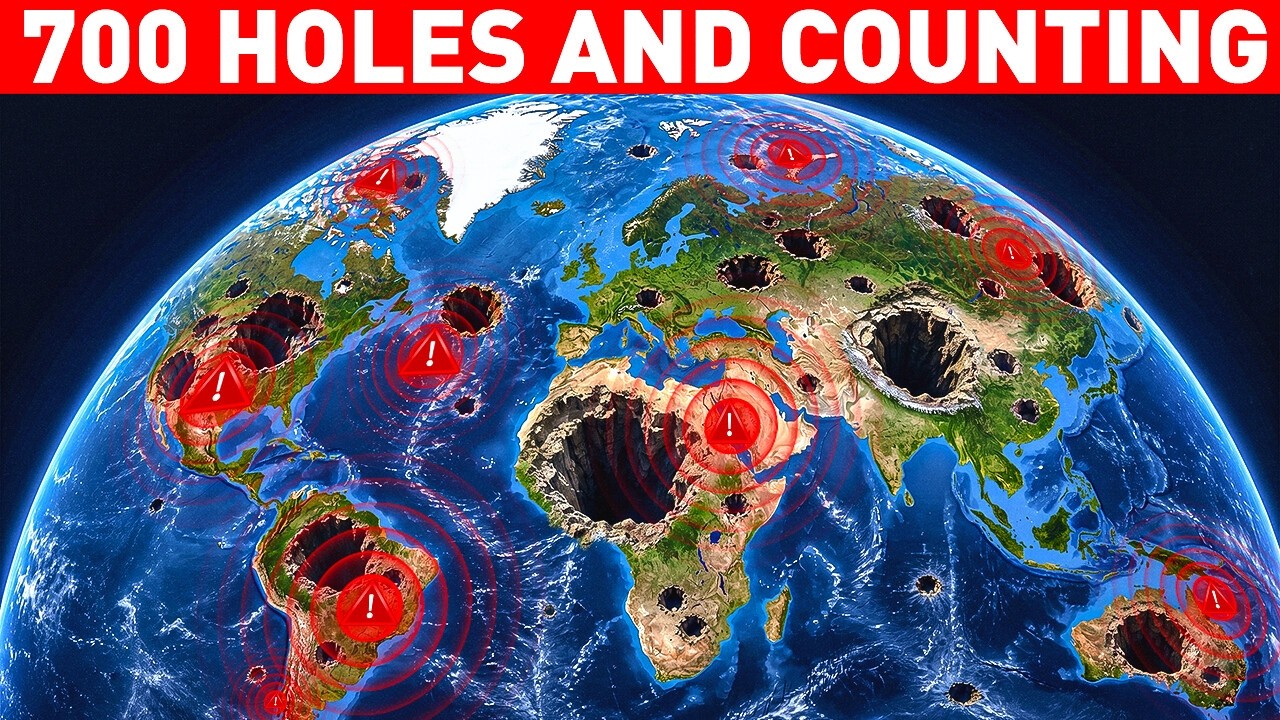
Sinkholes are appearing with increasing frequency in many parts of the world, often with little warning. The ground can remain stable for years while water gradually erodes the rock below, creating
Sinkholes are appearing with increasing frequency in many parts of the world, often with little warning. The ground can remain stable for years while water gradually erodes the rock below, creating large underground cavities. When the surface layer can no longer support its own weight, it collapses, sometimes taking cars, buildings, or sections of road with it.In Turkey, a large sinkhole opened ne…