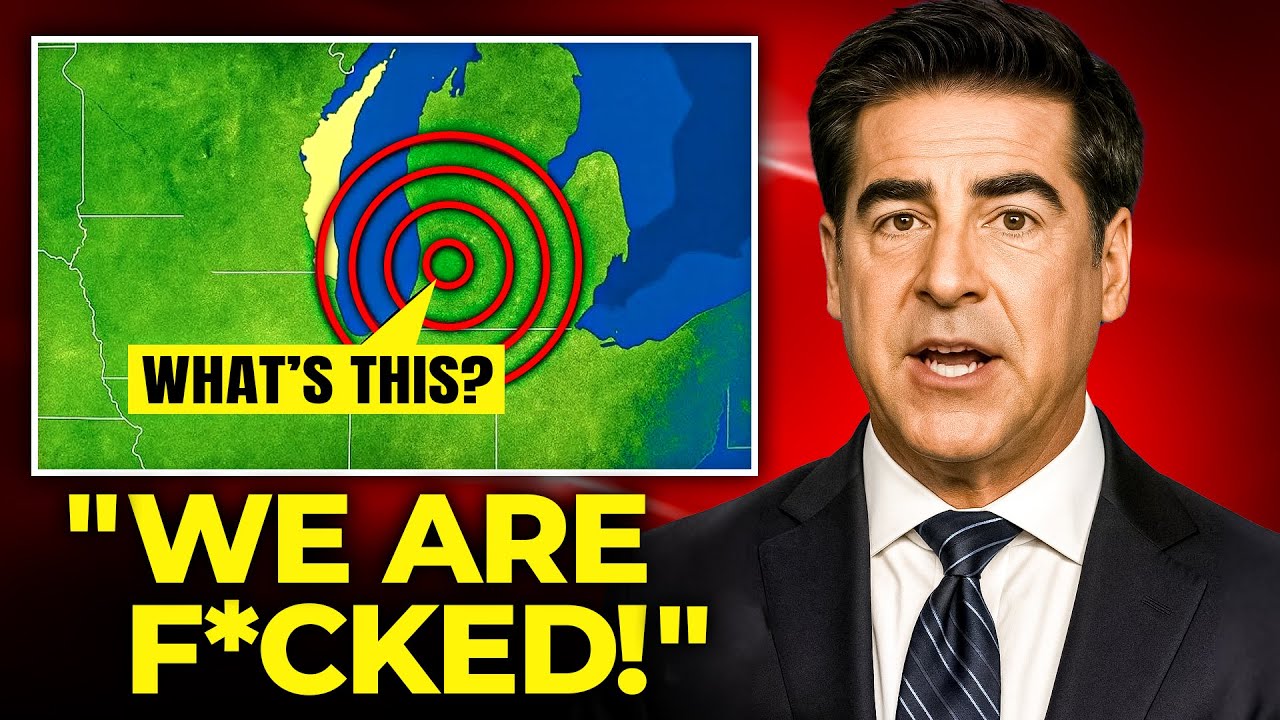
Scientists just discovered massive, mysterious holes scattered across the floor of Lake Michigan, leaving geologists scrambling for answers. The bizarre sinkhole-like formations were found by researchers using advanced sonar mapping, raising immediate red flags about what lurks beneath the cold, deep water.
Researchers monitoring the floor of Lake Michigan have documented a number of large, circular holes appearing in the lake bed. The formations, some up to 40 meters wide, have been found in regions previously considered geologically stable. The cause of the holes is not yet known.The discovery began during routine scans of sediment layers. Researchers noticed circular depressions that were unusuall…
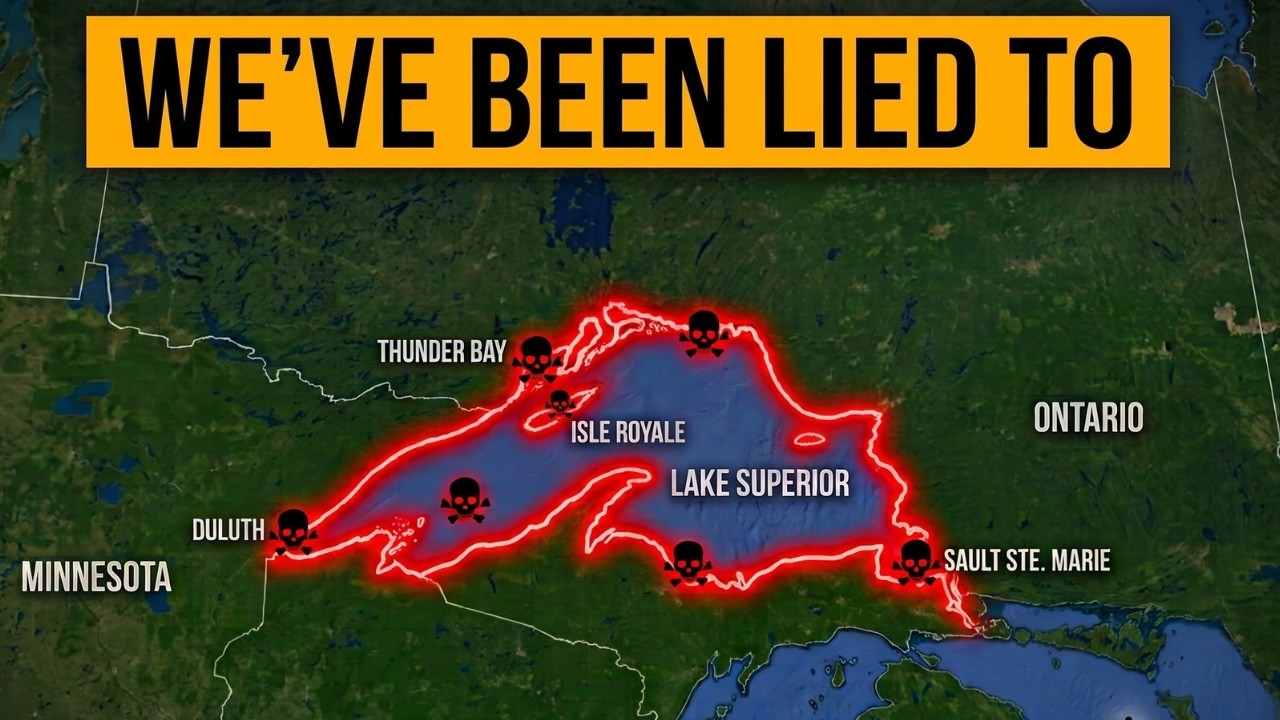
Lake Michigan hides a secret that researchers have spent decades trying to explain. Sonar scans of the deep floor have revealed stone structures that look far too organized to be natural.
Lake Superior is the largest freshwater lake in the world by surface area, covering roughly 31,700 square miles. It holds about three quadrillion gallons of water, which is half of the entire volume of the Great Lakes system. The lake is so deep that its lowest point reaches about 1,333 feet below the surface, and its average depth is around 483 feet.The lake formed through a different process tha…

Every summer, swimmers flock to Lake Michigan’s inviting shores, yet it quietly holds a deadly title. The lake’s notorious rip currents, which can pull even strong swimmers far from safety, have claimed more lives in recent years than any other Great Lake.
Lake Michigan spans 307 miles in length and 118 miles at its widest point, holding just over 1,000 cubic miles of water. Its average depth is 279 feet, with a maximum of 923 feet. This enormous inland sea generates its own weather systems, moves in complex underwater currents, and stays cold enough to preserve what sinks into it for decades.For thousands of years before European settlement, Indige…

Beneath the Great Lakes, something massive just surfaced—and scientists are scrambling to explain it. What started as routine sonar mapping turned into a full-scale investigation when researchers detected an enormous, unexplained structure buried deep under the lakebed.
In 2022, researchers mapping the floor of Lake Michigan discovered a series of large, circular craters. The formations, which range from 300 to 600 feet wide and plunge nearly 40 feet deep, are located about 500 feet below the surface. A closer survey in August 2024, using a remotely operated vehicle, identified roughly 40 of these structures.Scientists have proposed several explanations for the c…

The ground beneath Lake Michigan just unleashed a massive 8.8 magnitude tremor, and scientists say something profound is shifting far below the surface. Seismographs near the region captured readings that immediately triggered alarms, as the quake’s depth and force defied normal expectations for the area.
In 2022, a team of researchers mapping the floor of Lake Michigan with sonar detected a series of large, circular depressions at a depth of roughly 500 feet. The features, which number in the dozens, range from 300 to 600 feet in width and reach depths of about 40 feet. Their near-perfect circular shape and alignment initially puzzled the scientists, who could not identify a natural process that w…

Explorers mapping Lake Michigan’s floor found dozens of massive, near-perfect circular holes at 500 feet deep, some over 600 feet wide. Sonar scans in 2022 revealed roughly 40 depressions arranged in eerie, footprint-like patterns no one has documented in the Great Lakes.
Explorers mapping the bottom of Lake Michigan have identified dozens of large circular depressions in the lakebed. The discovery was made using sonar equipment, and researchers are still determining what created the formations.In 2022, a team of researchers was using sonar to map the lake floor and search for shipwrecks. They expected to see standard rock formations and sand deposits. Instead, the…
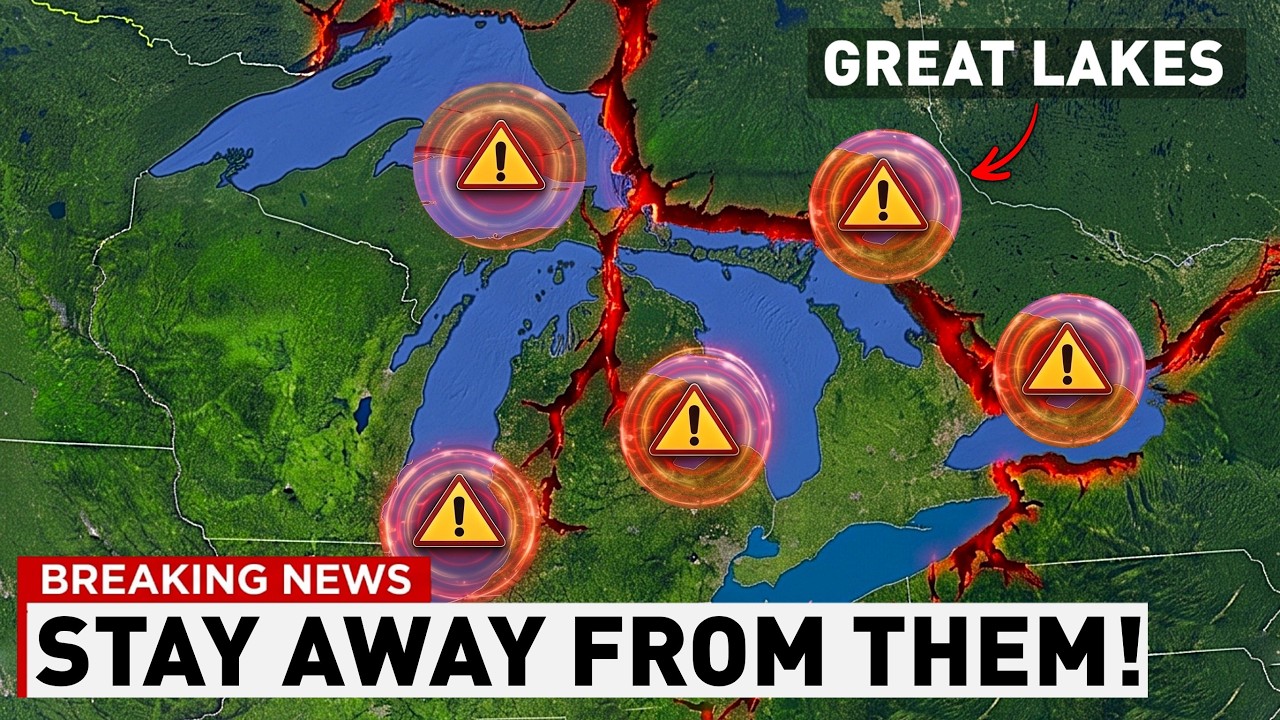
For decades, scientists mapped the Great Lakes as a familiar, ancient landscape—until sonar scans revealed something buried beneath the waves that defied everything they thought they knew. The
In 2022, a team of researchers set out to map the floor of Lake Michigan and search for shipwrecks. They expected typical rocky terrain and sandy patches. Instead, their sonar screens revealed vast, perfectly circular craters scattered across the lakebed, sitting about 500 feet beneath the surface.The formations are enormous, ranging from 300 to 600 feet wide and plunging nearly 40 feet deep. Doze…