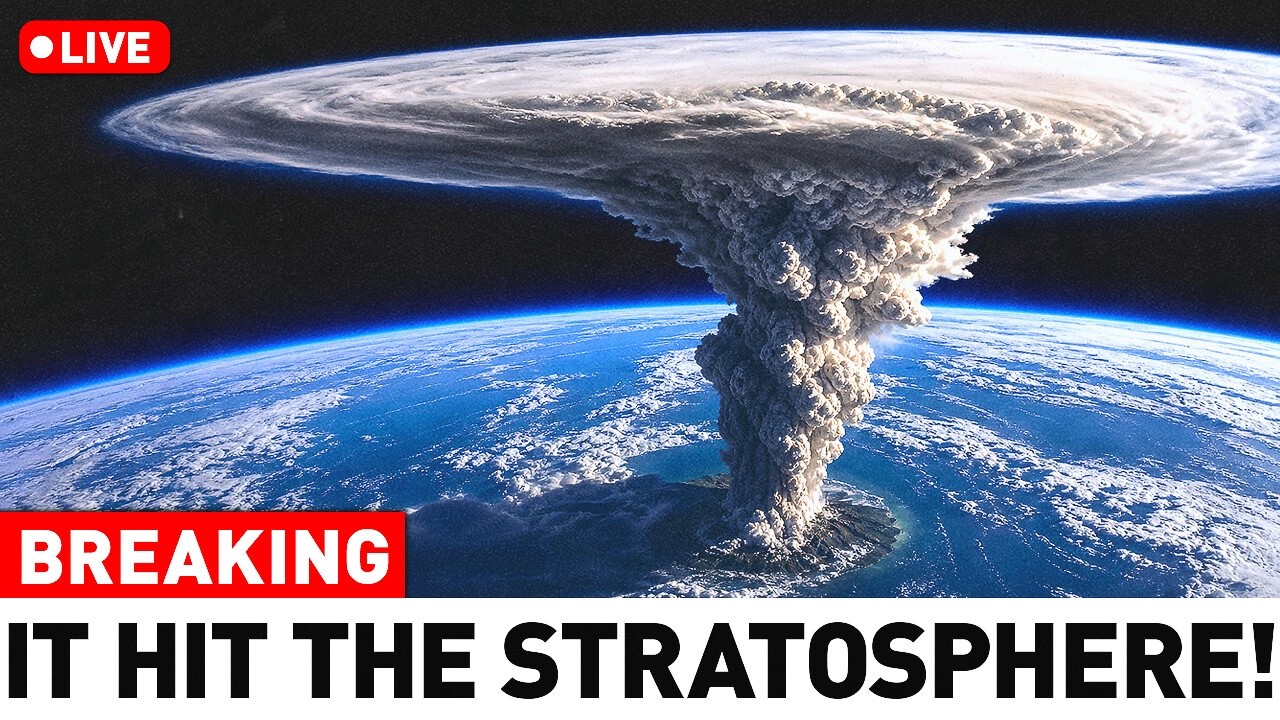
Mount Tambora’s 1815 blast hurled ash into the stratosphere, darkening skies across the globe. Historians call it the largest eruption in recorded history, yet the true catastrophe unfolded months later.
A supervolcano is a volcano capable of ejecting at least 240 cubic miles of material, roughly a thousand times more than a typical eruption. For comparison, that volume of debris would bury a city the size of Chicago under more than a mile of ash and rock. These eruptions leave behind enormous basin-shaped depressions called calderas, which sit above chambers of magma close to the Earth’s surface….