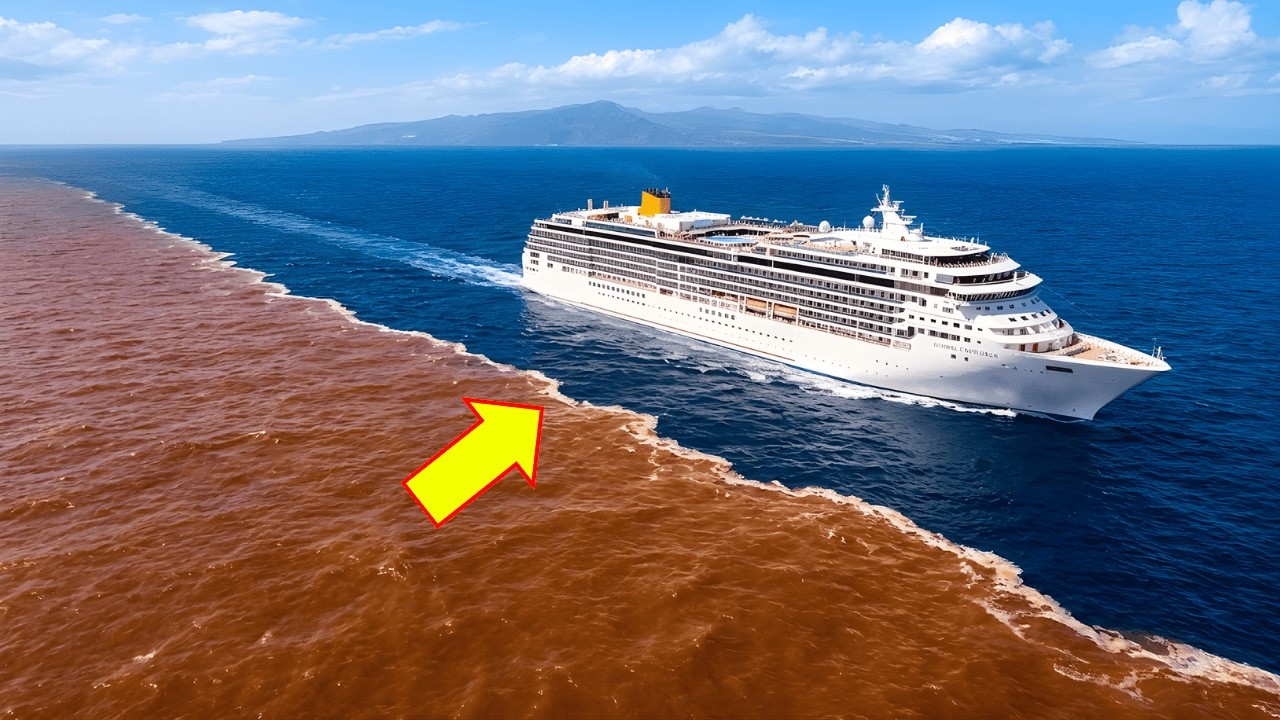
The Pacific and Atlantic Oceans meet at Cape Horn, yet their waters refuse to blend, creating a sharp, visible line that stuns scientists and sailors alike. This striking boundary, where deep blue
The ocean looks like one connected body of water on a map, but in certain places around the world, something impossible seems to happen. Two different masses of water meet, and they refuse to mix. A visible line runs between them, like an invisible border cut through the sea or a transparent wall standing in the middle of the water.On one side, the ocean might be dark blue. On the other side, just…
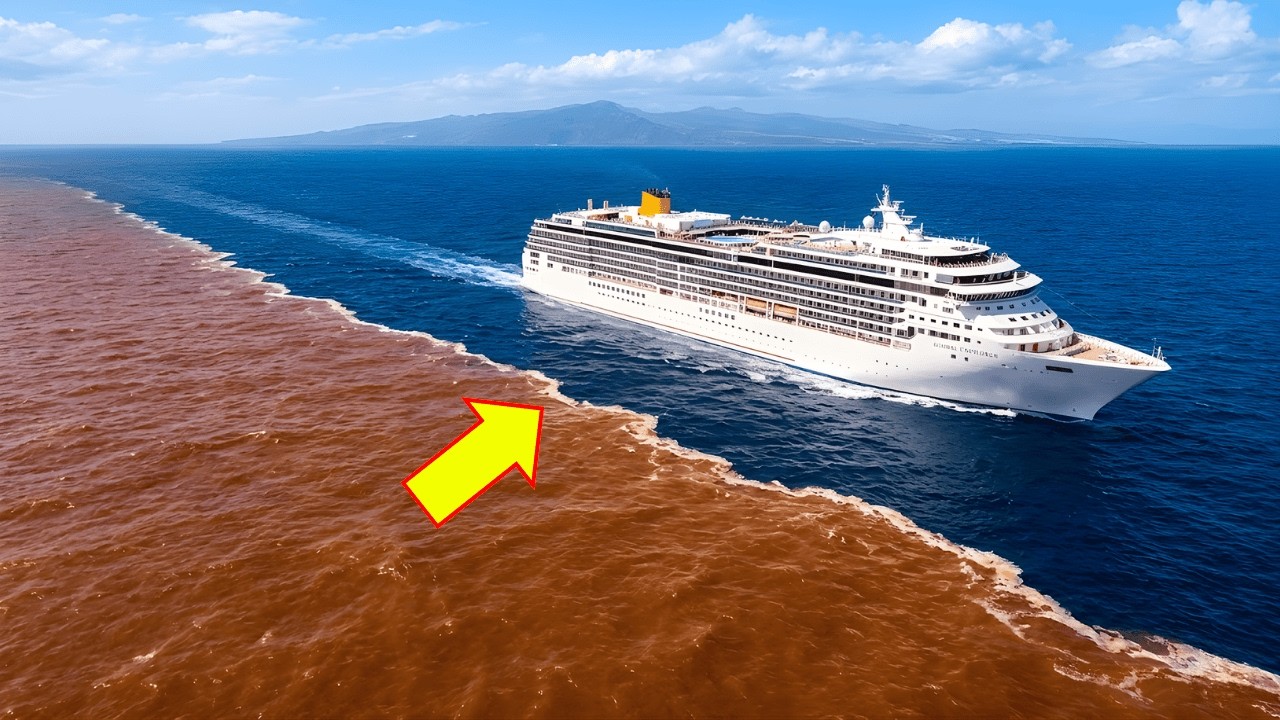
The Atlantic and Pacific Oceans meet in a dramatic clash of blue, and a viral video claims they never mix—but that sharp dividing line is not what it seems. At the Gulf of Alaska, swirling currents
Look at a map of the world’s oceans, and they appear as one continuous, connected body of water. But out on the open sea, in certain locations, something strange happens. Two massive bodies of water collide—and refuse to mix. A visible, sharp line cuts across the surface, running for miles like an invisible border or a transparent wall. On one side, the ocean is a deep, dark blue. A few meters awa…
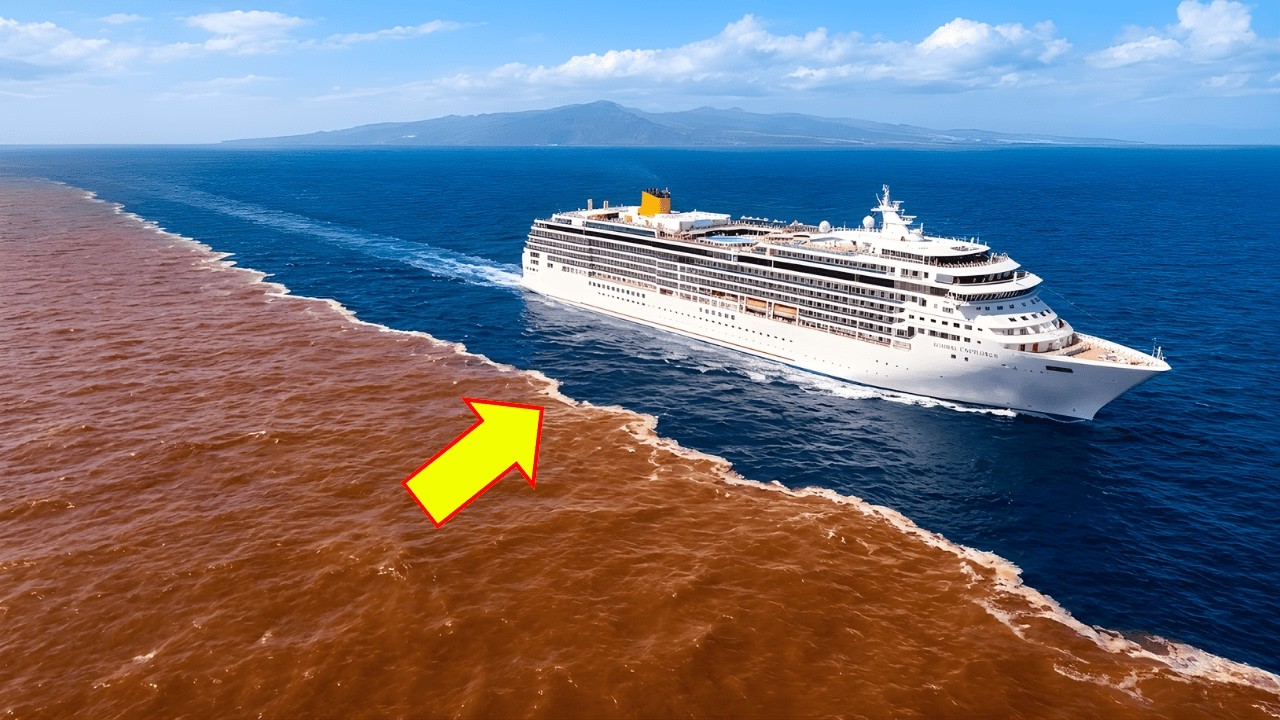
Two oceans collide off South Africa’s Cape Point, yet their turquoise and deep-blue waters refuse to merge, drawing stunned travelers daily. Crossing the churning divide at Cape Agulhas, the official
Look at a map and the world’s oceans appear as one continuous body of water. But out on the open sea, sailors and passengers regularly witness something that seems to defy physics: two massive bodies of water sitting side by side, refusing to blend. A visible line cuts through the surface, separating dark blue water from pale turquoise or cloudy gray, often with a band of white foam marking the bo…