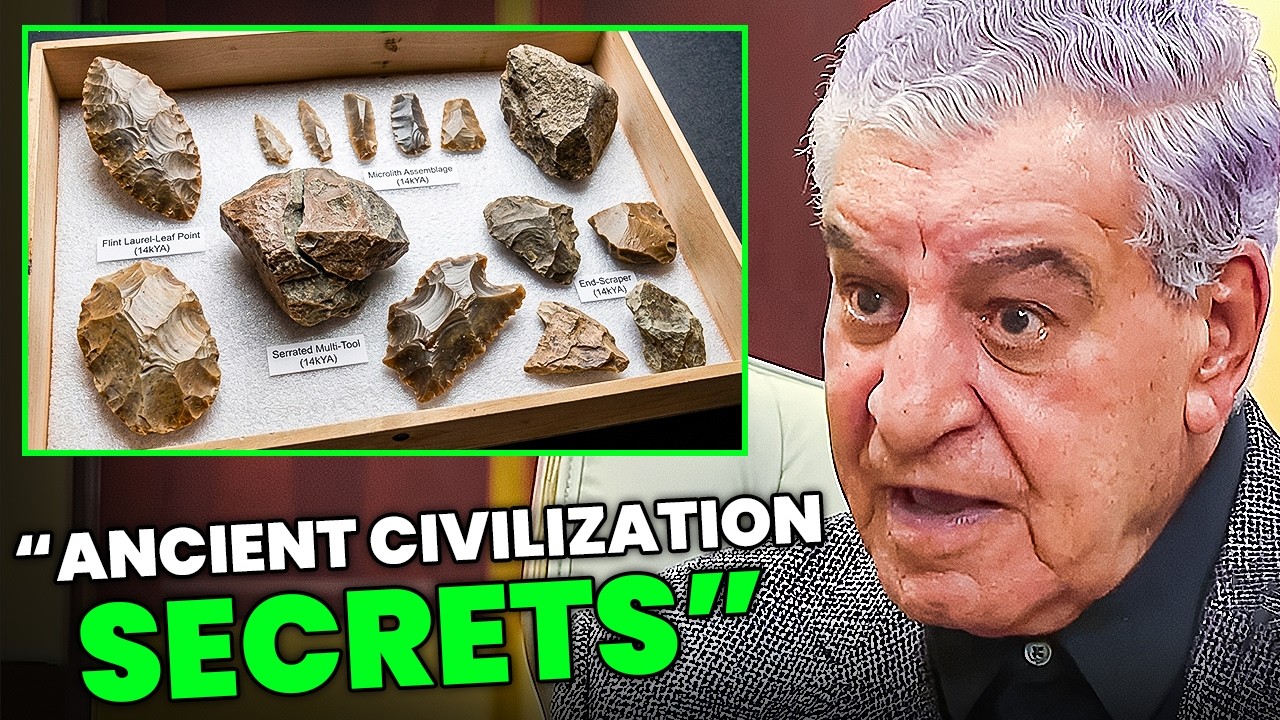
A Navy diver surfaced from a Florida sinkhole holding stone tools dated to 14,500 years ago — a discovery that should not exist. Scientists long insisted humans reached the Americas only about 13,000 years ago, so these artifacts threatened to rewrite the entire timeline.
In 1983, a diver exploring the Aucilla River in Jefferson County, Florida, came across a collection of large bones on the riverbed. The bones belonged to an extinct elephant. The discovery led scientists to a buried sinkhole that contained a well-preserved record of an ancient environment.The site, known as Page-Ladson, was excavated by a team led by paleontologist S. David Webb and archaeologist…
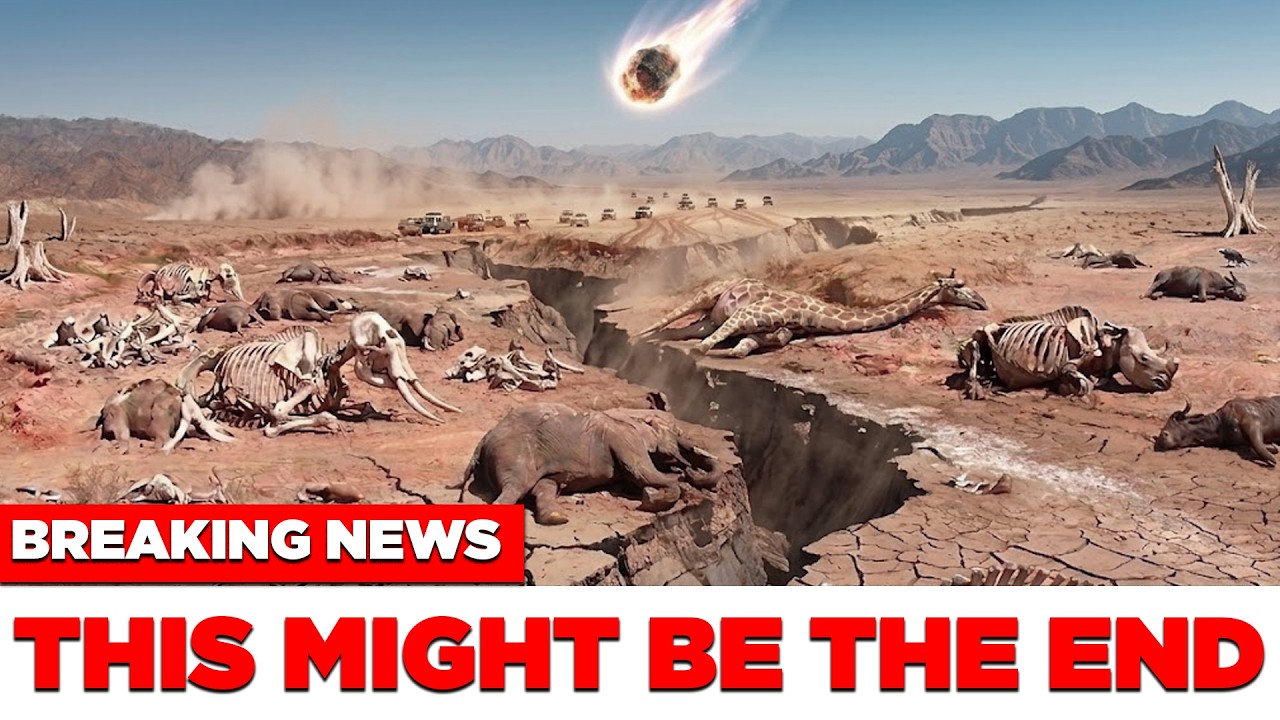
AI ran over 3,800 extinction events in Earth’s history, and the pattern it uncovered is deeply unsettling. Past collapses, from the dinosaurs to earlier mass die-offs, seemed random, driven by asteroids or climate shifts.
More than 99 percent of all species that have ever lived on Earth are now extinct. Under normal conditions, the fossil record shows a steady background extinction rate, with new species replacing those that disappear and total diversity remaining roughly stable. But there have been five moments in the last 540 million years when extinction rates accelerated far beyond that baseline. In each event,…
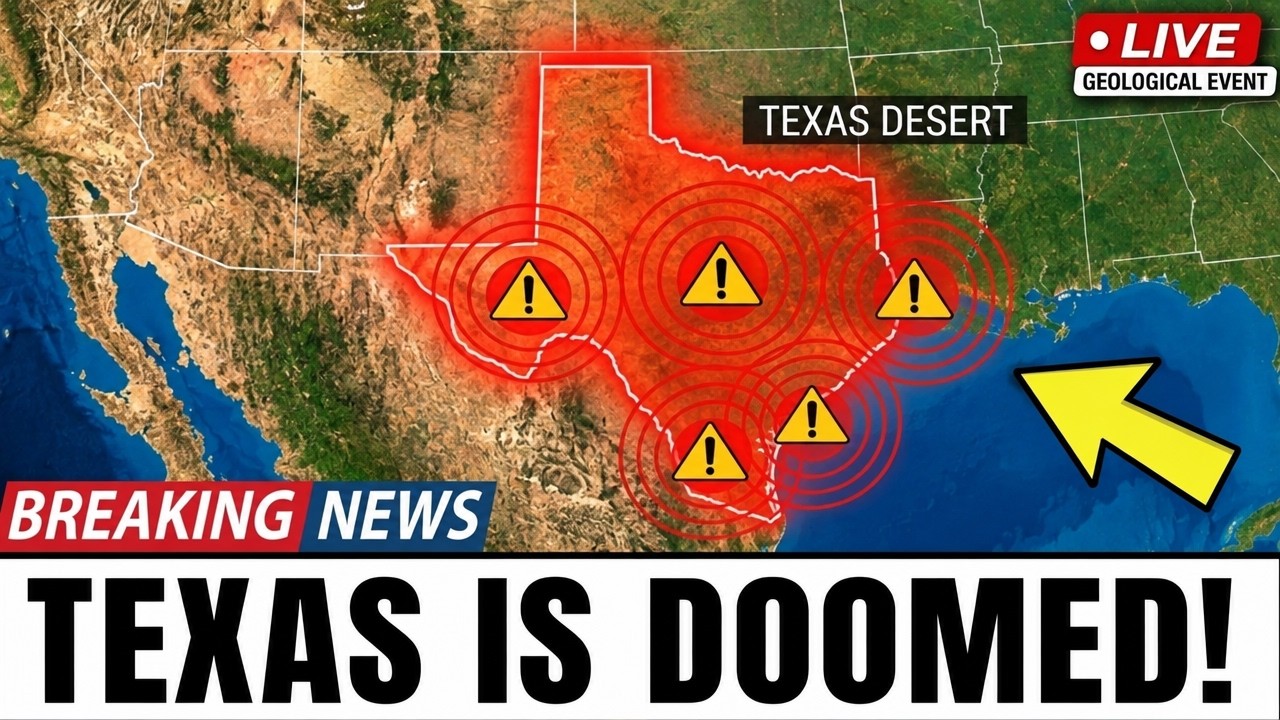
Scientists probing a remote Texas desert site expected ancient rock layers. Instead, they hit something that forces a complete rewrite of the region’s geological history.
Texas has produced a steady stream of scientific discoveries in 2025, with findings spanning archaeology, paleontology, geology, and biology. Researchers working across the state have reported results that add detail to the region’s deep history and its modern ecosystems.Archaeologists have identified a site in Texas dating back more than 13,000 years, which may predate the long-established Clovis…
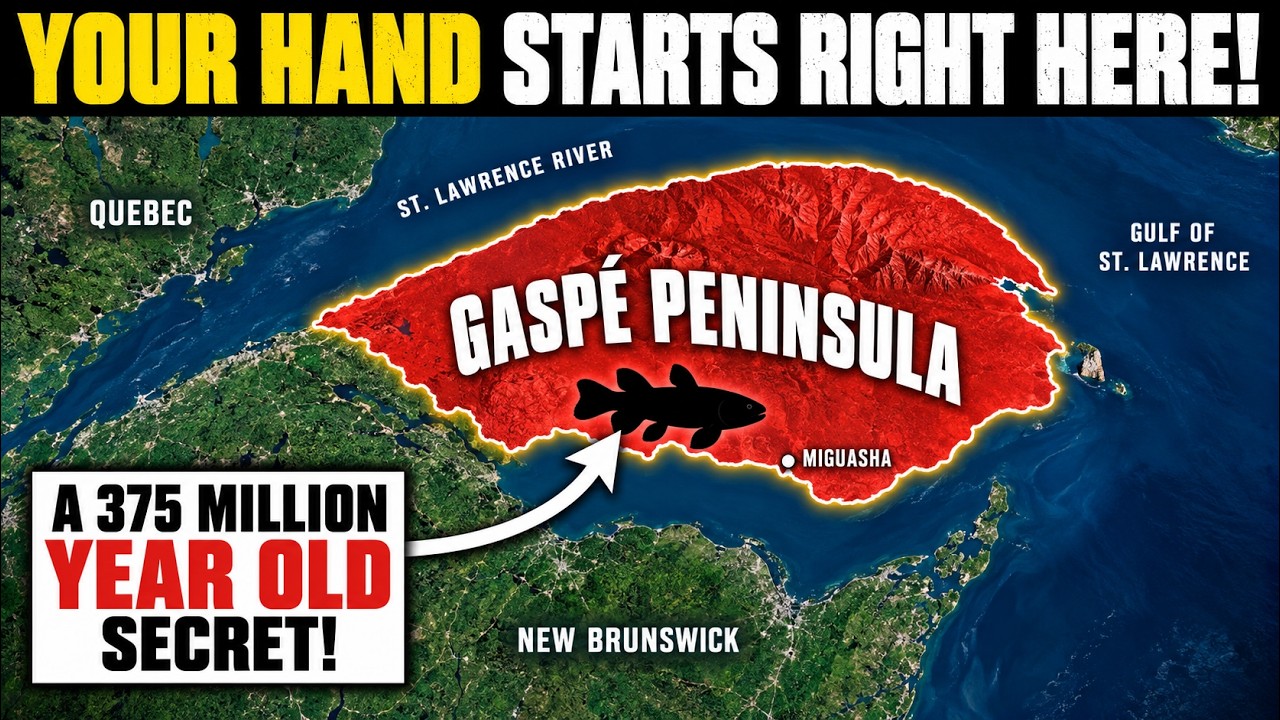
The Gaspé Peninsula hides a secret locals rarely discuss, and it is not the postcard landscapes. Travellers come for the cliffs and whales, but beneath the region’s calm surface lies something far stranger that researchers are only beginning to understand.
The Gaspé Peninsula, a narrow arm of land extending into the Gulf of St. Lawrence at the eastern edge of Quebec, contains a remarkable concentration of geological and biological history. The region is the terminal point of the Appalachian mountain range, which once rivaled the Himalayas in height but has been worn down over hundreds of millions of years. This ancient landscape holds fossils, rare…
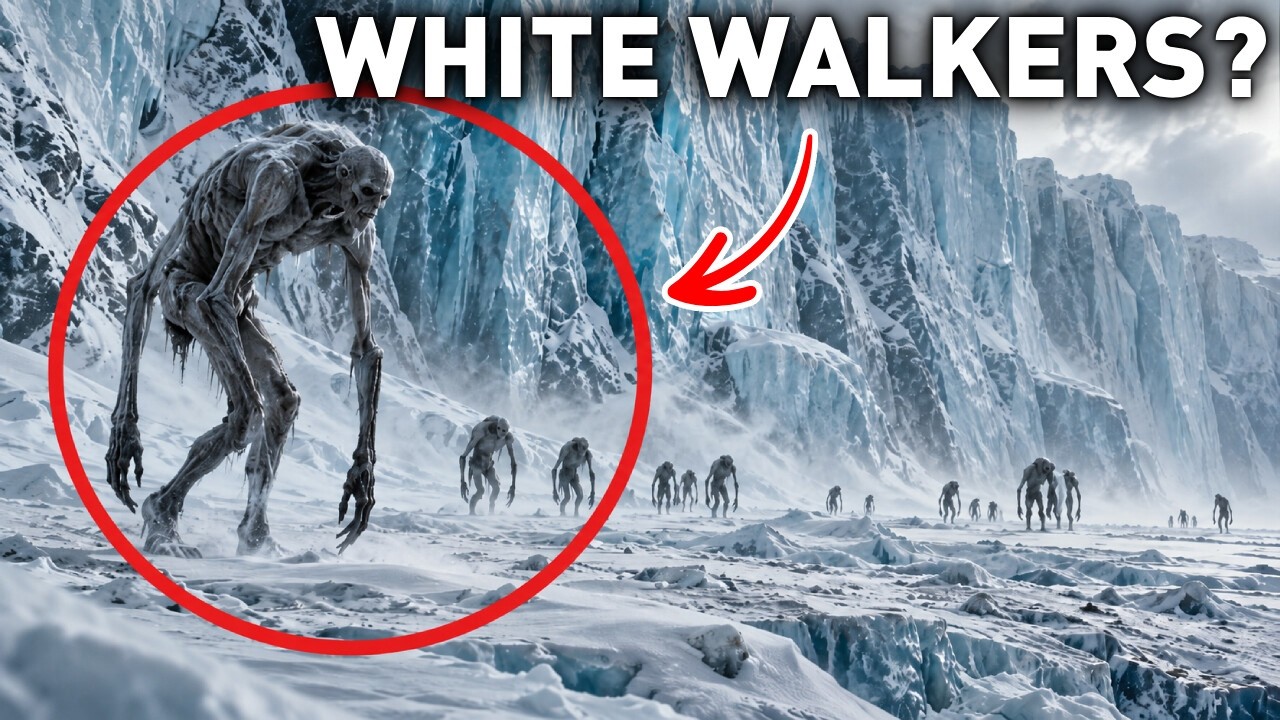
They found something ALIVE near Antarctica’s ice wall, and its arrival defies every expectation of what can survive in that frozen void. Scientists initially believed the discovery was frozen debris, until movement was detected deep within the ice.
About 310 million years ago, the area that is now Illinois was covered by shallow coastal waters and muddy shores. Sediment from rivers often buried marine creatures, and in some cases trapped them in iron-rich nodules before they could decay. That is how soft-bodied animals, which usually do not leave fossils, were preserved in detail at a site known as Mazon Creek.Every known fossil of the Tully…

A fishing crew off Australia claims a 115-foot Megalodon shadowed their boat, a prehistoric predator long thought extinct. The massive shadow reportedly circled them for nearly an hour, matching the
Buried in a cliff on the shores of Chesapeake Bay, paleontologists dig for clues to the biggest and baddest shark that ever lived. Megalodon. But in 1918, off the wild coast of Australia, a crew of hardened fishermen claimed they met it face to face.The morning started like any other for the crayfish fishermen operating out of Port Stevens, New South Wales. The waters around Broughton Island were…
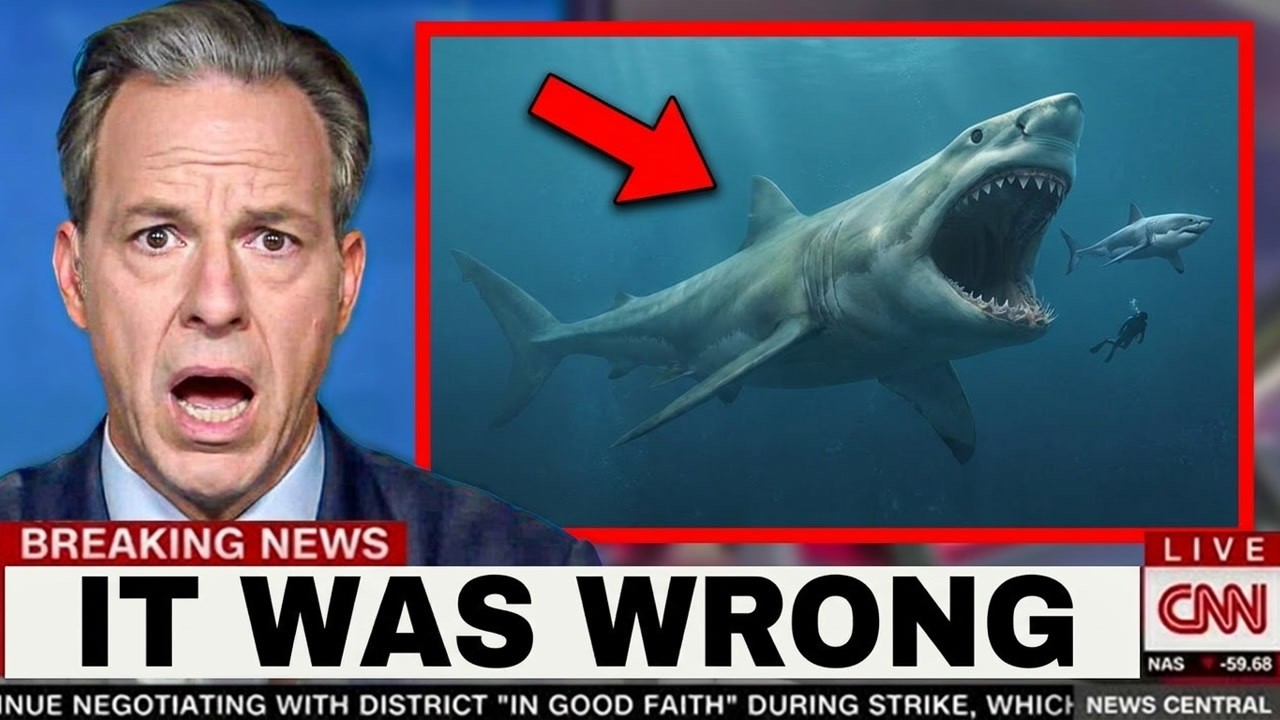
In March 2025, a team of 29 researchers from nine countries published a study that revised the accepted reconstruction of the megalodon, one of the largest predatory sharks ever known. Their work
In March 2025, a team of 29 researchers from nine countries published a study that revised the accepted reconstruction of the megalodon, one of the largest predatory sharks ever known. Their work suggests that the animal was not a larger version of the great white shark, the form long used in museums, films, and textbooks, but a longer, more slender creature whose closest living anatomical match i…
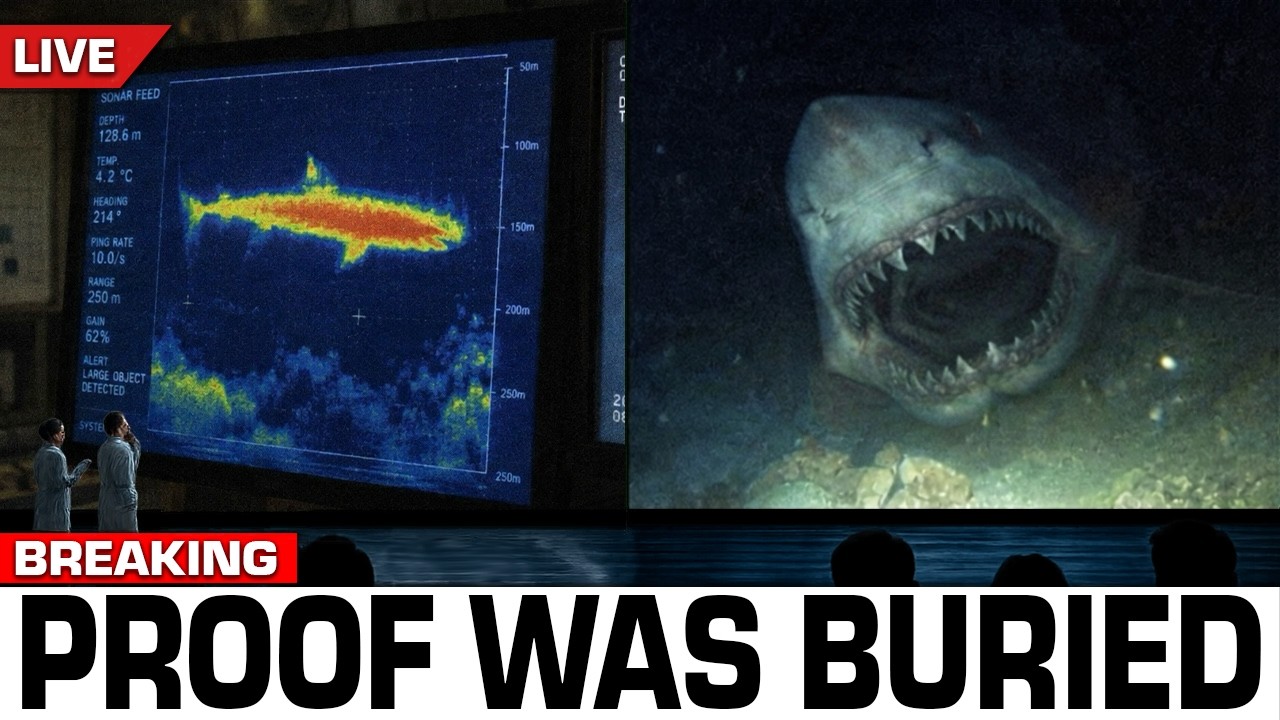
Fossil evidence indicates that Otodus megalodon went extinct roughly 3.6 million years ago. Paleontologists consider this one of the more settled questions in their field, supported by a substantial
Fossil evidence indicates that Otodus megalodon went extinct roughly 3.6 million years ago. Paleontologists consider this one of the more settled questions in their field, supported by a substantial fossil record and, more recently, by analysis of the shark’s physiology. Despite this, claims that a living megalodon was filmed by an oil rig camera and that the footage was subsequently deleted have…
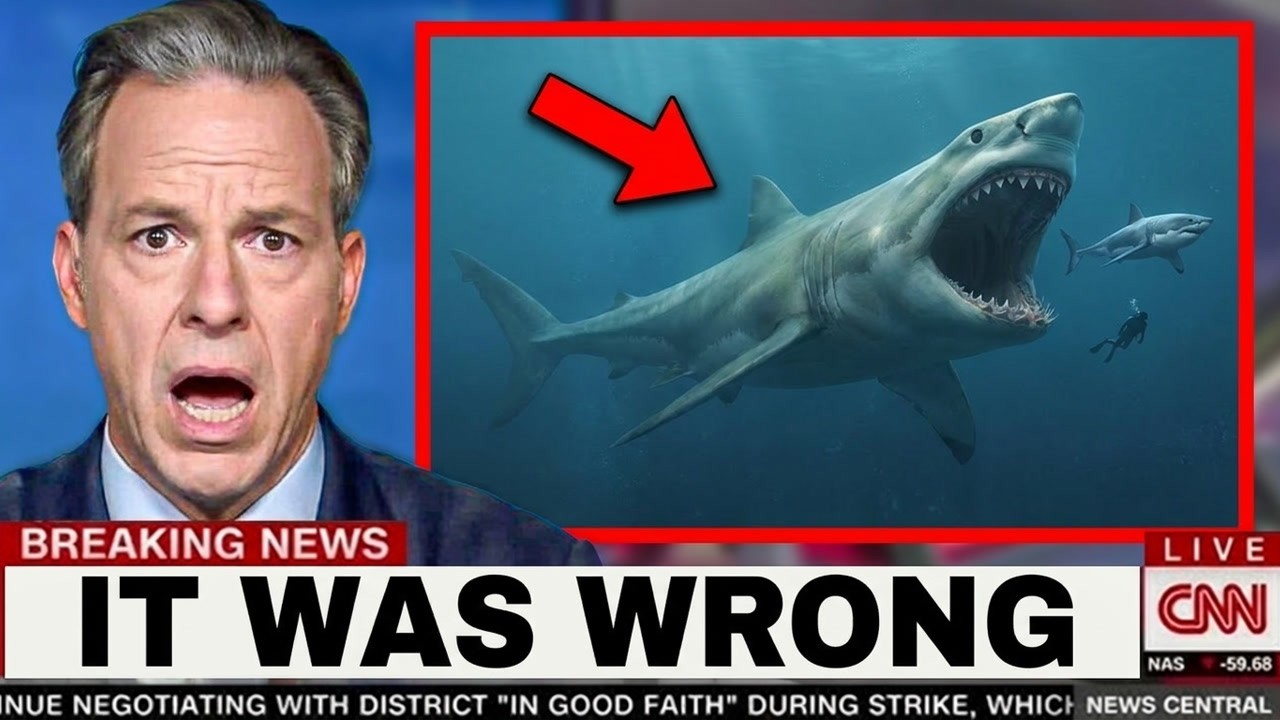
Scientists had always portrayed the megalodon as a giant great white shark, scaled up from teeth that looked the same but were far larger. For over a century, that assumption went virtually unchallenged in museums and movies.
Nearly every image of the megalodon ever produced—in films, museums, and textbooks—has been a reconstruction based on limited evidence, not a direct portrait. Because shark skeletons are made of cartilage, which rots quickly rather than fossilizing, no complete megalodon skeleton has ever been found in over 150 years of searching.What scientists do have are teeth, which are abundant. A single shar…