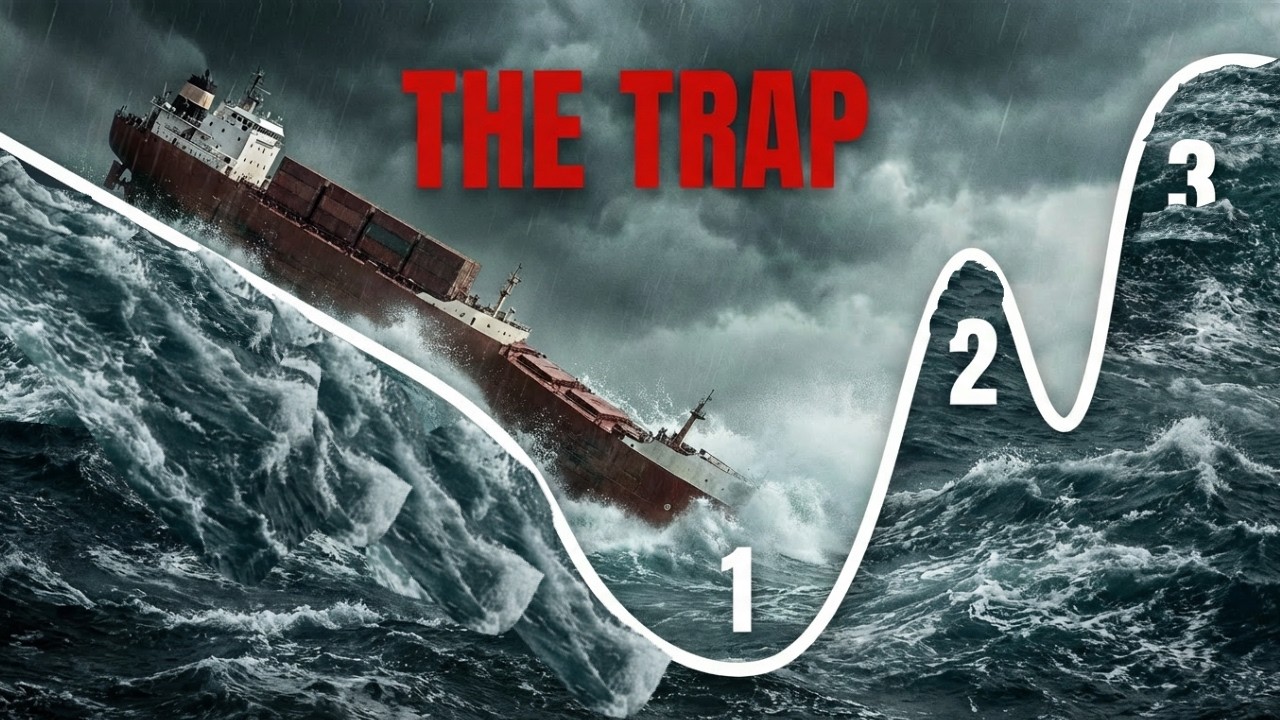
A phenomenon called the “Three Sisters” is terrifyingly real for ships, and it may have caused a famous sinking. These are not ghost ships, but rogue waves: three massive, consecutive waves that can strike a vessel in rapid succession.
The Great Lakes produce a distinctive wave pattern known to sailors as the three sisters. It consists of a set of three large waves arriving in rapid succession, each one larger than the last. The pattern is especially hazardous because the waves hit ships faster than the vessels can recover, which can cause catastrophic structural failure.The physics behind this hazard involve wave period, the ti…

Scientists still call Lake Erie the most dangerous of the Great Lakes, and new data explains why they refuse to relax. The lake’s shallow western basin warms faster than any of its counterparts, turning it into a perfect reactor for toxic algae blooms.
Lake Erie is the shallowest of the Great Lakes, and that single fact shapes nearly everything about how it behaves. Its western basin averages about 24 feet deep, while the open Atlantic averages more than 3,000 meters. When storm waves cannot extend downward, they rise upward, becoming steeper and closer together. For a long ship, this can mean resting on two wave crests with its middle unsupport…