
A 2022 artifact discovery has turned the “Coastal Migration” theory on its head. For decades, scientists believed the first Americans traveled down the Pacific coast by boat.
In 2019, a survey crew mapping a dried lake bed in New Mexico noticed faint depressions in the cracked mud that resembled human footprints. The team initially assumed the prints were recent, left by hikers days earlier. Radiocarbon and pollen dating later placed them at roughly 23,000 years old, thousands of years before humans were believed to have been present in that region.The site is White Sa…
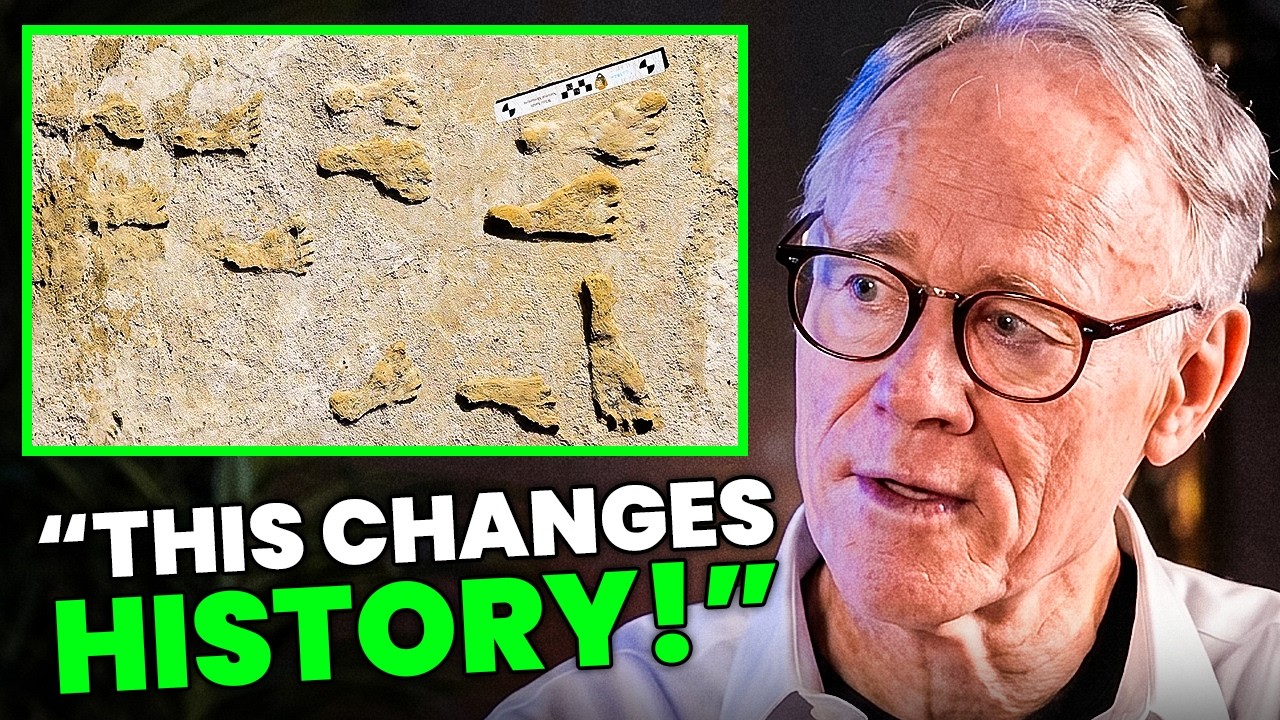
23,000-year-old footprints in New Mexico were just confirmed as genuine—and experts say the discovery rewrites human history. The fossilized prints, preserved in ancient mud along an old lakeshore, were initially met with deep skepticism when first revealed, with critics questioning their dating methods and suggesting they were far younger.
In 2009, David Bustos, the resources manager at White Sands National Park in southern New Mexico, noticed human footprints preserved in the mud of an ancient dry lake bed. The impressions showed clear anatomical details: heels, arches, and toes. The discovery set in motion a scientific investigation that would eventually challenge long-held assumptions about when humans first arrived in the Americ…