I SAW MY EX AT A LUXURY RESTAURANT WITH TWIN GIRLS WHO HAD MY EYES—THEN MY FATHER WALKED IN AND I UNDERSTOOD WHY SHE VANISHED – Life Story
Three years after Amanda disappeared without a goodbye, Jackson Miller saw her across a Manhattan restaurant with two little girls who had his mother’s unmistakable green eyes.
Before he could reach their table, one of the twins looked straight at him and whispered a word Amanda had apparently taught her from photographs: “Daddy.”
Then Jackson saw his father standing outside the window, and the guilt on Richard Miller’s face told him Amanda’s disappearance had never been hers alone.
The first thing Jackson noticed was the girl’s eyes.
Not Amanda.
Not the second child beside her.
The eyes.
Green, bright, almost silver beneath the amber lights of Bellafonte, one of those Manhattan restaurants where the waiters remembered senators’ allergies and nobody asked what a bottle of wine cost before ordering it.
Jackson had seen those eyes every morning of his childhood in his mother’s face.
Now they belonged to a little girl sitting across the room.
His fork stopped halfway to his plate.
“Jackson?”
His mother’s voice sounded distant.
Eleanor Miller sat opposite him beneath a brass pendant lamp, elegant in navy silk, silver hair tucked behind one ear.
She had been telling him about a literacy fundraiser in Brooklyn.
A moment earlier, Jackson had been pretending to listen while mentally reviewing Monday’s board presentation.
Now the entire restaurant seemed to narrow into a line between his table and Amanda Wilson.
She was three years older than the last time he had seen her and somehow looked both stronger and more tired.
Her honey-blonde hair ended at her shoulders now.
She wore a simple black dress, no jewelry except a thin gold chain, and she was cutting pasta into small pieces for two identical girls in matching cream sweaters.
Two girls.
Jackson’s pulse began hammering.
They looked about two and a half.
Maybe closer to three.
His brain did the arithmetic before his heart could stop it.
Amanda had disappeared three years, two months, and eleven days ago.
“Jackson.” Eleanor reached across the table. “What is it?”
He could not answer.
One twin turned toward the sound of a dropped glass near the bar.
Dark curls framed her face.
Green eyes.
A small cleft in her chin Jackson had spent thirty-seven years seeing in photographs of himself, his father, and his grandfather.
His hand tightened around the fork.
Eleanor followed his stare.
Her breath caught.
“Oh, my God.”
Across the room, Amanda looked up.
The color vanished from her face.
For several seconds, nobody moved.
Then the more outgoing twin followed her mother’s gaze and looked directly at Jackson.
Her face brightened with recognition.
Not curiosity.
Recognition.
She pointed.
“Daddy.”
Jackson heard it.
Even through the piano, crystal, and low restaurant conversation, he heard it.
Eleanor’s hand flew to her mouth.
Amanda pushed back her chair so quickly it struck the wall.
She began gathering a diaper bag, coats, and two stuffed rabbits with jerky, frightened movements.
“She’s leaving.”
Jackson stood.
“Jackson, wait.”
“No.”
“Think before you go over there.”
“I’ve had three years to think.”
His voice came out rougher than he intended.
Several diners looked toward him.
Jackson barely noticed.
He moved between white-clothed tables, every step carrying another impossible thought.
Amanda had been pregnant.
Amanda had carried his children.
Amanda had given birth.
Amanda had taught them who he was.
And Amanda had never called.
She was struggling with the buckle on one booster seat when he reached her.
“Amanda.”
Her hands stopped.
The girl beside her stared up at him.
So did her sister.
Amanda did not.
“Please,” she whispered. “Not here.”
“Are they mine?”
Her eyes closed.
That was answer enough.
Jackson felt the room tilt.
“Amanda.”
She finally looked at him.
Tears filled her eyes.
“Yes.”
The word struck harder than any denial could have.
Jackson looked down at the girls.
One clutched a faded gray rabbit.
The other held a white one by one ear.
He had daughters.
Two daughters.
And he did not know which was which.
The first girl reached toward him with one tiny hand.
“Daddy?”
Jackson’s throat closed.
He crouched because his knees suddenly could not be trusted.
“Hi.”
The child smiled cautiously.
Amanda covered her mouth.
Jackson looked back at her.
“You let them know me from photographs?”
“I never wanted them to think you didn’t exist.”
“But you were fine letting me think they didn’t?”
Amanda flinched.
“I wasn’t fine.”
“Then explain it.”
“I will.”
“When?”
Her gaze shifted past him.
Toward the front window.
Jackson turned.
Outside, beneath the black awning and cold October rain, stood Richard Miller.
His father.
Chairman of Miller International.
A man who had spent three years telling Jackson that Amanda’s disappearance was proof she had never understood the life he was meant to lead.
Richard’s face was ashen.
He looked at Amanda.
Then at the twins.
Then at his son.
And for the first time in Jackson’s life, Richard Miller looked afraid.
That was when Jackson understood Amanda’s disappearance had never belonged only to Amanda.
THE MAN OUTSIDE THE GLASS
Eleanor moved first.
She crossed the restaurant with the same calm authority she used when silencing an entire charity committee with one raised eyebrow.
“Take the girls into the private dining room,” she told Amanda. “I know the manager.”
Amanda hesitated.
Jackson wanted to protest.
Every instinct in him screamed not to let the children out of sight now that he knew they existed.
Then the quieter twin pressed herself against Amanda’s leg.
She was frightened.
Jackson saw it.
He forced himself to step back.
“Mom’s right.”
Amanda looked surprised.
“So are you,” he added. “This isn’t the place.”
Eleanor crouched beside the girls.
“I’m Eleanor.”
The bolder twin stared.
“Grandma Ellie?”
Eleanor froze.
Amanda’s face crumpled.
Jackson felt something open in his chest all over again.
“They know her too?”
“I made them a family book.”
The quieter girl lifted her rabbit.
“Grandma has pearls.”
Eleanor touched the strand at her throat and laughed through tears.
“That she does.”
Within five minutes, the manager had opened a small private salon upstairs.
Eleanor went with Amanda and the twins.
Jackson stayed downstairs.
Richard had not moved.
Rain polished Madison Avenue beneath him.
Jackson stepped outside without a coat.
Cold water struck his shoulders.
Richard said, “Son.”
“Don’t.”
“We need to discuss this somewhere private.”
“No.”
“Jackson, people are watching.”
He laughed.
Of course that was Richard’s first concern.
“Good.”
Richard’s jaw tightened.
“This is emotional.
You need time.”
“I need an answer.”
“To what?”
“Did you know?”
The traffic light changed.
Taxis hissed over wet pavement.
Richard looked toward the restaurant window.
Jackson stepped closer.
“Did you know Amanda was pregnant?”
His father’s silence lasted perhaps two seconds.
It ended thirty-seven years of trust.
“Yes.”
Jackson’s entire body went cold.
“You knew.”
“Yes.”
“You knew I had children.”
“I learned they had been born later.”
“How much later?”
Richard rubbed his thumb over the edge of his cuff.
“A few months.”
Jackson stared.
“You knew for almost three years.”
“Jackson—”
“You watched me search for her.”
“I watched you survive her leaving.”
“You helped her leave.”
Richard’s expression changed.
Not enough.
But enough.
Jackson’s voice dropped.
“What did you do?”
“I spoke to her.”
“About?”
“Reality.”
Jackson laughed once.
Richard’s tone hardened.
“You were days from closing the Crawford acquisition.
The company had exposure in three markets.
Your division’s financing depended on you remaining in place through integration.
You were finally positioned to take over.”
“And Amanda was pregnant.”
“Yes.”
“So?”
Richard’s frustration surfaced.
“So you had spent years talking about walking away, slowing down, starting some small investment firm, teaching, God knows what.
You were thirty-four and on the edge of becoming chief executive of a global company.”
“My company?”
“Our company.”
“Your answer tells me everything.”
“I was protecting what you had built.”
“I hadn’t built it.
You had.”
“You expanded it.”
“Because every time I wanted something else, you explained why it was irresponsible.”
Richard stepped closer.
“Do not rewrite your life because you’re angry.”
Jackson pointed through the glass.
“Those girls are my life.”
“You met them ten minutes ago.”
The sentence landed.
Richard seemed to regret it immediately.
Jackson stared at him.
“Say that again.”
“I didn’t mean—”
“Say it.”
Richard exhaled.
“I mean you do not yet understand the situation.”
“No.
I understand the most important part.
You did.”
Richard’s corporate patience broke.
“I did not force Amanda to leave.”
Jackson went still.
Interesting wording.
“What did you do?”
“I told her what having a child would mean.”
“Children.”
“We didn’t know that then.”
“What did you tell her?”
“That parenthood changes priorities.
That you had responsibilities larger than yourself.”
“And?”
Richard looked away.
Jackson waited.
Finally his father said, “I showed her the financing projections.”
“You showed my pregnant girlfriend business projections?”
“I explained the consequences if the Crawford deal failed.”
“For her?”
“For you.”
Jackson stepped backward as if distance could make the sentence less obscene.
“You convinced her my children would ruin my future.”
“No.”
“That’s exactly what you did.”
“I told her you deserved to make a decision without panic.”
“Then why didn’t you let me make one?”
Richard said nothing.
There it was.
Control disguised as protection.
Jackson thought of the years after Amanda vanished.
The late nights.
The unanswered messages.
The trip to Vermont after he finally located her aunt, only to be told Amanda had moved.
The way Richard had pushed him harder whenever grief slowed him down.
Keep moving.
Don’t let personal disappointment define you.
Crawford needs confidence.
The board is watching.
“You knew I went looking for her.”
“Yes.”
“You knew why she had left.”
“Yes.”
“And every time I asked whether you knew something?”
Richard’s face tightened.
“I believed reopening it would hurt you.”
Jackson stared at him.
Rain ran down his neck.
“I don’t know you.”
“Don’t be childish.”
The words came automatically.
Richard heard them too late.
Jackson smiled without humor.
“There he is.”
“Jackson.”
“I’m going upstairs.”
“You need to hear my side.”
“I just did.”
“And the company?”
For one extraordinary second, Jackson almost laughed.
Then he remembered something.
Richard had not come to dinner.
He had been outside already.
“Why are you here?”
His father’s expression shifted.
Jackson’s pulse quickened.
“Dad.”
“I was meeting someone nearby.”
“Who?”
“Does it matter?”
“Yes.”
Another pause.
Jackson looked through the glass toward the restaurant lobby.
“You knew Amanda was here.”
Richard said nothing.
“You knew.”
“I received a call.”
“From who?”
Richard finally answered.
“Her.”
Jackson felt the night sharpen.
“Amanda called you?”
“This afternoon.”
“Why?”
Richard looked older suddenly.
“Ask her.”
Jackson went upstairs.
This time, the truth followed him.
The twins sat on the carpet of the private dining room feeding imaginary soup to their rabbits.
Eleanor occupied a chair near the door.
Amanda stood at the window.
Jackson closed it behind him.
“You called my father today.”
She turned slowly.
“Yes.”
“Why?”
Amanda looked toward the girls.
Eleanor immediately understood.
“Ladies,” she said brightly, “I believe this rabbit emergency requires professional attention in the hallway.”
Sophia followed without protest.
Isabella paused, looked at Jackson, then whispered, “Come back?”
He swallowed.
“I’m not going anywhere.”
She nodded.
The door closed.
Jackson faced Amanda.
“Tell me everything.”
She sat.
Three years of silence entered the room with her.
“I found out I was pregnant the day before your Crawford presentation.”
Jackson remembered that week.
He barely remembered sleeping.
“I came to your office because I wanted to tell you.”
“My father saw the test.”
Her face changed.
“Yes.”
Amanda described Richard’s office.
The market reports.
The deal projections.
The way he had never directly told her to disappear.
That would have been too crude.
Instead, he had talked about Jackson’s doubts about corporate life.
His pattern of abandoning things when overwhelmed.
His fear of becoming like his own father.
“He told me you had spent years preparing to leave New York after Crawford,” Amanda said. “That you wanted freedom, and a baby would trap you before you understood what you wanted.”
Jackson shook his head.
“I talked about leaving Miller International.”
“I know that now.”
“I talked about starting something smaller.
Somewhere I could actually have a family.”
Her eyes closed.
“He didn’t say that.”
“Of course he didn’t.”
“He showed me your calendar.
The Shanghai plans.
The board schedule.
He made your life look like a machine already moving too fast to stop.”
“And you believed him.”
“Yes.”
Jackson stood.
The answer hurt because she did not hide from it.
Amanda continued.
“I went home.
I wrote you a letter.
Then your father came to my apartment the next morning.”
“What?”
“He offered me money.”
Jackson turned.
“How much?”
“I don’t know.”
“You don’t know?”
“I never opened the number.
I gave the papers back.”
Something inside Jackson loosened half an inch.
“You didn’t take it?”
“No.”
“Then why leave?”
Amanda wiped her face.
“Because he said something I couldn’t stop hearing.”
Jackson waited.
“He said if I told you, I would force you to choose between the future you’d worked for and a family you hadn’t asked for.”
“I had asked for you.”
“I know.”
“You knew then.”
“I knew you loved me.”
“That should have mattered more than his projections.”
“Yes.”
The word came quietly.
No defense.
Jackson sat down again.
Amanda’s voice shook.
“I made the choice, Jackson.
Your father manipulated me.
He scared me.
He knew exactly which fear to use.
But I packed the car.”
That mattered.
She was not asking him to turn Richard into the only guilty person.
“I drove to my aunt’s place in Vermont.
Two weeks later I found out it was twins.”
Jackson looked toward the hallway.
“You still didn’t call.”
“I tried once.”
His eyes snapped back.
“What?”
“I called your office.”
“When?”
“November fourth.”
He remembered the date because he had been in Hong Kong.
“My father answered?”
“No.
Your executive assistant did.
The old one.
Caroline.”
“Caroline left four years ago.”
“She transferred me to your father.”
Jackson felt cold again.
Amanda looked down.
“I panicked when he answered.
He said you were overseas, the acquisition was closing, and if I cared about you, I would stop reopening a wound I had created.”
Jackson’s jaw tightened.
“He never told me.”
“I know.”
“How?”
“Because I asked today.”
There it was.
The reason for her call.
Amanda had returned to New York six weeks earlier after her aunt’s health declined.
She had spent years telling herself Jackson had moved on.
Then the twins began asking questions.
Not abstract ones.
Where did Daddy live?
Why didn’t Daddy visit?
Did Daddy know their favorite colors?
Amanda could no longer answer with photographs.
“So you called him.”
“Yes.”
“Not me.”
Her eyes filled.
“I was ashamed.”
Jackson looked away.
That answer he understood more than he wanted to.
Amanda continued.
“I told Richard I was going to contact you.
He said you were about to take over as chairman after the Asia restructuring.
He asked me to give him forty-eight hours.”
“For what?”
“He said he wanted to tell you himself.”
Jackson laughed bitterly.
“He came here to stop it.”
“I think he came to control it.”
That was more accurate.
“Why this restaurant?”
“Your mother told me years ago you came here on Sundays.”
Jackson looked toward the door.
Eleanor.
Amanda nodded.
“I didn’t know you’d be here tonight.
I only wanted the girls to see the place from the family photographs.
I know that sounds ridiculous.”
It didn’t.
It sounded exactly like grief.
Jackson leaned back.
“You taught them to call me Daddy.”
“I taught them who you were.”
“You kept my photograph.”
“Yes.”
“Why?”
Amanda met his eyes.
“Because leaving you didn’t stop me loving you.”
The room went quiet.
Jackson’s chest tightened.
Then anger returned, not as fire this time.
As weight.
“Love doesn’t excuse this.”
“I know.”
“You decided for me.”
“Yes.”
“You denied me three years.”
“Yes.”
“And he helped you believe it was noble.”
“Yes.”
Jackson stood.
“I need time.”
Amanda nodded.
“You deserve it.”
“No.
I need time, but the girls don’t.”
She looked up.
“I want a paternity test tomorrow.”
Pain flashed across her face.
He continued quickly.
“Not because I think you’re lying.
Because this is going to become legal whether we want it to or not.
I need my name established.
I need rights.
Responsibilities.”
Amanda absorbed that.
Then nodded.
“Okay.”
“And I want to meet them slowly.
No promises we can’t keep.
No pretending the last three years didn’t happen.”
“Okay.”
“And no more decisions about my relationship with them without me.”
Her chin trembled.
“Okay.”
The door opened.
Sophia entered dragging Eleanor by one hand.
“Daddy?”
Jackson looked at her.
Three syllables had never frightened him before.
He crouched.
“Yes?”
“Rabbit wants cake.”
Eleanor murmured, “Apparently I have failed at boundaries already.”
Jackson laughed.
The sound surprised him.
Sophia smiled.
Then Isabella appeared behind her.
She did not approach immediately.
She studied him.
Jackson held out his hand.
Not demanding.
Waiting.
After several seconds, Isabella walked forward and placed Skip’s paw in his palm.
“This Skip.”
Jackson touched the rabbit gently.
“Nice to meet you, Skip.”
Isabella smiled.
Something in him broke open.
Not healed.
Not forgiven.
Open.
He looked at Amanda over the girls’ heads.
Tomorrow would be lawyers, DNA swabs, schedules, and consequences.
Tonight, he learned their names.
THE YEARS HE NEVER SAW
Jackson slept on Amanda’s couch because the girls cried when he tried to leave.
It was not dramatic.
Sophia simply appeared in the hallway in yellow pajamas while he was putting on his coat.
“You come breakfast?”
“Yes.”
“Morning?”
“Yes.”
“You go now?”
“I was going to sleep at my house.”
Her face fell.
Isabella stood behind her holding Skip.
“Daddy goes away.”
The words were quiet.
Jackson looked at Amanda.
She looked stricken.
He understood then that children did not care about adult intentions.
They cared about doors closing.
“I can sleep on the couch,” he said.
Amanda hesitated.
“Are you sure?”
“I’ve slept in airports.”
Sophia brightened.
“Couch is better.”
It was.
Barely.
At the next morning, Isabella woke him by standing silently three feet from his face.
Jackson opened his eyes.
She stared.
“Good morning.”
“Are you real?”
The question destroyed him more efficiently than anything his father had said.
He sat up slowly.
“I think so.”
She touched his hand.
Then nodded, apparently satisfied.
“Pancakes.”
By seven, both twins were standing on chairs helping Amanda make breakfast.
Sophia poured flour with the confidence of a demolition expert.
Isabella lined blueberries around her plate in perfect rows.
Jackson learned that Sophia hated socks with seams.
Isabella refused orange juice if pulp was visible.
Both wanted Amanda to cut pancakes into stars.
Neither liked syrup touching fruit.
Every detail felt sacred and absurdly ordinary.
His phone had accumulated thirty-one missed calls.
He ignored all of them until Amanda said, “You can answer work.”
“I don’t want to.”
“That’s different from not needing to.”
He looked at her.
She poured coffee.
“Do not turn the girls into an excuse to burn your life down in twenty-four hours.”
Jackson almost laughed.
“You think I’m doing that?”
“I think you’re furious.”
“I am.”
“And your father taught you to respond to fear by controlling the next move.”
That landed harder than he expected.
Amanda saw it.
“I’m not comparing you to him.”
“You are.”
“I’m warning you not to become him while proving you’re different.”
Jackson sat back.
There she was.
The woman he had loved.
Not because she agreed with him.
Because she rarely let him hide inside his own story.
He answered his executive assistant.
Christina spoke quickly.
The board wanted an emergency meeting.
Richard had told senior directors Jackson was undergoing a “personal crisis” and had verbally announced his resignation.
“I didn’t resign.”
Amanda glanced up.
Jackson continued, “I said I was stepping away.
That’s not the same thing.”
Christina lowered her voice.
“Your father is framing it as instability.”
Of course he was.
“When?”
“Ten.”
Jackson checked the time.
.
“I’ll be there.”
After he ended the call, Amanda said, “Good.”
“You want me to stay?”
“No.”
He looked toward the girls.
“I just found them.”
“And they will still exist after your meeting.”
Sophia looked up from her pancakes.
“Exist.”
Amanda smiled.
“Yes, sweetheart.”
Jackson crouched beside them.
“I have to go to work for a little while.”
Sophia’s face tightened.
“But breakfast.”
“I’m finishing breakfast.”
“Then stay.”
He took a breath.
This was the first promise that mattered.
“I’m coming back.”
Isabella looked at him.
“When?”
“After lunch.”
“Clock?”
He glanced at Amanda.
“Three o’clock.”
Isabella nodded as if filing a contract.
“Three.”
Jackson touched her hair.
“I’ll be here.”
Before leaving, he asked Amanda for one thing.
“The family book.”
She stiffened.
“Why?”
“I want to see what they know about me.”
Amanda brought a blue cloth album from a shelf.
Photographs filled the pages.
Jackson at twenty-nine holding a ridiculous umbrella at Coney Island.
Jackson and Amanda at a company picnic.
Eleanor at Christmas.
A newspaper clipping about Miller International.
A photograph of Richard.
Jackson’s thumb stopped.
The twins knew their grandfather.
Through pictures.
Amanda watched him.
“I didn’t make him a villain to them.”
“You had reasons.”
“They’re children.”
Jackson closed the book.
“That was the right decision.”
It cost him to say it.
Amanda heard that.
“Thank you.”
At Miller International, the boardroom looked exactly as it had the day before.
That irritated him.
Glass.
Walnut.
Soft leather.
The illusion that nothing truly important happened outside a controlled agenda.
Richard sat at the head.
Jackson remained standing.
Charles Whitman, the independent board chair, cleared his throat.
“Your father has informed us you intend to resign as chief executive.”
“No.”
Richard’s face tightened.
Jackson continued.
“I intend to take immediate family leave and delegate operating authority to Christina and Martin Feld through the end of the quarter.”
Richard interrupted.
“You cannot abandon Crawford now.”
Jackson looked at him.
“I’m not abandoning anything.”
“You said last night—”
“I said the company would survive without me.”
Several directors exchanged glances.
Jackson placed a folder on the table.
“I also want an independent review of expenses charged to the chairman’s executive office over the last thirty-six months.”
Richard went still.
That was the first move Jackson had made that morning his father had not expected.
Patricia Chen, general counsel, leaned forward.
“On what basis?”
Jackson had spent forty minutes before breakfast reading old calendar entries.
Not reacting.
Looking.
Three years earlier, Miller International’s executive office had paid Halpern Strategic Services $48,000 over four months.
Halpern specialized in private intelligence.
One invoice was coded:
PERSONAL RISK / J.M.
Jackson had never authorized it.
“I believe corporate resources may have been used to investigate a private individual connected to me.”
Richard stood.
“This is absurd.”
“Is it?”
“It was security.”
“For what threat?”
Richard said nothing.
Patricia looked at him.
“Richard?”
He sat.
Jackson continued.
“I’m not asking anyone here to judge my family situation.
I’m asking whether company funds were used to track Amanda Wilson after she left New York.”
The boardroom cooled.
Richard’s motive was personal.
The money was not.
Charles said, “We’ll authorize a preliminary review.”
“Good.”
Richard stared at Jackson.
“You have no idea what you are doing.”
Jackson thought of Isabella asking if he was real.
“For the first time, I think I do.”
He left without resigning.
That choice mattered.
He had nearly allowed rage to make his father’s prediction come true—that Jackson could not balance family and responsibility.
Instead, he took leave.
He hired separate family counsel.
He scheduled the paternity test.
He returned to Amanda’s apartment at .
Isabella was sitting by the window.
When she saw him, she looked at the digital clock.
“Before three.”
“I said I’d be here.”
She smiled.
Trust began there.
Not in declarations.
In nine minutes.
The paternity test confirmed what none of them doubted.
Probability greater than 99.99%.
Jackson read the report alone in his car.
Then cried for the first time.
Not because he had gained daughters.
Because the paper made official what his body already knew when Sophia had reached toward him in the restaurant.
Three years existed on the other side of that percentage.
He could never purchase them back.
He drove to Amanda’s apartment carrying no gifts.
That was deliberate.
His instinct was to arrive with everything.
Clothes.
Toys.
College funds.
A larger apartment.
Security.
Solutions.
His attorney, Rachel Kim, had stopped him.
“If you want to be their father, be available before you are impressive.”
So Jackson brought himself.
He sat on the carpet and built a crooked wooden castle.
Sophia destroyed it with a stuffed-rabbit dragon.
Isabella rebuilt the door because, she informed him, “Doors have to work.”
Amanda watched from the kitchen.
“Coffee?”
“Yes.”
She handed him a mug.
Their fingers touched.
Neither moved away immediately.
That was the first intimate moment.
Small.
Unplanned.
Dangerous because it felt familiar.
Jackson withdrew first.
“Thank you.”
Amanda nodded.
Later, after the twins slept, she gave him a leather journal.
“I kept this.”
Inside were dates.
First kicks.
Birth weights.
Sophia’s first laugh.
Isabella’s first fever.
The morning both took three steps at once because each refused to let the other be first.
Photographs were taped beside paragraphs written in Amanda’s hand.
There were also letters addressed to Jackson.
None mailed.
He read one.
Today Sophia said “more.” You would have laughed because she says it like a command.
Another.
Isabella stared at the rain for twenty minutes.
She has your stillness.
I wonder if I invented that because I miss you.
Jackson closed the book.
“I can’t read more tonight.”
“I understand.”
He looked at Amanda.
“Why didn’t you send any of these?”
“Because every month made the first month harder to explain.”
“That’s not enough.”
“I know.”
She sat opposite him.
“I was ashamed.
Then I became afraid you’d take them.”
Jackson stiffened.
“Why?”
“Because you had money.
Lawyers.
Your father.
I had two babies and freelance design work.”
“I would never—”
“You know that now.”
He stopped.
Amanda’s eyes were tired.
“I didn’t know what angry Jackson would do after learning I had hidden his children.”
He hated that the fear was not irrational.
Not because he would have taken them.
Because he had grown up believing power existed to solve uncertainty.
Money.
Attorneys.
Influence.
His first instinct after learning the truth had been legal rights.
Necessary.
But frightening from her side.
“I’m sorry you believed I would.”
Amanda shook her head.
“You don’t owe me that apology.”
“Maybe not.
But I want you to know I’m not asking for punishment disguised as custody.”
She looked at him for a long moment.
“That matters.”
They agreed on a temporary parenting schedule before any court required one.
Two afternoons a week.
Saturday mornings.
No overnights yet.
Video calls before bed.
Amanda retained her own attorney.
Jackson paid none of her legal bills.
That was also deliberate.
He wanted her counsel loyal only to her.
The arrangement hurt.
He wanted every morning.
Every bedtime.
Every ordinary inconvenience.
But fatherhood, he was beginning to learn, was not measured by how much he could demand.
It was measured by how reliably he arrived.
For three weeks, he did.
Then somebody told the press.
THE PRICE OF A FUTURE
The headline appeared on a Thursday.
MILLER HEIR’S SECRET TWINS — EX-GIRLFRIEND RETURNS AFTER THREE YEARS.
Jackson saw it at a.m.
Amanda called thirty seconds later.
“They’re outside.”
He was already moving.
“Do not open the door.”
“I know.”
“How many?”
“Four people.
Two cameras.”
“I’m coming.”
“No.”
He stopped in his kitchen.
“What?”
“If you arrive, there will be more.”
She was right.
“I’ll send security.”
“No corporate security.”
“Amanda.”
“Jackson, think.”
He closed his eyes.
His father’s methods lived closer to the surface than he liked.
Control the perimeter.
Move the asset.
Contain exposure.
Amanda was not an asset.
The girls were not a crisis.
“Okay.”
Eleanor handled it better.
She called a retired security director she trusted personally, not through Miller International.
He coordinated with Amanda’s building management and local police only when reporters blocked resident access.
No threats.
No private surveillance.
No spectacle.
By nine, the twins were at preschool through the garage entrance.
Amanda called Jackson.
“Thank your mother.”
“I will.”
A pause.
“You okay?”
“No.”
“Me neither.”
“That’s strangely helpful.”
The article cited “sources close to the Miller family.”
It implied Amanda had resurfaced after Jackson’s announced transition away from day-to-day management.
The wording suggested motive.
Money.
Access.
Pressure.
It also included a sentence claiming Richard Miller had “long expressed concern about individuals exploiting his son’s position.”
Jackson read it twice.
Then called his father.
Richard answered immediately.
“I didn’t leak it.”
Jackson said, “I didn’t ask.”
“I knew you would assume.”
“Did you?”
“No.”
“Did someone around you?”
“I don’t know.”
“You always know.”
Richard’s voice tightened.
“Believe it or not, I do not want my granddaughters chased by photographers.”
“You don’t get that title yet.”
Silence.
Jackson almost regretted the cruelty.
Almost.
Richard said quietly, “Fair.”
That stopped him.
His father sounded tired.
Not defeated.
Human.
“I’ve started counseling.”
Jackson said nothing.
“Your mother insisted.”
“Mom can be persuasive.”
“She moved into the apartment on Fifth.”
Jackson knew.
Eleanor had left the family home.
Richard continued.
“I am not asking you to forgive me.”
“Good.”
“I am asking you to believe I did not leak this.”
Jackson looked at the article.
“Then help me find who did.”
Richard gave a humorless laugh.
“You trust me enough for that?”
“No.”
“Also fair.”
The independent board review found the answer two days later.
Not Richard.
A junior public-relations consultant had seen internal calendar changes, heard enough gossip, and sold the story through an intermediary.
He was terminated.
That should have ended the crisis.
It didn’t.
Photographs of Jackson leaving Amanda’s building circulated.
Business commentators speculated about whether he was abandoning Miller International.
Someone photographed the girls from across the street.
That crossed a line.
Jackson wanted to buy Amanda a house that afternoon.
Gated.
Private.
Secure.
She refused.
“I am not moving my daughters into a different life every time your family creates a problem.”
“It’s not safe.”
“It’s uncomfortable.”
“There were photographers.”
“On a public sidewalk.”
“One had a telephoto lens pointed at the playground.”
“I know.”
“Then how can you say—”
“Because if I let fear decide where we live again, I learned nothing.”
Jackson stopped.
Again.
Amanda continued.
“You want to fix this with square footage.”
“I want them safe.”
“You want control.”
He turned toward the window.
The accusation hurt because it contained truth.
Amanda softened.
“I’m not saying do nothing.”
“What are you saying?”
“Do the boring things.”
“What boring things?”
“Privacy request to the school.
Curtains.
Different pickup routine.
Talk to the building manager.
Ask the publications in writing not to identify minors.
If we need to move later, we move because it makes sense.
Not because you panic.”
Jackson looked at her.
“You’ve gotten annoyingly wise.”
“I raised twins alone.”
“Fair.”
They did the boring things.
The attention cooled.
Meanwhile, the corporate review uncovered more.
Halpern Strategic Services had indeed been retained through Richard’s office.
Investigators had tracked Amanda for six weeks after she left New York.
Not to threaten her.
To locate her.
Richard claimed he wanted to know she was safe.
He had learned she was staying in Vermont.
He had also learned she was pregnant with twins.
Jackson read the report at the board office.
Richard sat across from him.
“You knew where she was.”
“Yes.”
“You knew it was twins.”
“Yes.”
“And you never told me.”
“No.”
Richard looked smaller than the man Jackson remembered.
Not physically.
Morally.
Jackson placed the report down.
“Why stop the surveillance?”
“When I knew she had family support and medical care.”
“You say that like you deserve credit.”
“I don’t.”
“Did you contact her after?”
“No.”
“Amanda says she saw a black sedan outside the clinic twice.”
Richard’s eyes closed.
“The investigator.”
“She thought you were watching.”
“I was.”
“You made her afraid to come home.”
“I know.”
“Do you?”
Richard looked at him.
“I was convinced you would thank me one day.”
Jackson laughed softly.
“That may be the saddest thing you’ve said.”
Richard’s face tightened.
“I grew up watching my father lose everything because he could never choose the business over emotion.
Suppliers.
Friends.
Bad loans.
Every person with a sad story became his responsibility.
By the time he died, we had debt and a hardware store nobody wanted.”
“So you became the opposite.”
“I became solvent.”
“You became afraid.”
Richard’s eyes sharpened.
“Do not psychoanalyze me because you’ve attended three family-law meetings.”
Jackson almost smiled.
That was the most familiar his father had sounded.
Richard continued.
“When you started talking about leaving the company, I saw you repeating him.”
“My grandfather?”
“Yes.”
“He died when I was eight.”
“You remember the jokes.
I remember foreclosure notices.”
There it was.
Not justification.
Origin.
Richard had built an empire because scarcity had humiliated him.
Then he mistook preserving the empire for preserving his son.
Jackson said, “You could have told me that.”
“I thought making you strong mattered more.”
“Strong enough to obey you?”
Richard looked away.
Jackson stood.
“The board needs your resignation as chairman.”
Richard’s head snapped up.
“What?”
“The investigation found misuse of corporate security funds for a personal matter.”
“I’ll reimburse it.”
“That isn’t the issue.”
“I founded this company.”
“And you used it to follow a pregnant woman because you didn’t like what her pregnancy might change.”
Richard rose.
“You intend to remove me?”
“I intend to vote for an independent chair.”
“You said you weren’t resigning.”
“I’m not.”
That surprised Richard.
Jackson had surprised himself too.
“I’m taking leave.
I’m not abandoning the company.
I’m changing my relationship with it.”
Richard stared.
“You think you can have both.”
“I think I get to try.”
For the first time, Richard had no argument.
The board accepted his resignation as chairman in exchange for no public accusation beyond governance violations and reimbursement of the investigative expenses.
Jackson did not expose Amanda’s private history to win.
That mattered to him.
Richard retained his shares.
He lost control.
Consequences, Jackson realized, did not need to be theatrical to be complete.
At home—Amanda’s home, he corrected himself—another consequence was taking shape.
Sophia no longer wanted Jackson to leave after Saturday visits.
“Sleep couch.”
“I have my apartment.”
“Couch.”
Amanda crouched.
“Daddy has to go home.”
Sophia’s face tightened.
“No.”
Isabella said nothing.
She walked into the bedroom.
Jackson followed after giving Amanda a look.
He found Isabella sitting beside Skip.
“You okay?”
“Daddy has other house.”
“Yes.”
“Why?”
He sat on the carpet.
“Because Mommy and I are learning how to be a family again.”
She considered that.
“Slow?”
“Very slow.”
“Why?”
Because adults had hurt each other.
Because love did not erase damage.
Because returning too fast could make children feel safe right before another collapse.
He translated.
“Because important things have to be built carefully.”
Isabella looked at her wooden blocks.
“Like tall castle.”
“Exactly.”
“If fast, fall.”
“Yes.”
She handed him a block.
“Then slow.”
Jackson smiled.
“Then slow.”
From the doorway, Amanda watched him.
Later, after the girls slept, she said, “That was good.”
“I stole your parenting technique.”
“I’ll invoice you.”
He smiled.
She sat on the couch.
Rain tapped lightly against the windows.
Jackson remained in the armchair.
Their eyes met.
“Do you remember High Park?” Amanda asked.
“The picnic?”
“You forgot the weather forecast.”
“You packed six sandwiches for two people.”
“I like options.”
“It rained sideways.”
“You danced.”
“You laughed.”
“I was furious first.”
“You were beautiful furious.”
Amanda looked down.
“That day was when I thought you might be it.”
Jackson’s breath caught.
He did not move closer.
That restraint was its own intimacy.
“Me too.”
Amanda looked up.
“We cannot rebuild from nostalgia.”
“I know.”
“I loved you then.”
“I know.”
“That does not mean I owe you the person I was.”
“I know.”
“And you don’t owe me forgiveness.”
“I definitely know.”
She smiled faintly.
Then cried.
Jackson stayed where he was until she held out her hand.
Only then did he cross the space.
He sat beside her.
No kiss.
No grand declaration.
She rested her head against his shoulder.
His hand closed around hers.
That was the second intimate moment.
It lasted until the rain stopped.
WHEN THE STORY TURNED AGAIN
Six weeks after the restaurant, Amanda received a letter.
Not from Richard.
From Caroline Shaw, Jackson’s former executive assistant.
Amanda called Jackson after the twins were asleep.
“You need to come over.”
Her voice frightened him.
He arrived fifteen minutes later.
The letter lay on the kitchen table beside a printed email.
Caroline had retired to Arizona years earlier.
She had seen the recent coverage and contacted Amanda after recognizing her name.
The email was dated November 4, three years earlier.
FROM: AMANDA WILSON
TO: [email protected]
SUBJECT: PLEASE READ
Jackson stared.
“I never got this.”
“I know.”
The email server header showed it had entered Miller International’s system.
Then been redirected by an administrative rule attached to Jackson’s account.
Forward personal messages containing Amanda’s email address to:
EXECCHAIR_OFFICE.
Jackson’s stomach dropped.
“My father.”
Amanda shook her head.
“Keep reading.”
Below was an IT authorization.
REQUESTOR: C.
SHAW.
Jackson looked up.
“Caroline?”
Amanda handed him the letter.
Caroline admitted Richard had instructed her to create the rule.
She had done it.
But the reason she was writing now was more complicated.
Two days after Amanda’s message arrived, Caroline had printed it.
She had gone to Richard’s office and told him he was crossing a line.
Richard had ordered her to destroy it.
She did not.
She kept the copy in a personal file.
Jackson unfolded the scanned message.
Amanda had written:
I’m pregnant with twins.
I know this changes everything.
I am scared and ashamed of how I left.
Your father believes I will ruin your life if I come back.
I need to hear from you, not him.
If you want us, tell me.
If you don’t, I will accept it.
But I can’t let him be the only voice between us anymore.
At the bottom:
I love you.
I’m sorry.
Please choose for yourself.
Jackson read it twice.
Then a third time.
He could not feel his hands.
“Amanda.”
“I thought you ignored me.”
His head snapped up.
She was crying.
“That’s why I never tried again.”
“He told you?”
“Richard called two days later.
He said you had seen my message and asked him to handle it.”
Jackson stood so quickly the chair fell backward.
Amanda flinched.
He walked to the window.
Not toward her.
He needed space around the rage.
“That’s a lie.”
“I know now.”
“I never saw it.”
“I know.”
“He told you I rejected my children.”
“Yes.”
Jackson pressed both hands to the counter.
For weeks, he had been trying to understand Richard as a frightened man who turned control into love.
This was different.
This was not advice.
Not pressure.
Not projections.
It was deception.
A deliberate false choice.
The midpoint of the entire story shifted.
Amanda had not simply disappeared and remained silent for three years.
She had tried once to come back.
Richard had closed the door.
Jackson whispered, “Why didn’t Caroline tell me?”
“She says she was afraid of losing her job.
Then ashamed.
By the time she left the company, she assumed we had moved on.”
Jackson laughed once.
Fear.
Again.
Everyone had a reason.
Everyone had given fear authority.
Amanda came closer but did not touch him.
“What are you going to do?”
He turned.
The old Jackson would have called the board.
The old Richard would have assembled leverage before breakfast.
Jackson picked up his phone.
Then put it down.
“I don’t know.”
Amanda stared.
“That may be the healthiest answer you’ve ever given.”
He almost smiled.
Then he sat.
“I want to ruin him.”
“I know.”
“I want him to feel every year.”
“I know.”
“I want to publish the email.”
Amanda went still.
Jackson saw it.
There.
The boundary.
“It’s yours too,” he said.
“Yes.”
“I won’t use it without your permission.”
Relief moved across her face.
That moment mattered more than revenge.
They met Rachel Kim and Amanda’s attorney, Maria Alvarez, the next morning.
Both lawyers advised against public disclosure.
The email was relevant to family history.
Potentially to intentional interference claims.
Possibly to the corporate governance review because Richard used company systems.
But making it public would permanently tie Sophia and Isabella to the scandal.
Amanda said no.
Jackson agreed.
Instead, the board received it confidentially.
Richard was informed that any future contact with Amanda or the girls would require invitation and that Jackson wanted no personal communication for the foreseeable future.
The board expanded its findings.
Richard lost his honorary chairman title.
His executive office closed.
The company revised policies governing personal use of security and IT resources.
No dramatic collapse.
No federal agents.
No handcuffs.
Just a man who had spent decades making decisions for everyone else losing the institutional machinery that allowed him to do it.
Richard wrote Jackson a letter.
Jackson left it unopened for three weeks.
Then Isabella found it on his kitchen counter during a Saturday visit.
“Grandpa?”
She recognized the handwriting from a birthday card Richard had sent through Eleanor.
Jackson took the envelope.
“Yes.”
“Thinking time?”
He smiled sadly.
“Still.”
“Long.”
“Yes.”
She went back to coloring.
Children were brutal clocks.
Meanwhile, Jackson’s leave ended.
The board offered him two options.
Return as chief executive.
Or become vice chairman with a professional CEO managing operations.
A year earlier, Jackson would have viewed stepping sideways as failure.
Now he asked a different question.
“What does the second job actually require?”
Charles Whitman answered.
“Strategy.
Capital allocation.
Major acquisitions.
Two days a week in the office on average.
Travel when needed.”
“And the CEO?”
“Runs the company.”
Jackson looked at the schedule.
He accepted.
Not because Amanda asked.
She didn’t.
Not because the girls needed him every morning.
They did not.
He chose it because it was the first role at Miller International he actually wanted.
He retained ambition.
He gave up inheritance as identity.
Richard had taught him to believe those were the same thing.
They weren’t.
The new schedule allowed Jackson to take the twins to a pediatric appointment for the first time.
He sat in a waiting room surrounded by plastic toys and old magazines.
Sophia received a flu shot and announced the nurse was “mean but nice.”
Isabella demanded a sticker for Skip.
Jackson thought about all the boardrooms he had once mistaken for important places.
Afterward, they ate grilled cheese at a diner.
Amanda sat opposite him.
Sophia dropped a pickle into his water.
Isabella laughed so hard milk came out of her nose.
Amanda laughed too.
Jackson watched her.
She noticed.
“What?”
“Nothing.”
“That’s a lie.”
“You look happy.”
“So do you.”
He looked around the sticky table.
“I am.”
Amanda’s smile faded into something softer.
“This is the part that scares me.”
“What?”
“How easy it can feel.”
Jackson understood.
Ease had fooled both of them before.
“So we keep doing the hard parts.”
“Like?”
“Lawyers.”
“Romantic.”
“Therapy.”
“Worse.”
“Separate houses.”
Amanda raised an eyebrow.
“You’re finally accepting that?”
“I accept it every morning at when Sophia video-calls me to report breakfast.”
Amanda laughed.
Jackson continued.
“And we don’t tell the girls a story about us getting back together until we actually know what that means.”
Her eyes held his.
“Good.”
He took a breath.
“And maybe sometime, when we aren’t discussing custody or preschool or corporate espionage committed by my father, I ask you to dinner.”
Amanda looked down at her coffee.
“Maybe.”
“Too soon?”
“No.”
She looked back up.
“Ask me later.”
It was not a yes.
It was not a no.
Jackson had spent most of his life needing decisions immediately.
“Later,” he said.
For once, later felt hopeful.
THE NIGHT EVERYTHING NEARLY BROKE
The lowest point came because Richard finally listened.
Not to Jackson.
To his therapist.
He stopped calling.
Stopped sending letters.
Stopped asking Eleanor to carry messages.
Three months passed.
Then his attorney requested a private meeting with Jackson.
No company business.
No conditions.
Jackson almost refused.
Eleanor said, “You do not have to forgive him.”
“I know.”
“You also don’t have to make permanent choices while you’re still furious.”
“I’m less furious.”
“That may be why now is better.”
They met in a therapist’s office on the Upper East Side.
Neutral furniture.
No mahogany.
No assistants.
Richard looked thinner.
He wore no tie.
Jackson had never seen him in public without one.
“I’m not asking to see the girls,” Richard said first.
Jackson said nothing.
“I’m not asking you to return to me.”
Nothing.
“I’m asking to answer questions if you have them.”
Jackson studied him.
“Why did you lie about Amanda’s email?”
Richard closed his eyes.
No excuse came quickly this time.
Good.
“Because I thought if you knew about the twins, you would go to Vermont immediately.”
“I would have.”
“Yes.”
“And?”
“You would have left Crawford.”
“Maybe.”
“I believed Crawford was the moment everything I had spent my life building became secure.”
“For you.”
“For the family.”
“No.”
Richard looked at him.
Jackson leaned forward.
“You keep using those words like they erase the difference.”
Richard nodded once.
“You’re right.”
The agreement startled him.
Richard continued.
“When I was twelve, my father lost our house.
I watched my mother choose which bills to pay.
I watched him lend money to friends while we were behind on rent.
He called it loyalty.”
Jackson had heard parts of this.
Never the house.
Richard’s voice remained steady.
“I decided love without control was negligence.”
Jackson sat back.
“That explains you.”
“Yes.”
“It does not excuse you.”
“No.”
“What did you feel when you learned it was twins?”
Richard’s face broke slightly.
“Fear.”
“Still?”
“More.”
“Not joy?”
“Later.”
Jackson looked away.
That answer hurt because it was honest.
Richard said, “I told myself there would be time.
After Crawford.
After the debt restructuring.
After you became CEO.
I kept moving the line where I would tell you.”
“And then?”
“Then Amanda came back.”
“And you asked for forty-eight hours.”
“I thought I could explain it in a way you would survive.”
Jackson laughed softly.
“You still thought you got to choose the order of reality.”
“Yes.”
Silence.
Richard’s eyes were wet now.
“I am sorry.”
Jackson had wanted those words.
For months.
They did almost nothing.
“I believe you.”
Richard looked up.
“That doesn’t mean I forgive you.”
“I know.”
“That doesn’t mean you see the girls.”
“I know.”
“It may be years.”
“I know.”
“You may never get what you want from me.”
Richard breathed carefully.
“I know.”
Jackson stood.
At the door, Richard said, “Sophia likes strawberries.”
Jackson turned.
His father looked ashamed.
“Your mother tells me things sometimes.
Only ordinary things.”
Jackson considered being angry.
Instead he said, “Isabella hates loud hand dryers.”
Richard smiled faintly.
Then covered his face.
Jackson left.
He did not feel healed.
He felt exhausted.
That evening he drove to Amanda’s house.
Not apartment.
House.
She had finally moved.
Not to Rosedale.
Not next to Jackson.
To a modest brownstone rental in Brooklyn with a tiny backyard, good preschool access, and enough space for two bedrooms.
She chose it.
Jackson helped assemble beds.
That was the extent of his influence.
He arrived to find the lights off.
Amanda sat at the kitchen table.
“What happened?”
She slid her phone toward him.
An email from a magazine.
They had obtained details of Caroline’s letter.
Not the email itself.
Enough to ask questions.
A source claimed Richard intercepted communication from Amanda while she was pregnant.
The publication wanted comment.
Jackson’s stomach tightened.
“Who leaked it?”
“I don’t know.”
Only a handful of people had access.
Board directors.
Lawyers.
Caroline.
Richard.
Eleanor knew the broad fact, not the document.
Amanda stood.
“I can’t do this again.”
“What?”
“The girls.”
“Amanda—”
“I spent three years protecting them from your family’s gravity.”
“You hid them from me.”
“I know.”
Her voice rose.
“I know.
I was wrong.
But look at this.
Every time another truth comes out, strangers start circling.”
“We can handle the press.”
“There.
That.”
“What?”
“Handle.”
He stopped.
Amanda began pacing.
“You always think there’s another layer of management.
Another attorney.
Another gate.
Another system.”
“What do you want me to do?”
“I want this not to be our life.”
His chest tightened.
“Our?”
She froze.
Jackson heard the word too.
Amanda sat.
“I don’t know if I can rebuild with you while Richard is still connected to everything.”
“He’s not controlling the company.”
“He owns shares.”
“He’s my father.”
“Exactly.”
Jackson’s anger rose.
“What do you want from me? To cut him out forever?”
“I didn’t say that.”
“You’re asking for something I can’t even define.”
“I’m asking whether this is ever going to stop.”
“I don’t know.”
Her face crumpled.
“Then maybe we need space.”
He stared.
“We have space.”
“More.”
The room seemed to lose sound.
“What does that mean for the girls?”
“Nothing.
Your schedule stays.”
That should have relieved him.
Instead it clarified what Amanda meant.
Not fatherhood.
Them.
Whatever fragile thing they had been rebuilding.
“Okay.”
She looked surprised.
Jackson’s chest hurt.
But he nodded.
“Okay.”
He did not argue.
He did not remind her how much he had changed.
He did not turn the girls into proof they belonged together.
He left.
The next four weeks were the hardest since the restaurant.
Fatherhood continued.
That was both comfort and pain.
He took the twins to the zoo.
Read bedtime stories by video.
Attended a preschool harvest party where Sophia insisted his scarecrow drawing looked like “a tired banana.”
Amanda remained cordial.
Warm with the girls.
Careful with him.
Jackson went home afterward to an apartment that felt larger than ever.
Work improved.
Life did not.
Then a board investigation found the leak.
It came from Patricia Chen’s deputy general counsel.
Not maliciously.
Carelessly.
He had discussed the case in a private club where a journalist overheard enough to investigate.
He resigned.
The magazine agreed not to name Amanda or the twins.
The crisis faded.
But Jackson did not rush back to Amanda with proof he had solved it.
That was the old pattern.
Instead, he attended therapy.
He asked why being needed felt so much like being loved.
The answer took weeks.
His father had valued performance.
Boards valued usefulness.
Amanda’s return had activated every instinct Jackson had to prove he could fix, provide, secure, and protect.
But Amanda did not need an efficient savior.
She needed a co-parent who could tolerate uncertainty without seizing the wheel.
The girls needed the same.
So he practiced.
When Sophia wanted to quit swimming lessons because she hated getting water in her eyes, Jackson did not buy private lessons.
He sat on the edge of the pool and let her decide to try again.
When Isabella refused to speak during a preschool presentation, he did not coax, negotiate, or rescue.
He held her coat afterward and said, “You were still brave enough to stand there.”
She looked at him.
“Even quiet?”
“Especially if quiet is what you needed.”
He was learning.
Then the twins’ third birthday arrived.
Amanda planned a small party.
No photographers.
No corporate venue.
A community garden with cupcakes, balloons, and fourteen children who spent more time fighting over bubbles than noticing the expensive watch Jackson forgot to remove.
Eleanor came.
Richard did not.
He sent no gift.
That surprised Jackson.
Then Isabella gave him an envelope.
“Grandpa letter.”
Jackson looked at Amanda.
She shook her head.
“I didn’t know.”
Eleanor said quietly, “He asked me to bring it only if you wanted it.”
Inside was one page.
Jackson,
I thought buying things was how fathers made promises visible.
The girls need nothing from me.
You owe me nothing.
I will not ask again to meet them.
If someday they ask about me, tell them the truth in whatever way is kindest to them, not to me.
Dad.
Jackson read it twice.
Then folded it.
Amanda stood a few feet away.
Their eyes met.
She did not ask what it said.
Another difference.
Later, when children had gone home and the twins were chasing soap bubbles under string lights, Amanda sat beside Jackson on a wooden bench.
“You look different.”
“I’m older.”
“Three months?”
“Brutal months.”
She smiled.
Then the smile faded.
“I’ve been unfair.”
“No.”
“I have.”
“Amanda—”
“I kept waiting for you to prove your father couldn’t affect us.
That’s impossible.
He’s your father.”
Jackson listened.
“I also kept treating fear like evidence,” she continued. “I did that three years ago.
Then I did it again.”
“You were protecting the girls.”
“Sometimes protection becomes control.”
Jackson looked at her.
“Sounds familiar.”
“Unfortunately.”
They sat quietly.
Sophia screamed with laughter as a bubble popped on Eleanor’s nose.
Amanda said, “Would you still like to ask me to dinner?”
Jackson’s heart accelerated.
He kept his voice calm.
“I was told to ask later.”
“It’s later.”
He looked at her.
“Dinner?”
“Yes.”
“Just dinner?”
“Yes.”
“No children?”
“Mom has volunteered.”
Eleanor, thirty feet away, shouted, “I heard that.”
Amanda laughed.
Jackson did too.
He had imagined reconciliation as a dramatic return.
Instead it began with Thai food on a Tuesday.
No twins.
No lawyers.
No discussion of Richard for the first hour.
Amanda told him about a design project.
Jackson told her about a disastrous presentation in Singapore where the translation software turned “market penetration” into something obscene.
She laughed until she cried.
On their second dinner, they walked through High Park in cold rain.
Neither danced.
They were not ready for symbolism.
On the third, Jackson kissed her.
Only after asking.
Only after she said yes.
It felt less like returning to the past than meeting someone familiar with new boundaries.
That was better.
THE CHOICE NO ONE COULD MAKE FOR HIM
Spring arrived.
By then, Jackson had been a legal father for six months.
His name appeared on amended birth certificates after paternity was established and the court approved the paperwork.
Amanda and Jackson had a written parenting agreement.
Not because they distrusted each other.
Because clarity was kinder than assumptions.
They remained in separate homes.
Their relationship grew around school pickups, therapy appointments, dinners, mistakes, and long conversations after the twins slept.
No one moved in.
No engagement.
No expensive gesture.
Trust accumulated through repetition.
Then Richard collapsed during a shareholders’ meeting.
Not dramatically.
Not a heart attack.
A cardiac arrhythmia aggravated by stress and untreated hypertension.
He spent two nights in the hospital.
Eleanor called Jackson.
“I’m telling you because I would want you to know.”
“Is he dying?”
“No.”
“Then I’m not bringing the girls.”
“I didn’t ask.”
That mattered.
Jackson visited alone.
Richard looked smaller in the hospital bed.
A monitor beeped steadily beside him.
“You look terrible,” Jackson said.
Richard opened one eye.
“You inherited your bedside manner from your mother.”
“Unfortunately.”
Silence.
Then Richard asked, “How are they?”
Jackson knew who.
“Good.”
“School?”
“Preschool.”
“Of course.”
Richard looked embarrassed.
Time had passed without him.
Jackson understood the pain.
He did not weaponize it.
“Sophia likes climbing things she has specifically been told not to climb.”
Richard smiled.
“You did that.”
“Isabella reorganizes crayons by color.”
“Your mother.”
“Definitely.”
Richard looked toward the window.
“Thank you.”
Jackson sat.
“You’re not forgiven because you got sick.”
“I know.”
“You don’t get to use this as a shortcut.”
“I know.”
“Good.”
Richard nodded.
For several minutes, they watched late-afternoon traffic move below the hospital.
Then Richard said, “I sold the voting block.”
Jackson turned.
“What?”
Richard had placed most of his controlling shares into a diversified family trust with independent governance.
He would retain economic interest.
No special voting control.
No path back to chairman.
“Why?”
“Because I don’t trust myself with it anymore.”
Jackson stared.
That was the first apology Richard had made in a language he truly understood.
Not words.
Surrendered control.
“You didn’t have to do that.”
“Yes.”
Richard looked at him.
“I did.”
Two months later, Sophia asked to meet Grandpa Richard.
Not because anyone prompted her.
She saw Eleanor addressing a Father’s Day card.
“Grandma has grandpa.”
“Yes.”
“Daddy has grandpa.”
Jackson looked at Amanda.
The question had finally arrived.
They explained carefully.
Grandpa Richard had made serious choices that hurt their family.
He was sorry.
Sorry did not automatically make everything normal.
Sometimes people rebuilt trust slowly.
Isabella asked, “Slow castle?”
Jackson smiled.
“Yes.”
Sophia said, “Can we see if he builds good?”
Children had a way of turning therapy into architecture.
Amanda and Jackson discussed it with their family therapist.
Then with Eleanor.
Then alone.
Amanda surprised him.
“I’m willing.”
“You are?”
“With boundaries.”
“Obviously.”
“One hour.
Public park.
We leave if either girl is uncomfortable.”
“No gifts.”
“Maybe one book.”
Jackson raised an eyebrow.
“You’re negotiating against yourself.”
“I like books.”
Richard arrived eleven minutes early.
He wore khakis and a blue sweater.
No driver waited visibly.
No assistant.
He carried one book.
The Wind in the Willows.
The twins approached holding Hop and Skip.
Richard stood very still.
Sophia looked at him.
“You’re Grandpa Richard.”
“Yes.”
“You made Daddy sad.”
Richard swallowed.
“Yes.”
“Mommy too.”
“Yes.”
Isabella asked, “Why?”
Every adult tensed.
Richard crouched.
“Because I thought I knew what was best for everyone, and I was wrong.”
Isabella considered that.
“Big mistake.”
“Yes.”
Sophia held out Hop.
“This Hop.”
Richard looked at Jackson before touching the rabbit.
Jackson nodded.
Richard shook Hop’s paw.
“It’s an honor.”
Sophia giggled.
The hour passed.
No redemption miracle occurred.
Richard did not become beloved.
He pushed swings.
He read three pages of the book.
He asked permission before taking a photograph and accepted no when Amanda declined.
At fifty-eight minutes, he checked his watch and stood.
“I should go.”
Sophia frowned.
“Why?”
“Because we agreed on an hour.”
Jackson felt something shift.
Not forgiveness.
Evidence.
Richard kept the boundary even when the girls wanted more.
That was how trust began.
Slow castle.
The final business confrontation came later that summer.
Miller International received an unsolicited acquisition proposal.
The offer was enormous.
Selling would make the family richer.
It would also eliminate thousands of jobs through consolidation.
Richard, once, would have pushed for the highest price.
Jackson chaired the strategic review.
He did not reject the offer for sentimental reasons.
He demanded competing plans.
Employee-retention guarantees.
Plant commitments.
Independent valuation.
He spent six weeks analyzing.
Then recommended against the sale because the long-term operating value exceeded the premium and the proposed buyer’s cost assumptions depended on destructive cuts.
The board agreed.
Afterward, Charles Whitman said, “Your father would have sold.”
Jackson looked at the financial model.
“Maybe.”
“Does that satisfy you?”
“No.”
Charles seemed surprised.
Jackson closed the folder.
“I’m tired of making decisions in conversation with my father.”
That was the real freedom.
Not doing the opposite.
Choosing without him in the room.
That evening Jackson met Amanda and the girls at High Park.
A picnic blanket lay beneath the same kind of old oak that had sheltered them years ago.
Sophia ate strawberries directly from the container.
Isabella arranged crackers into a circle.
Amanda handed Jackson a sandwich.
“You’re late.”
“Board meeting.”
“You’re forgiven for seven minutes.”
“Generous.”
Clouds gathered.
Jackson looked up.
Amanda did too.
“You checked the weather?”
“Yes.”
“Then why are we still here?”
“Because you once accused me of forgetting how to dance in the rain.”
“I said I forgot.”
“Technical distinction.”
The first drops fell.
Sophia screamed.
“Rain!”
Isabella protected Skip beneath her shirt.
Jackson stood.
Amanda looked at him.
He held out his hand.
“Now?”
She smiled.
“Now.”
They danced badly.
Not alone.
Within seconds Sophia crashed between them.
Isabella followed.
The four of them turned under the rain until laughter became breathless.
Eleanor watched from beneath an umbrella.
Richard was not there.
That was right too.
Some moments did not require everyone.
Amanda rested her forehead against Jackson’s.
“We found our way back.”
He thought about it.
“No.”
Her eyebrows rose.
“We found our way forward.”
She smiled.
This time when he kissed her, their daughters immediately complained.
“Gross.”
“Stop kissing.”
Jackson laughed against Amanda’s forehead.
The rain kept falling.
For once, nobody ran from it.
THE TABLE THEY CHOSE
One year after the night at Bellafonte, Eleanor asked to celebrate her birthday there.
Jackson almost said no.
The memory remained sharp.
Amanda understood.
“That’s why we should go.”
So they did.
No private room.
No security spectacle.
Just a reservation for six.
Eleanor arrived first.
Then Jackson.
Amanda came ten minutes later holding two small hands.
Sophia and Isabella were nearly four now.
Their curls were longer.
Their questions were worse.
Each carried a rabbit that looked one wash away from retirement.
The girls ran to Jackson.
“Daddy!”
He crouched automatically.
A year earlier, that word had shattered him.
Now it belonged to ordinary life.
Backpacks.
Bedtimes.
Doctor visits.
Missed ballet shoes.
Saturday pancakes.
Apologies when he lost patience.
Promises kept when keeping them was inconvenient.
Fatherhood had become less cinematic and more precious.
Amanda kissed his cheek.
“You’re early.”
“Eight minutes.”
“Show-off.”
They sat.
The restaurant had not changed much.
Same amber lights.
Same piano.
Same rain beginning against the windows.
Jackson looked across the room at the table where Amanda had sat the year before.
Another family occupied it now.
A mother.
Father.
One sleepy child.
Nothing supernatural.
Just dinner.
Sophia noticed him staring.
“What?”
“Nothing.”
“You always say nothing when it’s something.”
Amanda smiled.
“That is unfortunately true.”
Jackson looked at his daughter.
“I was remembering the first time I saw you.”
“In hospital?”
“No.”
Sophia frowned.
Isabella answered.
“Restaurant.”
She remembered the story.
They had told it carefully.
Not Richard’s manipulation in adult detail.
Not Amanda’s fear as blame.
The age-appropriate truth.
Mommy and Daddy had been separated.
Grandpa made a serious mistake.
Mommy made a scared choice.
Daddy didn’t know.
Then they found one another.
Sophia asked, “I said Daddy?”
“Yes.”
“I was smart.”
“Debatable.”
Amanda kicked him under the table.
Eleanor laughed.
A waiter brought bread.
The girls immediately negotiated ownership.
Jackson looked toward the empty chair at the end of the table.
Richard had not been invited.
Not this year.
His relationship with the twins remained limited and supervised.
He had kept every boundary.
He had not asked for more.
Jackson spoke to him occasionally.
They were not restored.
They were rebuilding.
Those were different things.
Jackson had finally learned not to force the second by pretending the first had happened.
Eleanor raised her glass.
“To being together.”
Amanda lifted hers.
Jackson did too.
The twins raised water glasses with both hands.
“To cake,” Sophia said.
“To cake,” Isabella agreed.
Everyone laughed.
Dinner stretched nearly two hours.
Isabella fell asleep against Amanda near dessert.
Sophia fought sleep with heroic dishonesty.
“I’m awake.”
“You’re chewing with your eyes closed,” Jackson said.
“Thinking.”
“Very advanced.”
When they finally stood to leave, Jackson helped Amanda put coats on the girls.
He lifted Isabella.
Her head immediately settled against his shoulder.
Amanda carried Sophia.
Eleanor walked beside them.
At the front door, Jackson paused.
Through the glass he could see the exact place Richard had stood in the rain one year earlier.
He remembered his father’s face.
Amanda’s terror.
The hollow shock of learning how much life could happen without your permission.
Amanda touched his arm.
“You okay?”
“Yes.”
That surprised him because it was true.
Outside, rain silvered the sidewalk.
A car waited at the curb.
No photographers.
No board calls.
No one running.
Sophia stirred in Amanda’s arms.
“Daddy?”
“Yes?”
“Home?”
Jackson looked at Amanda.
She smiled.
They still maintained two residences.
Technically.
In practice, toothbrushes had migrated.
Clothes crossed the garden.
Most breakfasts happened together.
They were discussing one house eventually.
Not because twins demanded it.
Not because guilt required it.
Because after a year of choosing each other carefully, they wanted to.
“Home,” Jackson said.
He shifted Isabella higher against his shoulder.
Across the restaurant glass, he caught their reflection.
Amanda.
The twins.
Eleanor.
Himself.
A year earlier he had stared across the same room and seen a life that had been hidden from him.
Now there was nothing hidden.
Not the failures.
Not the fear.
Not the love.
They stepped into the rain together.
This time, nobody disappeared.
Recommended Stories

I caught my husband walking into a luxury hotel with my best friend, his hand resting on her waist as she leaned against him like she belonged there. Just yesterday, she had hugged me and said, “You’re so lucky to have a man who knows how to make a woman feel wanted.” – Family
For several seconds, I could only stare at my mother’s name printed beneath the signature that was supposed to be...
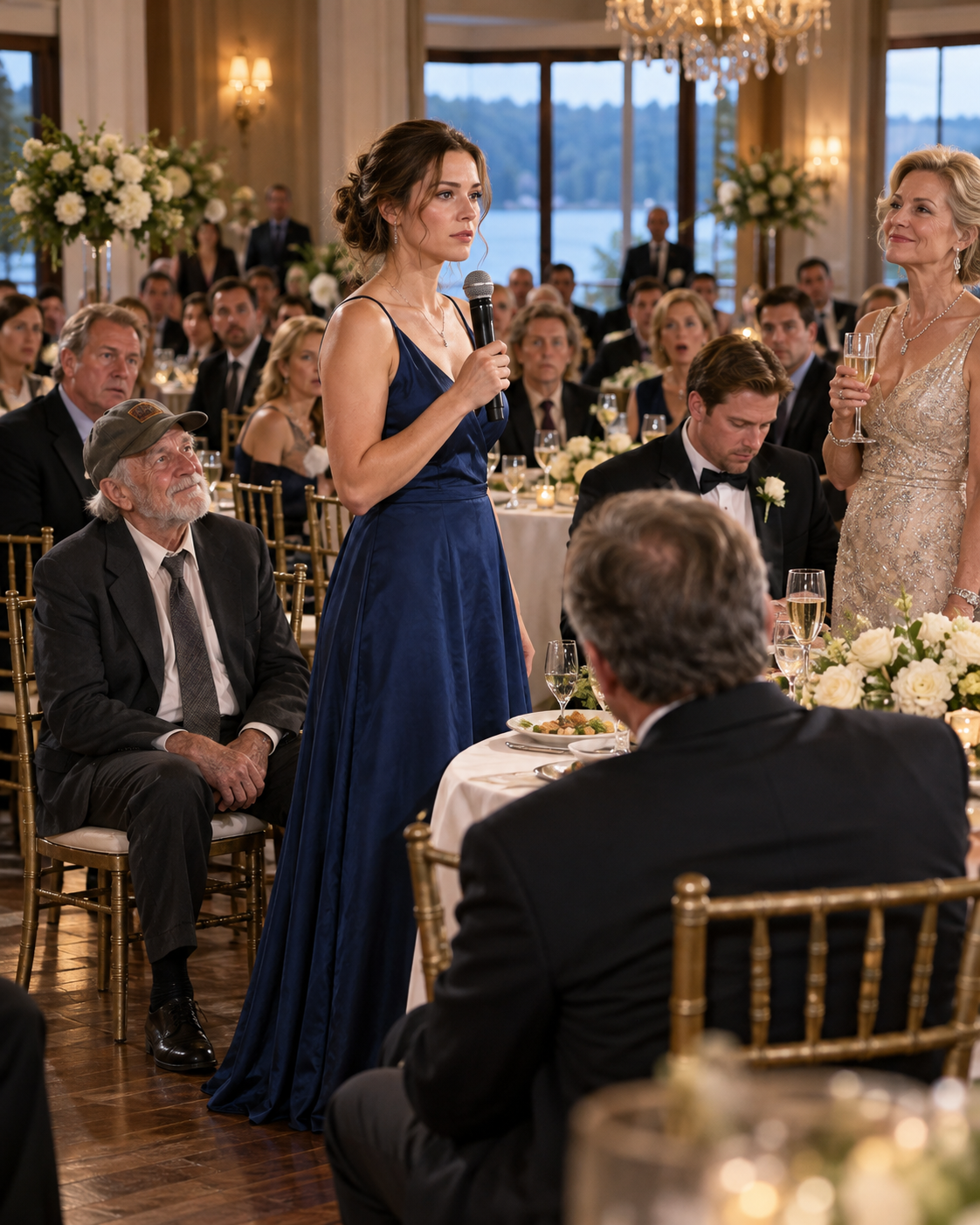
My future mother-in-law mocked my job at our rehearsal dinner—then Grandpa winked from table six.
Part 1: We wanted a doctor for our son. He insisted on marrying a mechanic. My future mother-in-law made that...
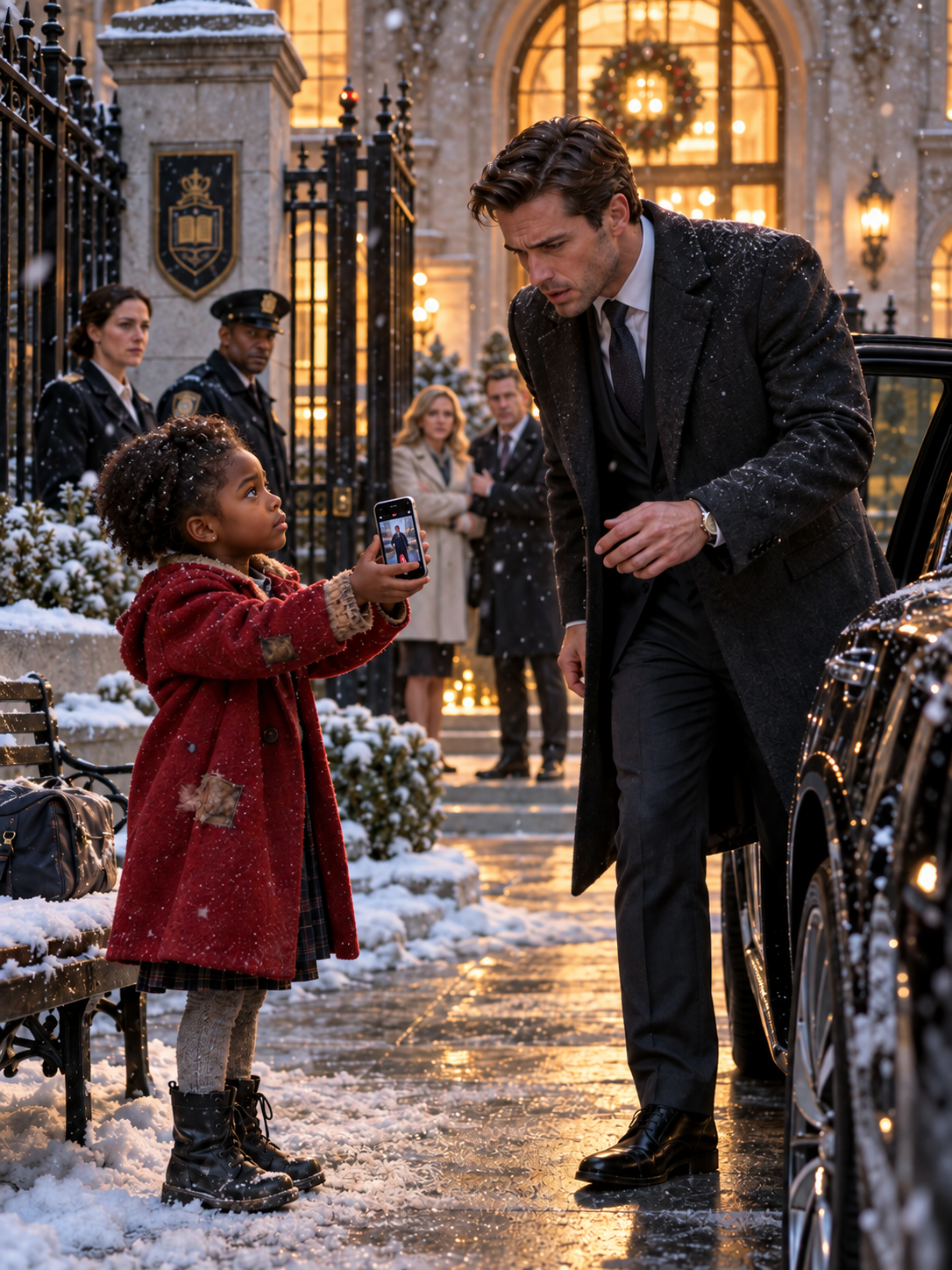
THE MILLIONAIRE THOUGHT A LITTLE GIRL STOLE HIS PHONE—THEN THE VIDEO SHE PROTECTED EXPOSED A BETRAYAL THAT FORCED HIM TO QUESTION EVERYONE HE TRUSTED AND EVERYTHING HE VALUED – Life Story
A six-year-old girl sat outside an elite Manhattan school clutching a millionaire’s missing phone while adults quietly decided she must...