They had the fame. They had the beauty. They had the world at their feet. So why did so many of old Hollywood’s biggest stars end up trapped in scandal, heartbreak, and tragedy? Behind the glittering premieres and million-dollar smiles were secrets the studios didn’t want anyone to know. From mysterious deaths to shocking betrayals, these are the most tragic stories of old Hollywood actresses—and some are darker than any movie ever made.
Take Virginia Rappe. Long before Hollywood became famous for celebrity breakups and social media meltdowns, it was rocked by a scandal so shocking that it nearly destroyed the film industry itself. At the center stood a beautiful young actress whose mysterious death made headlines across America. If Hollywood had a welcome-to-the-dark-side moment, this was probably it.
Virginia’s life was never easy. Born into difficult circumstances, she lost her mother at a young age and had to learn how to survive long before she ever stepped in front of a camera. After moving from Chicago to San Francisco, she built a successful career as a model and fashion designer before finding opportunities in the growing film industry. By the early 1920s, things finally seemed to be going her way. She was appearing in movies, gaining attention, and building a future in Hollywood. For once, the script of her life appeared to be heading toward a happy ending.
Unfortunately, Hollywood had other plans.
Everything changed during a Labor Day party in 1921 at San Francisco’s luxurious St. Francis Hotel. The host was Roscoe “Fatty” Arbuckle, one of the biggest comedy stars in America. Despite the nickname, Arbuckle was earning enough money to make modern celebrities jealous. During the party, Virginia entered a private room with Arbuckle. What happened next remains one of Hollywood’s greatest mysteries.
Witnesses later reported hearing screams. Virginia became seriously ill and was rushed for medical care. Days later, she passed away from internal injuries. Almost immediately, rumors exploded across newspapers nationwide. Some claimed Arbuckle was responsible. Others insisted he was innocent. Suddenly, Hollywood wasn’t selling dreams anymore. It was selling scandal.
The case led to three sensational trials, endless headlines, and enough public outrage to keep newspaper editors smiling for months. Arbuckle was ultimately acquitted, but his career never fully recovered. As for Virginia, the truth about her final hours may never be known. Was she the victim of a terrible crime, a tragic accident, or something else entirely? More than 100 years later, historians still debate the answer. What remains undeniable is that Virginia Rappe became the tragic face of Hollywood’s first major scandal—a woman whose life was cut short, and whose story remains one of old Hollywood’s darkest and most haunting mysteries.
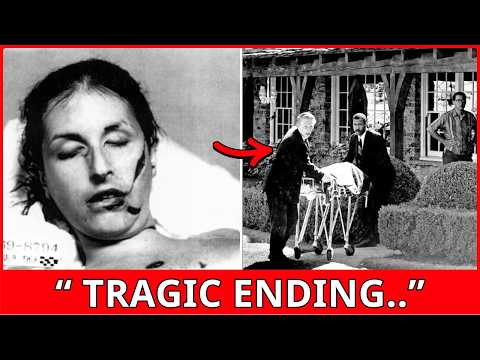
If Hollywood were a movie, Elizabeth Short’s story would be the kind of ending nobody would believe if it appeared in a script. More than 70 years later, people are still trying to solve the mystery that transformed an aspiring actress into one of America’s most infamous unsolved cases. Known to history as the Black Dahlia, Elizabeth became a legend—but not for the reason she had dreamed of.
She came to Hollywood hoping to become a star. Instead, she became a mystery that refuses to die.
Born in Massachusetts, Elizabeth’s childhood was anything but glamorous. Her father abandoned the family when she was young, leaving her mother to raise several children alone. To make matters even stranger, years later, her father reappeared after everyone believed he was gone for good. Life dealt Elizabeth one difficult hand after another. She battled health problems, financial struggles, and constant uncertainty. Yet, despite everything, she never stopped believing that California held the key to a better future.
With her striking dark hair, elegant black outfits, and undeniable charm, she looked every bit like someone destined for the silver screen. But Hollywood can be brutally selective about whose dreams come true.
By her late teens, Elizabeth was drifting between temporary jobs, short-lived relationships, and uncertain living arrangements. She wanted a breakthrough, but success never arrived. Friends described her as hopeful and ambitious, always talking about what might happen next. Sadly, what happened next was something no one could have imagined.
On January 9th, 1947, Elizabeth was last seen alive. A few days later, her body was discovered in Los Angeles under shocking circumstances. The gruesome nature of the crime stunned the city and dominated newspaper headlines. Suddenly, everyone knew her name—but for all the wrong reasons.
What followed was a media frenzy unlike anything Hollywood had seen before. Detectives chased hundreds of leads. Reporters flooded the streets searching for clues. Amateur investigators appeared everywhere, each convinced they had cracked the case. If social media had existed back then, the internet probably would have broken. Yet, despite countless suspects, theories, and confessions, no one was ever officially identified as the killer.
Decades have passed, and the mystery remains unsolved. Elizabeth Short never achieved the Hollywood career she dreamed about, but she became something far more enduring—a symbol of one of America’s greatest unsolved mysteries. The Black Dahlia case continues to fascinate, disturb, and captivate people around the world, proving that sometimes the darkest Hollywood stories never get a final act.
Imagine becoming one of Hollywood’s brightest rising stars, only to end up sleeping on Sunset Boulevard, wearing nothing but a bathing suit and a coat. It sounds like something straight out of a tragic Hollywood screenplay, but for Barbara Payton, it was reality.
Born in 1927, Barbara had everything studios wanted—beauty, charm, and a magnetic presence that could light up a movie screen. When Universal Pictures signed her in 1948, it seemed she was destined to become one of Hollywood’s next great stars. Fame arrived quickly, and for a moment the future looked brighter than ever.
But Hollywood’s spotlight can be just as dangerous as it is glamorous. As Barbara’s popularity grew, so did her appetite for the wild side of celebrity life. Lavish parties, late-night clubs, and highly publicized romances soon became her trademark. One scandal in particular—an affair with the already married Bob Hope—created a media storm that damaged her reputation and reportedly cost her a valuable studio contract.
While most actors would have seen that as a warning sign, Barbara kept racing forward as if the rules simply didn’t apply to her. For a while she continued finding work and appearing in films, but behind the scenes her life was unraveling. Failed marriages piled up, alcohol became a constant companion, and her behavior grew increasingly erratic.
The headlines that once celebrated her beauty and talent now focused on her personal troubles. Hollywood, a town famous for building stars, had begun watching one of its own slowly fall apart. The glamorous image she had worked so hard to create was slipping away, replaced by stories of chaos, addiction, and heartbreak.
By the early 1960s, Barbara was a shadow of the woman audiences once adored. One of the most shocking stories from her decline involved her being found asleep on Sunset Boulevard dressed only in a bathing suit and coat. Years later, those who met her described a woman struggling to hold on to the pieces of a life that had spun completely out of control.
Then came the heartbreaking finale. In 1967, Barbara Payton was found dead at her parents’ home in San Diego at just 39 years old. Hollywood had given her fame, fortune, and attention. But in the end, it couldn’t save her from herself. Her story remains one of old Hollywood’s most tragic reminders that sometimes the brightest stars burn out the fastest.
Hollywood loves a good comeback story. Unfortunately, Frances Farmer became famous for something much darker—a story so filled with rumors, scandals, and misunderstandings that even today many people still don’t know what’s true. In fact, if you ask most people about Frances Farmer, they’ll probably mention one shocking rumor that never actually happened.
During the 1930s, Frances Farmer seemed destined for stardom. Beautiful, intelligent, and fiercely independent, she wasn’t the typical Hollywood actress. While many stars carefully followed studio rules, Frances had a habit of speaking her mind. As you can imagine, Hollywood executives loved that about as much as a cat loves bath time.
Her rebellious attitude often put her at odds with the powerful people controlling the industry. Still, her talent was undeniable, and audiences quickly took notice. As her career progressed, however, personal struggles began to overshadow her success. Frances battled alcoholism, emotional difficulties, and increasing conflicts with both Hollywood and the media.
In 1943, she was arrested after failing to pay fines related to a drunk driving case. Reports described her behavior as erratic and highly emotional. The following year, her mother arranged for her to be committed to a psychiatric hospital. Over the next several years, Frances moved in and out of treatment facilities while newspapers eagerly turned her troubles into front-page entertainment.
Suddenly, the actress who once seemed destined for greatness had become one of Hollywood’s most tragic cautionary tales. But here’s where the story takes an unexpected twist.
For decades, people believed Frances had undergone a lobotomy—a controversial brain procedure that became one of Hollywood’s most famous horror stories. Books, articles, and even pop culture references repeated the claim. The problem? Evidence later showed the story wasn’t true.
Frances herself repeatedly denied ever receiving the procedure, and historians eventually discredited the rumor. Yet the myth became more famous than the woman herself. Frances Farmer passed away in 1970, but her legacy continues to fascinate audiences because it serves as a reminder that sometimes Hollywood’s most enduring stories aren’t the movies—they’re the myths created afterward.
Long before celebrity scandals flooded the headlines, there was Lupe Velez. Born in Mexico in 1908, she arrived in Hollywood with a rebellious spirit that refused to be controlled. Her beauty, confidence, and explosive personality immediately caught attention, and studios quickly turned her into a star—the Mexican Spitfire.
Unlike many actresses who carefully crafted a perfect image, Lupe was unapologetically herself. Her personal life often generated more attention than her movies—passionate romances, public arguments, and a temper that could light up a room faster than a Hollywood spotlight. Yet behind the laughter and glamour was a woman facing growing personal struggles. Relationships came and went, disappointments piled up, and the pressure of fame took its toll.
Then came the tragic final chapter. In 1944, while dealing with emotional turmoil and an unexpected pregnancy, Lupe died from an overdose at just 36 years old. Even after her passing, sensational rumors about her death continued to circulate for decades, often overshadowing the truth. Yet beyond the gossip and myths, Lupe Velez remains remembered as one of old Hollywood’s most unforgettable stars—a woman who lived boldly, loved fiercely, and left behind a story Hollywood still can’t stop talking about.
Most aspiring actors dream of seeing their name in lights. Peg Entwistle became famous for something far stranger—her name became forever linked to the Hollywood sign itself. Born in Wales, Peg lost both parents while still young and spent much of her childhood trying to find stability. Despite the challenges, she discovered a talent for acting and eventually found success on the New York stage.
Like countless dreamers before her, she looked west toward Hollywood believing the movie industry would be her big break. When Peg arrived in California, however, reality proved far less glamorous. She found rejection, financial struggles, and uncertainty. Finally, in 1932, she landed a role in the film 13 Women. It should have been the moment that changed everything. Unfortunately, most of her scenes were cut from the final version, leaving her with only a few brief moments on screen.
The disappointment hit hard. Feeling isolated and overwhelmed, Peg fell into a deep depression. One evening she told her uncle she was going out to meet friends. Instead, she made her way to the famous Hollywoodland sign overlooking Los Angeles. Climbing a maintenance ladder behind the giant letter H, she reached the top and made a decision that would shock the city. Days later her body was discovered below. She was only 24 years old. Tragically, the success she longed for arrived only after her death.
Imagine becoming one of Hollywood’s biggest stars only to spend your entire career hearing that someone else made you famous. That was the story of Marion Davies. Beautiful, talented, and beloved by audiences, she should have been remembered as one of the great actresses of the silent film era. Instead, much of the attention focused on her relationship with newspaper tycoon William Randolph Hearst, one of the richest and most powerful men in America.
When Marion met Hearst in 1917, she was a rising star and he was a married media mogul more than three decades older than her. Hearst used his wealth and influence to promote Marion’s films, helping turn her into a household name. But there was a catch. No matter how successful she became, critics constantly claimed her career existed only because of Hearst. To them, she wasn’t a talented actress. She was simply the boss’s favorite.
Things became even more complicated in 1941 when Orson Welles released Citizen Kane. The film was widely believed to be inspired by Hearst and Marion’s relationship, exposing their private lives to public scrutiny. While the movie became a cinematic masterpiece, Marion paid the price. Yet, despite everything, she remained fiercely loyal to Hearst, even selling valuable jewelry to help support his struggling business empire during difficult times.
When Hearst died in 1951, Marion suffered another heartbreaking blow. Reports claimed that members of Hearst’s family removed photographs and mementos of their relationship as if trying to erase her from his story entirely. Her health declined in later years, and she passed away in 1961. Today, many historians believe Marion Davies was far more talented than she was ever given credit for. In the end, her greatest struggle wasn’t becoming a star. It was convincing the world that she deserved to be one.
To the world, Rita Hayworth seemed to have it all. She was stunning, glamorous, and one of the biggest stars of Hollywood’s Golden Age. But behind that dazzling smile was a secret pain that few people ever saw. Born Margarita Carmen Cansino in Brooklyn, Rita’s childhood was far from the fairytale people imagined. Her father, a successful dancer, was also a controlling and abusive figure whose actions left deep emotional scars. Yet Rita learned early how to hide her pain behind a performance.
As her fame exploded during the 1940s, Rita became one of Hollywood’s biggest symbols of beauty and desire. But while her career soared, her personal life often felt like a series of disappointing sequels. She married five times searching for the love and security she never found as a child. At one point, she even married a prince, becoming Hollywood royalty in the most literal way possible. Unfortunately, not even a royal title could guarantee a happy ending.
In her later years, the contrast between Rita’s public image and private reality became heartbreaking. Friends described seeing a lonely, vulnerable woman hidden behind the glamorous persona that millions admired. Then came another devastating challenge—Alzheimer’s disease. Long before most people understood the illness, Rita became one of the first major celebrities associated with it. She passed away in 1987, but her story remains a powerful reminder that fame can create an illusion. The world knew Rita Hayworth as a flawless Hollywood goddess. The people closest to her knew she was simply a woman searching for peace behind the spotlight.
Before Marilyn Monroe became Hollywood’s most famous blonde, there was Jean Harlow. With her platinum blonde hair, dazzling beauty, and sharp wit, she became one of the biggest stars of the 1930s. Born Harlean Carpenter, Jean was heavily influenced by her ambitious mother, who dreamed of stardom herself. As Jean’s career exploded, so did the public fascination with her personal life—scandalous romances, tabloid headlines, and the mysterious death of one of her husbands kept gossip reporters busy.
Despite her success, Jean faced a battle that fame couldn’t solve. Since childhood, she had struggled with serious illnesses that left lasting damage to her health. While fans admired her confidence and charm on screen, few realized how fragile she had become behind the scenes. Then in 1937, tragedy struck. While filming Saratoga, Jean became seriously ill. What many believed was exhaustion turned out to be kidney failure. Hollywood was stunned as one of its brightest stars passed away at just 26 years old. Her death shocked fans around the world and left behind countless rumors and unanswered questions. Though her life was brief, Jean Harlow forever changed Hollywood’s image of glamour and stardom—proving that sometimes the brightest stars shine the fastest and disappear far too soon.
Most kids spend their childhood playing with toys, making friends, and getting into trouble. Baby Peggy spent hers making millions of dollars for Hollywood. By the age of two, she had already become one of the biggest child stars in America. Born Peggy Jean Montgomery in 1918, Baby Peggy quickly became a sensation during the silent film era. Her expressive face and natural charm helped her star in more than 150 short films and several feature movies before most children even started elementary school. At the height of her fame, she was known as Hollywood’s million-dollar baby.
But behind the success was a childhood that hardly felt like childhood at all. Peggy later admitted she didn’t know what a normal kid’s life looked like because she rarely had time to make friends or simply be a child. Then came an even bigger shock. After earning a fortune, she discovered that the money she had worked so hard for was gone. Family members had mismanaged her finances, and much of her wealth disappeared. To make matters worse, a contract dispute ended her film career almost overnight.
One day, she was one of Hollywood’s biggest stars. The next, she was out of work. As the Great Depression hit, her family’s fortunes collapsed. But unlike many former child stars, Peggy refused to let tragedy define her. Reinventing herself as Diana Serra Cary, she pursued a new dream and became a successful author. While Hollywood had taken away her fortune, it couldn’t take away her determination. Her story remains one of old Hollywood’s most heartbreaking lessons: sometimes, the people making the most money are the ones who end up with the least of it.
Not every Hollywood tragedy begins with scandal or controversy. Sometimes, a promising life can be destroyed in a single moment. That was the fate of Gladys Brockwell, a talented actress whose career was soaring just as tragedy struck. Born in the 1890s, Gladys was practically raised on stage. By the age of three, she was already performing for audiences. Her talent eventually opened the doors to Hollywood, where she quickly became a respected silent film actress. Fox Studios recognized her potential, and before long, she was appearing in major productions.
While her professional life flourished, her personal life faced challenges. In 1918, she divorced her husband Robert Broadwell and chose to focus on her growing career. The decision seemed to pay off. By the late 1920s, she was landing bigger roles and reaching new heights of success. For the first time, it looked as though all her years of dedication were finally leading to something extraordinary.
Then, everything changed. In 1929, Gladys was riding in a car with advertising executive Thomas Brennan when a sudden accident sent the vehicle off the road and down a steep embankment. The crash left her with severe injuries, and she passed away shortly afterward. She was still young and had much of her future ahead of her. In an industry filled with dramatic downfalls, Gladys Brockwell’s story stands out because there was no scandal, no controversy, and no warning—just a rising star whose bright future disappeared in the blink of an eye.
These are the stories Hollywood would rather forget. Yet they remain, haunting the edge of every red carpet and every premiere—a reminder that behind the glitter, the dream factory has always demanded a price. Which of these tragic stars do you think deserved a better ending—and whose story shocked you the most? Tell us in the comments below.
Report this article
Select a reason for reporting:






