The synthesizers fade, the drum machines fall silent, but the echoes of the 1980s still pulse through our veins. For a decade, music wasn’t just heard—it was felt, lived, and worshipped. From the neon-lit stages of MTV to the crackling radio waves, the stars of the 80s weren’t just performers; they were gods and goddesses of a golden era. But time, as it always does, moved on. The question that lingers like the last chord of a power ballad: where did they all go?
In this second chapter of our journey, we dive deeper into the lives of the icons who shaped the soundtrack of our youth. From the flamboyant Adam Ant to the powerhouse Meatloaf, from the pop prince Rick Astley to the soulful Taylor Dayne—these were the voices that defined a generation. But fame is a fickle mistress, and the spotlight can burn as brightly as it can fade. What happened when the music stopped? Did they find peace in the silence, or did they keep chasing the rhythm?
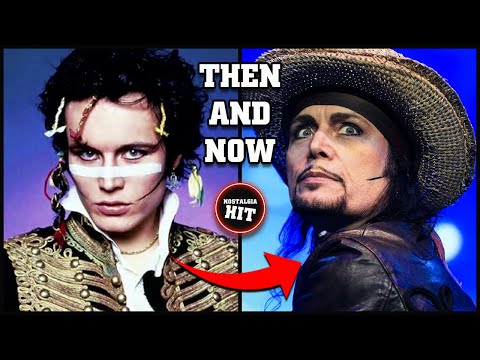
We begin with a man who once declared himself a ‘dandy highwayman’—Adam Ant. With his warpaint and pirate garb, he was more than a musician; he was a theatrical revolution. But behind the makeup and the chart-topping hits, a different story unfolded. One of struggle, of mental health battles, and of a relentless fight to reclaim his throne. His journey is a testament to the price of fame and the resilience of the human spirit.
Then there’s Rick Astley—the boyish crooner whose deep voice and catchy hooks made him a global sensation. ‘Never Gonna Give You Up’ became an anthem, but it also became a burden. Rick stepped away from the spotlight at the height of his fame, leaving fans bewildered. What drove him to walk away? And what brought him back decades later, embracing the very song that defined him?
And who could forget Taylor Dayne? Her powerful vocals and fierce independence made her a force to be reckoned with. Hits like ‘Tell It to My Heart’ and ‘Love Will Lead You Back’ showcased a voice that could shake the rafters. But the music industry is a relentless machine, and Taylor’s journey is one of triumph, betrayal, and ultimately, self-discovery. She’s a survivor in every sense of the word.
But the 80s weren’t just about the pop charts. The decade gave us rock gods and soul queens, each with their own story of glory and heartbreak. From the stadium anthems of Meatloaf to the soulful grooves of Taylor Dayne, the diversity of the era was its greatest strength. These artists didn’t just make music; they made history.
As we delve into their lives today, we’ll uncover the triumphs and the tragedies, the comebacks and the quiet retreats. We’ll hear from those who knew them best and those who were touched by their music. Because behind every hit song is a human being, with dreams, fears, and a story waiting to be told.
So join us as we turn back the clock once more, not just to remember the music, but to rediscover the people behind the personas. The 80s may be gone, but its stars are still shining—some brighter than ever, others in a different light. This is their story, then and now.
Take Meatloaf, for instance. Born Marvin Lee Aday, he was a man whose voice could fill a stadium and whose stage presence was nothing short of operatic. ‘Bat Out of Hell’ didn’t just sell records—it became a cultural phenomenon, a rock opera that refused to die. But the road to that success was paved with rejection. No label wanted him. They said the sound was too big, too theatrical, too much. They were wrong.
In the decades that followed, Meatloaf battled his own demons—health scares, weight issues, and the relentless pressure of following up a masterpiece. Yet he never stopped performing, never stopped believing. His story is proof that sometimes, the biggest voices come from the smallest chances.
Then we have the quiet storm of the decade: the artists who didn’t just top the charts but redefined genres. Think of the soulful rebellion of Taylor Dayne, whose powerhouse vocals were matched only by her fierce independence. She clawed her way through an industry that often chewed up and spat out women who dared to age.
‘Tell It to My Heart’ was more than a hit—it was a declaration of war against mediocrity. But behind the fierce stage persona, Taylor faced the same battles as many women in music: ageism, sexism, and the constant reinvention demanded by a fickle public. Her journey is one of triumph, yes, but also of betrayal and the quiet resilience that keeps a star burning long after the spotlight dims.
And what of the pop prince himself, Rick Astley? The boy with the golden voice and the even more golden heart. At the height of his fame, he did the unthinkable: he walked away. Some called it madness. Others called it wisdom. He traded sold-out arenas for the quiet life of a family man, leaving behind a legacy that would, ironically, become immortal through the internet.
When ‘Rickrolling’ became a global phenomenon years later, Astley didn’t fight it. He embraced it. He laughed at himself, appeared in memes, and even performed the song with a wink and a smile. It was a masterclass in reinvention—not by chasing new trends, but by accepting the past with grace.
But the 80s weren’t just about the solo stars. The bands, the duos, the one-hit wonders—they all left their mark. Some faded into obscurity, while others found second acts that no one saw coming. The decade was a melting pot of ambition, excess, and raw talent, and the stories of its stars reflect the same highs and lows that defined the era itself.
As we continue our journey, we’ll hear from the producers, the managers, and the fans who witnessed it all. Because the 80s weren’t just a decade—they were a state of mind. And for these artists, the music never really stopped. It just changed tempo.
Take Adam Ant, for instance. The man who once painted a white stripe across his nose and called himself a dandy highwayman didn’t just fade away—he fell, and he fell hard. In 2002, he was sectioned under the Mental Health Act, diagnosed with bipolar disorder. The tabloids had a field day. But Adam, ever the showman, refused to let that be the final act.
He returned to the stage with a quieter kind of courage. No longer the pirate king, but a survivor. ‘I was a pop star who was supposed to be dead,’ he once said. ‘And here I am.’ Today, he tours with a renewed purpose, his performances less about spectacle and more about connection—a man who has made peace with his demons and his legacy.
Then there’s the story of Taylor Dayne, whose voice could shatter glass and whose spirit could shatter expectations. After the hits dried up, she didn’t disappear—she fought. She took control of her career, her image, her destiny. She toured relentlessly, released independent albums, and refused to be written off as a nostalgia act.
But the industry doesn’t make it easy for women over forty. Taylor has spoken openly about the ageism she faced, the executives who told her to dress younger, sound younger, be younger. ‘I was told my time was up,’ she said. ‘But I decided my time was mine.’ Her story is a reminder that the spotlight may fade, but the artist’s fire can burn brighter than ever.
And what of Rick Astley, the man who became the internet’s favorite punchline? When ‘Rickrolling’ exploded, he could have been bitter. Instead, he was brilliant. He embraced the joke, appeared in commercials, and even performed ‘Never Gonna Give You Up’ at the 2023 Macy’s Thanksgiving Day Parade—with a knowing grin.
But Rick didn’t stop there. He released new music, toured sold-out venues, and proved that the boy with the golden voice had grown into a man with a golden sense of humor. ‘I’m the guy who got rickrolled by the whole world,’ he laughed. ‘And I won.’ His comeback wasn’t a comeback at all—it was a rebirth.
Behind every one of these stars is a story of survival. The 80s gave them fame, but the decades since have given them something more valuable: perspective. They’ve learned that the music industry is a rollercoaster, and the only way to survive is to hold on tight and enjoy the ride.
As we dig deeper, we’ll hear from the people who were there—the producers who shaped the sound, the managers who navigated the chaos, and the fans who never stopped believing. Because the 80s weren’t just about the hits; they were about the hearts behind them.
And then there’s the story that nobody saw coming. Rick Astley, the man who once walked away from it all, found himself selling out arenas again in his fifties. Not because of nostalgia alone, but because he’d finally made peace with the song that defined him. He sang it with joy, not obligation. That’s the secret nobody tells you about the 80s stars—the ones who survived didn’t just endure their legacy. They learned to dance with it.
Adam Ant, too, found his rhythm again. He tours now with a quiet dignity, his shows less spectacle and more communion. The warpaint is still there, but the man beneath it has softened. He’s spoken openly about bipolar disorder, about the years lost to fear and confusion. And in doing so, he’s given permission to countless fans to face their own battles.
Taylor Dayne? She never stopped. She’s still out there, voice intact, refusing to be reduced to a nostalgia footnote. She’s released new music, toured relentlessly, and spoken truth to power about an industry that discards women past a certain age. Her story isn’t just one of survival—it’s one of defiance.
Meatloaf left us in 2022, but his legacy? It’s louder than ever. ‘Bat Out of Hell’ still sells, still moves, still matters. He proved that theatricality wasn’t a weakness—it was a superpower. And the fans who sang along for five decades? They’re still singing.
So here’s the truth these stars taught us: fame fades, but artistry endures. The 80s weren’t just a decade of excess—they were a decade of fearless expression. And the ones who survived didn’t do it by clinging to the past. They did it by evolving, by laughing at themselves, by embracing the absurdity of it all.
Because in the end, the music never really stopped. It just changed tempo.
But here’s the question that lingers: if you could step back into that neon-lit era for just one night, which star would you want to see perform live—and why?
Report this article
Select a reason for reporting:






