Before dawn on April 16, 1945, the earth trembled as over 9,000 Soviet artillery pieces unleashed a barrage that could be heard in Berlin, nearly 50 miles away. For thirty minutes, more than 500,000 shells rained down on the German defenses atop the Seelow Heights, the last major obstacle between the Red Army and the Nazi capital. The bombardment was so intense that the ground shook like an earthquake, and in the town of Müncheberg, the cross atop the church tower broke off and fell. Then, as the guns fell silent, 143 searchlights flicked on, their beams cutting through the smoke and dust to illuminate the battlefield—and blind the defenders. With a thunderous battle cry, tens of thousands of Red Army soldiers charged forward.
But the Germans were ready. General Theodor Busse, commander of the Ninth Army, had anticipated the attack and ordered his troops to fall back from the front line just before the bombardment. When the Soviet infantry advanced, they were met with a murderous hail of fire from the heights above. The searchlights, intended to blind the enemy, instead silhouetted the attackers, making them easy targets. In the chaos, the Soviet assault slowed to a crawl, and the battle for the Seelow Heights became a brutal slugfest that would cost tens of thousands of lives.
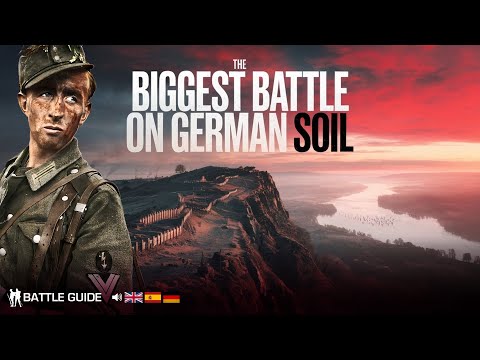
The stakes were immense. Stalin had ordered Marshal Georgy Zhukov to take Berlin as quickly as possible, fearing the Western Allies might reach the city first. Zhukov, a brilliant commander, was forced to rely on sheer mass and firepower to break through the German lines. The Seelow Heights, rising 50 to 70 meters above the Oder River valley, were a natural fortress. The Germans had transformed the landscape into a deadly web of trenches, minefields, bunkers, and anti-tank ditches. Every square meter was covered by overlapping fields of fire.
On the Soviet side, the 8th Guards Army, veterans of Stalingrad, led the assault. Behind them, the elite 1st Guards Tank Army, heroes of Kursk, waited to exploit any breakthrough. Opposing them was a motley force of raw recruits—many of them teenage boys—and exhausted veterans. The German Ninth Army was outnumbered ten to one, and its few remaining panzer divisions had been sent to Hungary, leaving the Oder front dangerously weak.
As dawn broke, the Red Air Force joined the fray. Wave after wave of Il-2 Sturmovik ground-attack aircraft swooped down on the German positions, while heavy bombers pounded command posts and supply depots. The young soldiers of the Volkssturm, caught in the open, suffered terribly. Some panicked and fled; others fought to the death. By noon, the Soviet air force had flown over 6,500 sorties, but the early morning mist rising from the Oder concealed the main German positions on the slopes, sparing them from the worst of the air attacks.
Back at his command bunker, Zhukov exchanged harsh words with General Vasily Chuikov, commander of the 8th Guards Army. The advance was far behind schedule. Frustrated, Zhukov ordered the tanks of the 2nd Guards Tank Army to cross the Oder and join the attack. The heights had to be taken by the next day. As night fell, the fighting continued. Soviet assault squads stormed German strong points, clearing them out one by one in murderous close combat. The sleep-deprived defenders were overwhelmed by flamethrowers, submachine guns, and grenades. Even captured German Panzerfausts were used to deadly effect.
In the midst of this carnage, individual acts of bravery stood out. Sergeant Georgy Kholmov, a communications officer, repeatedly repaired severed telephone lines under enemy fire, enabling his unit to call in vital artillery support. He was eventually found dead near his wire, having bled out. Sergeant Ivan Zverev led an assault on a bunker, throwing a bundle of grenades into the gun port. Wounded by machine-gun fire, he threw himself over the port, blocking the gunner’s sight with his body until the grenades exploded, destroying the position. Both men were posthumously awarded the Hero of the Soviet Union.
The battle raged on. The Germans threw in their last reserves, including elite SS units and King Tiger tanks, but they were overwhelmed by the sheer numbers of Soviet T-34s and IS-2s. By the end of the second day, the German line began to crumble. The town of Seelow was abandoned, and the defense started to disintegrate. Private Helmut Altner recalled the terror of the Soviet rocket launchers: “Suddenly all hell breaks loose. Stalin’s organs. God have mercy on us. We found ourselves in an inferno of fire and horror.” Out of his entire battalion, only 140 men remained, then 110, then 78. “We were tired and despondent, burnt out. We had lost all hope.”
By April 18, the remnants of the German Ninth Army formed a final line around the town of Müncheberg. Within 24 hours, they were gone. The last German line of defense in the East had been breached. The gateway to Berlin was open. But the cost was staggering: over 30,000 Red Army soldiers lay dead, and 12,000 Germans were killed, with 35,000 more marched into captivity. The battle for the Seelow Heights was over, but the fight for Berlin had just begun.
Yet even as the guns fell silent on the heights, the men who had survived could scarcely comprehend what they had endured. Lieutenant Grigory Zorin of the 1st Guards Tank Army remembered that his platoon went through three full sets of replacements during the fighting. “I couldn’t even catch all their names,” he said, “because as soon as they came, after the next attack, they would be gone.”
For the German survivors, the collapse was total. Private Helmut Altner and the remnants of his company stumbled back through the burning villages, past the wreckage of their own defenses. “The dead lay between the craters,” he recalled. “The company commander appeared and gathered whoever was left of us, and we got moving again.” They were no longer an army in any meaningful sense—just exhausted boys and broken men shuffling westward ahead of the Soviet tide.
On the Soviet side, the victory was bitter. The 8th Guards Army, which had marched all the way from the ruins of Stalingrad, had paid a terrible price on these muddy slopes. General Chuikov’s veterans had expected a swift breakthrough. Instead, they had been forced to claw their way up the heights foot by foot, bunker by bunker, in a battle that felt eerily familiar to the street fighting of Stalingrad.
Zhukov, stung by the delays and the enormous casualties, drove his commanders relentlessly. Berlin lay just beyond the horizon, and Stalin’s deadline loomed. There would be no pause to regroup, no time to mourn. The tank armies that had been held in reserve now rumbled across the Oder, their engines drowning out the cries of the wounded. The road to Berlin was open.
But the Seelow Heights had taught the Red Army a harsh lesson. The Germans, though hopelessly outnumbered, had fought with a ferocity born of desperation. “No quarter was given, and none was asked,” one Soviet veteran recalled. The battle had become a preview of what awaited them in the streets of Berlin itself—a fight to the death in a city reduced to rubble.
Among the German defenders, the sense of impending doom was absolute. The young soldiers of the Volkssturm, many of them barely sixteen, had been thrown into the line alongside hardened SS veterans. “We were tired and despondent, burnt out,” Altner wrote. “We had lost all hope.” Yet they had fought on, because there was nowhere left to retreat.
As the Soviet columns pushed westward through the smoking ruins of Müncheberg and beyond, they passed the bodies of friend and foe alike, tangled together in the craters. The fields were littered with the wreckage of tanks, the shattered remains of artillery pieces, and the endless debris of a broken army. The air stank of cordite and death.
For the men of the 8th Guards Army, the victory at Seelow was a moment of grim satisfaction. They had avenged Stalingrad, Kursk, and a thousand other battles. But as they looked toward Berlin, they knew the hardest fighting was yet to come. The German capital was a fortress, and its defenders—however broken—would not surrender without a fight.
In the end, the battle for the Seelow Heights was decided not by strategy or tactics, but by sheer, overwhelming force. The Red Army had bludgeoned its way through the last German line of defense in the East, and in doing so, had opened the door to the final chapter of the war in Europe. The road to Berlin lay ahead, and the soldiers who had survived the heights knew that their greatest trial was still to come.
The battle for the Seelow Heights was over, but its echoes would linger long after the guns fell silent. For the survivors, the memories of those three days would never fade. “I was lying there half dead, scratching the ground with my fingernails, ripping at the turf, wishing I could dig into the belly of the Earth itself,” Helmut Altner recalled. “Finally the fire lifted. I couldn’t believe it. I felt myself all over—nothing was missing. I was only covered in dirt and half shattered, but still alive.”
On the Soviet side, the victory was celebrated, but the cost weighed heavily. “The losses we suffered were enormous,” Lieutenant Grigory Zorin remembered. “By the end of the fighting my platoon went through three full sets of replacements. I couldn’t even catch all their names because as soon as they came, after the next attack, they would be gone.” The 8th Guards Army, which had marched from Stalingrad to the gates of Berlin, had paid a terrible price. Yet there was no time to mourn.
Zhukov, stung by the delays and the staggering casualties, drove his commanders relentlessly. Berlin lay just beyond the horizon, and Stalin’s deadline loomed. The tank armies that had been held in reserve now rumbled across the Oder, their engines drowning out the cries of the wounded. The road to Berlin was open.
But the Seelow Heights had taught the Red Army a harsh lesson. The Germans, though hopelessly outnumbered, had fought with a ferocity born of desperation. “No quarter was given, and none was asked,” one Soviet veteran recalled. The battle had become a preview of what awaited them in the streets of Berlin itself—a fight to the death in a city reduced to rubble.
For the men of the 8th Guards Army, the victory at Seelow was a moment of grim satisfaction. They had avenged Stalingrad, Kursk, and a thousand other battles. But as they looked toward Berlin, they knew the hardest fighting was yet to come. The German capital was a fortress, and its defenders—however broken—would not surrender without a fight.
In the end, the battle for the Seelow Heights was decided not by strategy or tactics, but by sheer, overwhelming force. The Red Army had bludgeoned its way through the last German line of defense in the East, and in doing so, had opened the door to the final chapter of the war in Europe. The road to Berlin lay ahead, and the soldiers who had survived the heights knew that their greatest trial was still to come.
As the sun set on April 19, 1945, the men who had fought on the Seelow Heights looked out over the smoldering landscape. The fields were littered with the wreckage of tanks, the shattered remains of artillery pieces, and the endless debris of a broken army. The air stank of cordite and death. Yet for the survivors, there was no time to rest. The war was not over. Berlin beckoned, and with it, the final reckoning.
What do you think was the most decisive factor in the Soviet victory at the Seelow Heights—sheer numbers, Zhukov’s relentless pressure, or the Germans’ fatal lack of reserves? Share your thoughts in the comments below.
Report this article
Select a reason for reporting:






