In the golden age of Hollywood, where glamour and strict moral codes ruled the silver screen, a rebellious undercurrent simmered beneath the surface. Filmmakers, driven by a desire to push boundaries and expose uncomfortable truths, created works that defied convention and sparked outrage. These were the films that dared to challenge the status quo, risking censorship and condemnation to leave an indelible mark on the art of storytelling. From the silent era to the modern age, 30 films stand as testaments to the power of cinematic rebellion.
They were banned, boycotted, and berated—yet their impact is undeniable. These are the movies that almost destroyed Old Hollywood, and in doing so, reshaped it forever.
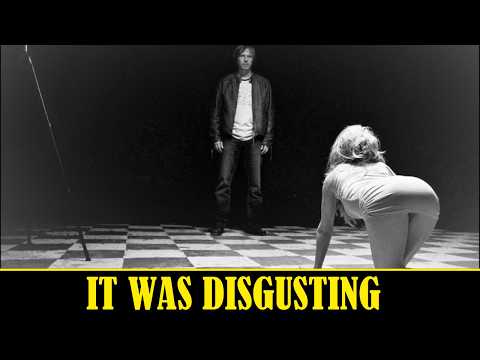
Consider “The Birth of a Nation” (1915), a film that revolutionized cinema with its epic scale and innovative techniques, yet remains a painful reminder of racism’s deep roots. Its legacy is a double-edged sword, forcing us to confront the dark side of artistic genius.
Then came “Scarface” (1932), a raw depiction of gangland violence that shocked audiences and prompted calls for stricter censorship. Its unflinching look at the criminal underworld blurred the lines between right and wrong, leaving a lasting impact on the crime genre.
In 1932, “Freaks” dared to showcase real-life circus performers, challenging societal norms of beauty and normalcy. The film’s sympathetic yet unsettling portrayal of marginalized individuals sparked outrage and was banned in several countries, but today it is revered as a misunderstood masterpiece.
As the world teetered on the brink of war, Charlie Chaplin’s “The Great Dictator” (1940) used humor to mock fascist leaders, a bold move that could have cost him everything. Its poignant final speech remains a rallying cry for humanity and a testament to cinema’s power to challenge tyranny.
Orson Welles’ “Citizen Kane” (1941) took aim at media moguls, resulting in attempts to suppress its release. Its innovative narrative and critique of power structures made it a target, but its influence on filmmaking is immeasurable.
These films, and the many others that followed, were not just entertainments; they were acts of defiance. They questioned authority, exposed hypocrisy, and forced society to confront its darkest corners. In doing so, they paved the way for future generations of filmmakers to push boundaries even further.
But the battle for artistic freedom was far from over. As we delve deeper into this list, we’ll uncover more stories of controversy, censorship, and the unyielding spirit of creativity that continues to shape Hollywood today.
The 1940s continued to test the boundaries of what Hollywood could show. Howard Hughes’s “The Outlaw” (1943) became a sensation not for its story, but for its provocative marketing, which fixated on Jane Russell’s figure. Censors were appalled, and the film’s wide release was delayed for years—yet the controversy only fueled public curiosity.
When it finally reached theaters, audiences flocked to see what all the fuss was about. Reviews were mixed, but the film’s bold promotion and daring content secured its place in cinema history as a landmark in the fight against rigid censorship.
Disney’s “Song of the South” (1946) remains one of the studio’s most controversial works. Blending live action and animation, it presented a romanticized vision of the Reconstruction-era South that critics argued ignored the brutal realities of slavery and racial injustice.
Characters like Uncle Remus, once seen as charming, are now viewed by many as painful symbols of a troubled past. Despite its catchy songs and innovative storytelling, the film’s problematic content has kept it from receiving a lasting place in Disney’s legacy.
In 1953, Otto Preminger’s “The Moon Is Blue” arrived with a surprisingly frank take on love, sex, and desire. Words like “virgin” and “mistress” were considered scandalous, and the film’s lighthearted approach to mature themes drew the ire of conservative groups.
Yet its playful tone and witty dialogue won over audiences, proving that films could explore adult subjects without being crude. Its success helped pave the way for more nuanced portrayals of romance in Hollywood.
Two years later, Preminger pushed even further with “The Man with the Golden Arm” (1955), the first major Hollywood film to tackle heroin addiction head-on. Frank Sinatra’s harrowing performance as a man trapped by his demons shocked audiences and drew intense scrutiny from censors.
Even when officials tried to cut references to drugs, Preminger stood firm. The film’s raw honesty forced the industry to confront addiction’s harsh reality and opened the door for future films to tell difficult stories without compromise.
As the 1960s dawned, a new wave of rebellion swept through Hollywood. “Bonnie and Clyde” (1967) stunned viewers with its explicit violence and emotional intensity, dividing critics and audiences alike. Its stylish editing and unconventional narrative became hallmarks of New Hollywood.
The film’s unflinching look at the dark side of human nature set a new standard for crime cinema, and its influence can still be seen in countless modern films that dare to blur the line between hero and villain.
The rebellion only intensified as the decade drew to a close. “Midnight Cowboy” (1969) followed Joe Buck, a naive Texan, and Ratso Rizzo, a sickly con man, through the grim streets of New York. Its unvarnished portrayal of marginal life and homoerotic undertones earned it an X rating—yet it became the first X-rated film to win the Best Picture Oscar.
The film’s raw honesty about loneliness and survival struck a chord, proving that stories of the marginalized could resonate with mainstream audiences. It opened doors for more authentic representations of urban struggle and non-traditional relationships on screen.
That same year, Sam Peckinpah’s “The Wild Bunch” redefined the Western with its blood-soaked ballet of violence. Aging outlaws, flawed and desperate, were portrayed with a realism that shocked audiences accustomed to heroic cowboys. The film’s slow-motion shootouts and graphic bloodshed sparked debates about whether it glorified or condemned violence.
Peckinpah’s innovative style set a new benchmark for action cinema, influencing generations of filmmakers who sought to capture the brutal cost of survival in a changing world.
In 1971, “Dirty Harry” introduced Clint Eastwood’s iconic rogue cop, whose ruthless methods and famous catchphrase polarized viewers. Critics decried the film’s apparent endorsement of vigilante justice, labeling it fascist and dangerous. Yet audiences embraced Harry Callahan’s uncompromising stance in a society grappling with crime and disorder.
The film’s moral ambiguity and gritty realism spawned countless imitators and cemented its place as a touchstone for the law-and-order genre. It also ignited ongoing debates about the ethics of cinematic violence and the role of heroes in a complex world.
That same year, Stanley Kubrick’s “A Clockwork Orange” pushed boundaries with its dystopian vision of youth violence and psychological conditioning. The film’s stylized brutality and disturbing imagery led to bans in several countries and accusations of glorifying crime.
Kubrick himself withdrew the film from UK circulation after threats to his family, adding to its mystique. Its exploration of free will versus social control remains chillingly relevant, and its influence on fashion, music, and film is undeniable.
Ken Russell’s “The Devils” (1971) was a assault on the senses, blending religious hysteria with graphic sexuality and violence. Set in 17th-century France, it depicted a priest’s trial for witchcraft amid a backdrop of political intrigue and sexual repression. The film’s explicit content led to extensive cuts and outright bans worldwide.
Despite the censorship, it garnered praise for its bold vision and fearless performances. Russell’s uncompromising approach challenged viewers to confront the darker aspects of faith and power, ensuring its status as a controversial yet significant work.
Also in 1971, “Straw Dogs” provoked outrage with its brutal depiction of a home invasion and the ensuing violent retaliation. Director Sam Peckinpah insisted the film was a study of aggression and survival, but many critics accused it of misogyny and gratuitous brutality.
The film’s ambiguous morality and graphic assault scene sparked heated debates about the portrayal of violence against women. Its legacy remains contested, but its impact on the thriller genre is undeniable.
Wes Craven’s “The Last House on the Left” (1972) delivered a harrowing tale of revenge that left audiences shaken. Its raw, documentary-like style and unflinching violence crossed lines for many, leading to bans and heavy edits in several countries.
Yet beneath the shock value, the film raised questions about the cycle of violence and the limits of justice. It became a landmark in horror cinema, influencing a wave of gritty exploitation films that explored society’s darkest impulses.
That same year, John Waters’ “Pink Flamingos” celebrated bad taste with gleeful abandon. Its outrageous scenes, including a notorious act involving a dog, were designed to offend and provoke. Waters’ band of misfits challenged every social taboo, from sexuality to consumerism.
While some dismissed it as worthless filth, others hailed it as a subversive masterpiece. Its cult status grew over the decades, cementing Waters as a provocateur whose influence on underground cinema is profound.
Meir Zarchi’s “I Spit on Your Grave” (1978) became a lightning rod for debates about exploitation and empowerment. Its brutal depiction of a woman’s violent revenge divided critics, with some condemning it as misogynistic filth and others defending it as a raw survivor’s narrative. Banned in numerous countries, it nonetheless found a devoted following and spawned remakes, its legacy forever tied to the question of whether art can reclaim trauma.
Monty Python’s “Life of Brian” (1979) proved that blasphemy could be hilarious. Its satire of religious zealotry enraged fundamentalists, leading to protests and bans, but its clever wit and irreverent spirit won over audiences. “We’re all individuals!” became a rallying cry for freethinkers, and the film remains a masterclass in using comedy to skewer sacred cows.
Ruggero Deodato’s “Cannibal Holocaust” (1980) pushed horror into the realm of the unthinkable. Its found-footage format and graphic violence—including real animal killings—led to accusations of actual murder. Though the effects were proven fake, the film’s notoriety endured, forcing viewers to confront the ethics of on-screen brutality and the dark side of human curiosity.
That same year, “Maniac” (1980) delivered a grimy, unrelenting portrait of a serial killer. Its explicit gore and disturbing POV shots made it a target for censors, and it was banned in the UK for over two decades. Yet its influence on slasher cinema is undeniable, proving that extreme content often leaves the deepest scars.
Sam Raimi’s “The Evil Dead” (1981) turned a shoestring budget into a rollercoaster of demonic terror. Its relentless pacing and inventive practical effects created a new template for horror. Banned in several countries, it still became a cult phenomenon, launching Raimi’s career and proving that low-budget rebellion can reshape an entire genre.
As the decades wore on, the rebels only grew bolder. “Henry: Portrait of a Serial Killer” (1986) offered a chillingly detached look at murder, its documentary style making the horror feel uncomfortably real. “The Last Temptation of Christ” (1988) imagined Christ’s human doubts, sparking global protests and bans for its perceived blasphemy. Martin Scorsese’s vision was uncompromising, and the film’s eventual acceptance as a bold spiritual exploration underscored cinema’s power to challenge faith.
Oliver Stone’s “Natural Born Killers” (1994) was a hyperkinetic assault on media sensationalism, its frenetic style and violent lovers igniting debates about copycat crime. “Kids” (1995) stripped away glamour to reveal teenage hedonism and neglect, its raw authenticity drawing both praise and condemnation. These films refused to look away from society’s fractures.
Finally, Pier Paolo Pasolini’s “Salò, or the 120 Days of Sodom” (1975) stands as perhaps the most extreme of all. Its graphic depictions of torture and degradation were designed to indict fascism and consumerism, but the film’s unrelenting bleakness led to outright bans in many nations. “Salò” remains a harrowing experience, one that few can watch without feeling scarred.
These thirty films, from the silent era to the modern age, form a legacy of cinematic rebellion. They were banned, boycotted, and berated—yet their impact is undeniable. They challenged authority, exposed hypocrisy, and forced society to confront its darkest corners. In doing so, they paved the way for future generations of filmmakers to push boundaries even further.
So, which controversial film do you think left the most lasting mark on cinema—and would you dare to watch it today?
Report this article
Select a reason for reporting:






