The desert night was cold and still as Paddy Mayne and his small band of commandos crept toward the Axis airfield at Tamet. Just weeks after a disastrous first operation that nearly broke the Special Air Service, Mayne knew this raid had to succeed. Failure was not an option.
With grim determination, he led his men toward the officers’ mess, where laughter and drunken singing echoed into the darkness. Inside, unsuspecting pilots and crew celebrated, unaware that death was about to knock on their door.
Mayne kicked the door open and stepped into the smoky room. In his hand, a Colt .45 gleamed under the dim lights. “Good evening,” he said coldly, then shot the first man who moved. His men opened fire with submachine guns, turning the celebration into a slaughterhouse.
The chaos was absolute. Bodies crumpled, glasses shattered, and the air filled with the stench of cordite and blood. Mayne moved through the room like a specter, his pistol barking death with each pull of the trigger.
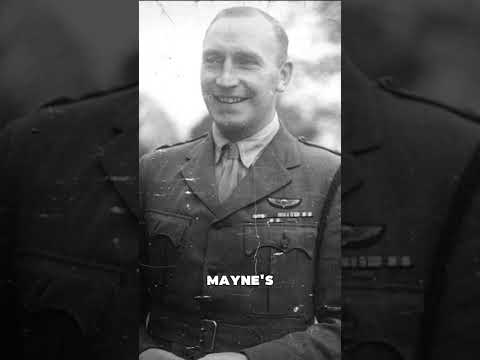
Outside, the airfield was a graveyard of silent aircraft. Mayne and his men moved swiftly between the parked planes, planting Lewes bombs on wings and fuselages. They fired bursts into instrument panels, ensuring the aircraft would never fly again. Fuel dumps and ammunition stores were rigged to explode.
As the charges were set, the first flames began to lick at the fuel. The sky would soon be painted with the glow of destruction. But the mission was far from over—the escape would test their luck and nerve even further.
Mayne gathered his men at the edge of the runway, counting heads in the flickering firelight. Every man had made it out of the mess alive. The charges were set, the fuses lit, and the first explosions began to ripple across the airfield.
They ran. Behind them, aircraft erupted one after another, sending orange fireballs into the black desert sky. The roar of exploding fuel drums drowned out the shouts of the surviving Axis guards, who stumbled blindly through the smoke.
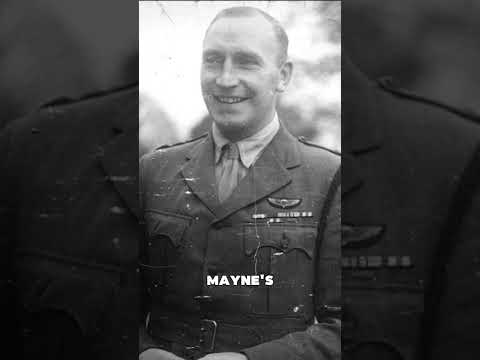
A truck engine coughed to life somewhere to the east—reinforcements, coming fast. Mayne grabbed the nearest man by the shoulder. “Into the wadis. Now. Split into pairs and scatter.” The plan had always been to vanish into the desert like ghosts, but the enemy would be hunting them before dawn.
The commandos plunged into a dry riverbed, their boots crunching over loose stones. Behind them, the sky glowed a sickly amber. Mayne checked his compass by the light of a match, then led his pair south, away from the flames.
They walked for hours, rationing water and keeping to the shadows. The desert cold bit through their uniforms, and every distant engine made them freeze and listen. Somewhere out there, the Axis had woken up—and they were angry.
As the first hint of grey touched the eastern horizon, Mayne spotted a faint track in the sand. Tire marks. Recent ones. He knelt and touched the ridge of a tread, then looked up at the hills ahead.
“Someone’s been through here,” he whispered. “And not long ago. Keep your eyes open.” The raid had been a triumph, but the desert still had teeth—and the hardest part of any mission was always getting home.
The track wound north, toward a low ridge of black rock. Mayne signaled his companion, a wiry Irishman named Sergeant Doyle, to flank left. They moved without a word, rifles up, boots silent on the sand.
At the crest, Mayne dropped flat. Below, tucked into a shallow basin, sat a lone Axis staff car—its hood propped open, a plume of steam rising from the radiator. Two officers stood beside it, arguing over a map spread across the fender.
“Couriers,” Doyle breathed. “Running dispatches from Tamet.”
Mayne nodded slowly. A staff car meant papers, codes, maybe even a schedule of reinforcements. He drew his knife and pressed it flat against his forearm.
They came down the slope like a pair of shadows. Doyle took the man on the right, clamping a hand over his mouth and dragging the blade across his throat in one clean motion. Mayne hit the other from behind, driving him face-first into the map.
The officer thrashed, but Mayne’s knee pinned his spine and the knife found its mark. In seconds, both men lay still.
Mayne rifled through the staff car. A leather satchel hung from the seat—inside, a bundle of papers bound with string. He tore it open by the light of a shielded torch and scanned the pages, his jaw tightening.
“They’ve got a sweep planned,” he said. “Three columns, leaving at first light. They’re going to comb every wadi between here and the coast.”
Doyle spat into the sand. “Then we’re already behind them.”
Mayne folded the papers and stuffed them into his tunic. He glanced east, where the grey sky was turning pink. The columns would be moving soon, fanning out across the desert like the fingers of a hand.
He pulled out his compass and traced a line south-west with his thumb. There was a route through the escarpment—narrow, treacherous, but the sweep would never expect them to double back toward the coast.
“We don’t run from them,” Mayne said quietly. “We slip through the gap before they close it. And if we meet a patrol on the way—” He tapped the knife still wet in his hand. “—we go through them.”
He stood and pulled Doyle to his feet. Behind them, the staff car sat silent in the basin, its officers already forgotten. Ahead, the escarpment rose like a wall of shadow against the dawn.
Somewhere beyond it lay the rendezvous, and the long road home.
The escarpment loomed closer with every step, a jagged spine of rock that seemed to split the desert in two. Mayne led Doyle into a narrow defile where the walls pressed in on both sides, and the only sound was the rasp of their own breathing.
Halfway through, a stone clattered somewhere above them. Mayne froze, his hand snapping up. “Hold,” he breathed. They pressed flat against the rock face as a pair of Axis soldiers appeared on the ridge, rifles slung, chatting in low voices as they scanned the valley below.
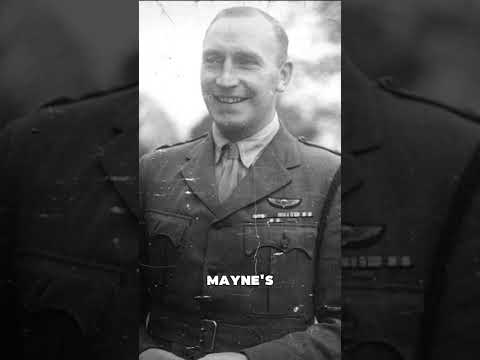
The soldiers passed without seeing them, their footsteps fading into the morning. Mayne exhaled slowly. “They’re already spreading out. The sweep’s begun.” He pushed deeper into the defile, moving faster now, the papers in his tunic feeling heavier with every step.
By midday, they reached the far side of the escarpment. Below, the coastal plain stretched toward the sea, shimmering in the heat. And there, tucked against a dry salt pan, sat a cluster of low tents and parked trucks—the rendezvous point.
But something was wrong. No sentries. No movement. Mayne dropped to a crouch and studied the camp through his binoculars. “Empty,” he muttered. “They’ve pulled out.”
Doyle cursed under his breath. “Then where in God’s name are they?”
Mayne scanned the horizon and spotted a faint column of dust rising to the south—vehicles, moving fast. He traced the direction with his thumb and felt a cold knot tighten in his chest. “They’re running for the coast. The whole patrol’s been pushed back.”
He turned to Doyle, his eyes hard as flint. “We don’t wait. We catch them before they reach the beach.” They set off at a punishing pace, half-running, half-sliding down the scree toward the plain.
The dust column grew closer. Soon they could make out the shapes of trucks and the men clinging to their sides. Mayne raised his rifle and fired two shots into the air—the prearranged signal. The lead truck skidded to a halt, and a familiar figure jumped from the cab, waving his arms.
It was Stirling himself, his face streaked with dust and sweat. “Mayne! You mad bastard—we thought you were dead!”
Mayne climbed into the truck and tossed the captured papers onto the seat. “Not yet. But they’ve got three columns sweeping the wadis. We need to move before they close the net.”
Stirling scanned the documents, his expression darkening. Then he looked up and grinned, the old fire back in his eyes. “Then we’ll give them something else to chase.” He barked orders, and the convoy swung south, engines roaring.
Behind them, the sun climbed higher, and the first Axis patrols crested the escarpment—only to find empty ground and a trail of tire tracks leading nowhere. The raid on Tamet had cost the enemy dozens of aircraft, fuel, and men. And Paddy Mayne had walked out of the desert with the intelligence that would keep the SAS one step ahead.
As the trucks rumbled toward the coast, Mayne lit a cigarette and stared back at the burning horizon. “They’ll come again,” he said quietly. “And we’ll be waiting.”
What would you have done in Mayne’s boots—run for the coast, or turn and fight?
Report this article
Select a reason for reporting:






