The lake vanished into a swirling whirlpool within hours, dragging boats, trees, and even a drilling platform into the abyss. The Lake Peigneur disaster unfolded when a salt mine collapse created a sudden, massive sinkhole beneath the surface.

On November 20, 1980, a drilling rig on Lake Peigneur in Iberia Parish, Louisiana, accidentally punctured the ceiling of a salt mine located roughly 300 feet below the lakebed. The resulting chain of events drained the lake and caused significant destruction, though no lives were lost.

Lake Peigneur was a shallow, freshwater body of water spanning about 1,300 acres, with an average depth of 10 feet. The Diamond Crystal Salt Company had operated a mine beneath the lake for more than 50 years, extracting salt from a large underground salt dome.
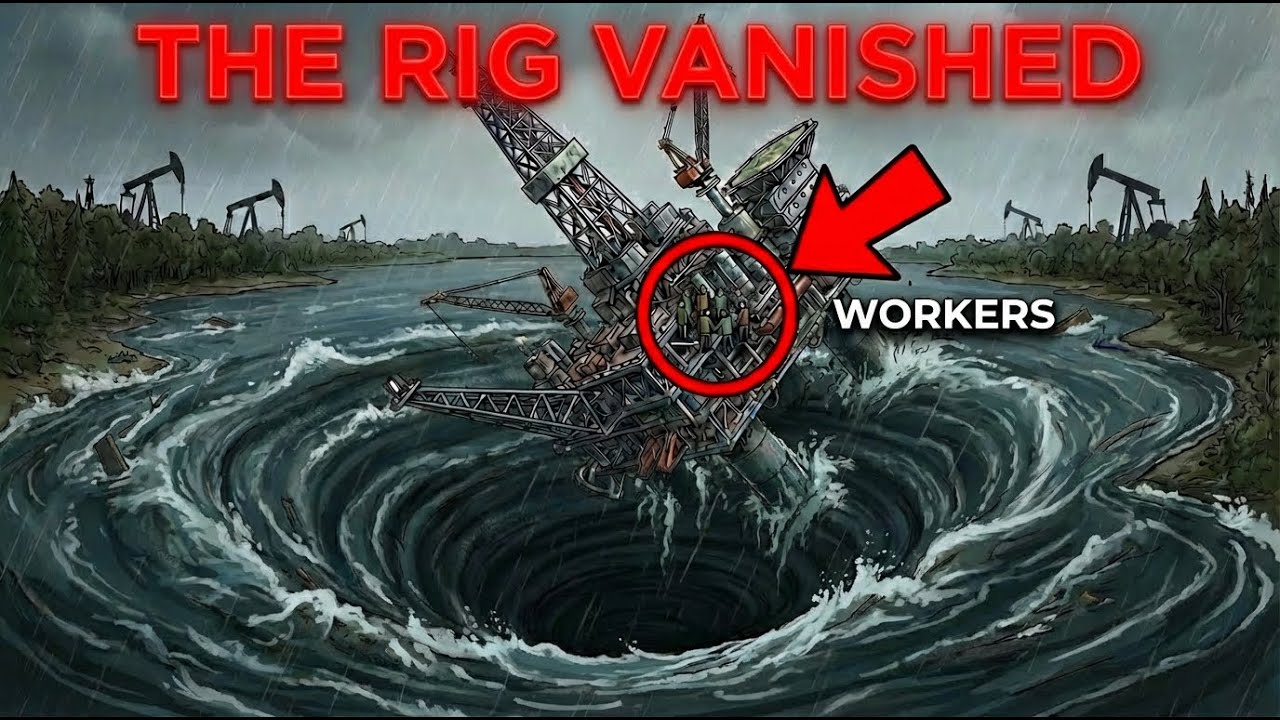
The lake vanished into a swirling whirlpool within hours, dragging boats, trees, and even a drilling platform into the abyss. The Lake Peigneur disaster unfolded when a salt mine collapse created a sudden, massive sinkhole beneath the surface.

The Wilson Brothers Corporation had set up a floating drilling rig on the lake to search for oil. At around 3:00 a.m., the drill bit penetrated the ceiling of the mine. This created a hole that allowed lake water to pour into the tunnels below. Because salt dissolves easily in water, the opening quickly widened, which increased the flow of water and accelerated the erosion.

The drilling crew noticed the rig beginning to tilt and saw a whirlpool forming around the platform. They evacuated by boat and reached shore without injury. Shortly afterward, the rig was pulled beneath the surface.

Inside the mine, workers felt vibrations and heard the sound of water. The foreman ordered an immediate evacuation. The tunnels were dry and normally stable, but the situation deteriorated quickly. All 50 miners reached the surface through elevators and emergency ladders before the mine flooded.

As the water continued to drain, the whirlpool expanded. Several barges and a tugboat that had been moored on the lake broke loose and were pulled into the vortex, along with docks and other equipment. The shore began to collapse, and large sections of the nearby botanical gardens on Jefferson Island slid into the lake. An estimated 65 acres of land, including greenhouse complexes and centuries-old live oak trees, were lost.

The lake remained connected to the Gulf of Mexico through the Delcambre Canal. As the water level in the lake dropped, the flow in the canal reversed, drawing salt water from Vermilion Bay and the Gulf back into the lake. This reverse current lasted about three days. By the time it stopped, the lake had been transformed from a freshwater body into a saltwater one, with depths in some areas exceeding 400 feet.

Investigations determined that an error in drilling coordinates led the drill bit to intersect with the mine tunnel. The exact source of the error became the subject of legal disputes between the companies involved. Insurance settlements eventually totaled more than $45 million.

The Diamond Crystal Salt Mine was a total loss and never reopened. Rescue efforts were not needed: all 55 people involved in the incident survived. Several factors contributed to this outcome, including the timing of the event during a shift change, the immediate evacuation response, and the gradual nature of the structural collapse, which provided enough warning time.

The disaster led to stricter coordination requirements between surface drilling operations and underground mining. It also became a case study in emergency preparedness and the importance of accurate spatial data for industrial safety.

The botanical gardens on Jefferson Island were partially restored over time, though the landscape around the lake remained visibly changed. The lake has since developed a saltwater ecosystem and continues to be used for fishing and recreation, though its character is fundamentally different from what it was before the collapse.

Related Posts

Florida’s ocean floor just collapsed, with sudden oceanic sinkholes emerging off the coast. Massive craters have opened beneath the water, swallowing sandbars and reshaping the seafloor in hours.

In late 2024, a NOAA research vessel mapping the continental shelf near the Florida Straits identified large circular depressions on the seafloor. Some of these sinkholes measured over 300 feet across and descended deeper than a 30-story building. Underwater drone footage showed sediment columns spiraling downward and water currents flowing into the voids. Researchers determined that these feature…

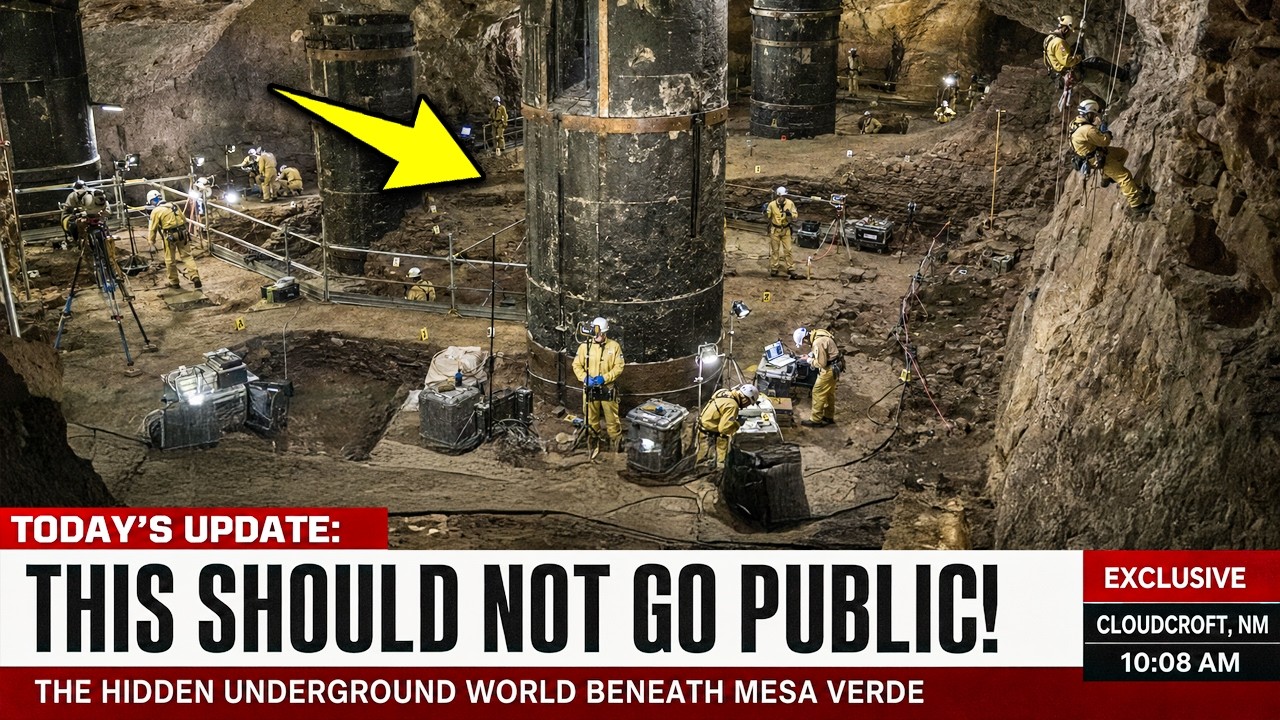
Deep beneath Colorado’s Mesa Verde, scientists have confirmed something startling—a sprawling network of hidden chambers and tunnels carved into the rock, untouched for centuries. For decades, researchers believed the ancient cliff dwellings were the region’s only marvel, but new scans have revealed a far larger subterranean world lurking below the surface.

In the summer of 2023, a survey team used ground-penetrating radar beneath Mesa Verde National Park in Colorado. The equipment detected something unexpected below the surface. The data suggested a network of chambers and passages under part of the mesa. The findings raised questions about the history of a site that has been studied for over a century.Mesa Verde is located in the southwestern corne…

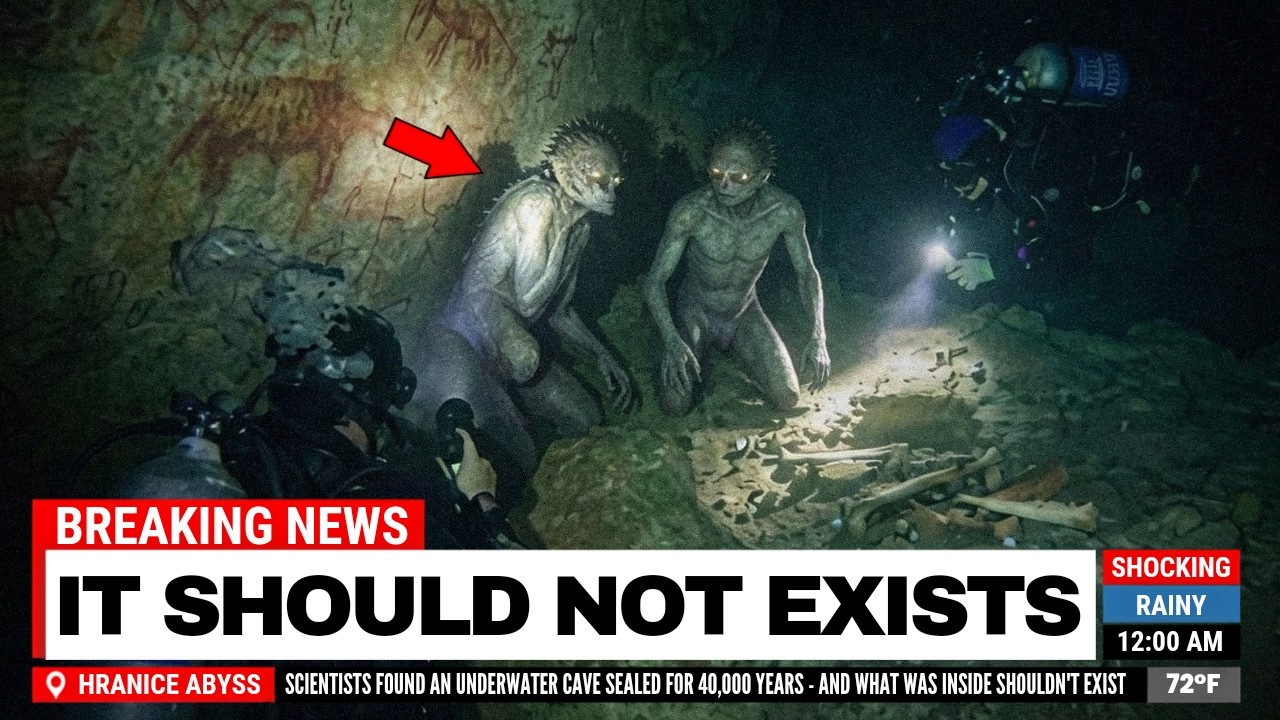
Scientists reopened an underwater cave sealed for 40,000 years and immediately knew something was off. The ancient chamber, hidden beneath the depths, had remained untouched since the Ice Age.

In 2007, cave divers mapping underwater tunnels near Tulum, Mexico, found a large submerged chamber they named Hoyo Negro. The room, about 100 feet deep, contained scattered animal bones and a nearly complete human skeleton. The discovery led to years of research by the Mexican National Institute of Anthropology and History (INAH) and a team of international scientists.The human remains belonged t…

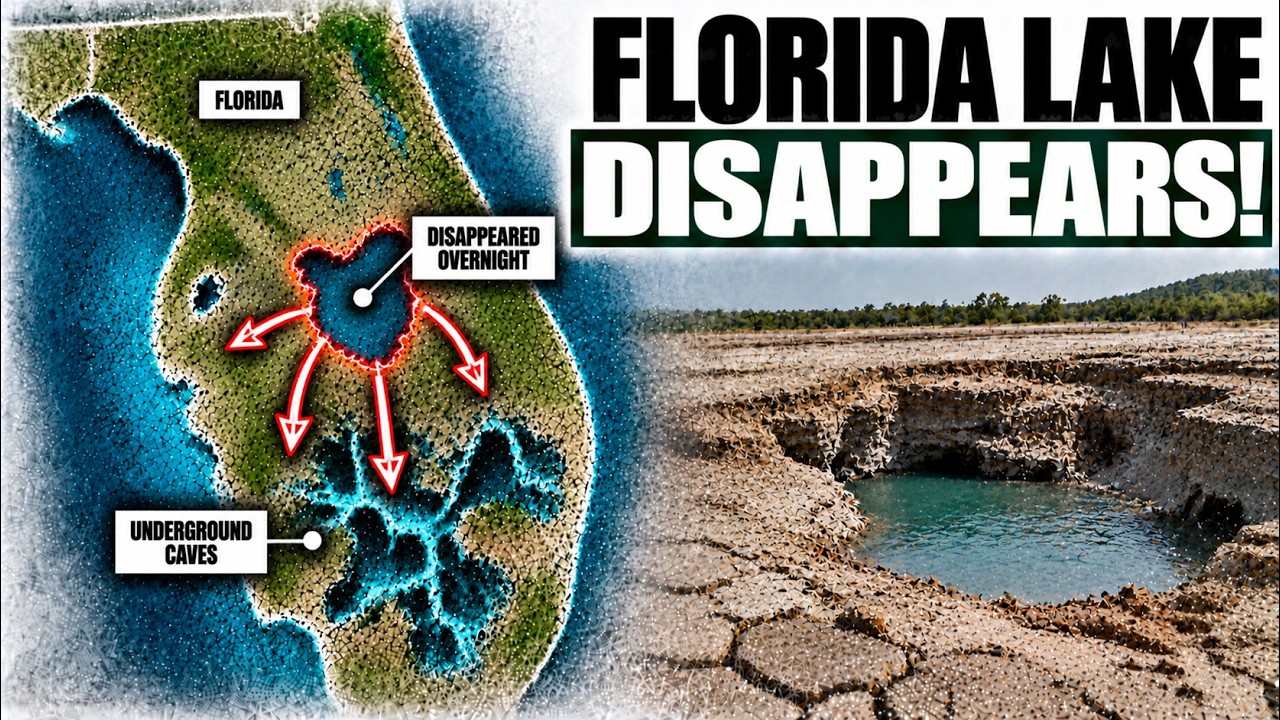
A 12-billion-gallon Florida lake vanished overnight, leaving stunned residents staring at a giant muddy hole. The massive Lake Jackson basin suddenly drained completely as its natural plumbing gave way.

Lake Jackson, a 4,000-acre lake just outside Tallahassee, Florida, drained into underground caves through a sinkhole in its floor over the course of several months. The lake, which once held about 12 billion gallons of water, is now largely exposed mud and sediment. The drain began in late November 2025, after months of drought in the region, and continued into early 2026. By March, vegetation was…

The Oregon coast has just been shut down by federal authorities, but they won’t say why. Divers reportedly surfaced with something from the deep that triggered an immediate, unprecedented closure.

Axial Seamount, an underwater volcano located roughly 300 miles off the Oregon coast, is showing signs that it may erupt before the end of 2025. Scientists have been monitoring the volcano closely since it last erupted in 2015, and recent data indicates the seafloor around it is inflating at a faster rate than it did before its previous eruptions in 1998, 2011, and 2015. The volcano sits along the…

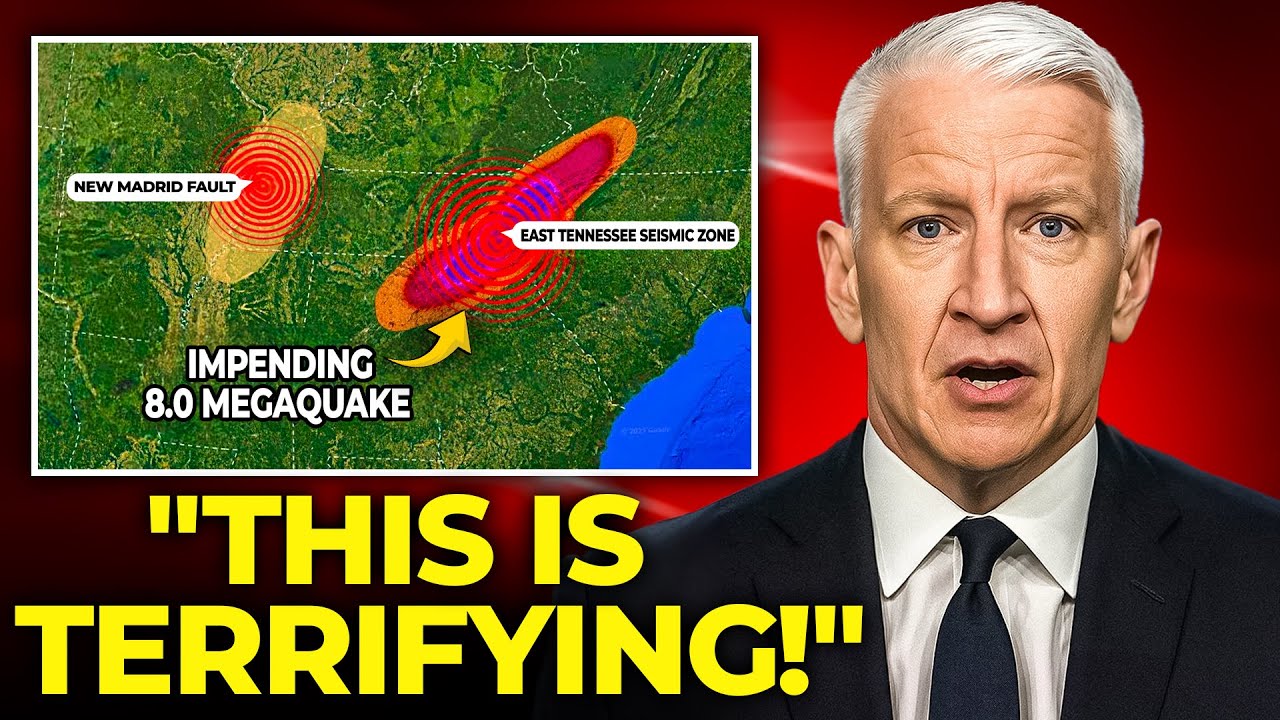
Beneath Tennessee, a fault line stirs with a threat geologists call more terrifying than the legendary New Madrid zone. Scientists have long mapped the region’s seismic history, but new research reveals a hidden danger capable of producing catastrophic ground shaking across the mid-South.

A magnitude 4.1 earthquake centered near Greenback, Tennessee, rattled homes and woke residents in the region this morning. The tremor was felt as far away as Charlotte and Atlanta.The event drew renewed attention to a seismic zone beneath the Appalachian region that scientists monitor for larger potential earthquakes. The East Tennessee Seismic Zone stretches roughly 300 miles from Alabama throug…

Leave a Reply

Your email address will not be published. Required fields are marked *