Step into the golden age of Hollywood, where the spotlight wasn’t just about talent—it was about presence. From the delicate elegance of Vivien Leigh to the unapologetic curves of Jayne Mansfield, these women defied conventions and redefined what it meant to be a star. But behind the measurements and the glamour, there were stories of struggle, triumph, and fierce individuality. This is the untold story of the actresses who made curves a conversation—and confidence a legacy.
Vivien Leigh, with her 32-inch bust, proved that star power isn’t about size. Born in India and raised in England, she captivated audiences as Scarlett O’Hara, blending vulnerability with raw intensity. Offscreen, her battle with bipolar disorder added depth to her performances, making her an enigma both on and off the screen.
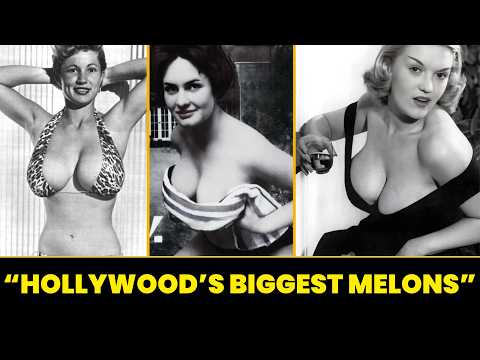
Then there’s Clara Bow, the original ‘It Girl,’ whose 32-inch frame housed a rebellious spirit. Rising from poverty, she became a silent film sensation, receiving over 45,000 fan letters a month. Her flapper persona embodied the Jazz Age, proving that allure comes from attitude, not inches.
As we count down from subtle sophistication to jaw-dropping curves, each actress reveals a different facet of Hollywood’s golden era. From Judy Garland’s heartfelt vulnerability to Marilyn Monroe’s iconic hourglass figure, these women navigated a world that often reduced them to their bodies—yet they emerged as legends.
But the real drama lies in their defiance. Lana Turner’s ‘sweater girl’ image became a cultural phenomenon, while Jane Russell’s 38-inch bust sparked censorship battles. “A 41-inch bust and a lot of perseverance will get you more than a cup of coffee,” Jayne Mansfield famously quipped, embodying the era’s blend of wit and curves.
These stories aren’t just about numbers—they’re about women who owned their sexuality and talent in an industry that tried to control both. As we delve deeper, you’ll discover how these icons turned their figures into power moves, leaving an indelible mark on cinema and culture.
Consider Marilyn Monroe, whose 37-inch bust became as famous as her platinum hair. Yet beneath the breathy voice and hourglass silhouette was a savvy performer who studied acting and fought for better roles. She understood the power of her image and learned to wield it both on and off the screen. Her tragic death at 36 only cemented the mystique—vulnerability, humor, and explosive sex appeal fused into an unmatched legend.
Then there’s Sophia Loren, whose 38-inch bust and regal bearing made her a global icon. “Everything you see, I owe to spaghetti,” she quipped, turning her curves into a statement of European confidence. Her Oscar-winning turn in Two Women proved she was far more than a pretty face—she was a force of nature.
Anita Ekberg’s breathtaking 40-inch bust made her Fellini’s muse. Her wade through Rome’s Trevi Fountain in La Dolce Vita became one of cinema’s most memorable moments—a celebration of unapologetic sensuality. Fellini called her ‘larger than life,’ and the world agreed.
But at the very top stands Jayne Mansfield, with a staggering 40-inch bust and a reported IQ of 163. She orchestrated headline-grabbing stunts with pink convertibles and pet Chihuahuas, proving that curves and brains could command equal attention. Her measurements—40-21-35—became tabloid legend, yet her shrewd self-promotion set the template for the modern bombshell.
What united these women wasn’t just their figures, but their refusal to be diminished by them. From Veronica Lake’s peekaboo hair to Rita Hayworth’s legendary glove striptease, each turned her physicality into a signature—a way of owning the frame and the narrative alike.
As the studio system faded and new eras dawned, these actresses proved that true allure is never just about inches. It’s about the courage to be seen, the wit to deflect, and the talent to outlast the spotlight.
That courage took different forms across the decades. When Kim Novak resisted Columbia’s attempts to mold her into another Marilyn, she chose mystery over mimicry—her icy blonde detachment in Vertigo becoming a kind of rebellion. She walked away from Hollywood entirely when the price of fame grew too steep, retreating into a quiet artistic life that baffled the press but preserved her sanity.
Raquel Welch faced a similar trap. The fur bikini in One Million Years B.C. made her a global pinup overnight, yet she spent years fighting to be seen as anything more. She studied dance, published fitness books, and launched a wig empire—turning her image into an enterprise she controlled. When critics dismissed her, she simply outworked them.
Claudia Cardinale took another route entirely. Though her 37-inch figure graced posters across Europe, she insisted on complex roles and guarded her privacy fiercely. Fellini cast her as the embodiment of feminine mystery in 8½, and she never let the camera own more of her than she was willing to give.
Then there was Jane Russell, the brunette bombshell who gave censors nightmares. Howard Hughes designed a special bra for her Outlaw role—a contraption she later admitted she never actually wore. “The legend only grew,” she laughed, proving that Hollywood’s obsession with her bust was often more fiction than fact.
Elvira, Mistress of the Dark, turned the whole game into camp. Cassandra Peterson’s 38-inch persona skewered the scream queen trope with razor-sharp wit, making jokes at her own expense before anyone else could. She merchandised her way to pop culture immortality, proving that self-awareness is its own kind of armor.
And then there’s Ava Gardner—the wild beauty who loved cigars and whiskey and refused to be managed. Her stormy marriages and raw honesty set her apart from the carefully curated starlets around her. To her fans, she was freedom and danger wrapped in a figure-hugging gown.
Elizabeth Taylor embodied a different kind of excess. Her violet eyes and lush 36-inch figure made her Hollywood royalty, yet she never let her curves define her. Eight marriages, a legendary diamond collection, and two Oscars proved she was as indomitable as she was beautiful. She embraced her sexuality at every age, turning survival itself into a performance.
Perhaps the most poignant lesson comes from the women whose stories ended too soon. Carol Landis, the ‘chest of Hollywood,’ boosted morale across the globe during World War II—yet her tragic suicide at 29 revealed the loneliness behind the pinup smile. Her figure made her famous, but her spirit made her unforgettable.
Natalie Wood and Judy Garland faced similar demons. Both were pushed into stardom as children, both battled the studio system’s impossible expectations, and both left us far too early. Yet their vulnerability became their greatest gift—the reason audiences still feel their presence decades later.
What emerges from this countdown isn’t a ranking of measurements, but a portrait of resilience. Constance Bennett invested in cosmetics and fought legal battles; Hedy Lamarr invented technology that would one day power Wi-Fi. These women refused to be reduced to their bust lines.
From Vivien Leigh’s ethereal grace to Jayne Mansfield’s unapologetic showmanship, each actress wrote her own rules. They navigated censorship, typecasting, and personal turmoil—and still commanded the screen. Their curves opened doors, but their talent kept them in the room.
So the next time you watch a classic film, look beyond the measurements. Look for the wit in the delivery, the steel behind the smile, the intelligence in those knowing eyes. That’s where the real legacy lives.
Which of these legendary women do you think truly owned her image—and who deserves a spotlight in our next countdown? Let us know in the comments below.






