You’ve seen them on the silver screen—glamorous, untouchable, perfect. But what if the women behind the iconic roles were living lives far more scandalous than any script? In an era when studios controlled every aspect of a star’s image, a secret world of forbidden passions, explosive affairs, and defiant independence simmered just beneath the polished surface. These women weren’t just breaking hearts—they were shattering conventions.
From silent sirens who turned scandal into an art form to post-war bombshells who laughed at censorship, their private lives were as dramatic as their films. And the truth is, the rumors were only the beginning.
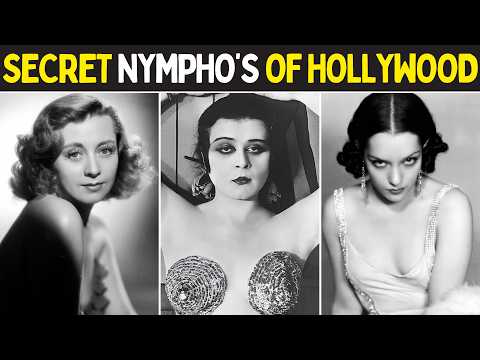
Mae Murray, the Gardenia of the Screen, was already turning every room into her personal stage long before Hollywood perfected the art of celebrity scandal. During the silent era, her endless appetite for romance and excitement kept gossip writers busy for years.
She moved through a string of marriages and relationships, each more dramatic than the last. Friends described her as someone who fell hard and fast whenever a charming admirer entered her orbit. Her marriage to Georgian Prince David Mdivani became one of the most talked-about celebrity unions of the decade, quickly turning chaotic and filling newspapers with accusations and public disputes.
Instead of hiding from controversy, Murray seemed energized by it. In an era when actresses were expected to appear modest and reserved, she projected confidence and desire. That fearless attitude made her one of the earliest Hollywood figures whose private life became almost as famous as her films.
Then there was Theda Bara—a woman so mysterious that audiences genuinely believed she possessed supernatural powers over men. Studios marketed Bara as the ultimate vamp, a dangerous enchantress who could reduce powerful men to helpless admirers. The fantasy became so convincing that many fans assumed her real life mirrored her fictional characters.
Behind the scenes, Bara carefully encouraged this image. Interviews hinted at exotic adventures and irresistible charm. Publicists crafted stories that blurred the line between reality and mythology. What made Bara controversial was not simply her beauty—it was the suggestion that she enjoyed control. During the early 20th century, that idea unsettled many traditional observers.
Critics accused her of corrupting public morals, while moviegoers rushed to buy tickets. Although much of her reputation was created through studio promotion, the impact was enormous. Bara transformed female desire into a commercial force. Decades before later screen sirens arrived, she had already shown Hollywood how powerful a scandalous image could become.
And these were just the first two. As the decades rolled on, the stakes grew higher, the affairs more explosive, and the women more determined to live on their own terms—no matter the cost.
Louise Brooks looked like a woman decades ahead of her time, with her iconic bob haircut and rebellious attitude. While many actresses followed studio rules, Brooks seemed determined to break them whenever possible, openly challenging executives and refusing to behave like a compliant starlet.
That independence extended into her personal life, where she became known for intense romances and unconventional relationships. Unlike many celebrities who denied gossip, Brooks often spoke with surprising honesty about attraction and companionship. Her reputation grew even larger after she moved to Europe and starred in films that pushed social boundaries.
What made Brooks unique was her refusal to apologize. She never presented herself as a victim of circumstances. Instead, she embraced the idea that life should be experienced fully, regardless of public opinion. That attitude turned her into a symbol of freedom for later generations.
Some Hollywood scandals fade with time. Barbara Payton’s story only grows more unbelievable. Her rise to fame was swift, but her personal life soon overshadowed every achievement she earned on screen. Producers believed she had enormous potential—yet her private relationships became the focus of endless headlines.
The most infamous chapter involved a notorious love triangle that captivated newspapers across America. The situation became so chaotic that it damaged careers and transformed Payton into a symbol of Hollywood excess. Unlike carefully managed stars who hid their problems behind studio publicity departments, her struggles unfolded in full view of the public.
Friends described her as impulsive and drawn toward excitement even when it carried obvious risks. Her career eventually collapsed under the weight of controversy. Yet decades later, her story remains one of the most dramatic examples of how desire, ambition, and fame can collide.
Explosive is probably the best word to describe Lupe Velez. The Mexican-born actress arrived in Hollywood with charisma, confidence, and a personality too large for anyone to ignore. Almost immediately, she became known as one of the industry’s most unpredictable stars.
Velez approached life with remarkable intensity. Her romances generated headlines because they rarely remained calm for long—relationships often featured dramatic arguments, emotional reconciliations, and enough excitement to fill an entire movie script. One of her most famous relationships involved screen legend Johnny Weissmuller, and their marriage became legendary for its fiery confrontations and equally passionate reconciliations.
What truly separated Velez from many contemporaries was her refusal to behave according to Hollywood expectations. She laughed loudly, spoke her mind, and showed little interest in appearing delicate or restrained. Some admired that independence, while others viewed it as scandalous.
While many actresses spent their careers protecting a carefully polished image, Joan Blondell built her reputation on authenticity. During the pre-code era, she became one of Hollywood’s most recognizable faces thanks to her quick wit and natural charm. Yet behind the cameras, she developed a reputation for embracing life with remarkable enthusiasm.
Blondell moved comfortably through Hollywood’s social circles and formed relationships with actors, producers, and influential figures. Unlike some stars who hid from gossip columnists, she often treated rumors with amusement. Friends described her as outgoing, adventurous, and unwilling to let convention dictate her choices.
What truly made Blondell controversial was her refusal to pretend perfection. She openly acknowledged mistakes and disappointments while continuing to pursue happiness wherever she found it. That fearless honesty helped transform her into one of Old Hollywood’s most intriguing and enduring figures.
Few stars understood ambition better than Joan Crawford. She climbed from humble beginnings to become one of the most powerful women in Hollywood, and along the way she developed a reputation for intense relationships and an appetite for excitement that fascinated both fans and reporters.
Crawford carefully cultivated an image of glamour and sophistication. Yet behind that polished exterior was a fiercely determined woman who approached romance with the same intensity she brought to her career. Gossip columns regularly linked her to actors, businessmen, and influential executives. Many contemporaries claimed Crawford viewed attraction as another form of power.
Whether those stories were exaggerated or not, they contributed greatly to her mystique. She rarely allowed public criticism to slow her momentum and often emerged stronger after every scandal. Multiple marriages, dramatic breakups, and persistent rumors kept her name in circulation for decades.
At first glance, Bettie Page seemed completely different from traditional movie stars. Yet her influence on popular culture became impossible to ignore. With her trademark dark bangs and confident presence, she challenged expectations and created a legend that still survives today.
Page emerged during a period when conservative values dominated public life. Her photographs shocked critics while attracting a devoted audience. Supporters viewed her as fearless while opponents considered her dangerously provocative. The debate only increased her fame.
What separated Page from many contemporaries was her comfort with attention. She projected confidence rather than embarrassment and appeared unconcerned by criticism. Stories about her private life circulated widely and often blurred the line between fact and rumor, yet every headline seemed to strengthen her reputation as someone who refused to follow conventional rules.
If Hollywood ever produced a woman who treated romance like a competitive sport, it may have been Zsa Zsa Gabor. Elegant, witty, and endlessly quotable, she transformed her personal life into a source of international fascination, becoming almost as famous for her marriages as for her screen appearances.
Reporters eagerly tracked every engagement, every breakup, and every glamorous public appearance. She seemed to understand exactly how to keep audiences interested. Unlike stars who complained about publicity, Gabor often appeared to enjoy the attention. Her playful remarks about relationships became legendary and helped create an image of a woman who approached life with confidence and humor.
Behind the laughter, however, was a remarkably savvy celebrity. She understood that mystery and controversy could be just as valuable as acting talent. Each new chapter of her personal life strengthened her public brand, ensuring that her legend would outlive many of her films.
When Raquel Welch burst onto movie screens in the 1960s, audiences instantly recognized that a new icon had arrived. Her striking appearance made her one of the most photographed women in the world and transformed her into an international sensation. Yet fame brought constant scrutiny, and reporters became obsessed with her relationships, often treating her personal life as front page entertainment.
Welch spent much of her career balancing public expectations with private reality. Admirers viewed her as glamorous and mysterious, while critics searched endlessly for controversy. Unlike many stars who relied entirely on publicity, Welch worked hard to maintain control over her image—even so, rumors followed her throughout her career and helped create an aura of intrigue around her name.
Then there was Anita Ekberg, a woman whose presence alone seemed capable of stopping conversations. The Swedish actress became an international sensation thanks to her beauty and larger-than-life personality, yet her off-screen reputation often generated even more attention than her films.
Reporters regularly linked her to actors, producers, and wealthy admirers who appeared eager to enter her orbit. Her legendary years in Rome only amplified the stories—exclusive parties, glamorous villas, and endless speculation surrounded nearly every public appearance. Ekberg seemed to thrive amid the excitement and rarely appeared concerned about criticism.
Before modern celebrities mastered the art of attracting attention, Clara Bow had already perfected it. Known as the It Girl of the silent era, she represented a new kind of woman—energetic, independent, and completely uninterested in traditional expectations. Newspapers eagerly published stories about her adventures, while fans devoured every detail. The pressure eventually took a toll, but her influence never vanished.
At first, Lauren Bacall appeared very different from the typical Hollywood bombshell. Her appeal came from intelligence, confidence, and a voice so distinctive that audiences instantly recognized it. Her romance with Humphrey Bogart became one of Hollywood’s most famous relationships, the age difference alone creating headlines while their chemistry captivated moviegoers around the world.
Long before Sunset Boulevard transformed her into a cinematic icon, Gloria Swanson had already established herself as one of Hollywood’s most glamorous and talked-about stars. She negotiated contracts, pursued business opportunities, and cultivated an image of independence. Her multiple marriages and widely discussed romances only added to her reputation.
When Pola Negri arrived in Hollywood, she brought with her an aura of mystery that immediately captured public attention. Her relationship with Rudolph Valentino generated enormous interest and fueled countless headlines, and even years later, stories about their connection continued to circulate. She helped establish the blueprint for the glamorous international celebrity.
Few stars embraced controversy as enthusiastically as Tallulah Bankhead. She possessed a sharp tongue, a fearless personality, and a reputation that made even seasoned Hollywood insiders raise their eyebrows. Her candid remarks about life, relationships, and fame frequently shocked interviewers while delighting audiences. While studios attempted to manufacture carefully controlled personalities, she remained unpredictable and impossible to manage.
Most people remember Carole Lombard as one of Hollywood’s greatest comedy stars, yet behind the laughter was a woman whose personal life attracted almost as much attention as her career. Her marriage to Clark Gable created one of the most celebrated unions in Hollywood history. Her tragic death at a young age froze her image in time, and even today she remains remembered for the bold and exciting life she lived away from the cameras.
Unlike many stars who relied entirely on mystery, Sophia Loren captivated audiences through a combination of beauty, confidence, and intelligence. One of the most discussed chapters involved her early connection with producer Carlo Ponti, a relationship that attracted attention because of its unusual circumstances and eventually became one of the most famous partnerships in entertainment history.
When Brigitte Bardot emerged onto the international stage, it felt as though the world had discovered a completely new kind of star. She radiated freedom, confidence, and rebellion at a time when many public figures still followed strict social expectations. Unlike many celebrities who attempted to avoid controversy, Bardot frequently appeared indifferent to public judgement. Admirers viewed her as a symbol of liberation, while opponents accused her of challenging traditional values—and the debate fueled her fame even further.
Ava Gardner possessed the kind of screen presence that instantly commanded attention. Her beauty became legendary, but it was her turbulent personal life that often kept her name in newspaper headlines around the world. Her marriage to Frank Sinatra remains one of Hollywood’s most discussed love stories, combining passion, admiration, conflict, and endless media attention. What distinguished Gardner was her honesty—she rarely pretended to be perfect and often acknowledged mistakes that others might have hidden.
Hollywood called Rita Hayworth the love goddess, and for millions of fans the title seemed perfectly deserved. Her marriages alone kept reporters busy for decades—from filmmaker Orson Welles to Prince Aly Khan, her relationships connected her to some of the most influential figures of the era. What made her story especially intriguing was the contrast between public perception and private reality: on screen she appeared confident and irresistible, while off screen friends often described her as shy and searching for stability.
If Hollywood ever produced a star who understood the value of publicity, it was Jayne Mansfield. She approached fame with remarkable enthusiasm and seemed determined to keep her name in newspapers at all times. What separated her from many contemporaries was her willingness to transform private life into public spectacle. She understood that controversy generated publicity, and publicity generated opportunities—a strategy that kept her in the spotlight for years.
Elizabeth Taylor lived a life so dramatic that it often resembled one of her movies. Her multiple marriages turned her into a constant subject of public discussion, and the relationship that attracted the greatest attention involved Richard Burton—their romance unfolding under the gaze of the international press and becoming one of the most famous celebrity stories ever recorded. Despite criticism, Taylor rarely allowed public opinion to dictate her choices.
Few names in Hollywood history inspire more fascination than Marilyn Monroe. Decades after her passing, she remains one of the most recognizable celebrities ever to appear on screen. Powerful executives, celebrated athletes, acclaimed writers, and influential public figures all appeared within her orbit at different points in her life, and as a result, rumors surrounded her constantly. While many stars fade with time, Monroe’s reputation continues to grow.
At the top of our countdown stands the woman who challenged Hollywood long before most stars dared question the rules. Mae West built an empire from confidence, humor, and an unapologetic refusal to conform. Unlike many stars who relied on studio executives, West controlled her own material and carefully shaped her career—turning scandal into opportunity and controversy into success.
Old Hollywood was filled with secrets, passion, and controversy that still fascinate fans today. These women weren’t just breaking hearts—they were shattering conventions, one scandal at a time. Which of these legendary stars surprised you the most? Share your thoughts below—we’d love to hear which scandal you found most unforgettable!
Report this article
Select a reason for reporting:






