You think you know the story of Zach Sobiech—the Minnesota teen whose song ‘Clouds’ became a viral anthem of hope. But the Disney+ film Clouds only scratches the surface. Behind the heartwarming moments and tear-jerking scenes lies a far more complex reality, one filled with quiet sacrifices, unexpected friendships, and a timeline that Hollywood reshaped for maximum emotional impact.
What if the most iconic moments in the movie never actually happened? What if the truth is even more heartbreaking—and more beautiful—than fiction? Let’s dive into the real story of Zach Sobiech and uncover what Clouds got right, what it got wrong, and why it matters.
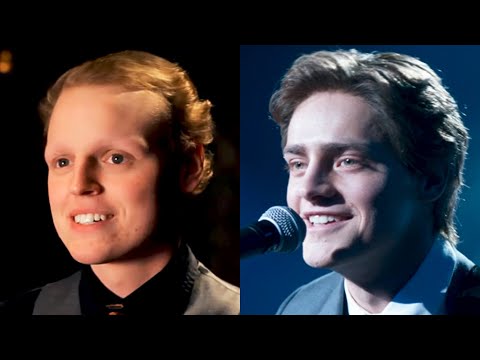
Zach Sobiech was just 14 when he was diagnosed with osteosarcoma, a rare form of bone cancer. For years, he endured treatments, surgeries, and the grueling uncertainty of a disease that kept coming back. By his senior year of high school, the cancer had spread to his lungs, and Zach made the agonizing decision to stop chemotherapy. He was told he had months to live.
Instead of retreating, Zach turned to music. With his best friend Sammy Brown, he formed the band A Firm Handshake and began writing songs—not for fame, but as a way to say goodbye. One of those songs, ‘Clouds,’ would soon be heard around the world.
But here’s where the movie takes creative liberties. In Clouds, Zach (played by Fin Argus) is depicted as a shy, uncertain teen who finds his voice through music. In reality, Zach was already a seasoned performer, known for his infectious energy and love of pranks. He wasn’t discovering music; he was using it to process his own mortality.
The film also introduces a fictional teacher, Mr. Weaver (Lil Rel Howery), who mentors Zach. In truth, no such figure existed. Instead, Zach’s real mentor was Dan Seaman, a local radio station manager who helped him record ‘Clouds’ and navigate the music industry. That’s not to say the movie’s heart isn’t in the right place—but the real heroes were often unsung.
Perhaps the most significant departure is the timeline. The movie compresses Zach’s final year, placing key events—like his terminal diagnosis and the viral success of ‘Clouds’—within a few months. In reality, Zach learned his cancer was terminal in May 2012, a full year before his death. He had time to plan, to say goodbye, and to live.
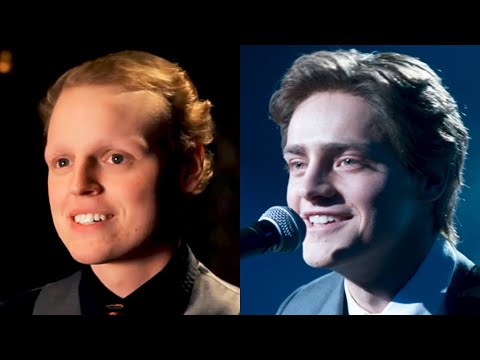
And then there’s the concert scene. In the film, Zach breaks down on stage, unable to finish singing ‘Clouds.’ It’s a powerful moment—but it never happened. The real Zach performed the song at a fundraising concert in February 2013, months before his condition worsened. He didn’t falter; he soared. He even sang with Vicky Martinez, a contestant from The Voice, not Sammy.
These changes aren’t just nitpicks. They reveal how Hollywood sands down the edges of reality to fit a three-act structure. But the true story is messier, braver, and ultimately more inspiring because it’s real.
As we continue, we’ll explore the real Zach’s relationships—including his girlfriend Amy, his parents’ struggling marriage, and the friend who may have loved him more than the movie let on. The truth is waiting.
Let’s start with Amy. In the film, Zach stands her up on a picnic date when he’s rushed to surgery for a collapsed lung, leaving her alone on a blanket. It’s a classic rom-com beat—but it never happened. In reality, Zach simply couldn’t remember Amy’s number after learning he needed surgery, so he called Sammy, who called Amy to explain. Amy later said that phone call was the first time Zach’s disease felt truly real to her.
What the movie leaves out is even sweeter: Amy surprised Zach with a make-up date—a private picnic on the field at the Minnesota Vikings’ NFL stadium. No cameras, no grand gesture for an audience. Just the two of them, on the fifty-yard line, sharing a moment the film never bothered to show.
Then there’s the promposal. On screen, Zach kneels under a marquee like he’s proposing marriage. In real life, he asked Amy to prom on air during a radio interview. Less cinematic, maybe—but more honest. And unlike the movie, which invents a temporary breakup to give Zach “motivation,” the real couple never split. Not once.
The film’s emotional core hinges on Zach’s parents, Laura and Rob, drifting apart under the weight of his illness. That part is true—pulled almost directly from Laura’s memoir. They spent months discussing only neutral, mundane things, terrified of adding to each other’s pain. Eventually they recognized the distance and booked a marriage retreat. But before they even left, the dam broke. They started talking again, really talking, and began to reconnect.
The movie also shows the family’s trip to Lourdes, France, as a desperate pilgrimage after Zach’s terminal diagnosis. In truth, the trip happened two months before that news, in March 2012. They spent three days in Rome first, then Lourdes, then Paris. It wasn’t a last-ditch plea for a miracle—it was a family choosing to be together while they still could.
And one of the most wrenching details the film omits entirely: Zach was offered a radical surgery—amputation of his left leg, including his pelvis. He would have been unable to sit up for months, with no guarantee it would stop the cancer. He said no. Quality of life mattered more. The family stopped chemotherapy only after it had largely stopped working.
Then there’s Sammy. The movie hints at something deeper between them—a diary entry, an unspoken confession. But Laura’s memoir describes a “precious and sacred friendship,” nothing more. Zach was fiercely protective of Sammy, suspicious of any guy who tried to date her. Sometimes a best friend is just a best friend—and that’s enough.
As for the music? Zach signed with BMI alone, not with Sammy. The movie places the signing before ‘Clouds’ was written, but in reality, it happened after the song went viral. And the concert scene—Zach breaking down mid-performance—never occurred. He finished every song at the February 2013 fundraiser, voice raspy but strong.
He even attended prom that May, two and a half weeks before he died. He and Amy stayed for hours. He didn’t miss a thing.
But the story doesn’t end with prom. It ends with a legacy that neither Zach nor his family could have predicted—and that the movie, for all its liberties, barely had time to capture.
In the weeks after Zach’s death on May 20, 2013, ‘Clouds’ didn’t fade. It exploded. The YouTube video, filmed in Zach’s living room with Sammy and a handful of friends, racked up millions of views. Celebrities shared it. Strangers wept to it. Radio stations played it on repeat. The song became a rallying cry for anyone facing loss—a three-minute reminder that hope doesn’t require a cure.
What the film glosses over is how much Zach actually accomplished in those final months. He didn’t just write one song—he wrote dozens. He recorded an entire EP. He traveled to New York to sign with BMI, not as a dying kid seeking sympathy, but as a legitimate artist. The industry didn’t make room for Zach out of pity; it made room because he was good.
Then there’s the ripple effect that never made it on screen. After Zach’s death, his family established the Zach Sobiech Osteosarcoma Fund, which has raised millions for research. His mother, Laura, became a vocal advocate for pediatric cancer funding. Sammy Brown continued to make music—not as a tribute, but as a continuation of what she and Zach started.
And Amy? The real Amy, not the movie’s version, went on to live a life Zach would have wanted for her. She attended college, built a career, and kept Zach’s memory close without letting it define her. She told interviewers that loving Zach taught her how to love fiercely and let go gracefully.
The film ends with Zach’s death, but the real story kept going. His song didn’t just go viral—it went eternal. Schools performed it. Choirs arranged it. Parents played it for their kids. ‘Clouds’ became the kind of anthem that outlives the person who wrote it, which is exactly what Zach hoped for.
There’s one more thing the movie never shows: Zach’s sense of humor. He wasn’t a saintly martyr. He was a teenage boy who pranked his friends, argued with his parents, and complained about hospital food. He laughed at his own mortality when he could, and raged against it when he couldn’t. That complexity is what made him real—and what makes his story worth telling beyond the sanitized version Hollywood prefers.
Director Justin Baldoni knew this. He’d filmed Zach while he was alive, capturing the messy, unscripted truth. When he made Clouds, he had to choose between documentary accuracy and narrative catharsis. He chose catharsis—and in doing so, created something that moved millions who never knew Zach. But the real Zach, the one who refused amputation, who sang with a raspy voice, who went to prom two weeks before dying—that Zach was braver than any screenplay could capture.
So the next time you hear ‘Clouds,’ remember: the movie gave us the melody, but the real Zach gave us the truth. And the truth, as always, is stranger, sadder, and more beautiful than fiction.
And yet, for all the differences between the film and the facts, Justin Baldoni’s decision to prioritize catharsis over accuracy wasn’t a betrayal—it was a translation. He took the raw, messy truth of Zach’s life and rendered it into a language millions could feel in ninety minutes. The real Zach would have understood. He was, after all, a performer.
What remains is the song itself. ‘Clouds’ doesn’t belong to Disney+, or to YouTube, or even to Zach’s family anymore. It belongs to every kid lying in a hospital bed, every parent learning to let go, every friend who ever sang harmony with someone they loved and lost. The melody outlived the boy, and that was always the point.
Zach once said he wanted to be remembered as someone who made people happy. Not a martyr. Not a saint. Just a kid with a guitar and a deadline who chose to sing instead of surrender. The movie gave him a spotlight; reality gave him a legacy. Both matter.
So here’s the question that lingers long after the credits roll: if you knew your time was short, what would you leave behind—and would you have the courage to sing it out loud? Drop your answer in the comments below.
Report this article
Select a reason for reporting:






