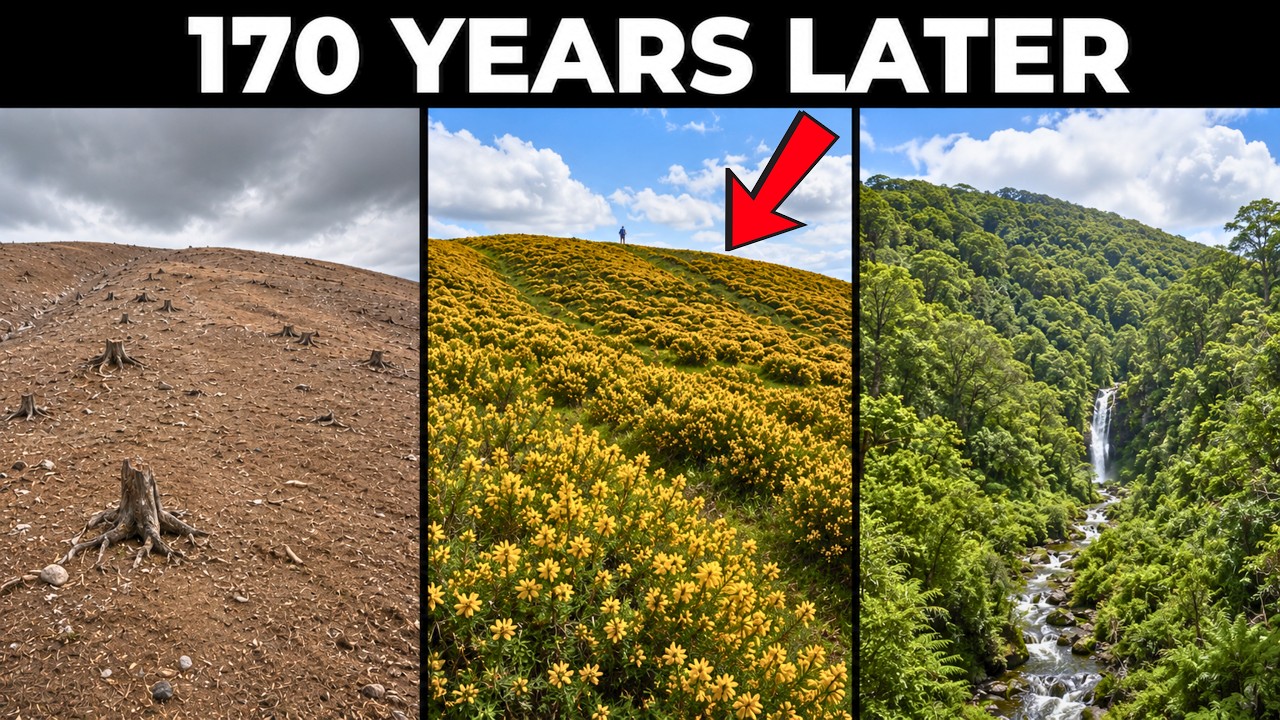
In 1987, New Zealand told everyone to kill gorse—but one botanist refused and let the weed take over his farm. Hugh Wilson saw the invasive plant as a nursery for native forest, a theory that left neighbors calling him a fool.
In 1987, a botanist named Hugh Wilson bought a degraded hillside farm on New Zealand’s Banks Peninsula and announced a plan that puzzled his neighbors. The land was covered in gorse, an invasive weed that farmers across the country had long fought with spraying, burning, and bulldozing. Wilson proposed the opposite: he would leave the gorse standing and allow it to act as a nursery for native fore…
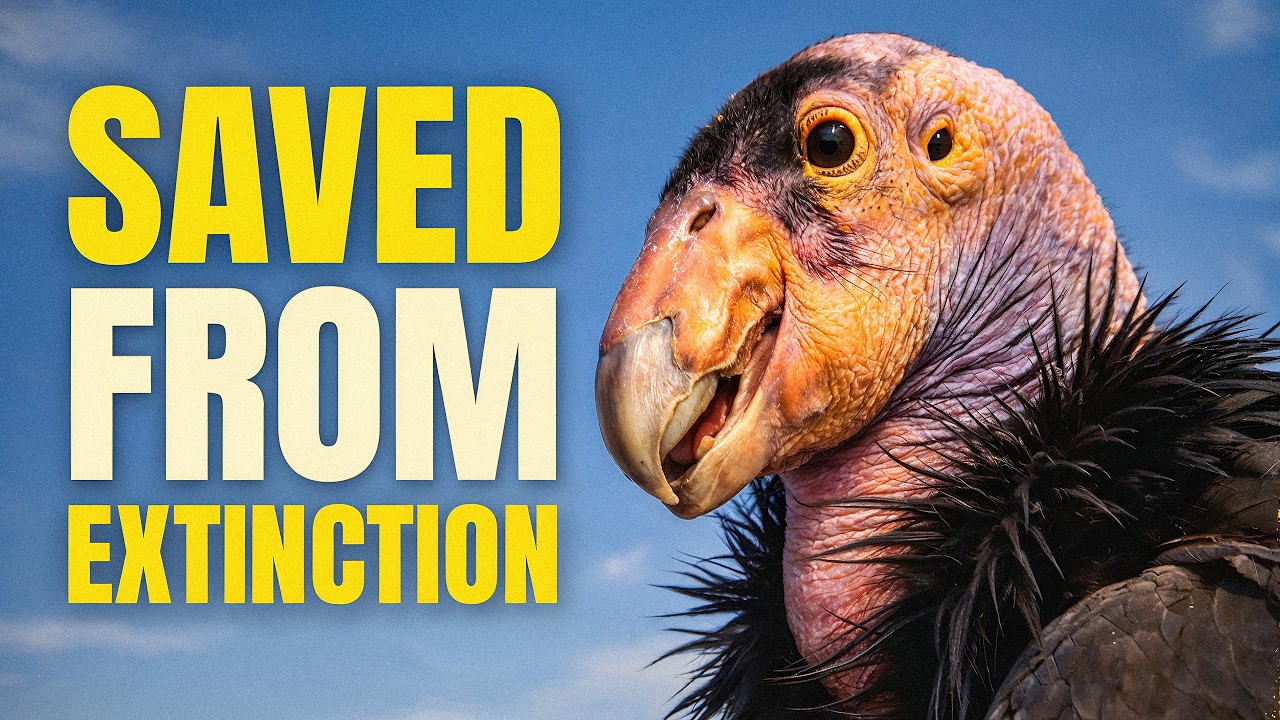
In 1987, the California condor vanished from the wild, leaving just 27 birds confined to zoos. But the hidden killer was never habitat loss.
The California condor is the largest flying land bird in North America, with a wingspan of about nine and a half feet and a weight of roughly 25 pounds. It can cover 150 miles in a day by riding columns of warm air, sometimes reaching heights of 15,000 feet without flapping. The species has existed for tens of thousands of years, and its role in cleaning carcasses from the landscape made it a vita…
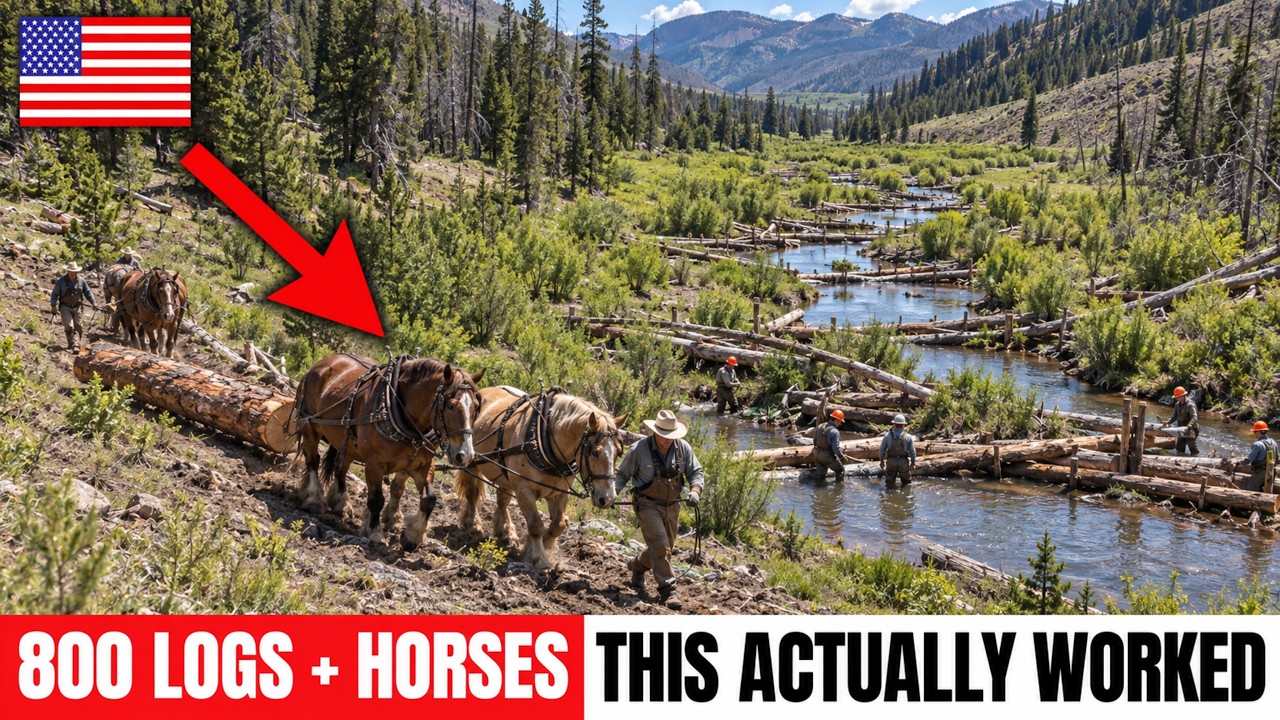
In 1956, a government plane sprayed Tin Cup Creek’s willows to “improve” the land, triggering a 60-year collapse of the entire ecosystem. Nearly seven decades later, a different federal agency admitted the mistake and sent teams of draft horses—the only equipment legally allowed—to haul 800 hand-cut logs into the remote canyon.
In the summer of 2024, a team of draft horses entered a steep-walled canyon in eastern Idaho where vehicles are legally prohibited. The trail was barely wide enough for a single horse, with pine trees pressing in on one side and open sky on the other. The horses dragged whole logs, cut by hand and tied to their saddles, one at a time toward a creek that had been in decline for roughly 70 years.The…
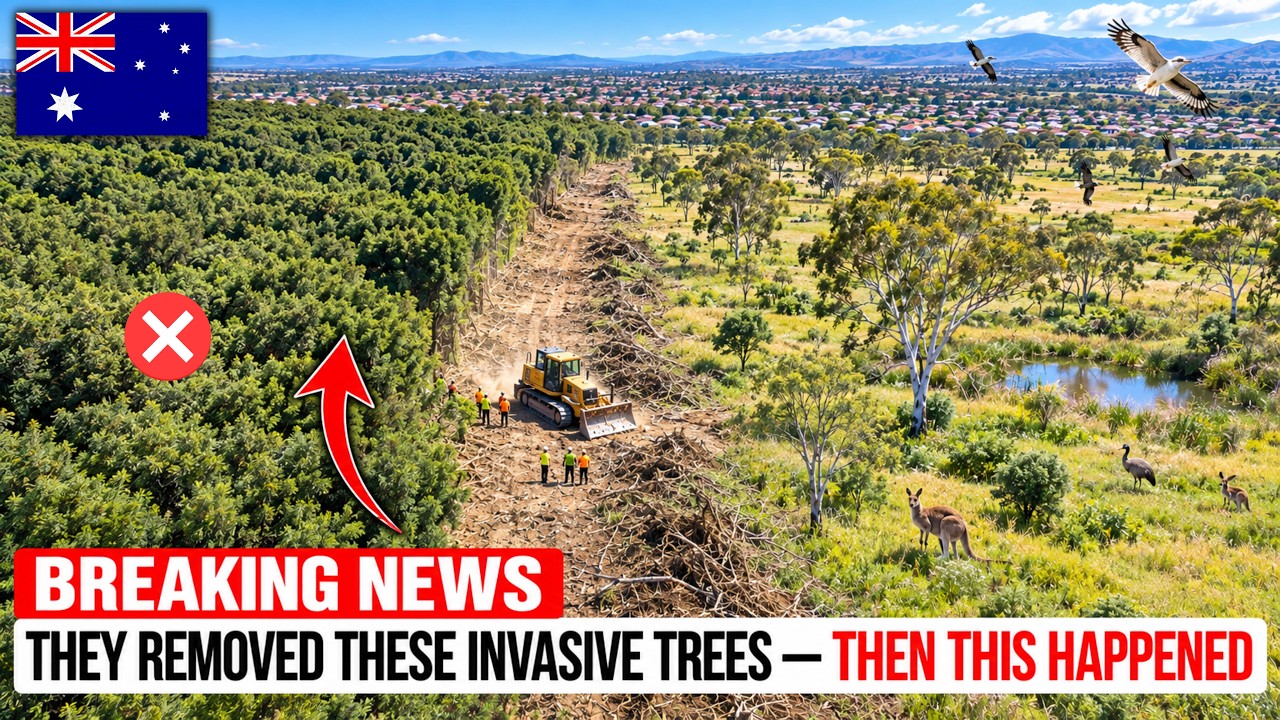
In 2010, an Australian family turned down millions to sell their Sydney land for housing, instead signing a conservation deal to clear invasive olive trees and plant 5,000 natives. Fifteen years later, their property became one of the region’s most valuable—not for what was built, but for the woodland that regrew.
In 2010, a fifth-generation farming family in western Sydney approached the New South Wales government with an unusual proposal. The Downes family, whose land sat on the urban fringe of one of Australia’s fastest-growing cities, offered their worst paddocks for an experiment with no local precedent. They proposed removing olive trees, planting thousands of native trees, and attempting to restore a…
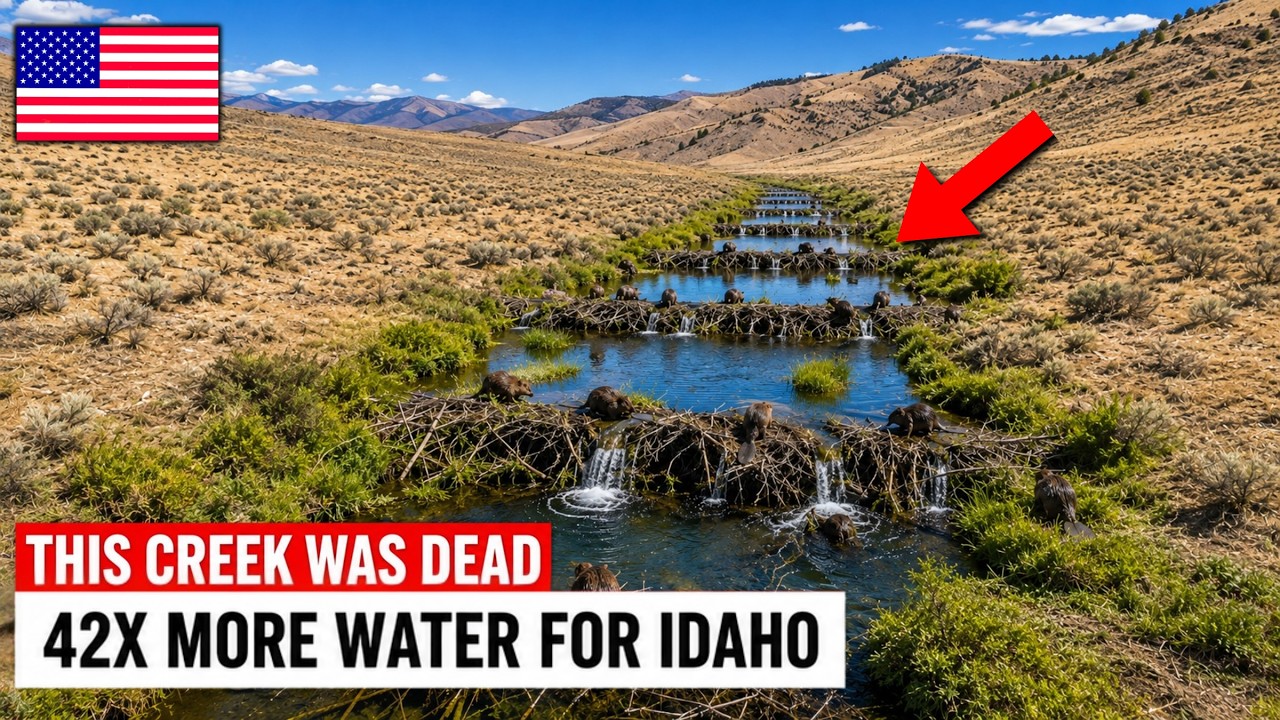
Conservationists long claimed beaver dams choke off fish, yet one U.S. creek defied that theory completely.
In the fall of 2015, fourth-generation cattle rancher Jay Wilde stood in a dry streambed in southeastern Idaho with a team of researchers. Together they drove wooden posts into the mud, wove willow branches between them, and released nine wild beavers into the area. There was no concrete, no heavy machinery, and no storage tanks. The only materials were sticks, mud, and a group of rodents weighing…
In January 2021, Argentina released three jaguars into the Iberá Wetlands, a region where the species had been extinct for 70 years. Scientists gave the project a decade to prove itself. Four years
In January 2021, Argentina released three jaguars into the Iberá Wetlands, a region where the species had been extinct for 70 years. Scientists gave the project a decade to prove itself. Four years later, the population had grown well beyond expectations, with births occurring in the wild for the first time in generations.The wetlands span 13,000 square kilometers in Corrientes Province in northea…
In January 2021, Argentina released three jaguars into the Iberá wetlands, a region where the species had been locally extinct for 70 years. Scientists gave the reintroduction project a decade to
In January 2021, Argentina released three jaguars into the Iberá wetlands, a region where the species had been locally extinct for 70 years. Scientists gave the reintroduction project a decade to prove itself. Four years later, the population had grown beyond expectations, with wild births occurring for the first time in generations.The Iberá wetlands span 13,000 square kilometers in Corrientes Pr…
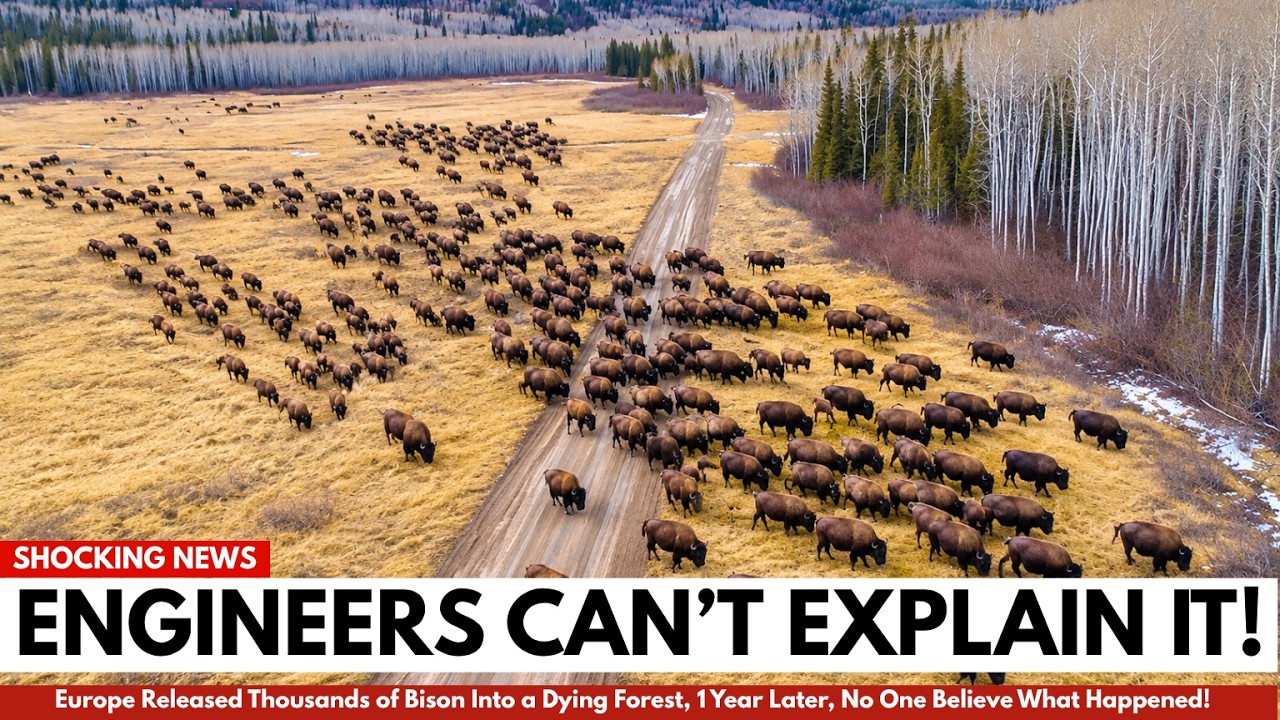
Thirty years have passed since bison were first reintroduced to the long-grass prairies, an ecosystem that was once thriving but had remained dormant for over a century. Since then, bison numbers
Thirty years have passed since bison were first reintroduced to the long-grass prairies, an ecosystem that was once thriving but had remained dormant for over a century. Since then, bison numbers have grown without any signs of slowing down. Long ago, herds of Europe’s largest land mammal moved by the thousands through ancient forests, shaping meadows, spreading seeds across entire regions, and ca…

Paul Watson, the Canadian environmental activist and founder of the Sea Shepherd Conservation Society, had an Interpol red notice against him permanently canceled in mid-2025. The decision by
Paul Watson, the Canadian environmental activist and founder of the Sea Shepherd Conservation Society, had an Interpol red notice against him permanently canceled in mid-2025. The decision by Interpol’s File Control Commission ended more than a decade of restricted movement for Watson, who had been sought by Japan over anti-whaling confrontations in Antarctic waters. Watson described the developme…
The Devil’s Hole pupfish was among the first species listed under the Endangered Species Preservation Act in 1967, which later became the Endangered Species Act. The fish is found nowhere else on
The Devil’s Hole pupfish was among the first species listed under the Endangered Species Preservation Act in 1967, which later became the Endangered Species Act. The fish is found nowhere else on Earth except in a single geothermal pool in the Nevada desert, within a deep fissure known as Devil’s Hole.In June 1965, a weighted rope was lowered into the water at Devil’s Hole and kept descending in t…