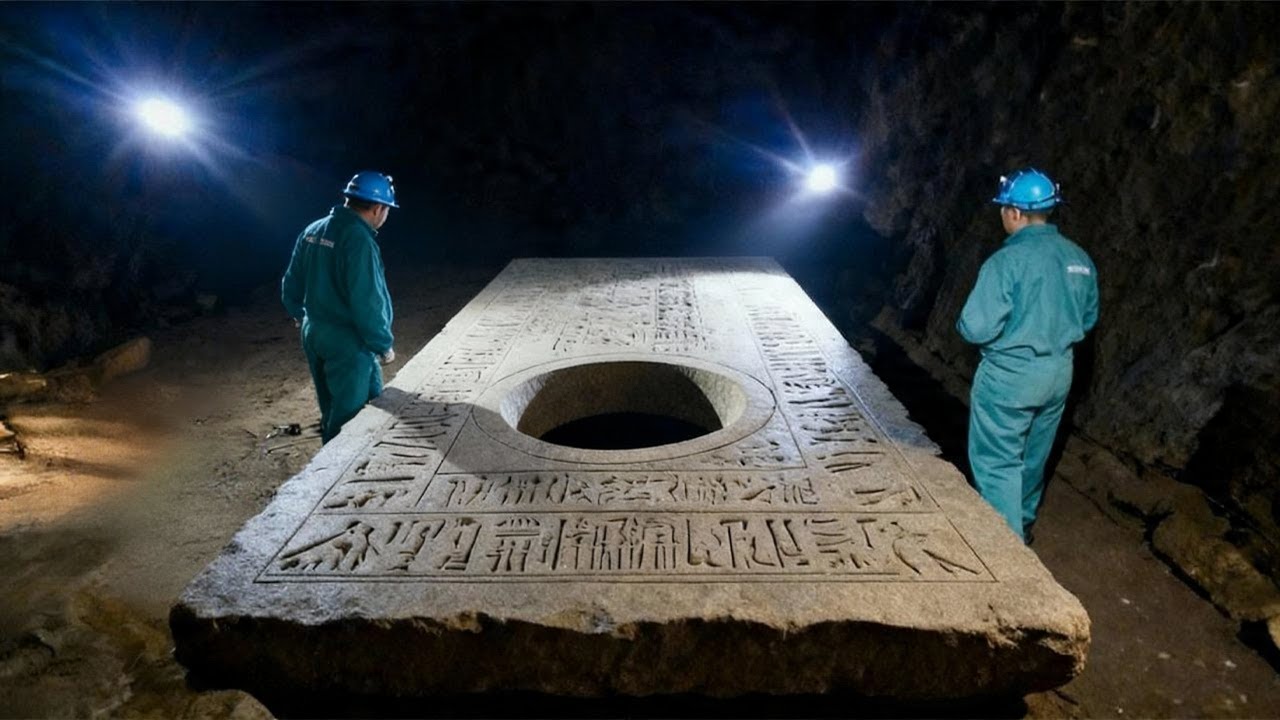
Archaeologists now believe the Osirian wasn’t a temple—it was something far stranger. For decades, experts assumed the vast underground structure beneath Egypt’s Giza plateau served as a memorial to Osiris, its intricate chambers carved for ritual worship.
In 1902, archaeologists Flinders Petrie and Margaret Murray arrived at Abydos, Egypt, expecting to examine a routine part of the mortuary complex of Seti I, a pharaoh of the Nineteenth Dynasty known for his ambitious building projects. Instead, after removing several meters of sand, they uncovered a large sunken structure made of granite columns rising from a water-filled pit about 30 feet below t…