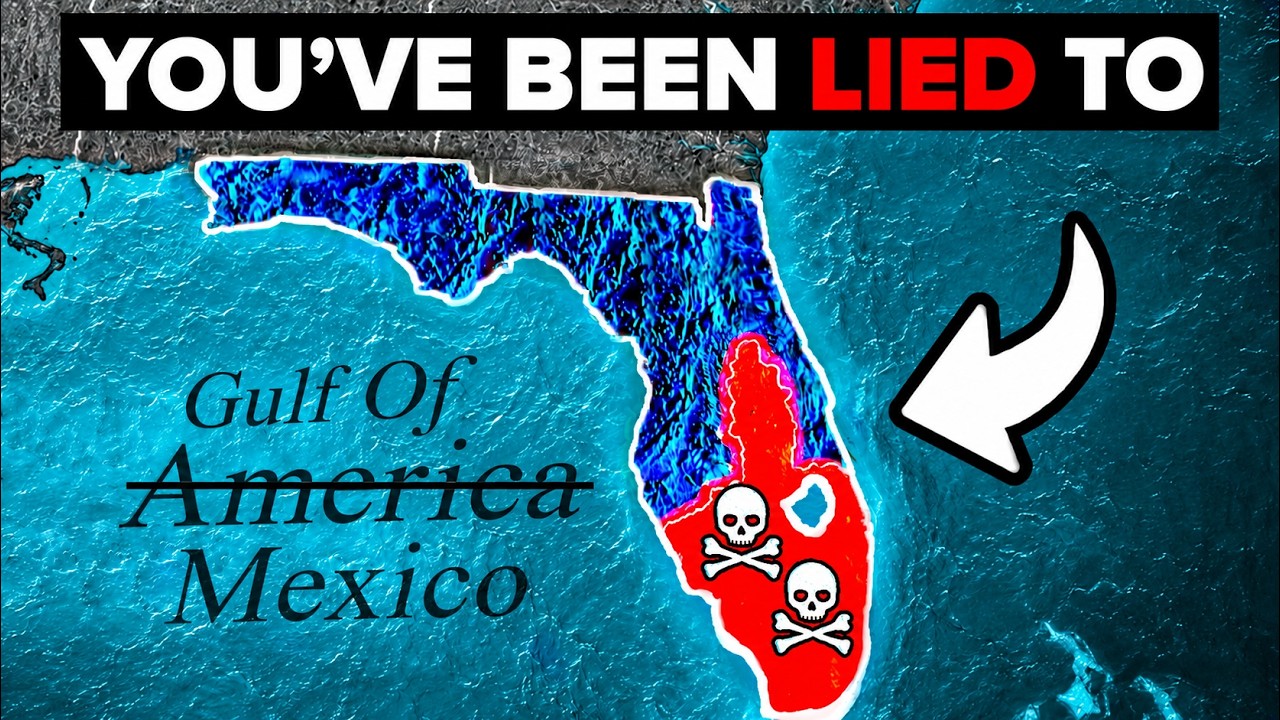
The Everglades is commonly described as a swamp, but it is more accurately a slow-moving river roughly 60 miles wide and only inches deep, flowing from Lake Okeechobee to Florida Bay. This
The Everglades is commonly described as a swamp, but it is more accurately a slow-moving river roughly 60 miles wide and only inches deep, flowing from Lake Okeechobee to Florida Bay. This 18,000-square-mile system is the only place on Earth where wild alligators and crocodiles share the same water, with about 200,000 alligators in the freshwater marshes and roughly 2,000 crocodiles along the salt…
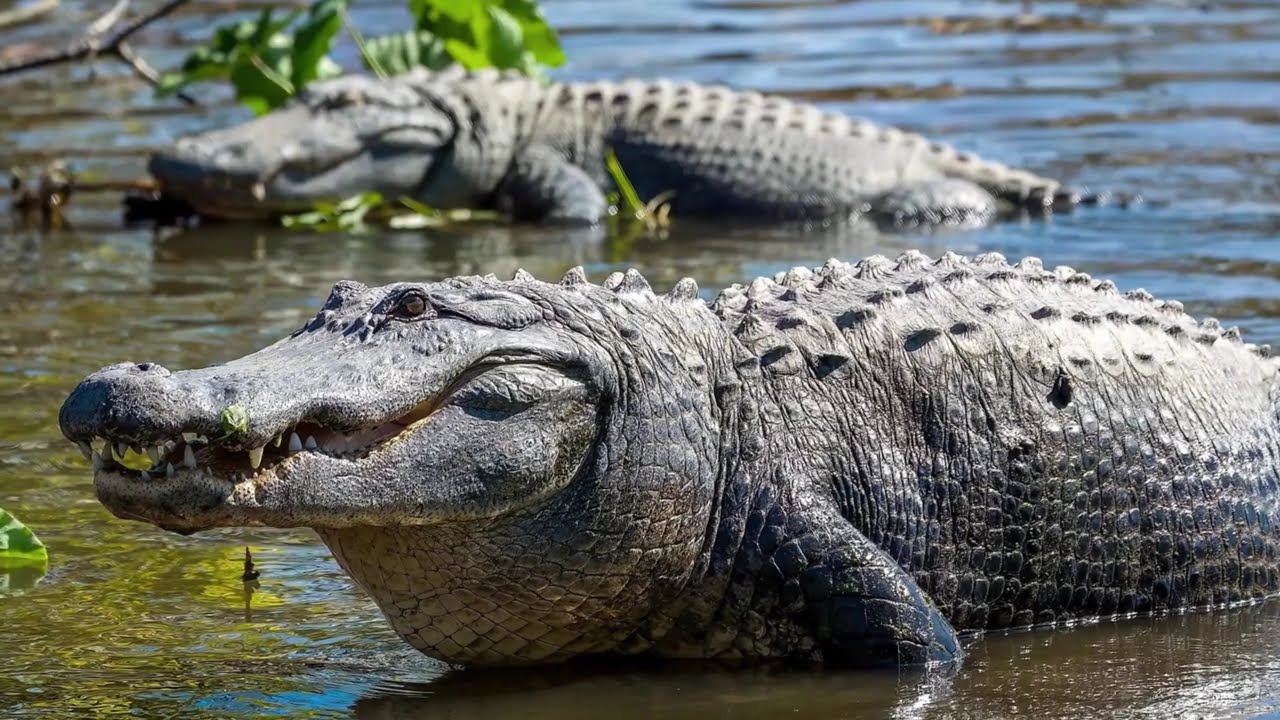
Louisiana releases licensed hunters into its swamps to trap massive alligators, but the mission isn’t trophy hunting—it’s biological warfare against an invading rodent. The state’s alligator harvest program targets nutria, a destructive South American species that has chewed through coastal marshlands, turning protective wetlands into open water.
In the 1930s, Louisiana’s coastal marshlands began a slow collapse. The cause was traced to a semi-aquatic rodent imported from South America, which multiplied rapidly and fed on the root systems that held the wetlands together. Over time, the state lost significant portions of its coastline to erosion. The eventual solution involved a species that had been hunted nearly to extinction: the America…