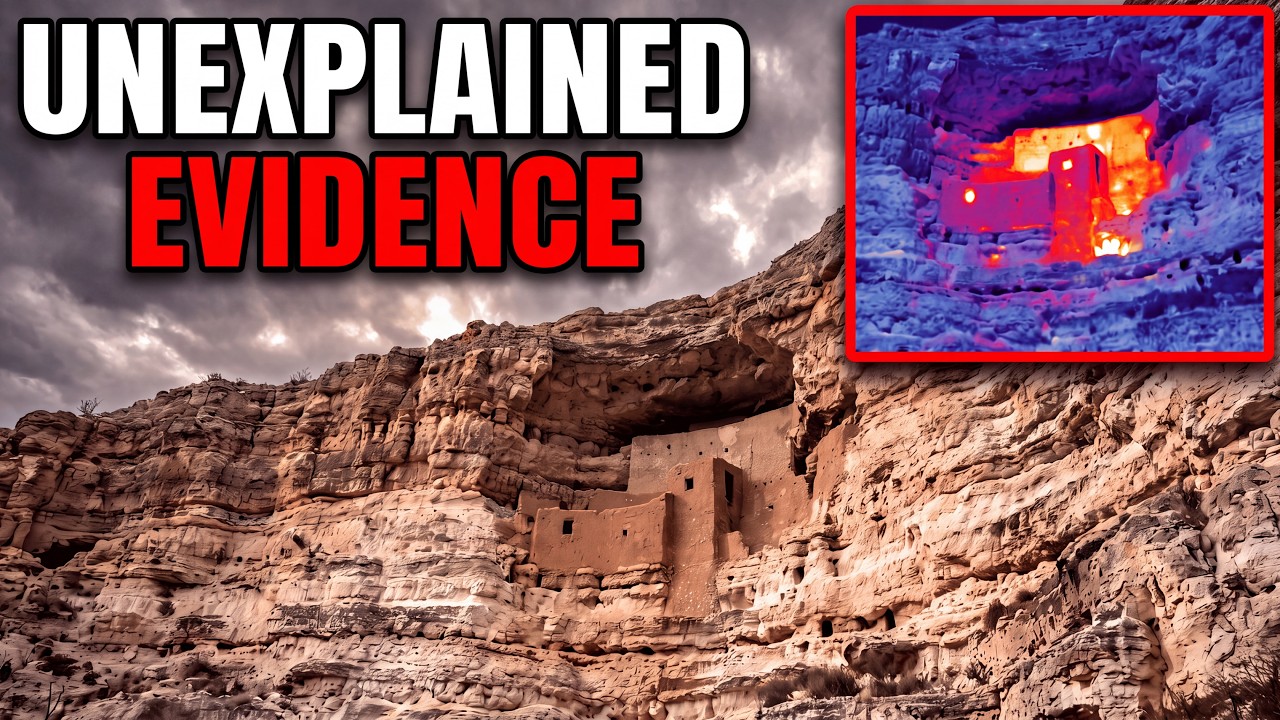
Everyone knows Montezuma Castle as Arizona’s ancient cliff dwelling. Yet, new analysis has experts rethinking its most basic story.
Montezuma Castle is a cliff dwelling set about 90 feet up a limestone cliff in central Arizona, not far from Interstate 17. The structure, which stands five stories and contains roughly 20 rooms, was built with limestone blocks and mud mortar more than 800 years ago. There is no door at ground level and no stairs, and the dark windows face a creek below.The site is one of the best-preserved cliff…
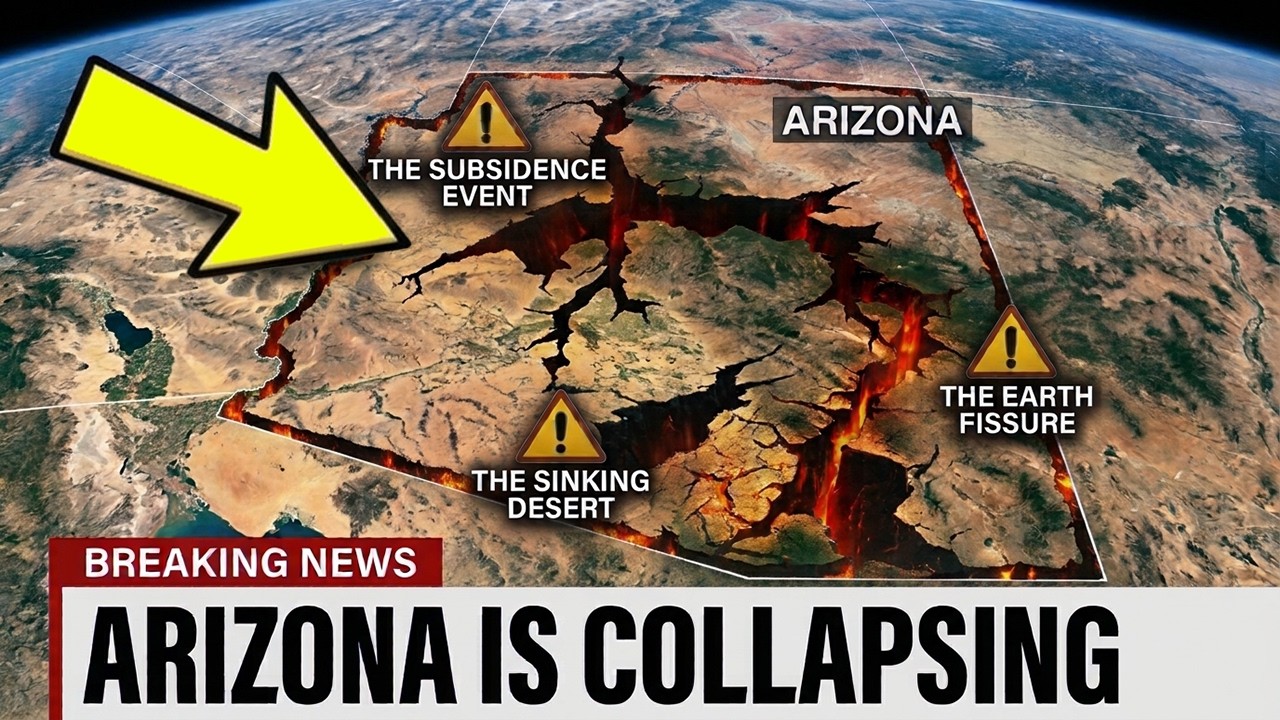
NASA satellites just recorded unexpected ground movement shifting beneath Arizona, and the data has scientists reassessing what they thought they knew about the region. The detection, picked up by advanced orbital instruments, showed surface displacement in an area long considered geologically stable.
Residents of southern Arizona were awakened by a ground movement early Tuesday morning, identified as a magnitude 4.0 earthquake. The tremor, recorded by the U.S. Geological Survey, shook parts of Douglas around 3 a.m. and has drawn renewed attention to the region’s geological activity.For generations, scientists regarded Arizona as one of the most thoroughly studied and stable landscapes in the U…
In Arizona, crews tore down a 96-year-old dam—and then the desert river came back to life. For nearly a century, the concrete structure had blocked the waterway, strangling the ecosystem downstream and leaving a dry, barren channel where wildlife once thrived.
A camera mounted on a rusted metal pole above a dry riverbed in Arizona recorded only cracked mud, heat, and drifting sand for years. Then, on a spring morning, it captured 14 seconds of footage showing water moving through the frame. A hydrologist reviewing the footage stopped and remained silent for nearly a minute. What had appeared in the recording was something she had never seen in that loca…

A jaguar just returned to southern Arizona and drank at a remote desert water source for nearly five minutes, captured on a University of Arizona camera network. Researchers named him Siniik, the latest in a string of males reclaiming territory lost over a century ago.
In November 2025, a camera network operated by the University of Arizona recorded a jaguar at a remote desert water source in southern Arizona. Several months later, in early 2026, the same animal returned and was filmed drinking at the water’s edge for nearly five minutes. Researchers have begun calling him Siniik.The sighting is the latest in a series of recorded jaguar visits to the American So…