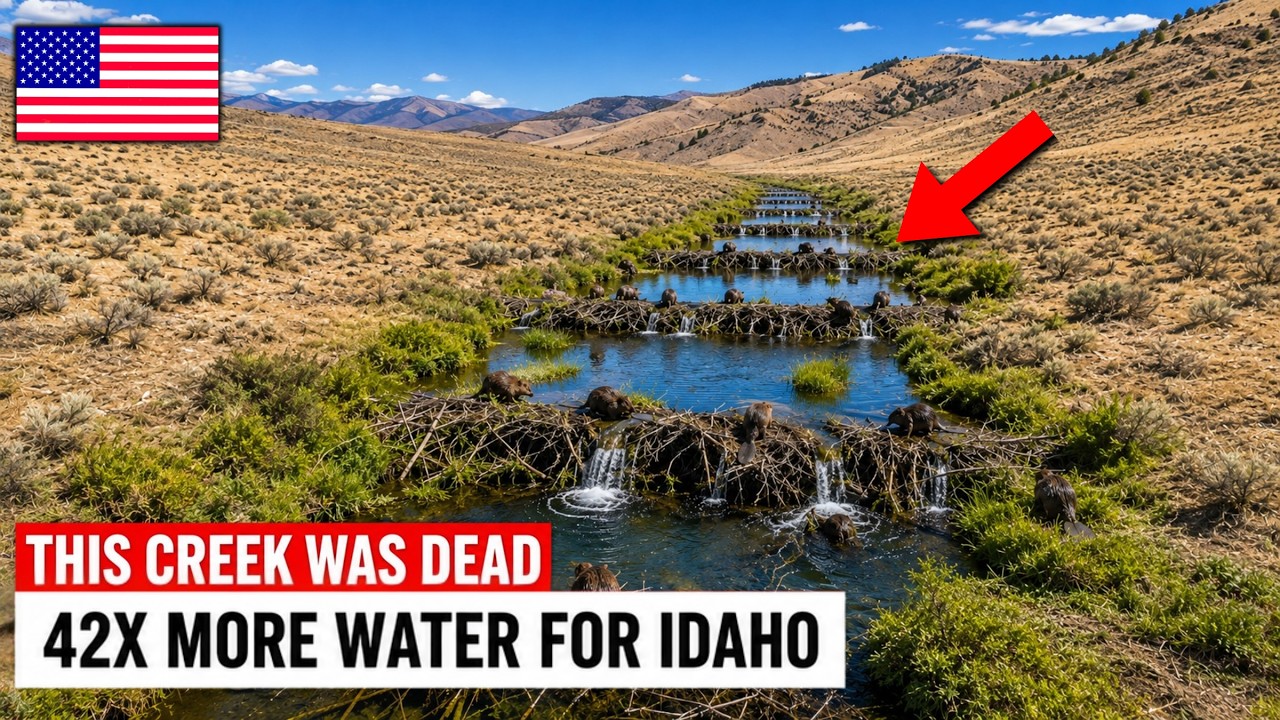
Conservationists long claimed beaver dams choke off fish, yet one U.S. creek defied that theory completely.
In the fall of 2015, fourth-generation cattle rancher Jay Wilde stood in a dry streambed in southeastern Idaho with a team of researchers. Together they drove wooden posts into the mud, wove willow branches between them, and released nine wild beavers into the area. There was no concrete, no heavy machinery, and no storage tanks. The only materials were sticks, mud, and a group of rodents weighing…
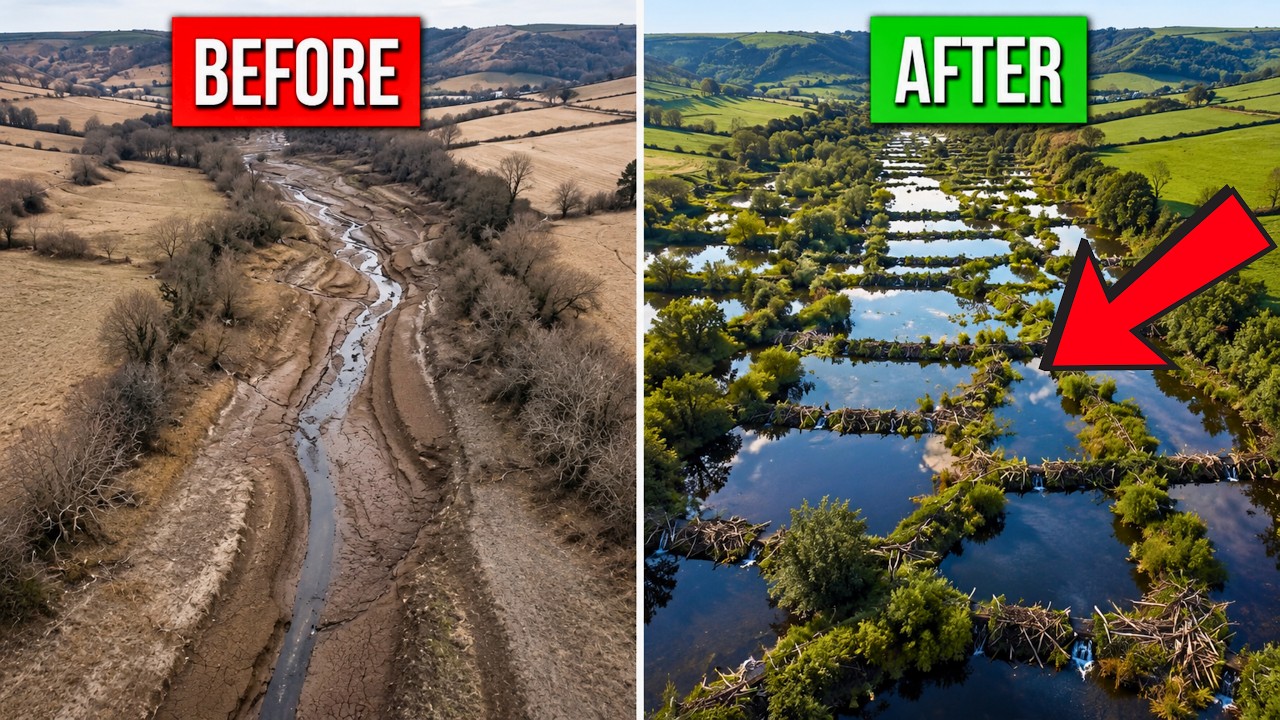
England released eight beavers onto a dying river, hoping they could rescue its collapsing ecosystem. Five years later, the results stunned everyone—but not in the way scientists predicted.
In 2014, the British government learned that wild beavers had been living and breeding on the River Otter in Devon. Their origin was unknown. The government initially planned to remove them, but a wildlife charity successfully proposed monitoring them instead. Eight beavers were released back onto the river as part of a five-year experiment. The changes they brought to the water, wildlife, and sur…
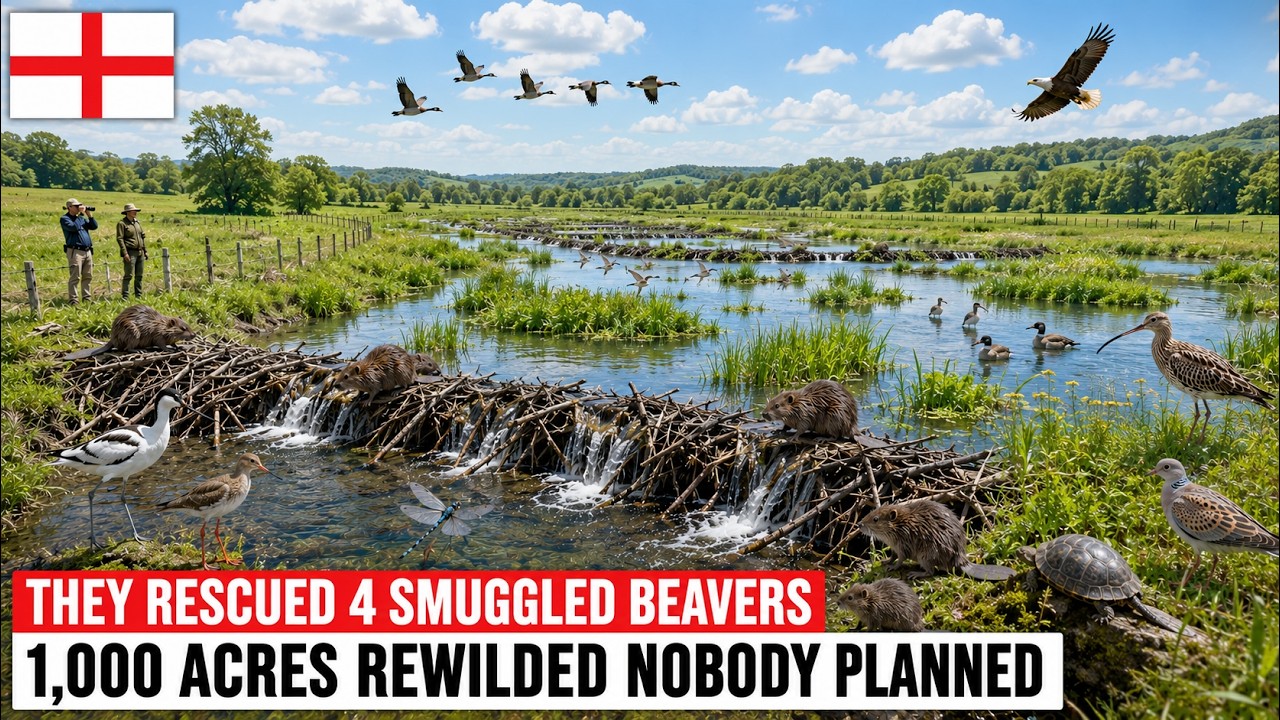
England bought the land for £425,000 after it was declared the deadest farm in the country, barren after decades of intensive farming. But instead of replanting crops, they introduced four beavers to a thousand acres, letting nature take over.
In 2021, Dominic Buscall had spent two years restoring wildlife at Wild Ken Hill when a trail camera in the marsh recorded a young beaver moving through water his parents had created in wetland once marked as farmland on old survey maps. The last confirmed beaver born in Norfolk lived before the reign of Elizabeth I. Buscall’s family had farmed these fields for 150 years, and no one in Norfolk had…
They dropped beavers onto dead land stripped of trees, a barren patch where officials expected nothing. The rodents were relocated as a last-ditch experiment, and humans assumed the dry terrain would reject them.
Beavers reintroduced to degraded watersheds in Washington state have restored wetland ecosystems, reduced wildfire damage, and improved salmon habitat, according to years of monitoring by state agencies and university researchers.In the early 2000s, the Methow and Yakima watersheds had been severely damaged by drought and wildfires that consumed 70 percent of the region’s forests. The ground could…
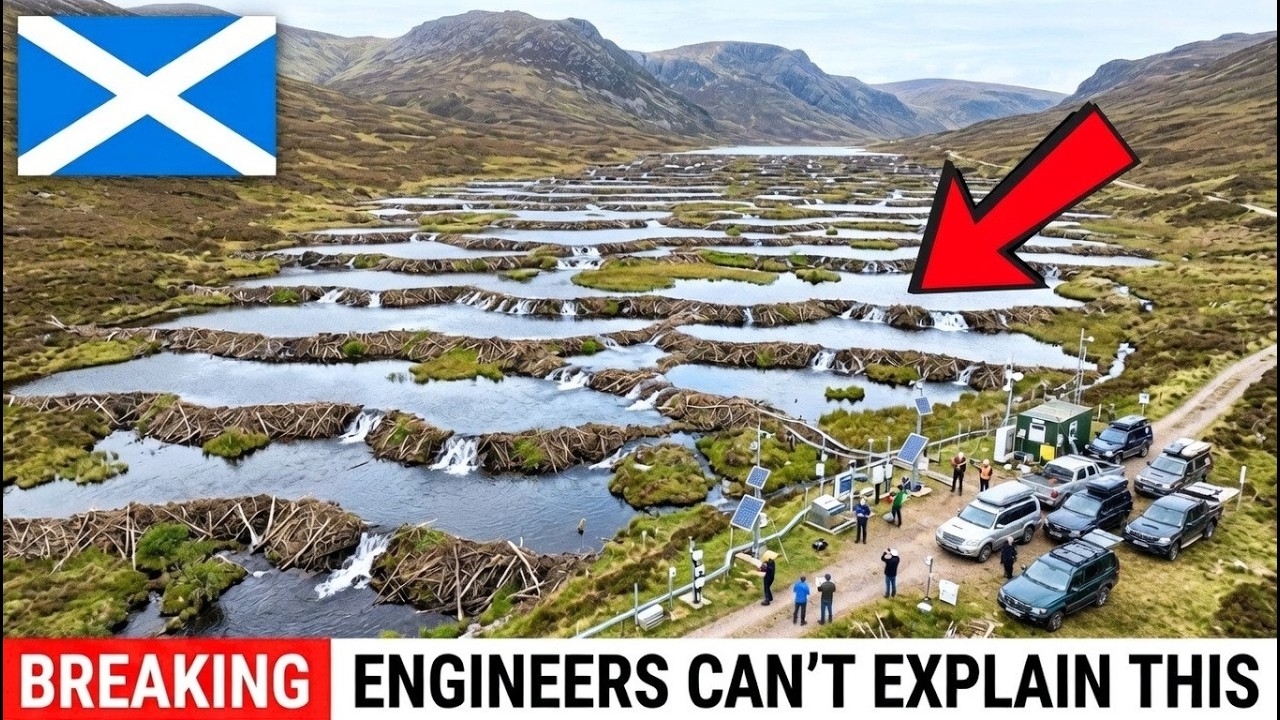
They released 11 beavers into a dead Scottish river, and what followed stunned scientists. The waterway had run dry, its wildlife gone, the land scarred by erosion.
In May 2009, a rewilding trial began in Scotland with the release of eleven Eurasian beavers into Knapdale Forest in Argyll. It was the first licensed mammal reintroduction in British history. The animals, captured in Norway and quarantined for several months, were released into freshwater lochs over two days. The species had not lived in Scotland for over 400 years.The project followed more than…
Wildlife officials dropped 240 beavers into dying Pacific Northwest streams—and the ecosystem response was anything but expected. The rodents were meant to restore degraded waterways, rebuilding dams that had vanished for a century.
In the mountains of Washington state, biologists have spent more than a decade moving beavers into streams that were losing water. The animals, once considered pests, have rebuilt wetlands, stored millions of gallons of water, cooled rivers for salmon, and created natural firebreaks across dry landscapes.The work began in 2007 in the Methow Valley, where streams feeding the Eastern Cascade Mountai…