
The Illinois River’s invasive Asian carp are suddenly vanishing, and scientists were stunned by the real cause. For years, the massive fish threatened to invade the Great Lakes, prompting costly
In stretches of the Illinois River, Asian carp once made up 70% of everything alive. Today, in the upper pools closest to Chicago, their numbers have fallen by more than 90%. Nobody can point to the weapon that did it.Illinois spent over a billion dollars fighting these fish, so everyone assumed the money finally worked. Then scientists checked, and the real cause was not the money, not the barrie…

Australia released 26 Tasmanian devils into mainland bushland teeming with feral cats, betting their bone-crushing jaws could shift the balance of an ecosystem under siege. Scientists watched these scavengers move through predator territory, tracking how they hunted, fed, and left carcasses stripped bare.
In November 2020, two Tasmanian devils named Lisa and Lenny were released into the Barrington Wildlife Sanctuary in New South Wales, marking the beginning of a project to reintroduce the species to mainland Australia after an absence of roughly 3,000 years. The release was part of a larger effort involving 26 devils, all bred through a program run by the conservation group Aussie Ark. The goal was…

Der meistgehasste Fisch Amerikas verschwindet plötzlich aus den Flüssen – und die Retter sind nicht die teuren Regierungsbarrieren. Jahrelang dominierten asiatische Karpfen das Illinois-River-System, verdrängten einheimische Arten und machten bis zu 90 Prozent der Biomasse aus.
Im Einzugsgebiet des Illinois River zeichnet sich seit einigen Jahren ein unerwarteter Wandel ab. Fischer, die ihre Netze einholen, finden darin immer seltener die invasiven asiatischen Karpfen, die das Flusssystem über Jahrzehnte dominiert hatten. Die Bestände dieser Art, die zeitweise einen Großteil der Biomasse des Flusses ausmachte, gehen deutlich zurück.Die Ursache dafür liegt nicht in den au…

The Devil’s Hole pupfish was among the first species listed under the Endangered Species Preservation Act in 1967, which later became the Endangered Species Act. The fish is found nowhere else on
The Devil’s Hole pupfish was among the first species listed under the Endangered Species Preservation Act in 1967, which later became the Endangered Species Act. The fish is found nowhere else on Earth except in a single geothermal pool in the Nevada desert, within a deep fissure known as Devil’s Hole.In June 1965, a weighted rope was lowered into the water at Devil’s Hole and kept descending in t…

A century ago, roughly one in four hardwood trees in the eastern United States was an American chestnut. The species was widespread, practical, and highly regarded for its wood and its annual nut
A century ago, roughly one in four hardwood trees in the eastern United States was an American chestnut. The species was widespread, practical, and highly regarded for its wood and its annual nut crop. In about forty years, a fungus introduced accidentally on imported seedlings killed an estimated three to four billion of these trees, making it one of the most destructive environmental events in A…
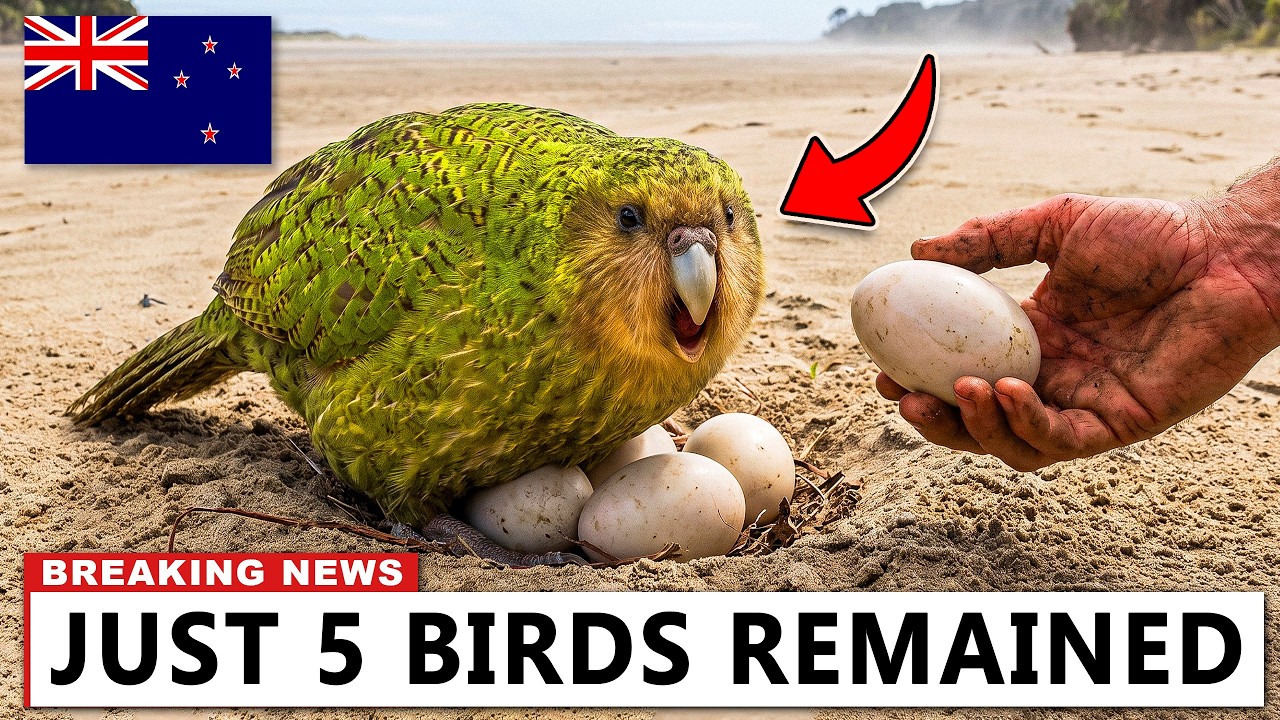
In 1980, five black robins remained on Earth. One female held two eggs, and the species’ survival depended on them. Don Merton, a New Zealand Wildlife Service officer, took those eggs. He had spent
In 1980, five black robins remained on Earth. One female held two eggs, and the species’ survival depended on them. Don Merton, a New Zealand Wildlife Service officer, took those eggs. He had spent sixteen years trying to save the birds. He could only hope the decision did not seal their fate.New Zealand evolved in isolation for millions of years without ground predators. Many native birds nested…
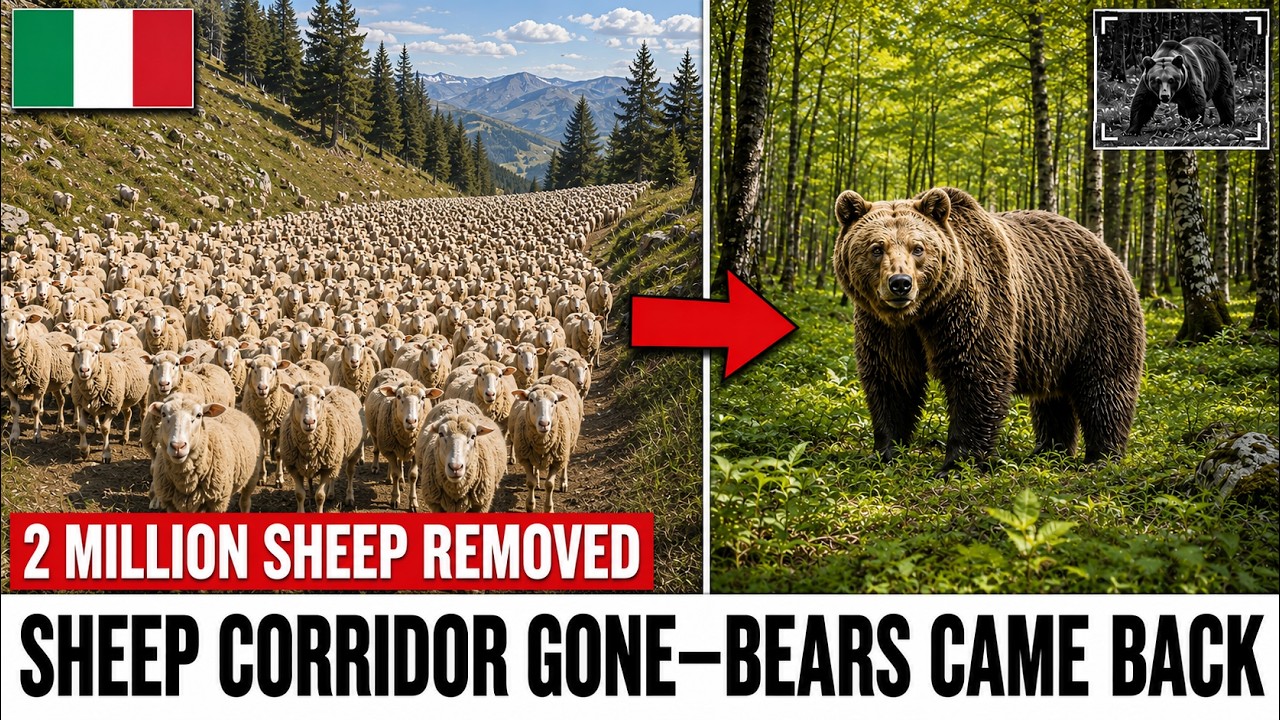
In the mountains of central Italy, between Rome and the Adriatic coast, roughly 50 to 60 Marsican brown bears remain. This is the entire global population of the subspecies, which exists nowhere else
In the mountains of central Italy, between Rome and the Adriatic coast, roughly 50 to 60 Marsican brown bears remain. This is the entire global population of the subspecies, which exists nowhere else on Earth. If this group disappears, no other bear population can replace it. The genetic characteristics, behaviors, and thousands of years of adaptation to these Mediterranean mountain ecosystems wou…
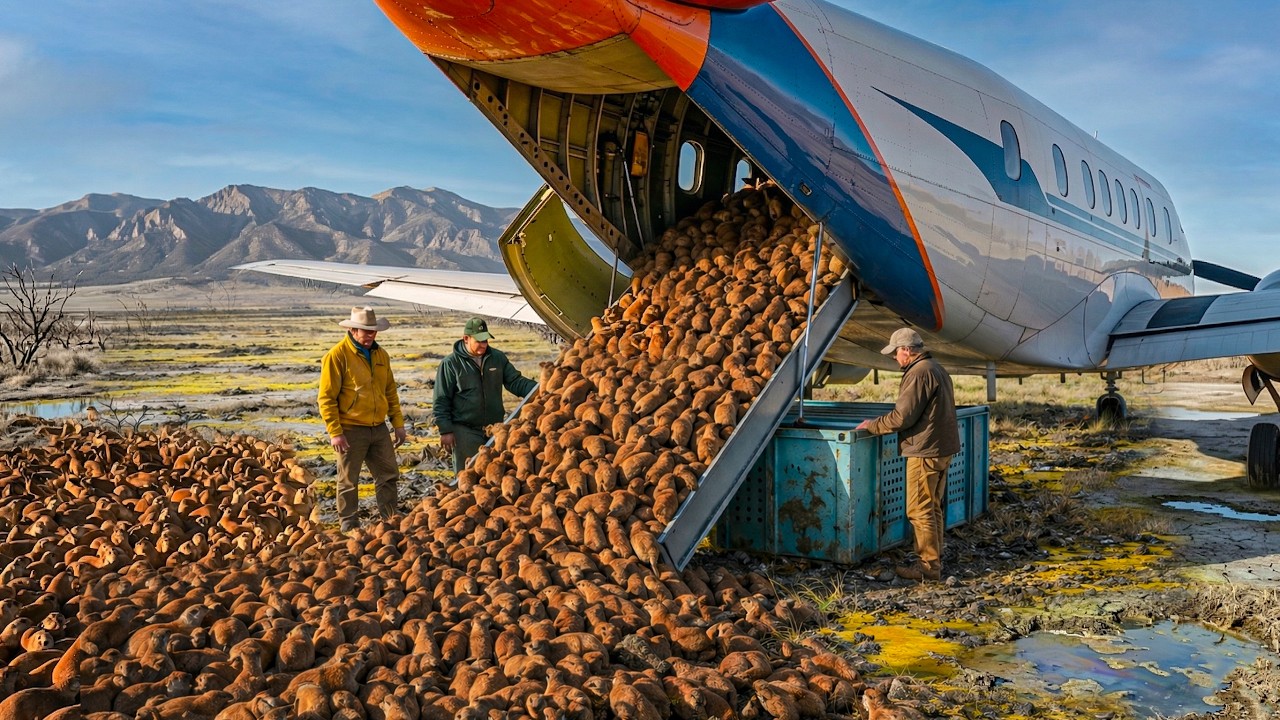
In 1989, wildlife managers released 714 prairie dogs onto a former chemical weapons manufacturing site near Denver. The animals were intended to stabilize soil and control dust on land that had been
In 1989, wildlife managers released 714 prairie dogs onto a former chemical weapons manufacturing site near Denver. The animals were intended to stabilize soil and control dust on land that had been contaminated by decades of industrial activity. That modest assignment initiated a chain of ecological events that eventually supported the release of the black-footed ferret, the rarest mammal in Nort…
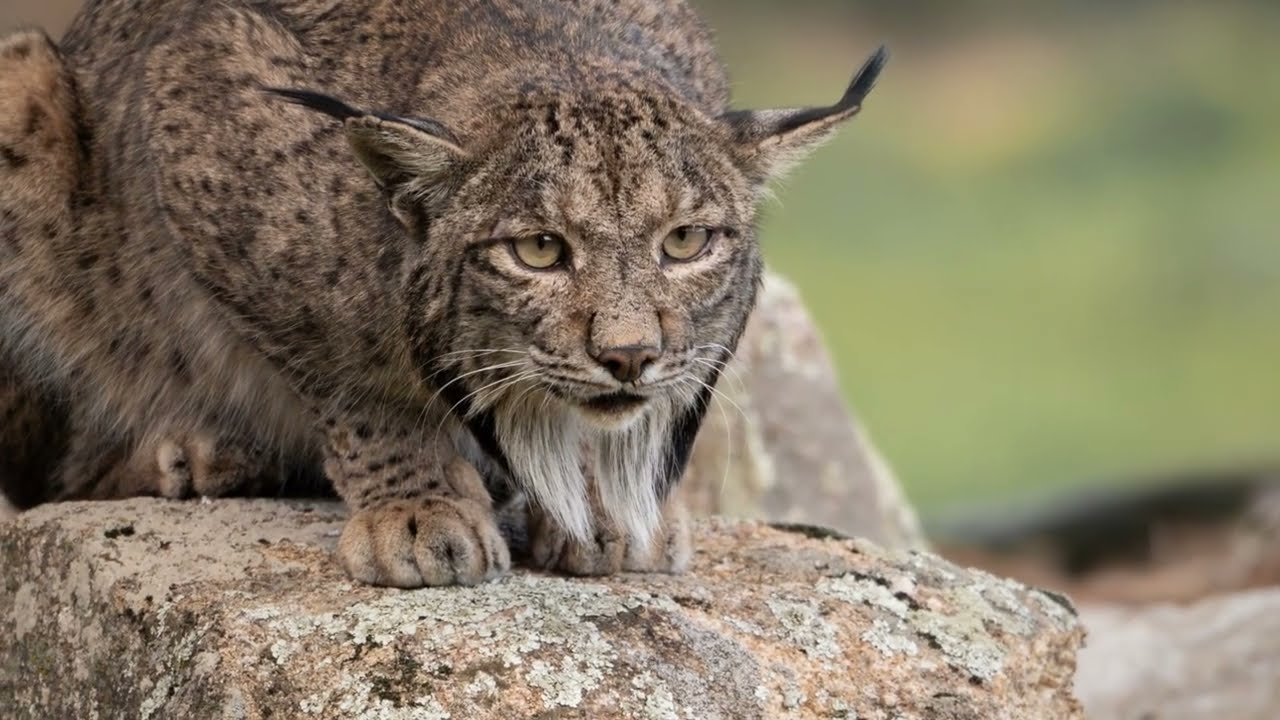
Spain just returned its final 62 captive-bred lynx to the wild, aiming to rescue a species once pushed to the brink. Conservationists hoped these carefully raised cats would finally establish themselves in territories where they had vanished entirely.
The Iberian lynx came close to disappearing entirely between the late 1980s and the early 2000s. Two disease outbreaks had devastated its primary food source, the European rabbit, across most of the Iberian Peninsula. By 2001, the lynx population had fallen to 62 mature adults, with 25 breeding females, confined to two isolated areas in southern Spain.For more than a million years, the lynx had se…
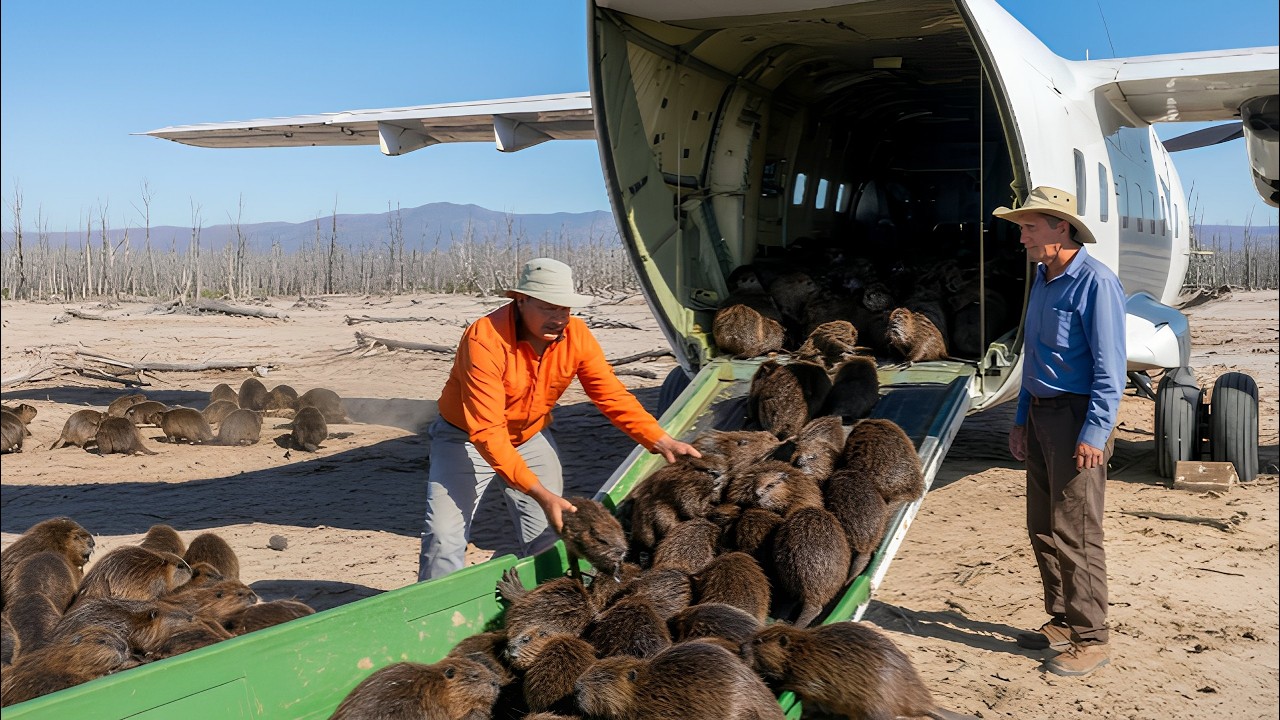
They dropped beavers onto dead land stripped of trees, a barren patch where officials expected nothing. The rodents were relocated as a last-ditch experiment, and humans assumed the dry terrain would reject them.
Beavers reintroduced to degraded watersheds in Washington state have restored wetland ecosystems, reduced wildfire damage, and improved salmon habitat, according to years of monitoring by state agencies and university researchers.In the early 2000s, the Methow and Yakima watersheds had been severely damaged by drought and wildfires that consumed 70 percent of the region’s forests. The ground could…