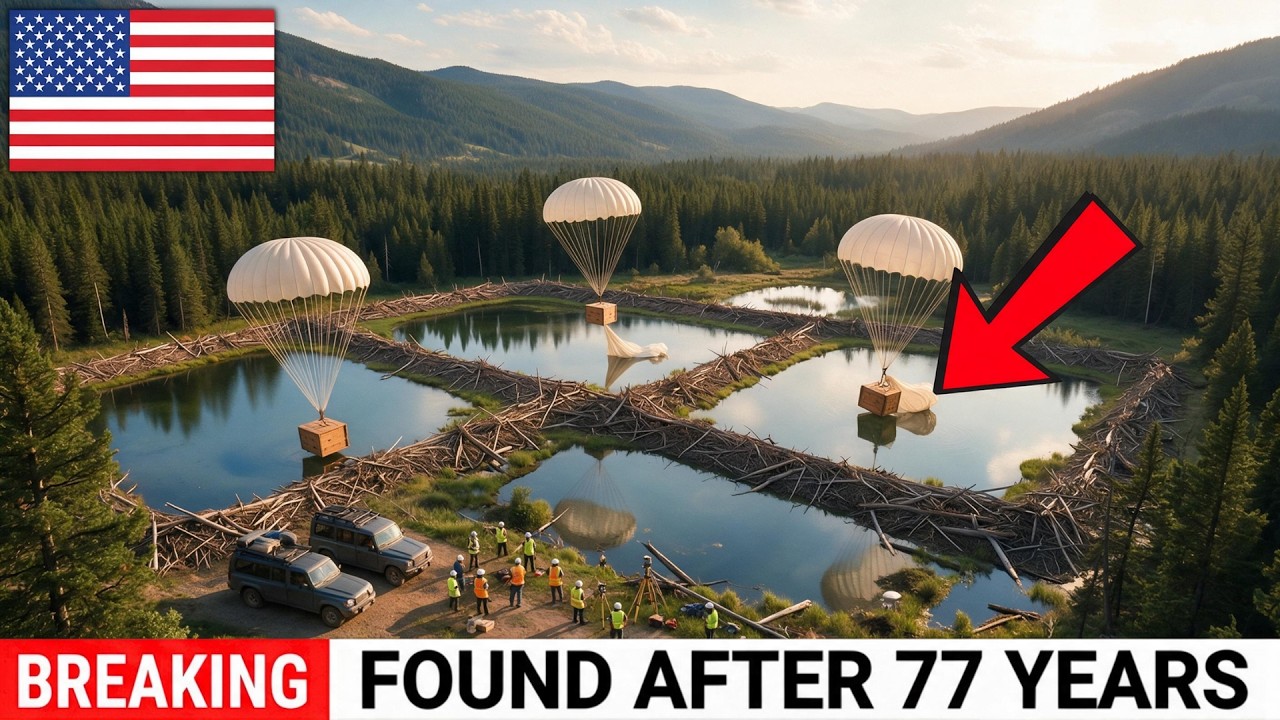
In 1948, Idaho officials parachuted 76 beavers into a forest they’d deemed dead, a last-ditch effort born of conflict with local residents. The rodents were meant to restore collapsed waterways, but nobody predicted what they would ultimately create.
In August 1948, a twin-engine plane lifted off from a small airstrip in McCall, Idaho, carrying eight wooden crates. Inside were 76 live beavers. The pilot climbed to about 700 feet over the Chamberlain Basin, a remote valley in the mountains of central Idaho, and the crew pushed the crates out one at a time. Each crate had a parachute strapped to the top. When the last parachute settled, 75 beave…
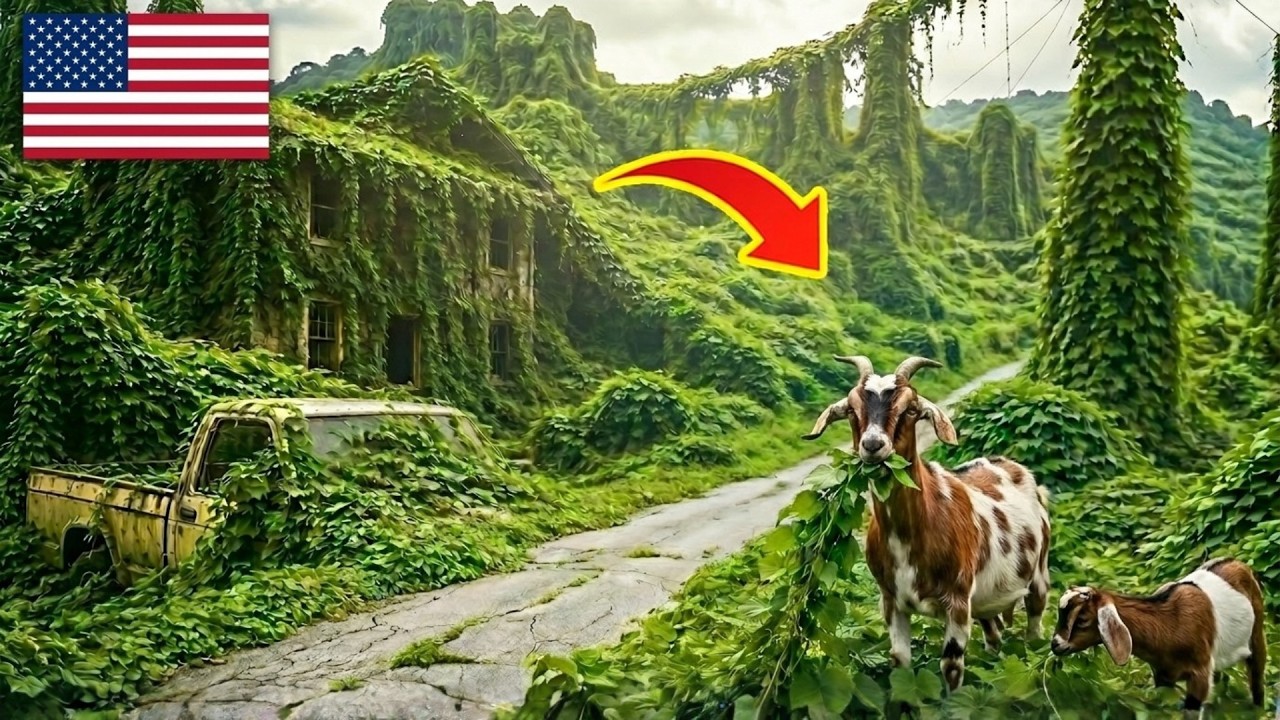
The US dumped $500 million into fighting kudzu, the vine that swallowed the South—only for three unexpected species to do the job for free. For decades, scientists waged chemical and mechanical war as the invasive plant smothered forests and power lines.
Kudzu first arrived in the United States in 1876 at the Centennial Exposition in Philadelphia, where Japan displayed it as a garden ornamental. For the next half century, it grew mainly on southern porches, cultivated for shade and its purple flowers. Farmers largely ignored it, and they had practical reasons. A kudzu field took years to establish, the tangled vines were difficult to cut and bale…

Conservationists long claimed beaver dams choke off fish, yet one U.S. creek defied that theory completely.
In the fall of 2015, fourth-generation cattle rancher Jay Wilde stood in a dry streambed in southeastern Idaho with a team of researchers. Together they drove wooden posts into the mud, wove willow branches between them, and released nine wild beavers into the area. There was no concrete, no heavy machinery, and no storage tanks. The only materials were sticks, mud, and a group of rodents weighing…
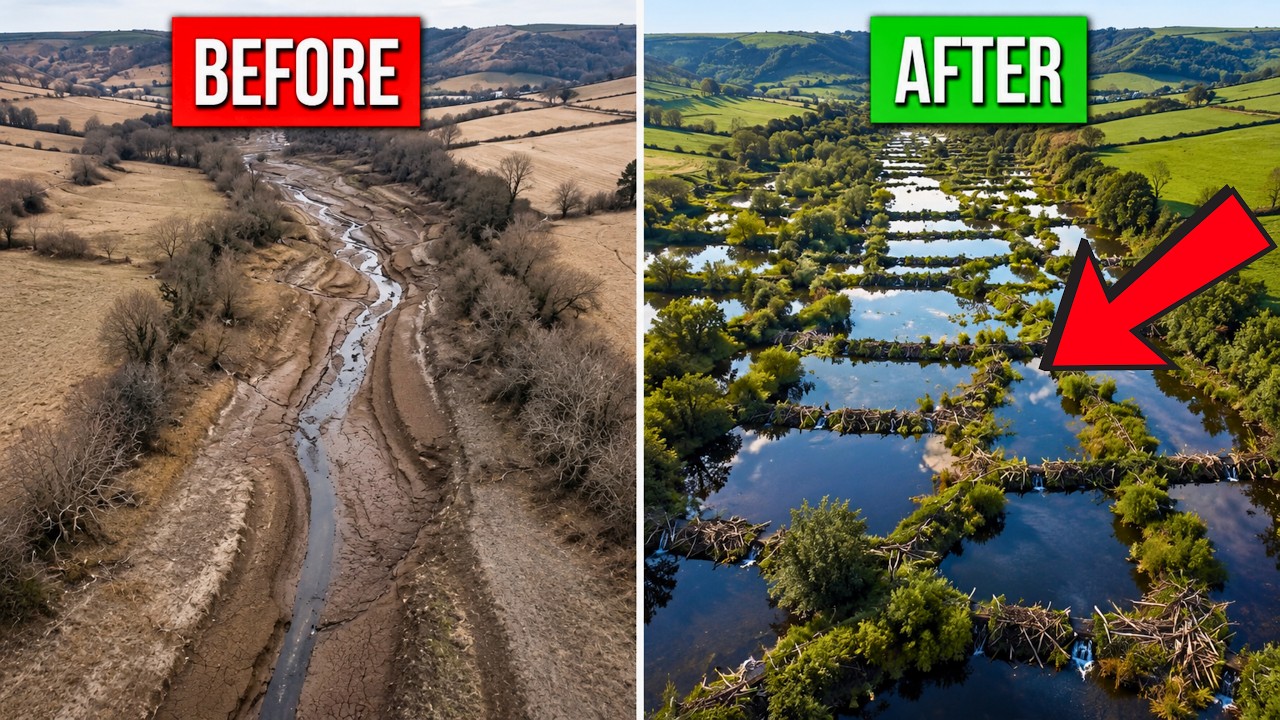
England released eight beavers onto a dying river, hoping they could rescue its collapsing ecosystem. Five years later, the results stunned everyone—but not in the way scientists predicted.
In 2014, the British government learned that wild beavers had been living and breeding on the River Otter in Devon. Their origin was unknown. The government initially planned to remove them, but a wildlife charity successfully proposed monitoring them instead. Eight beavers were released back onto the river as part of a five-year experiment. The changes they brought to the water, wildlife, and sur…
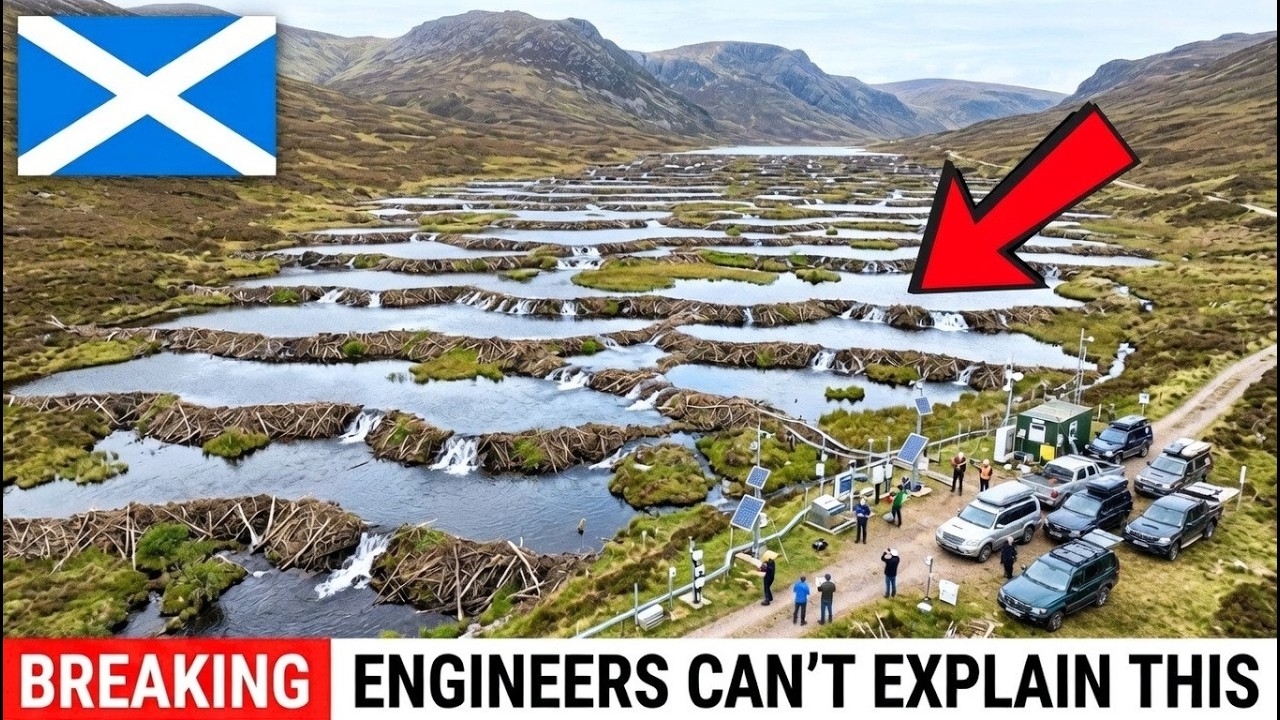
They released 11 beavers into a dead Scottish river, and what followed stunned scientists. The waterway had run dry, its wildlife gone, the land scarred by erosion.
In May 2009, a rewilding trial began in Scotland with the release of eleven Eurasian beavers into Knapdale Forest in Argyll. It was the first licensed mammal reintroduction in British history. The animals, captured in Norway and quarantined for several months, were released into freshwater lochs over two days. The species had not lived in Scotland for over 400 years.The project followed more than…