In the early 2000s, Florida began a large-scale effort to restore the Picaune Strand, a 55,000-acre swamp in the southwestern part of the state. Decades earlier, the land had been drained and divided
In the early 2000s, Florida began a large-scale effort to restore the Picaune Strand, a 55,000-acre swamp in the southwestern part of the state. Decades earlier, the land had been drained and divided into a grid of roads and canals by a real estate company that sold it as dry lots. The restoration project was designed to reverse that damage and create one of the last viable habitats for the endang…
In the swamps of southern Florida in the early 1990s, wildlife biologists were monitoring a population of Florida panthers that appeared to be in terminal decline. By the mid-1990s, fewer than 30 of
In the swamps of southern Florida in the early 1990s, wildlife biologists were monitoring a population of Florida panthers that appeared to be in terminal decline. By the mid-1990s, fewer than 30 of the animals were believed to remain in the wild, and projections suggested the subspecies could disappear entirely within about four decades. In January 1995, eight female cougars were brought from Tex…
The Florida panther, once on the brink of extinction, has been slowly recovering in a case that has become a landmark in wildlife conservation. Known for its solitary nature and difficulty to
The Florida panther, once on the brink of extinction, has been slowly recovering in a case that has become a landmark in wildlife conservation. Known for its solitary nature and difficulty to observe, the panther is sometimes called the “ghost cat.” By the early 1990s, only 26 panthers remained in Florida, and the population showed serious signs of genetic decline. Many animals had deformed tails…
Florida had just twenty-six panthers left, the species hanging on by a thread. Then, eight female cougars from Texas were brought in.
The Florida panther has been slowly recovering after decades on the brink of extinction. Known for its solitary habits and difficulty to observe, the animal is sometimes called the ghost cat. By the early 1990s, fewer than 30 panthers remained in the wild, and the population showed serious signs of genetic decline, including heart defects and reproductive problems. Scientists estimated that withou…
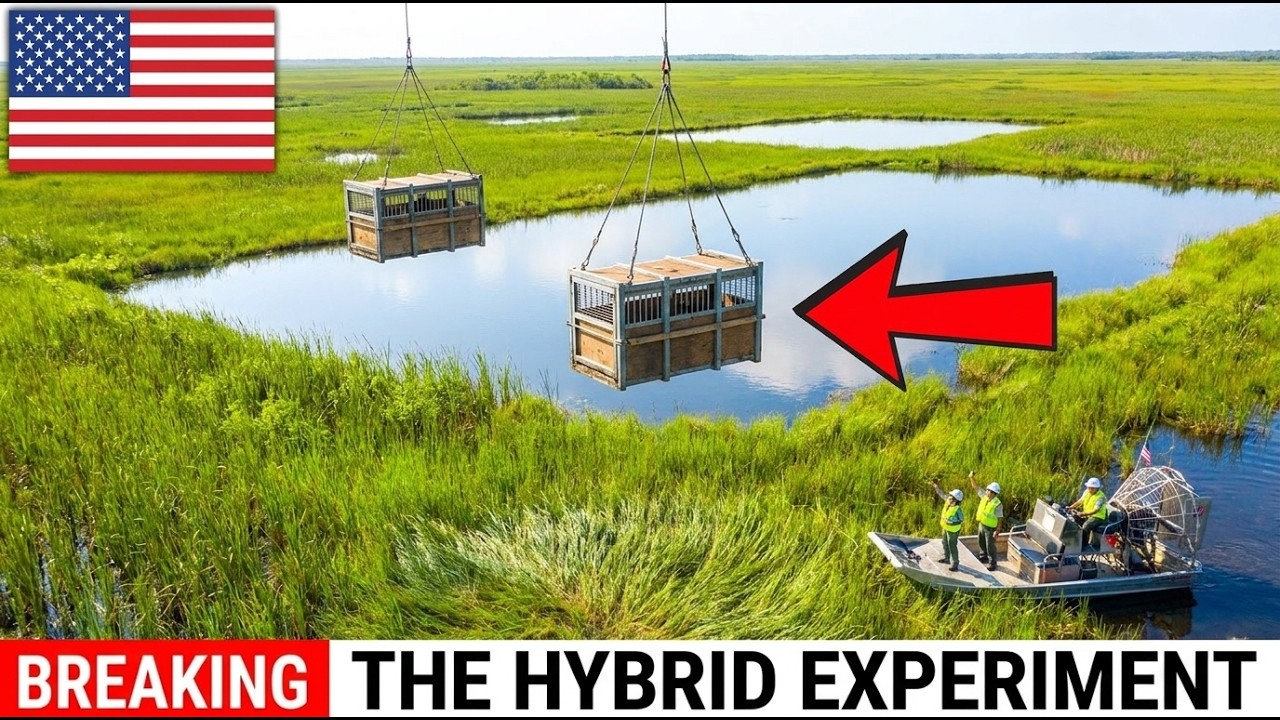
Florida crossed eight Texas cougars with cats related to 26 dying Florida panthers—and the move triggered an unexpected fight. Critics warned the hybridization would destroy the panther’s unique genetic identity.
In the early 1990s, fewer than 30 Florida panthers remained in the wild, concentrated in the swamps west of Miami. The population was genetically isolated and showed clear signs of inbreeding collapse, including heart defects, reproductive abnormalities, and low genetic diversity. A 1992 study estimated a 95 percent chance the subspecies would be extinct within two decades.In response, state and f…
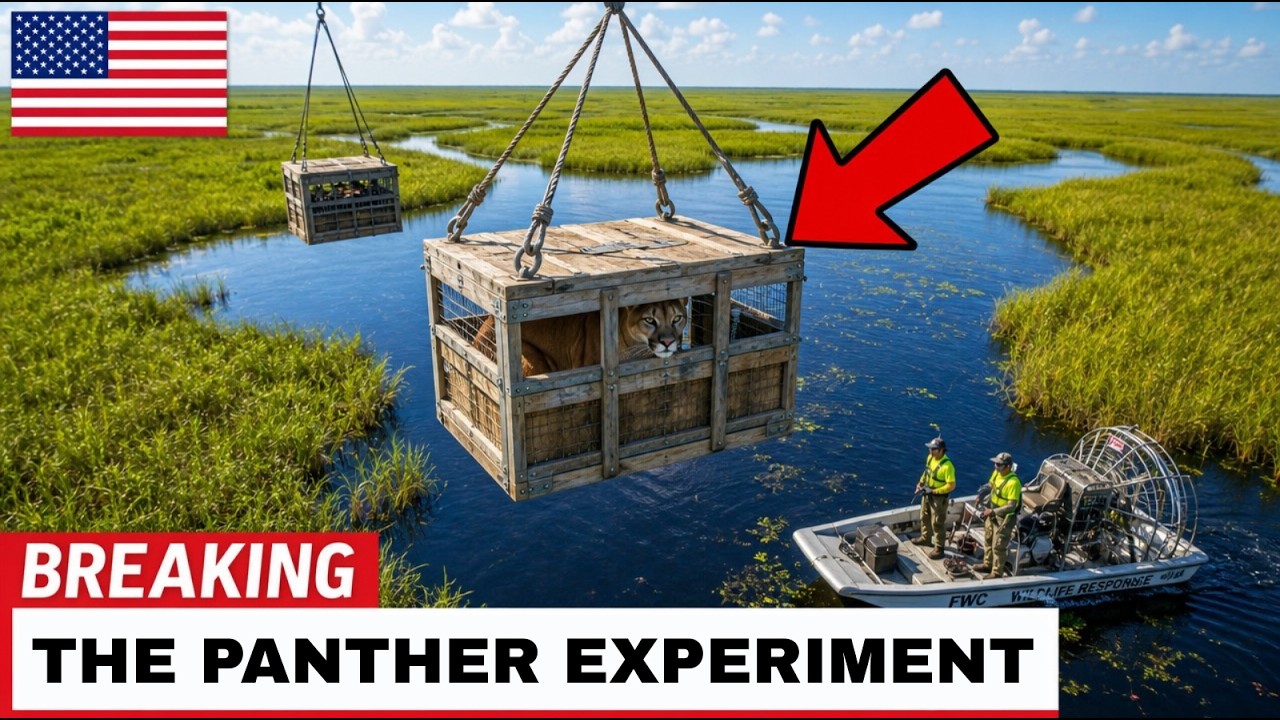
Florida released eight Texas pumas into its collapsing panther population, a desperate move to save a species on the brink. Within weeks, something impossible appeared in the genetic data, challenging everything scientists believed about the big cats’ survival.
By the early 1990s, fewer than 30 Florida panthers remained in the wild, the last survivors of a cat that once ranged across the American Southeast. The population was in serious trouble. Nearly every male carried a genetic defect affecting fertility, and many kittens were born with heart problems. Geneticists estimated a 95% chance the animal would be extinct within 20 years.The response involved…