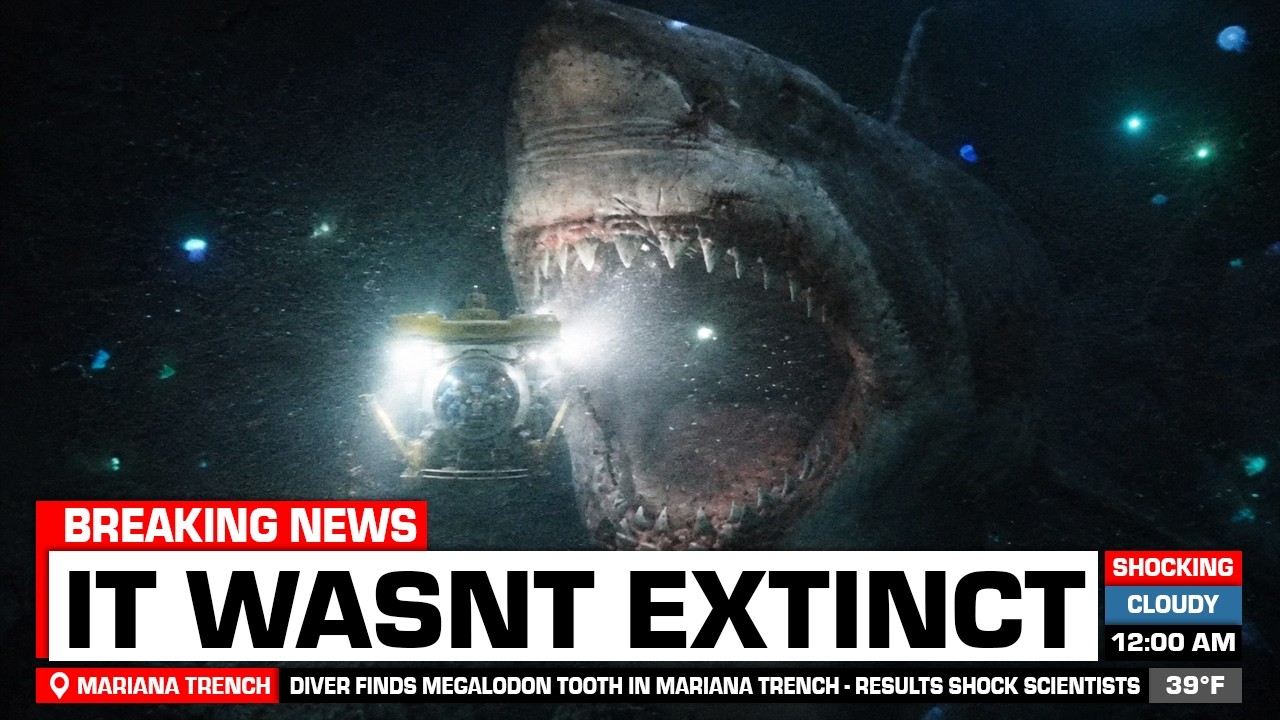
In 1875, the crew of the British research vessel HMS Challenger dredged the seafloor near Tahiti in the South Pacific. Among the sediment and fossil material brought up from a depth of about 4,360
In 1875, the crew of the British research vessel HMS Challenger dredged the seafloor near Tahiti in the South Pacific. Among the sediment and fossil material brought up from a depth of about 4,360 meters were two teeth from Otodus megalodon, the extinct giant shark. Each tooth measured roughly four inches long, a size consistent with megalodon specimens already recovered on land across multiple co…

A massive shadow glides beneath an Australian fishing boat, and the crew suddenly cuts their lines. The fishermen claim the silhouette was far bigger than their vessel, sparking fears they had just encountered a megalodon.
The teeth of Otodus megalodon sit in museum cases around the world, and the first thing visitors notice is their unnatural scale. Some are seven inches long, wider than a grown man’s open hand, with serrations so regular they appear manufactured. They came from the rock, buried in sediment that predates human history, but the animal they belonged to was real. Estimates place the largest megalodons…
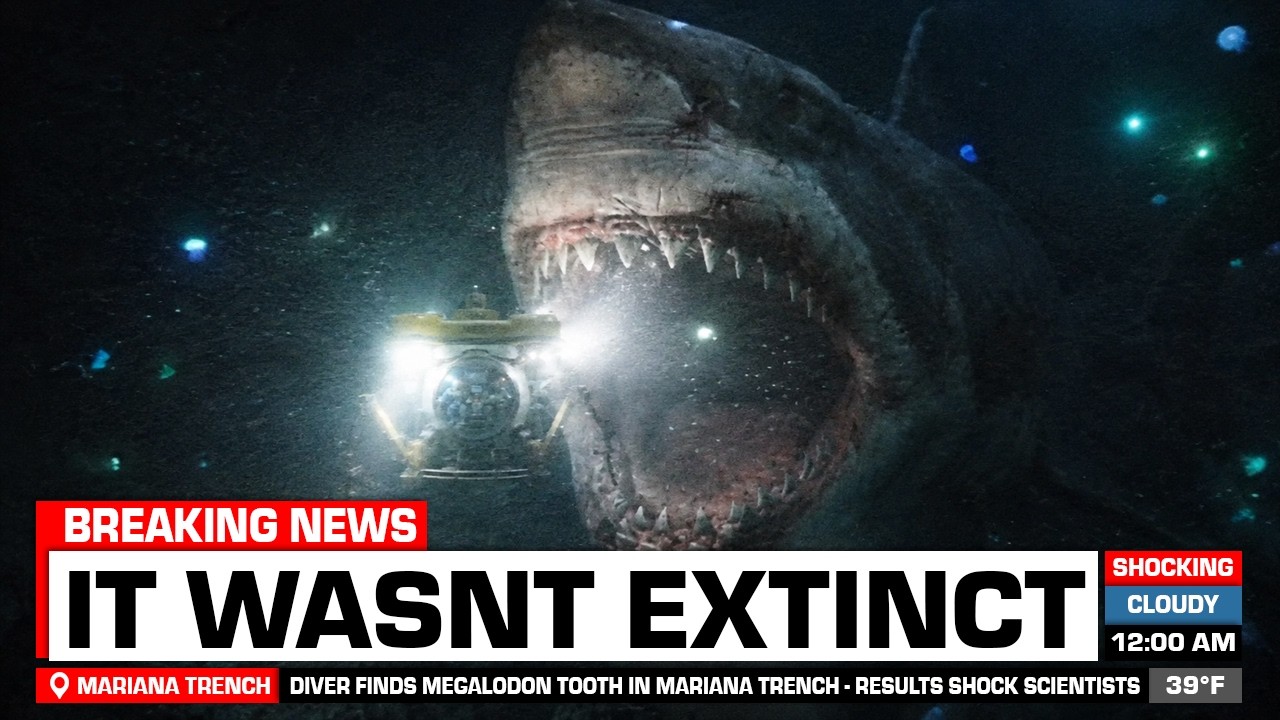
A divers’ crew filming in the Mariana Trench reportedly captured a Megalodon tooth at 36,000 feet, a depth where the prehistoric giant shouldn’t exist. The discovery echoes an 1875 oceanographic find, when the HMS Challenger dredged fossilized teeth from the Pacific floor.
In 1875, the research vessel HMS Challenger dredged two fossilized Megalodon teeth from the South Pacific seafloor near Tahiti. The teeth were recovered from a depth of about 4,360 meters at a location cataloged as Station 281. They were coated with manganese dioxide, a mineral crust that forms slowly on objects resting on the ocean floor.In 1959, Vladimir Chernesky, a zoologist at Queen Mary Coll…