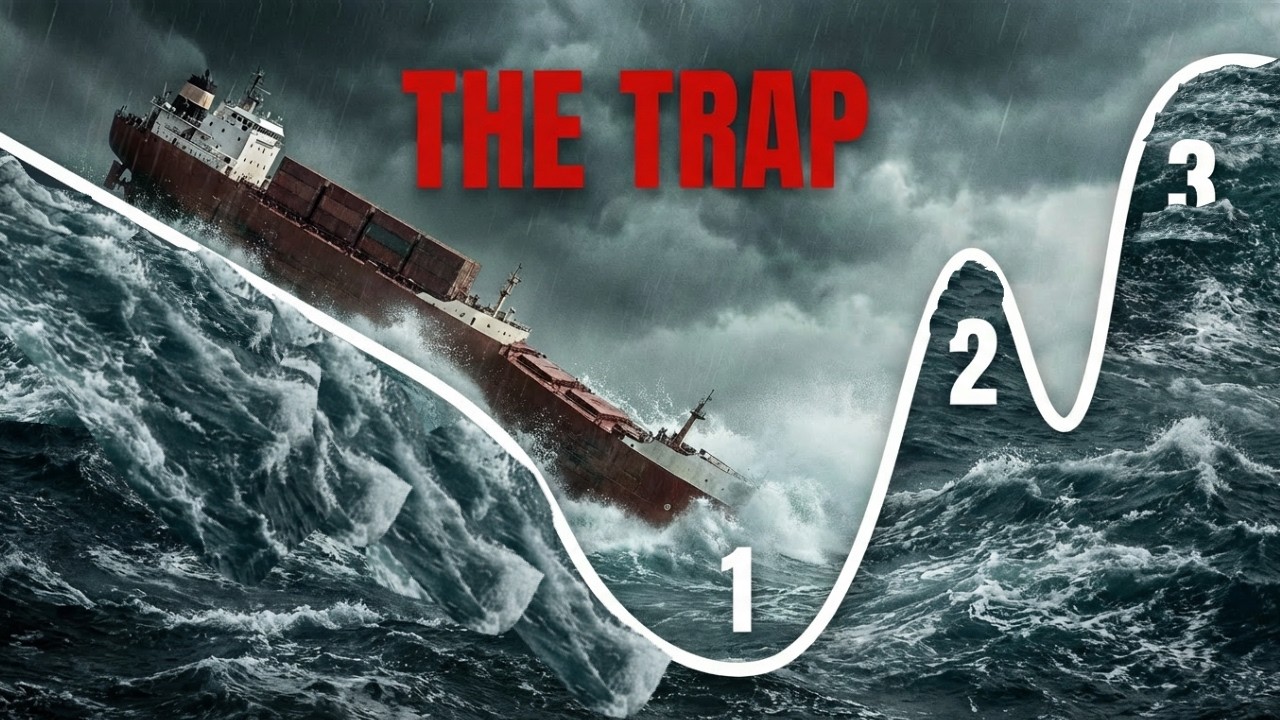
A phenomenon called the “Three Sisters” is terrifyingly real for ships, and it may have caused a famous sinking. These are not ghost ships, but rogue waves: three massive, consecutive waves that can strike a vessel in rapid succession.
The Great Lakes produce a distinctive wave pattern known to sailors as the three sisters. It consists of a set of three large waves arriving in rapid succession, each one larger than the last. The pattern is especially hazardous because the waves hit ships faster than the vessels can recover, which can cause catastrophic structural failure.The physics behind this hazard involve wave period, the ti…
Every summer, swimmers flock to Lake Michigan’s inviting shores, yet it quietly holds a deadly title. The lake’s notorious rip currents, which can pull even strong swimmers far from safety, have claimed more lives in recent years than any other Great Lake.
Lake Michigan spans 307 miles in length and 118 miles at its widest point, holding just over 1,000 cubic miles of water. Its average depth is 279 feet, with a maximum of 923 feet. This enormous inland sea generates its own weather systems, moves in complex underwater currents, and stays cold enough to preserve what sinks into it for decades.For thousands of years before European settlement, Indige…
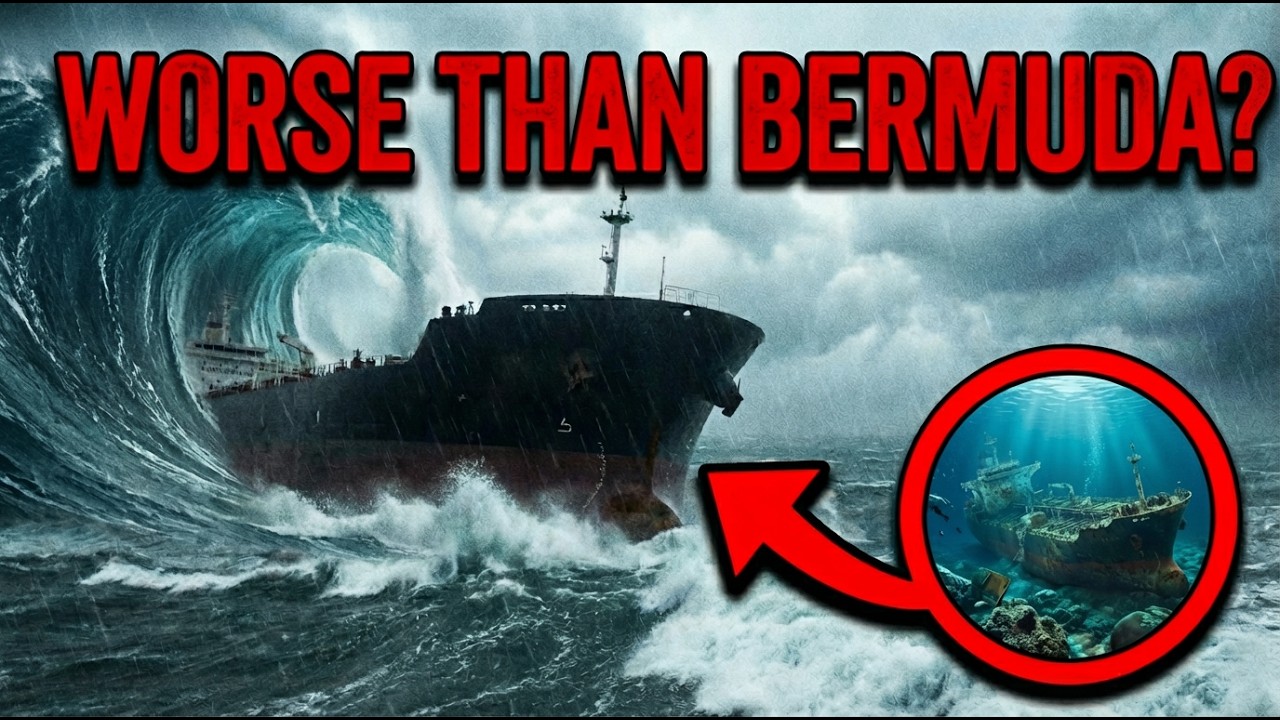
They call it the Bermuda Triangle, but the Great Lakes have quietly claimed more ships than the Atlantic’s infamous mystery zone. Over 6,000 vessels now rest beneath these freshwater depths, many lost without a trace.
The Great Lakes have a documented history of shipping losses that is more extensive than the Atlantic region commonly known as the Bermuda Triangle. Records compiled by the Great Lakes Shipwreck Museum estimate that roughly 6,000 vessels have sunk in the lakes, with some researchers suggesting the figure could reach 8,000. Historical accounts place the number of fatalities in these waters at appro…
The Great Lakes are hiding something nobody talks about. Decades of shipwrecks, lost aircraft, and even submerged secrets lie beneath their freezing waters.
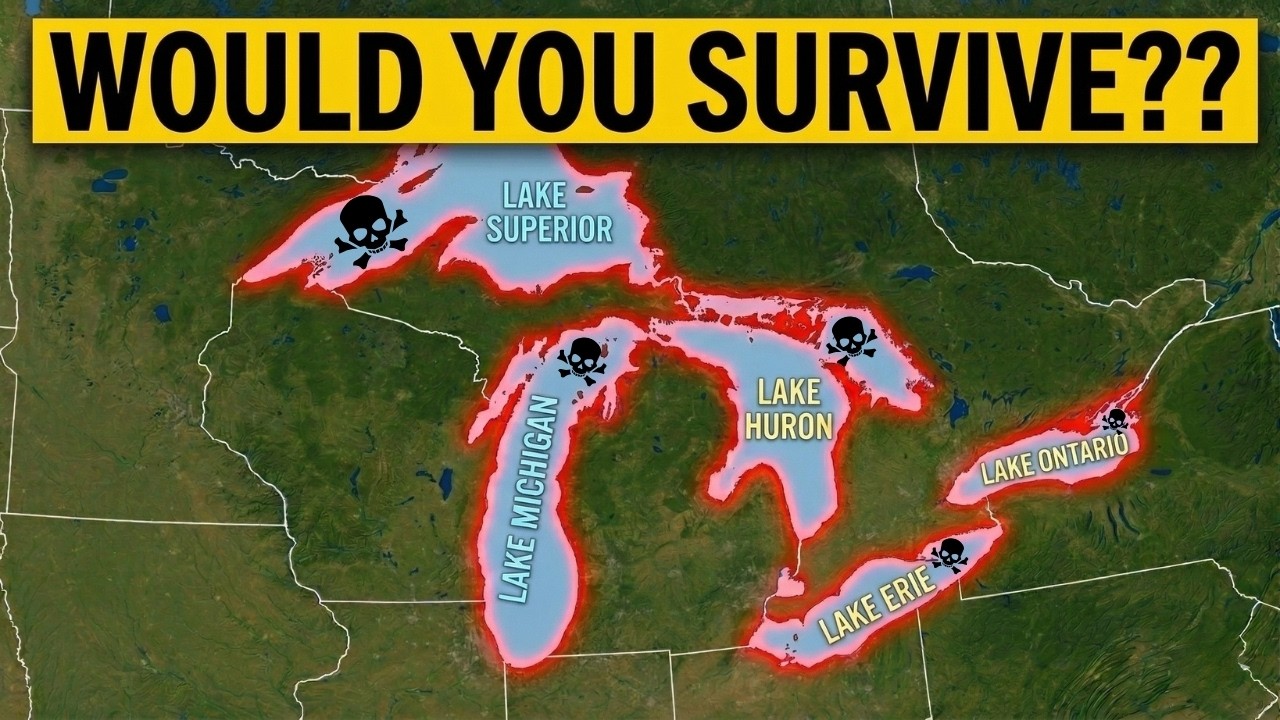
The Great Lakes system is the largest freshwater system on Earth, holding about 21 percent of the planet’s surface fresh water. The five lakes — Superior, Michigan, Huron, Erie, and Ontario — span a combined surface area of roughly 94,000 square miles and drain northeast through the St. Lawrence River into the Atlantic. Their combined shoreline, including islands, runs about 10,000 miles.Michigan…
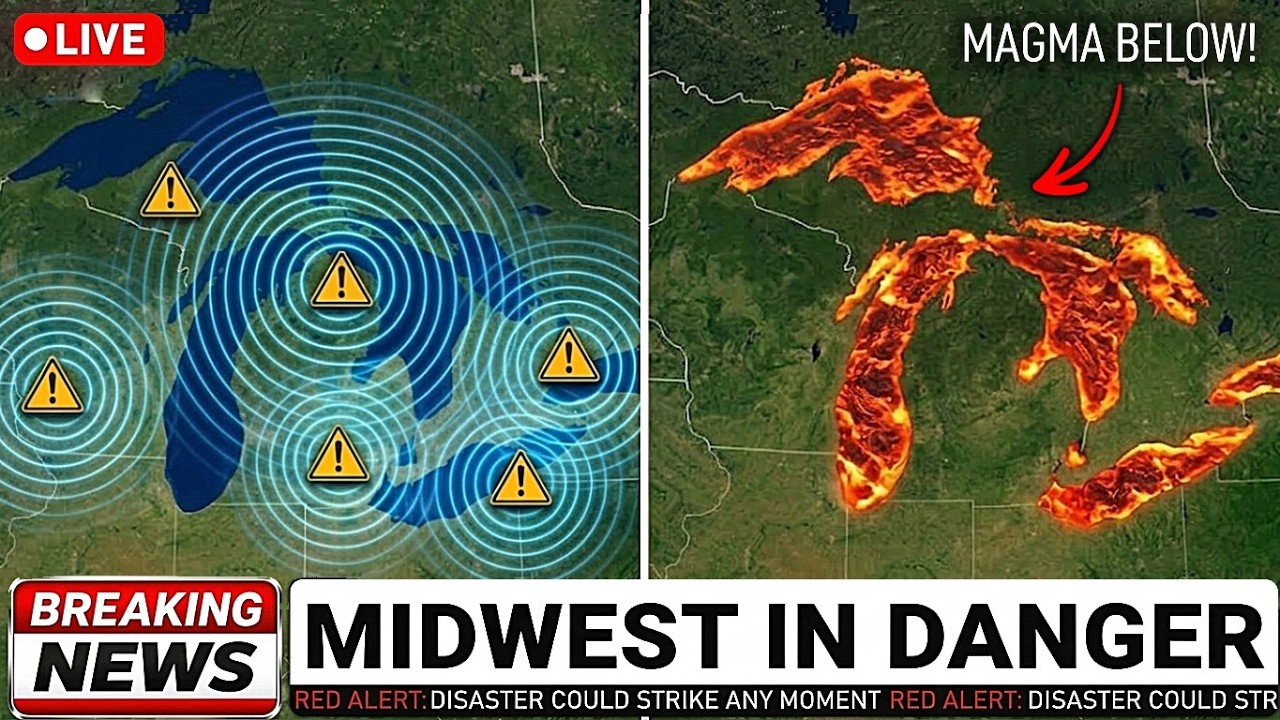
Beneath the Midwest, a massive anomaly is pulling the Great Lakes downward, and scientists have detected magma deep below the surface. The region is literally sinking, with the crust warping in ways never fully mapped.
Researchers have found several ancient stone structures beneath the Great Lakes, including a formation in Lake Michigan that resembles Stonehenge. The site, located about 40 feet below the surface, consists of two concentric circles of stones. It is estimated to be over 9,000 years old, which would make it considerably older than the well-known monument in England.One of the stones bears a carving…
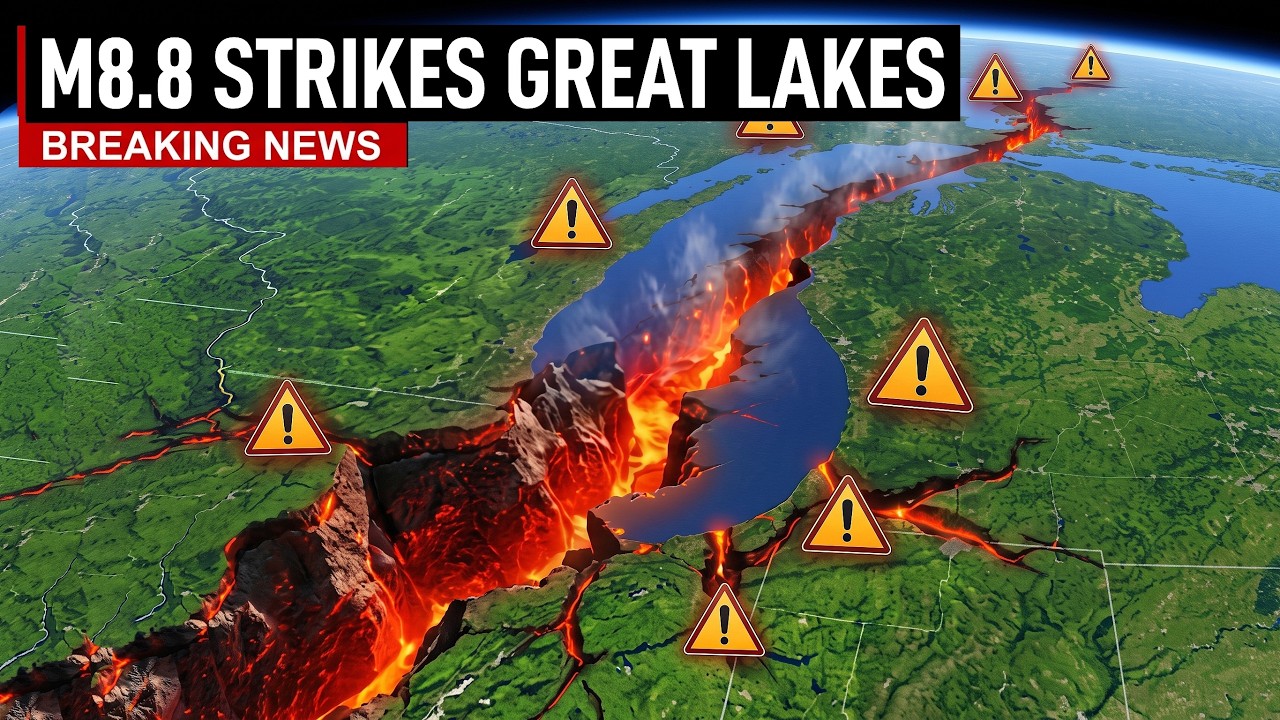
Explorers mapping Lake Michigan’s floor found dozens of massive, near-perfect circular holes at 500 feet deep, some over 600 feet wide. Sonar scans in 2022 revealed roughly 40 depressions arranged in eerie, footprint-like patterns no one has documented in the Great Lakes.
Explorers mapping the bottom of Lake Michigan have identified dozens of large circular depressions in the lakebed. The discovery was made using sonar equipment, and researchers are still determining what created the formations.In 2022, a team of researchers was using sonar to map the lake floor and search for shipwrecks. They expected to see standard rock formations and sand deposits. Instead, the…
Scientists still call Lake Erie the most dangerous of the Great Lakes, and new data explains why they refuse to relax. The lake’s shallow western basin warms faster than any of its counterparts, turning it into a perfect reactor for toxic algae blooms.
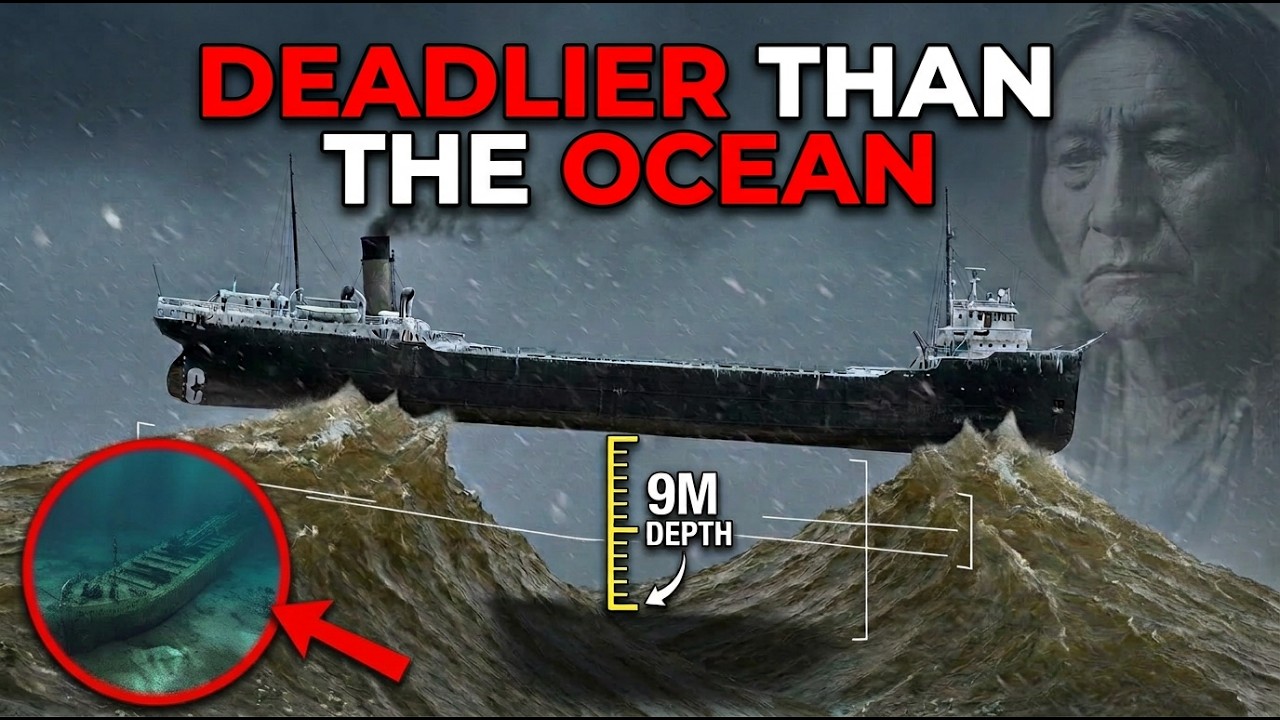
Lake Erie is the shallowest of the Great Lakes, and that single fact shapes nearly everything about how it behaves. Its western basin averages about 24 feet deep, while the open Atlantic averages more than 3,000 meters. When storm waves cannot extend downward, they rise upward, becoming steeper and closer together. For a long ship, this can mean resting on two wave crests with its middle unsupport…
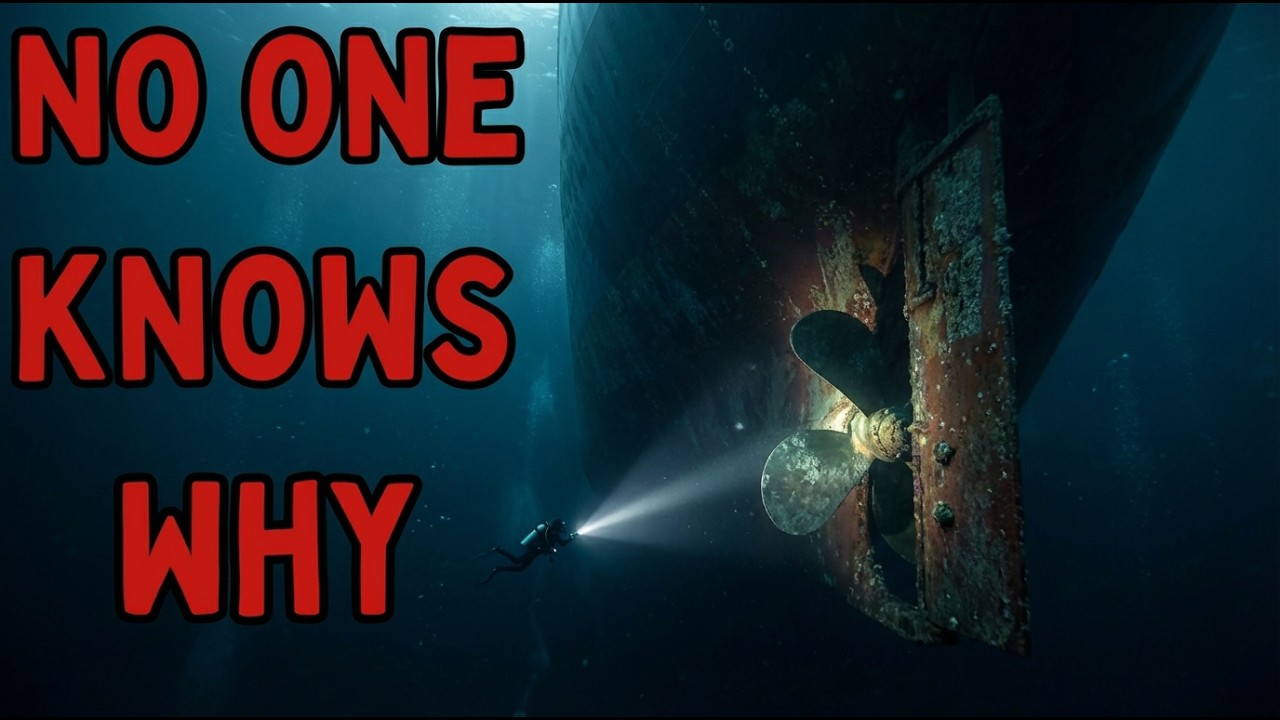
More than 6,000 ships lie beneath the Great Lakes, their wrecks frozen in eerie, cold freshwater silence. But among them, one mystery refuses to settle.
Five shipwrecks in the Great Lakes continue to present unresolved questions for historians, engineers, and physicists. Estimates from the National Oceanic and Atmospheric Administration and maritime heritage researchers suggest that between 6,000 and 10,000 ships have been lost in the five lakes. Because the freshwater at the bottom is near freezing and low in oxygen, many of these wrecks have not…