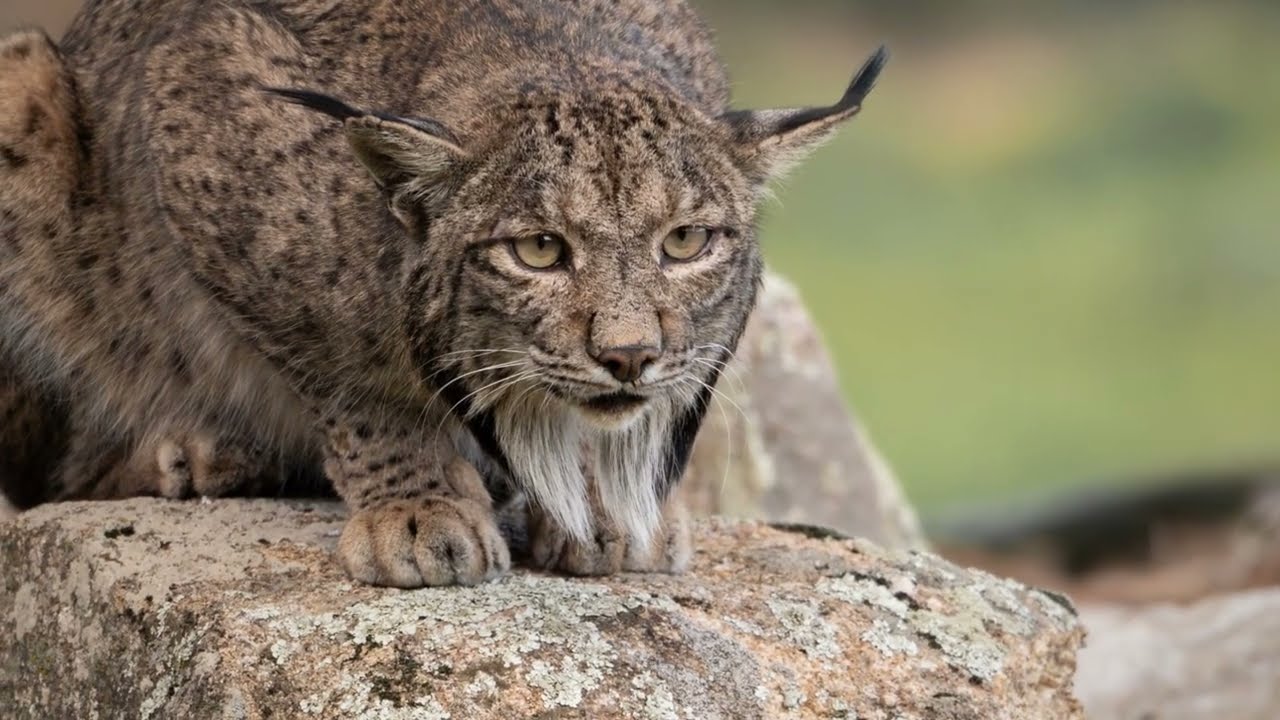
Spain released its final 62 lynx into the wild, hoping to rescue a species once on the brink of extinction. The animals vanished from the country decades ago, and these releases marked the last chance to rebuild a wild population from nothing.
By the early 2000s, the scrublands of southern Spain had lost a critical part of their ecological structure. Two viral outbreaks, spread largely through human activity, had nearly eliminated the European rabbit from the Iberian Peninsula. That loss had severe consequences for the region’s wildlife, particularly for the Iberian lynx, a predator that depends almost entirely on rabbits for food.The I…
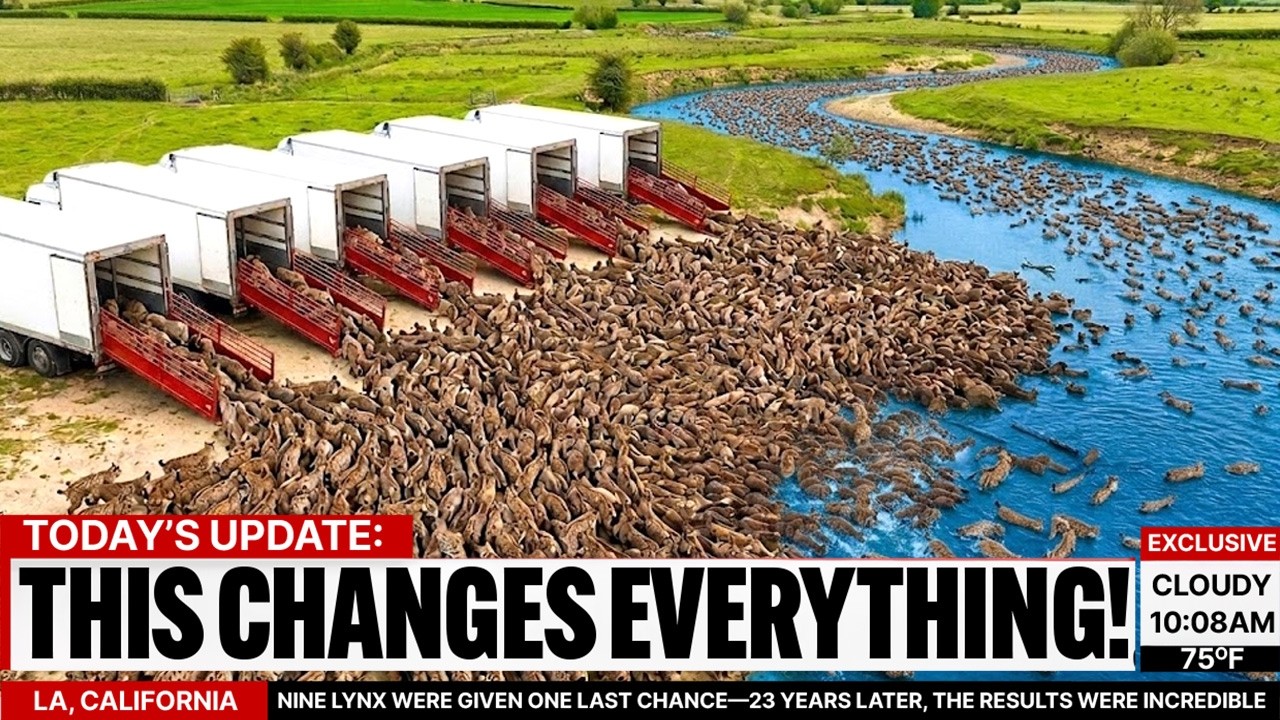
Nine lynx got one last chance at survival—23 years later, the results stunned everyone. In 2007, the species stood on the brink in the Pyrenees, with barely enough animals left to continue.
In 2009, nine Iberian lynx were released from their transport boxes at dawn in a scrubland valley in Spain’s Córdoba province. The animals were bred in captivity, and the release site had not seen the species in decades. Roughly half of similar captive-bred animals died within their first year in the wild, and with fewer than 100 lynx remaining, mistakes were costly. Spain had already invested mor…
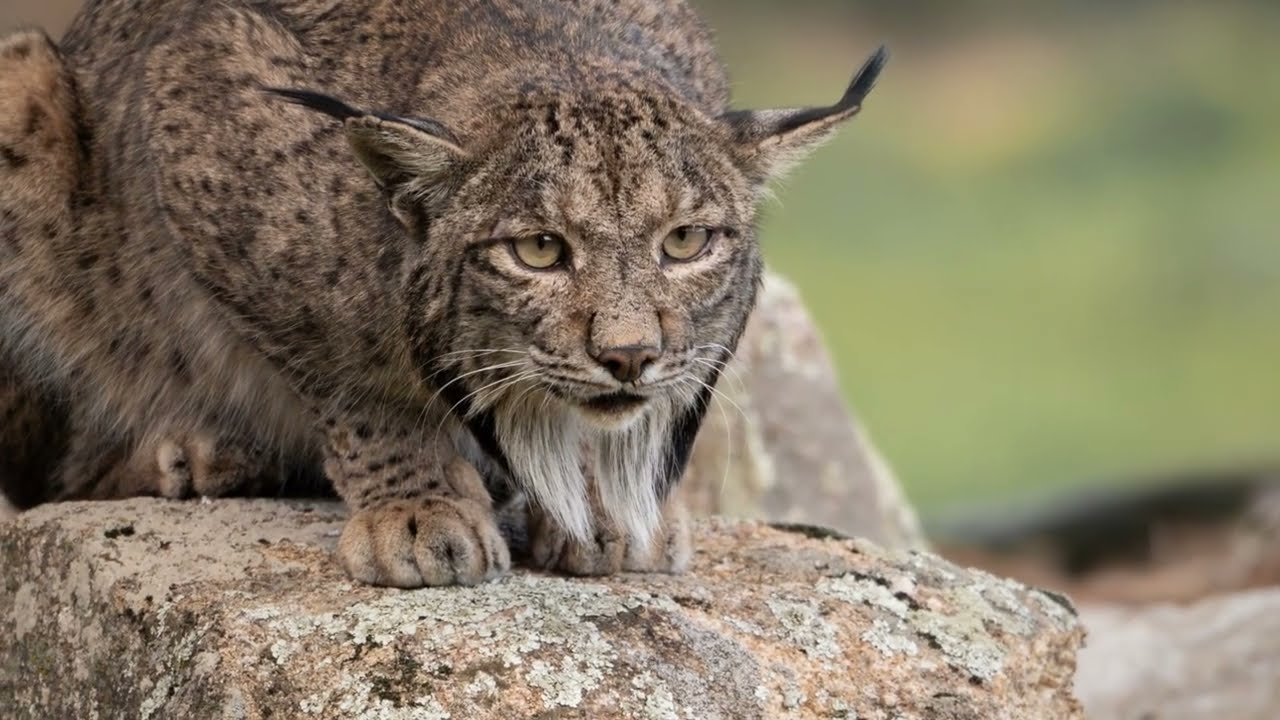
Spain just returned its final 62 captive-bred lynx to the wild, aiming to rescue a species once pushed to the brink. Conservationists hoped these carefully raised cats would finally establish themselves in territories where they had vanished entirely.
The Iberian lynx came close to disappearing entirely between the late 1980s and the early 2000s. Two disease outbreaks had devastated its primary food source, the European rabbit, across most of the Iberian Peninsula. By 2001, the lynx population had fallen to 62 mature adults, with 25 breeding females, confined to two isolated areas in southern Spain.For more than a million years, the lynx had se…
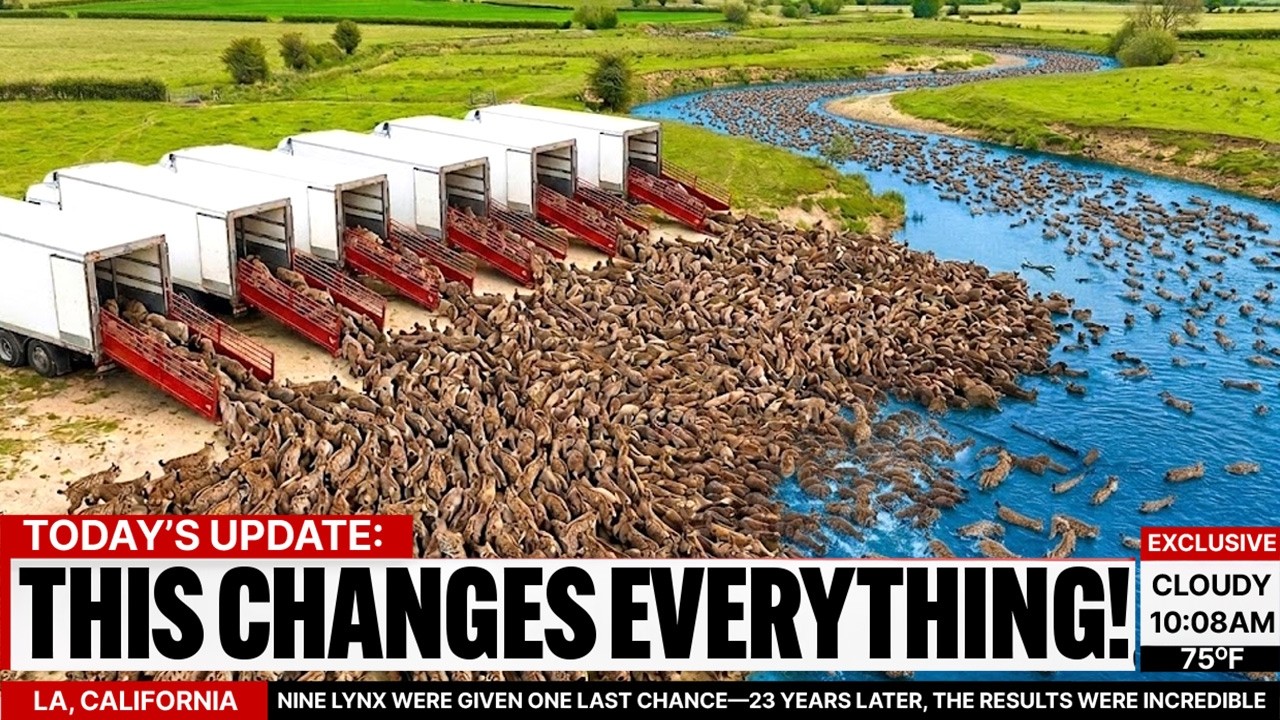
Nine lynx were released into a Spanish valley as a last-chance experiment—and within months, something strange appeared in the camera footage. The foxes were vanishing.
In 2009, nine Iberian lynx were released into a shrubland valley in Spain’s Córdoba province. The animals had been bred in captivity, and roughly half of similar releases had ended in death within a year. With fewer than 100 lynx left in the wild, the margin for error was minimal. Spain had already invested more than 70 million euros in recovery efforts, and the population remained in the hundreds…
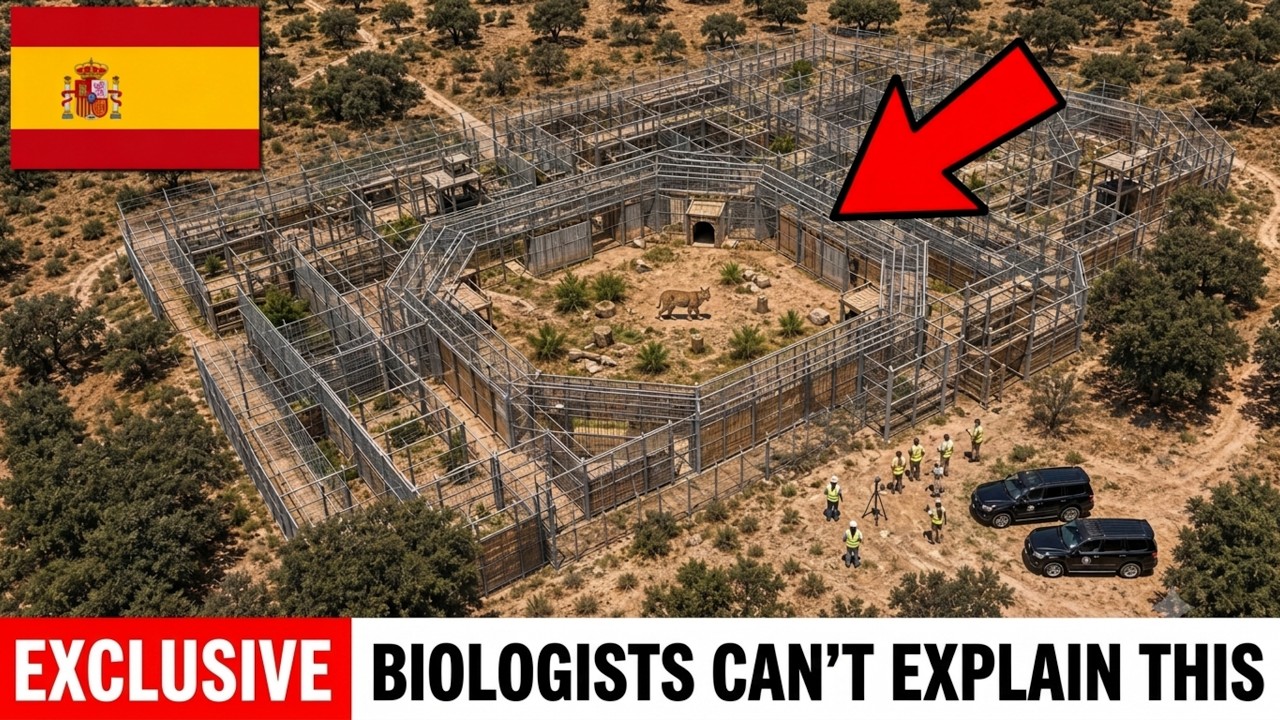
In 2002, scientists counted just 94 Iberian lynx left on Earth, a species once spread across the peninsula now trapped in two isolated pockets. Protected since 1969, the Doñana population still vanished, and researchers finally found why: the lynx’s food supply had collapsed decades earlier.
In 2002, a wildlife biologist in Andalusia counted 94 Iberian lynx left in the wild. The species, once widespread across the Iberian Peninsula, had been reduced to two isolated populations in southern Spain, one in Doñana National Park and one in the Sierra Morena mountains. Doñana had been under legal protection since 1969, but the lynx population there was still declining.The reserve was protect…