
Scientists reopened an underwater cave sealed for 40,000 years and immediately knew something was off. The ancient chamber, hidden beneath the depths, had remained untouched since the Ice Age.
In 2007, cave divers mapping underwater tunnels near Tulum, Mexico, found a large submerged chamber they named Hoyo Negro. The room, about 100 feet deep, contained scattered animal bones and a nearly complete human skeleton. The discovery led to years of research by the Mexican National Institute of Anthropology and History (INAH) and a team of international scientists.The human remains belonged t…
An ancient blue hole off Mexico’s Yucatán Peninsula, sealed for thousands of years since the last ice age, is now giving up its secrets—but scientists are more puzzled than ever. The underwater cave, known as Taam Ja’, once held water isolated from the outside world, creating a pristine time capsule of prehistoric life.
Divers exploring the submerged cave systems of Mexico’s Yucatán Peninsula have recovered at least 11 prehistoric human skeletons over the past three decades, along with a large deposit of Ice Age animal bones. The discoveries have reshaped scientific understanding of when humans first reached the Americas, though several key questions remain unresolved.The Yucatán Peninsula sits on a vast slab of…
Archaeologists in Wisconsin unearthed something that doesn’t match the accepted Ice Age timeline. The discovery, pulled from layers of sediment that should remain untouched for another ten thousand years, has scientists questioning everything they assumed about when humans first arrived in North America.
In 1964, a contractor cutting a drainage ditch through a marshy field in Kenosha County, Wisconsin, struck a large bone buried in the mud. The bone was a mammoth femur, and the farmer who owned the land, Frank Schaefer, allowed a local amateur archaeologist to document the site before donating the remains to the Kenosha Public Museum. For more than two decades, the bones sat in storage as an unrem…
Twelve thousand eight hundred years ago, something slammed Earth’s climate to a halt, yet almost no one agrees on what caused it. Ice sheets that had been melting suddenly re-froze, plunging the planet back into near-glacial conditions for over a millennium.
About 12,800 years ago, near the end of the last ice age, a sudden cooling event interrupted a period of global warming. The temperature in Greenland fell by roughly 10 degrees Celsius, and cold conditions lasted for about 1,200 years before warming resumed. This period is known as the Younger Dryas, named after an Arctic wildflower whose pollen appears in lake sediments at the time of the cooling…
Deep beneath a remote mountainside, explorers breached a cave entrance that had remained sealed for 35,000 years, and the first thing they found defied every expectation. The ancient stone chamber was perfectly preserved, untouched by human hands since the last Ice Age.
In December 1994, three French cave explorers followed a faint current of air through a narrow opening in a limestone cliff above the Ardèche River in southern France. The gap, nicknamed “Papa’s Hole” after a colleague who had noticed it months earlier, had been considered too small and uninviting for most explorers to bother crossing.Jean-Marie Chauvet, Éliette Brunel, and Christian Hillaire deci…
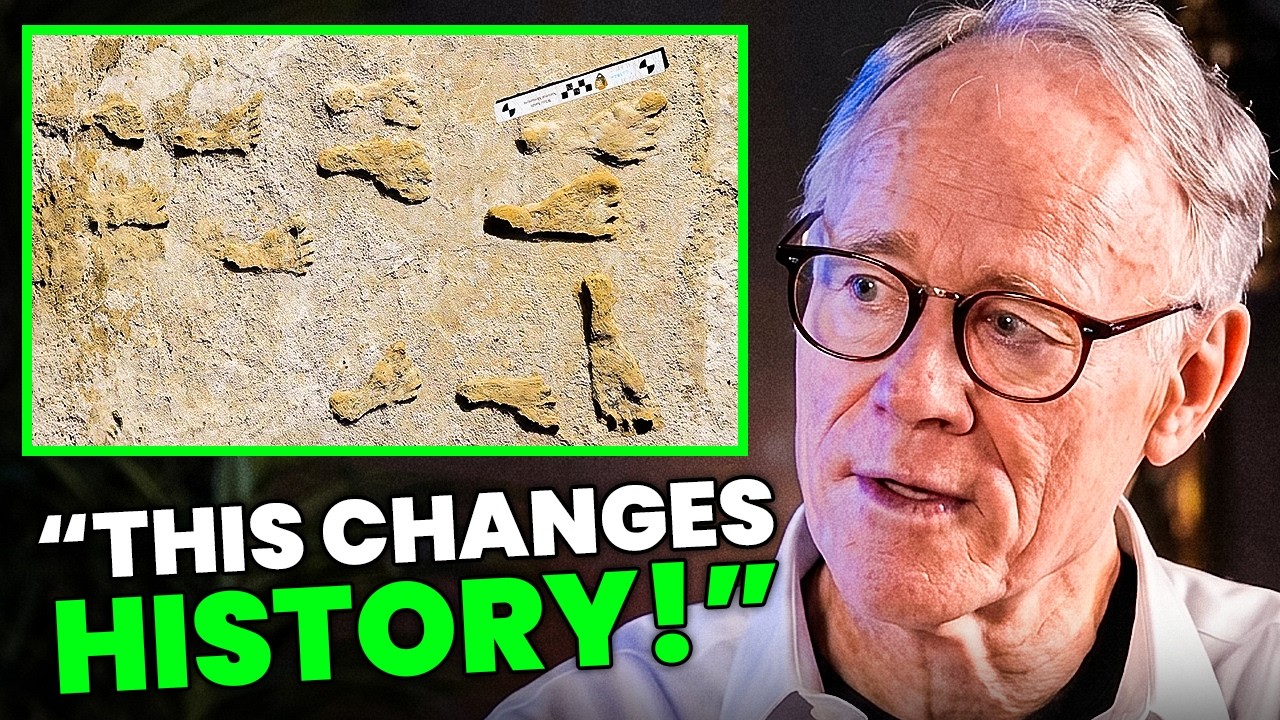
23,000-year-old footprints in New Mexico were just confirmed as genuine—and experts say the discovery rewrites human history. The fossilized prints, preserved in ancient mud along an old lakeshore, were initially met with deep skepticism when first revealed, with critics questioning their dating methods and suggesting they were far younger.
In 2009, David Bustos, the resources manager at White Sands National Park in southern New Mexico, noticed human footprints preserved in the mud of an ancient dry lake bed. The impressions showed clear anatomical details: heels, arches, and toes. The discovery set in motion a scientific investigation that would eventually challenge long-held assumptions about when humans first arrived in the Americ…
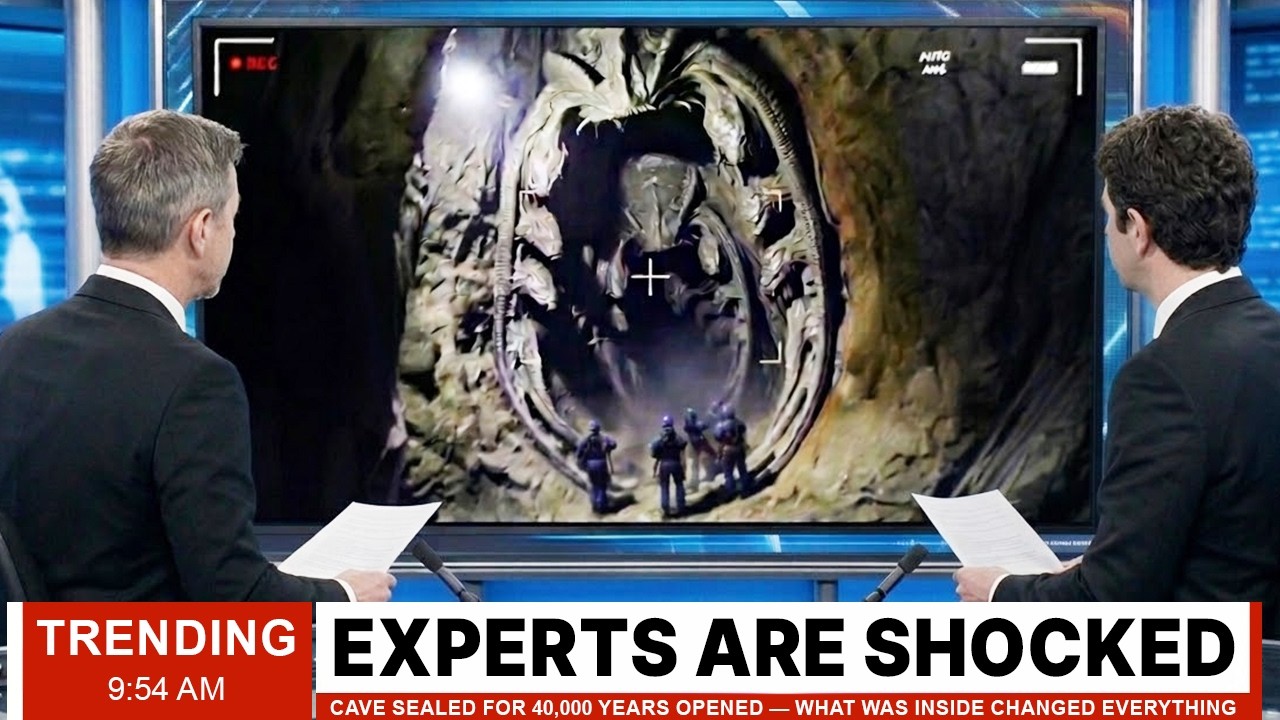
A 40,000-year-old cave sealed for millennia finally yielded to excavation, and what researchers found inside has rewritten history. The team broke through the ancient barrier expecting sediment and fossils, but instead uncovered startling evidence of early human activity that defied every prior assumption.
Archaeologists working in the Vanguard Cave complex in Gibraltar have discovered a sealed chamber that remained untouched for over 40,000 years. The room, located about 13 meters deep within the cave system, was closed off by a massive sand dune that collapsed during the last ice age, preserving everything inside exactly as it was.The discovery took place in 2021 when a team led by Professor Clive…
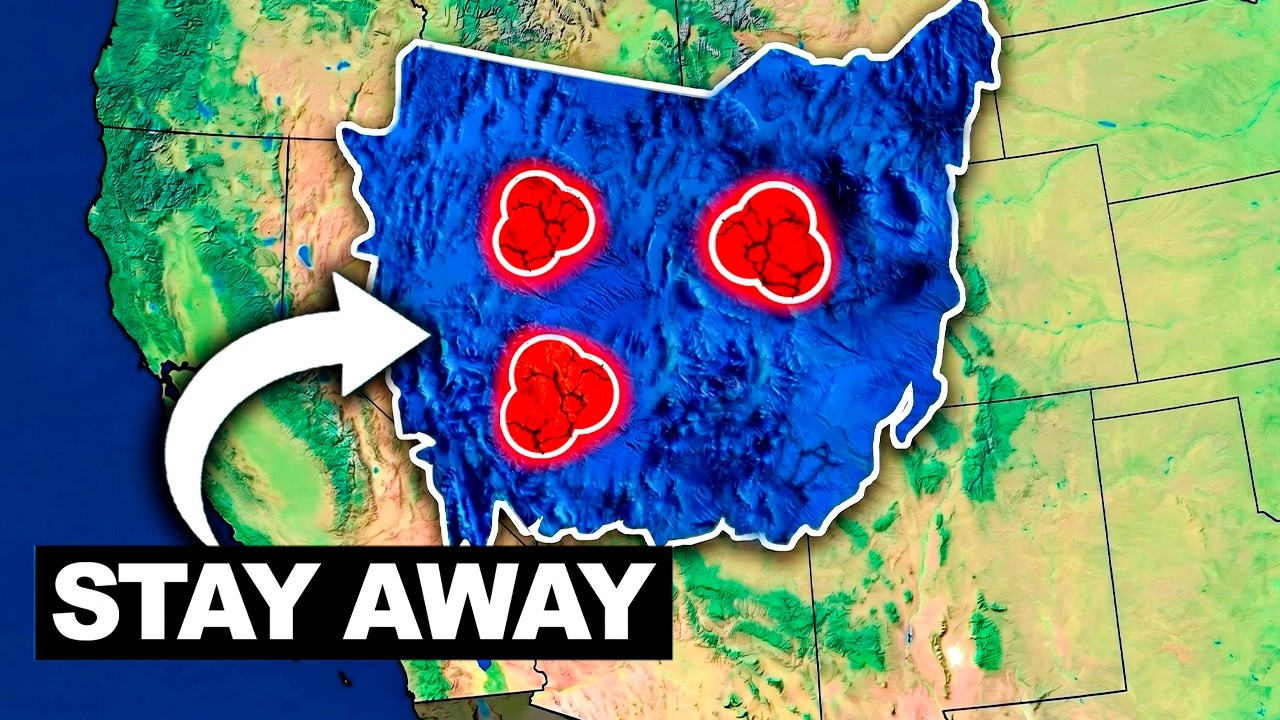
The Great Basin holds a secret nobody talks about—an ancient human mummy found in a Nevada cave, dated to about 10,600 years old, predating Egypt’s oldest known mummy by over five millennia. Wrapped in a rabbit-skin blanket, the remains sparked a modern fight.
The Great Basin is the largest desert in the United States, covering roughly 200,000 square miles across Nevada, western Utah, eastern California, southeastern Oregon, and southern Idaho. It is larger than California and comparable in size to France, yet it holds very few residents. The region is defined by a simple geographic rule: no river or stream within it ever reaches the ocean. Rainwater ei…