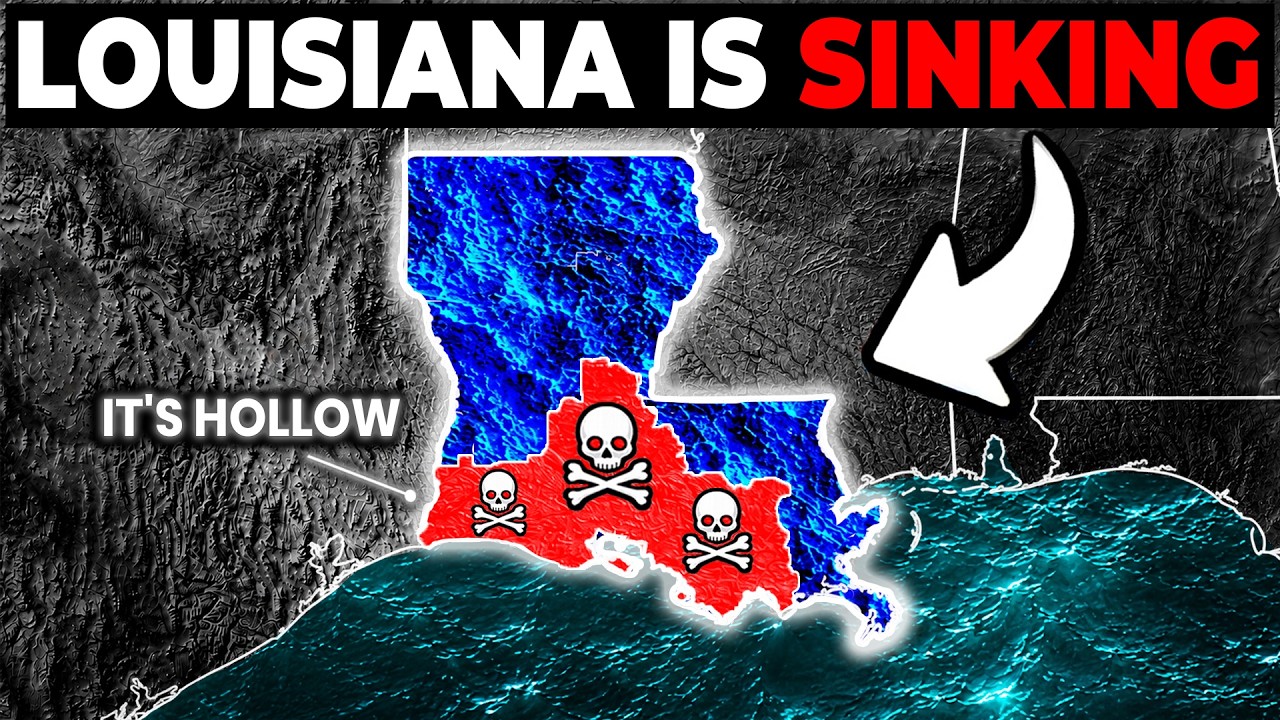
Deep in the Louisiana bayou, generations of locals have whispered about what lurks beneath the murky water, a secret tied to the swampland’s very name. Over the decades, fishermen and guides have reported strange lights, odd sounds, and bodies that never surface.
Louisiana’s coastal region, commonly known as the bayou, presents a landscape of swamps, marshes, and slow-moving water. Beneath this familiar scenery, however, are a series of lesser-known stories involving engineering projects, ecological changes, and historical events that have shaped the area.A sinkhole opened near Bayou Corne in Assumption Parish in August 2012, swallowing about two acres of…
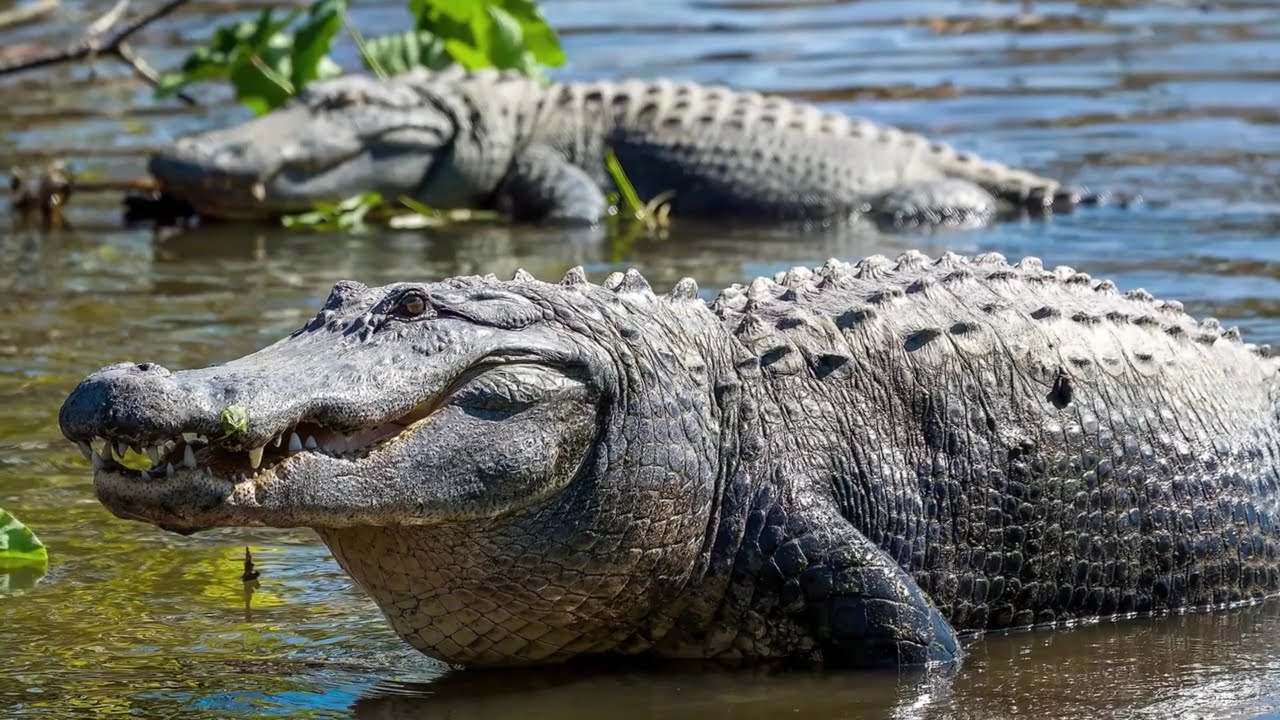
Louisiana was losing a football field of marshland every hour, and the unlikely fix involved the American alligator, a predator once hunted to near extinction. The real culprit was nutria, invasive rodents that devoured the dense root mats holding wetland soil together, turning vegetated marsh into open water.
Louisiana’s coastal wetlands were eroding rapidly, and an invasive rodent species was making the damage significantly worse. By the mid-20th century, the state was losing a football field of marshland every hour, in part because nutria, large semi-aquatic rodents imported from South America, were destroying the root systems that held the soil together. The solution that eventually stabilized the c…