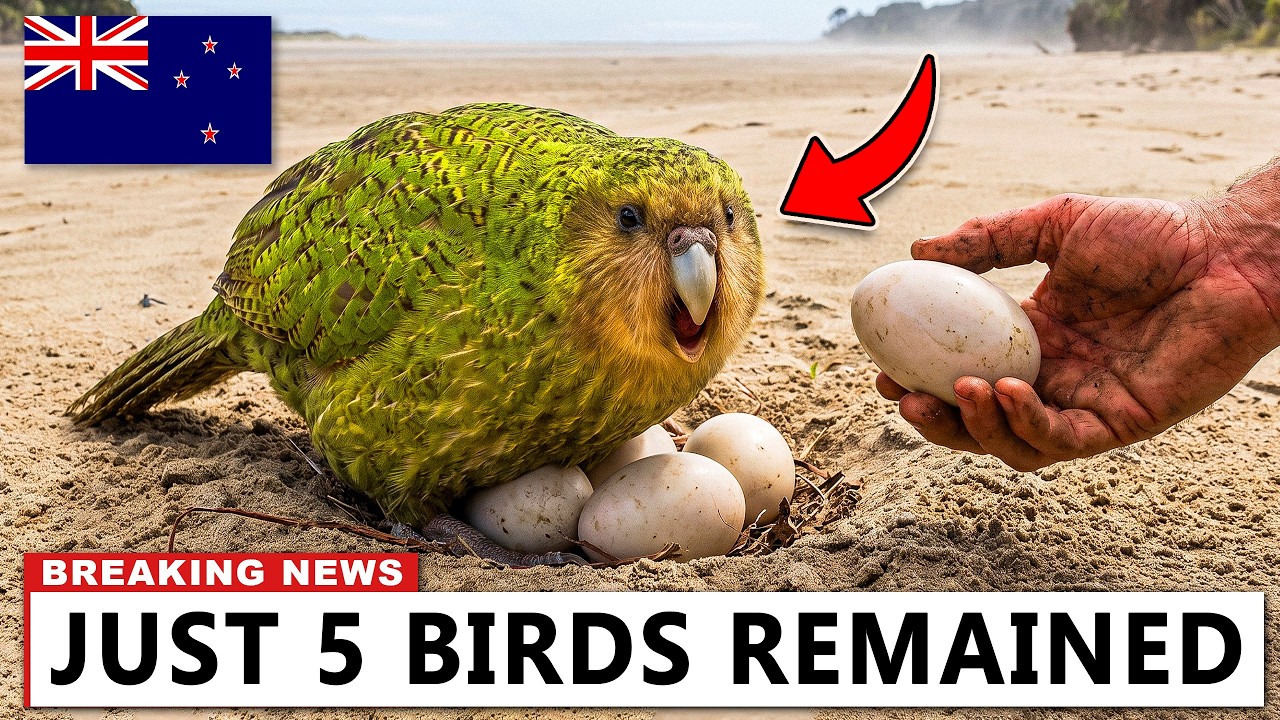
In 1980, five black robins remained on Earth. One female held two eggs, and the species’ survival depended on them. Don Merton, a New Zealand Wildlife Service officer, took those eggs. He had spent
In 1980, five black robins remained on Earth. One female held two eggs, and the species’ survival depended on them. Don Merton, a New Zealand Wildlife Service officer, took those eggs. He had spent sixteen years trying to save the birds. He could only hope the decision did not seal their fate.New Zealand evolved in isolation for millions of years without ground predators. Many native birds nested…
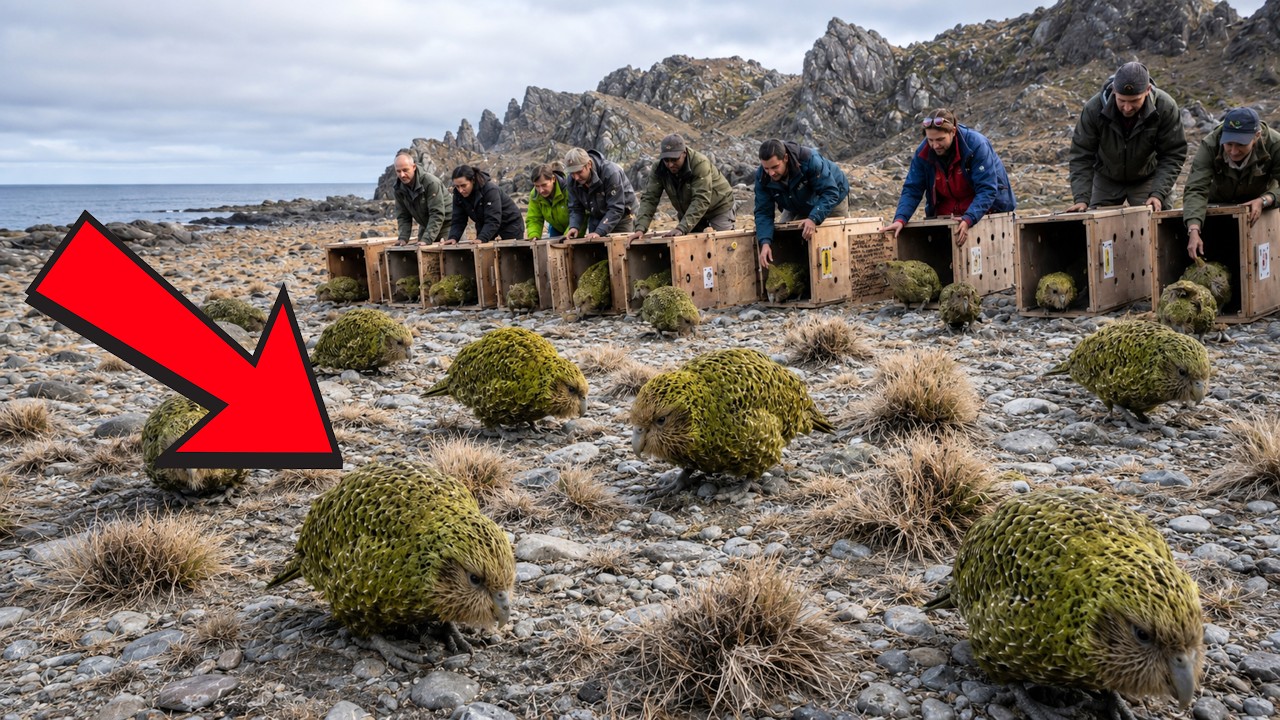
In 1995, the entire population of kakapo, a flightless, moss-green parrot native to New Zealand, numbered just 51 birds. The species was on the brink of extinction. In a final effort to save it,
In 1995, the entire population of kakapo, a flightless, moss-green parrot native to New Zealand, numbered just 51 birds. The species was on the brink of extinction. In a final effort to save it, conservation authorities gathered the remaining survivors and moved them to remote, predator-free islands. The relocation was a desperate measure, and its long-term success was uncertain.The kakapo is an u…
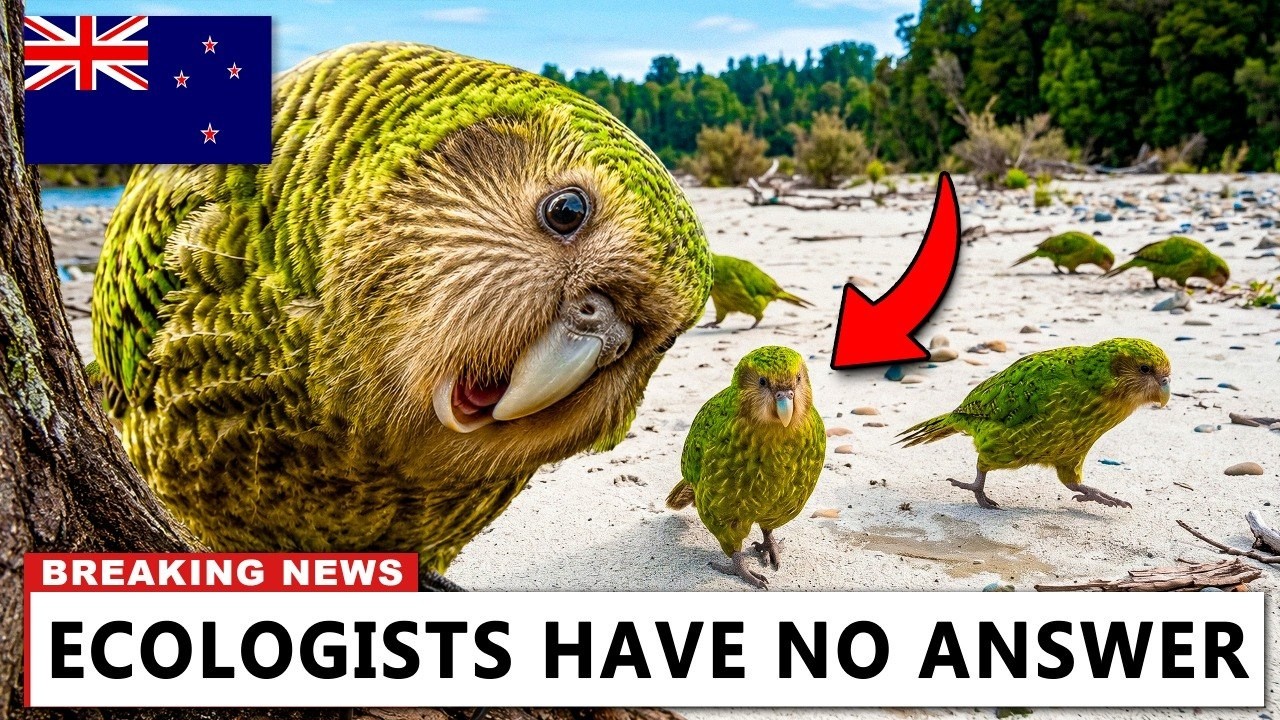
Eighteen birds left on Earth, and New Zealand thought they understood them—then something impossible followed. These rarest of flightless creatures had survived isolation for centuries, yet researchers tracking their final wild population noticed behavior no science could explain.
In 1974, ornithologist Don Merton received approval for one final expedition into the mountains of Fiordland, New Zealand. His official task was to confirm that the kakapo, a large flightless parrot, had gone extinct. In the previous 25 years, the Wildlife Service had run 61 expeditions into the region and found only six birds, five of which had died.Instead of evidence of extinction, Merton found…
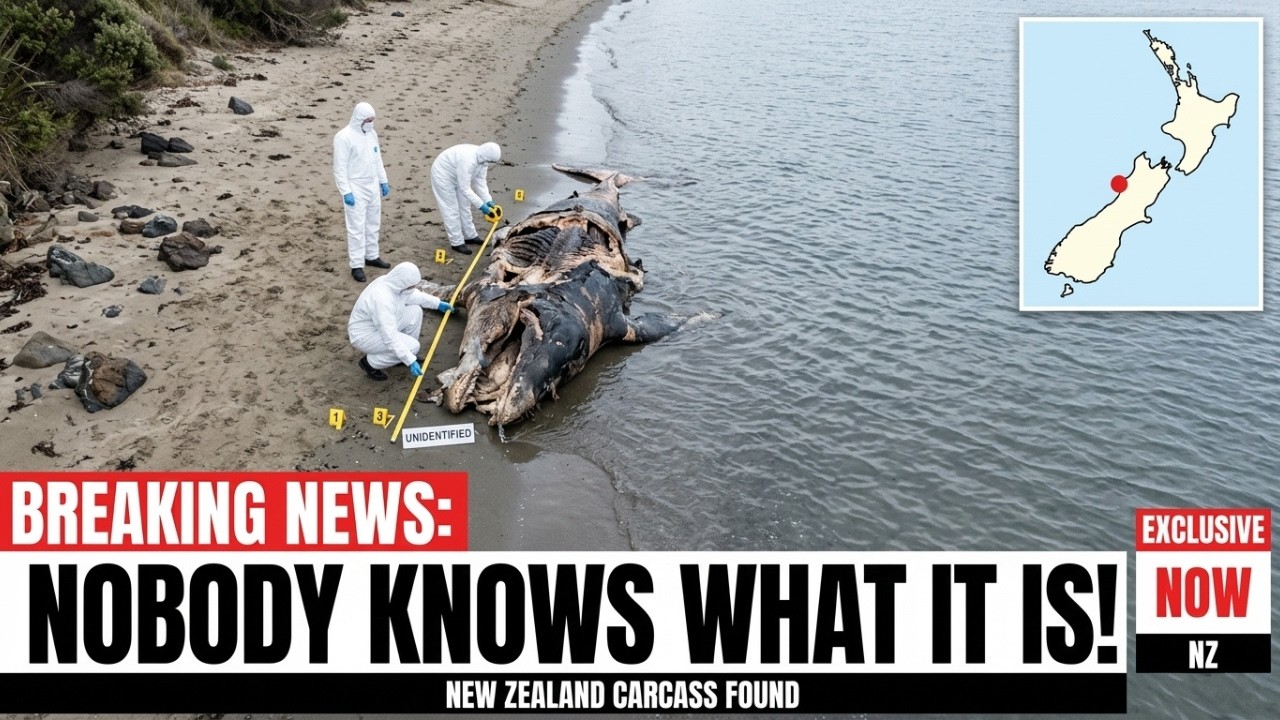
A colossal, unidentified creature has washed ashore on a New Zealand beach, and experts can’t identify the species. The massive carcass has drawn immediate attention from locals and marine specialists, who are baffled by its unusual features and enormous size.
An early-morning discovery on a remote New Zealand beach in 2020 presented local authorities and marine biologists with an unusual challenge. A person walking their dog along the coastline found a large, unidentifiable mass of flesh. Initially, the size of the carcass suggested it might be a whale, but its shape, color, and texture did not match any familiar marine mammal. The remains were estimat…