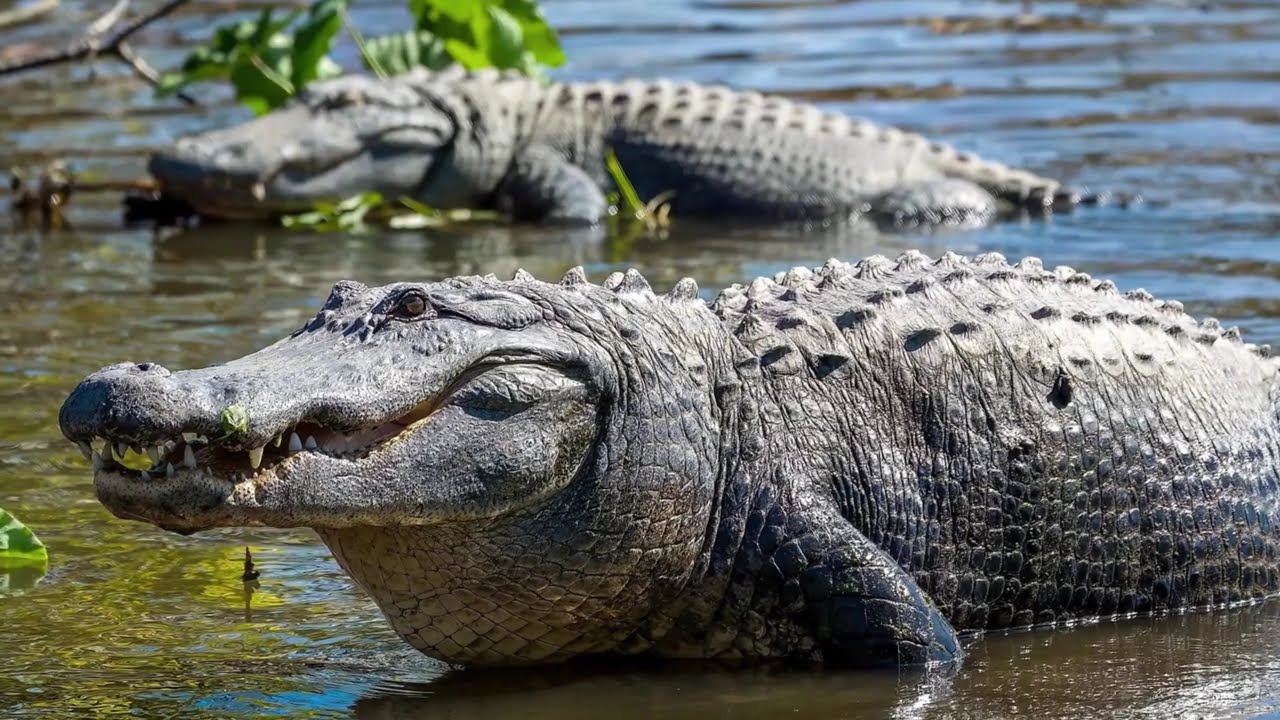
Louisiana releases licensed hunters into its swamps to trap massive alligators, but the mission isn’t trophy hunting—it’s biological warfare against an invading rodent. The state’s alligator harvest program targets nutria, a destructive South American species that has chewed through coastal marshlands, turning protective wetlands into open water.
In the 1930s, Louisiana’s coastal marshlands began a slow collapse. The cause was traced to a semi-aquatic rodent imported from South America, which multiplied rapidly and fed on the root systems that held the wetlands together. Over time, the state lost significant portions of its coastline to erosion. The eventual solution involved a species that had been hunted nearly to extinction: the America…
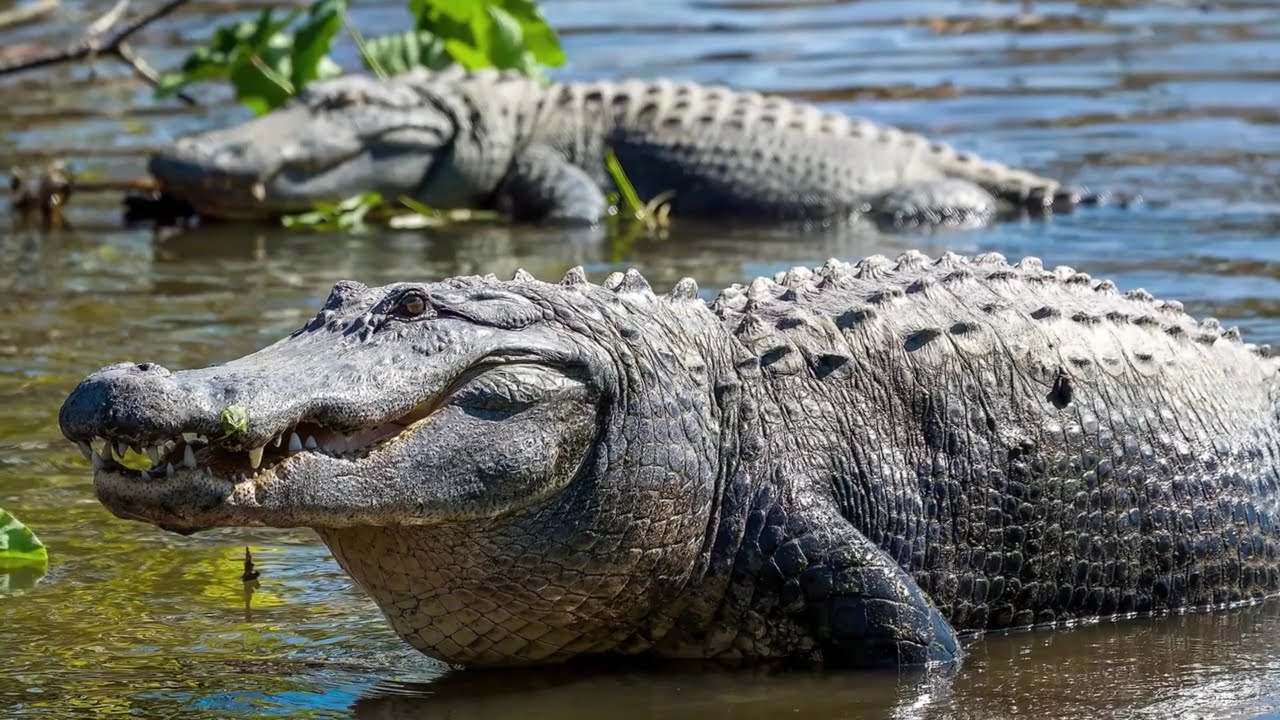
Louisiana was losing a football field of marshland every hour, and the unlikely fix involved the American alligator, a predator once hunted to near extinction. The real culprit was nutria, invasive rodents that devoured the dense root mats holding wetland soil together, turning vegetated marsh into open water.
Louisiana’s coastal wetlands were eroding rapidly, and an invasive rodent species was making the damage significantly worse. By the mid-20th century, the state was losing a football field of marshland every hour, in part because nutria, large semi-aquatic rodents imported from South America, were destroying the root systems that held the soil together. The solution that eventually stabilized the c…