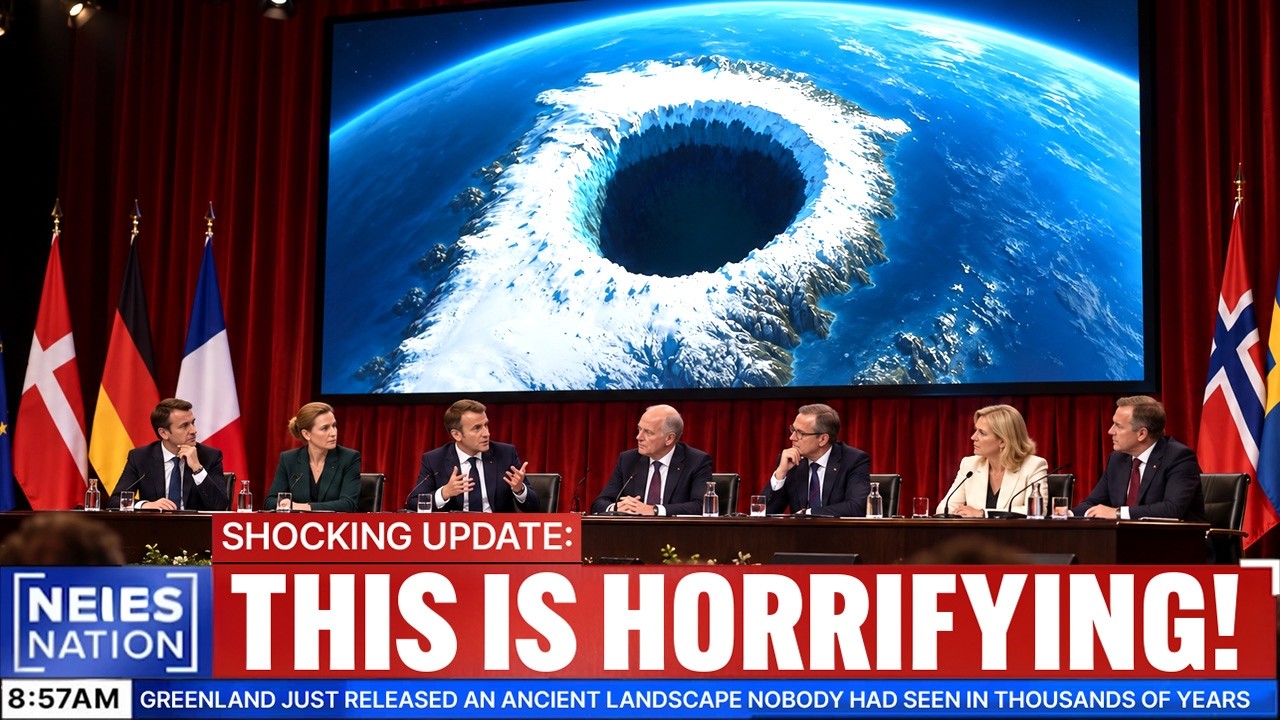
Greenland’s ancient landscape just emerged from beneath the ice—frozen in time for thousands of years. What scientists uncovered beneath the melting sheet wasn’t just rock, but a startling, well-preserved world that challenges everything experts thought about the island’s history.
Researchers studying ice cores from central Greenland have identified fossilized plant and insect material buried beneath roughly three kilometers of ice, evidence that the island’s interior was ice-free at least once within the past 1.1 million years. The discovery, published in 2024 in the Proceedings of the National Academy of Sciences, suggests that the Greenland ice sheet has been less stable…
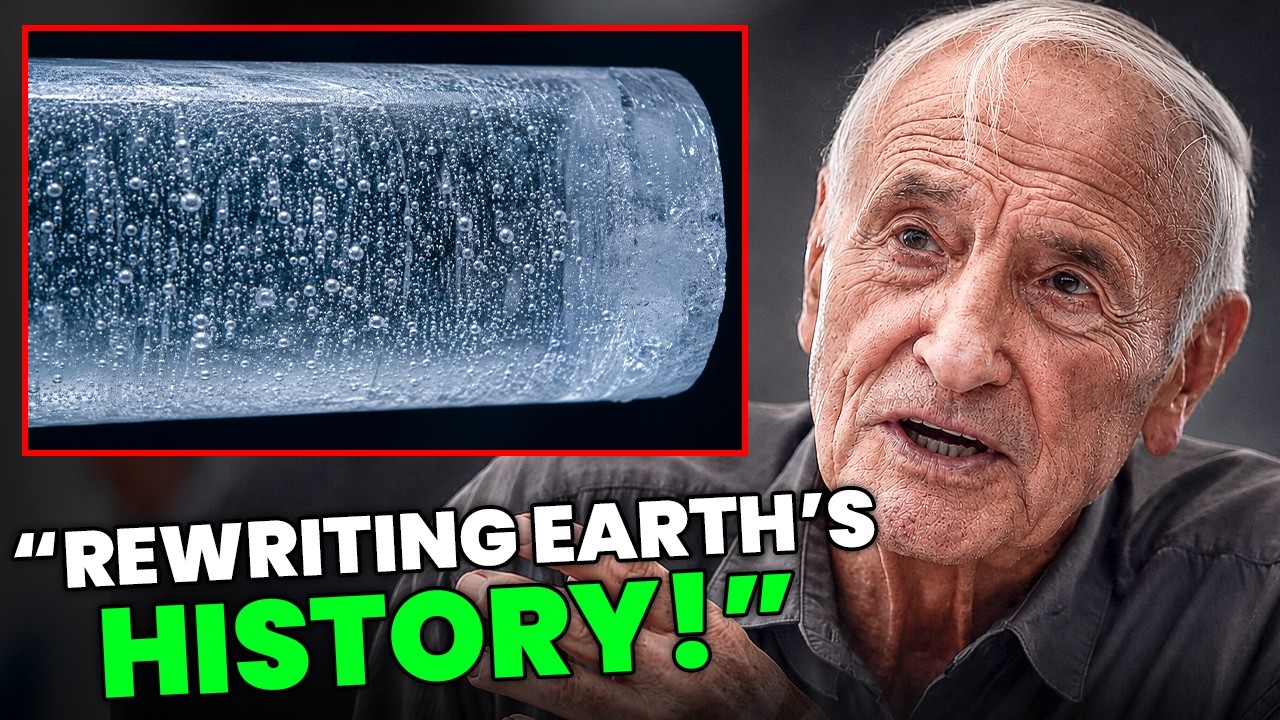
Scientists just pulled a 1.2-million-year-old ice core from Antarctica, and it’s already challenging what we know about Earth’s past. The ancient ice, buried deep beneath the continent’s frozen surface, contains trapped air bubbles that act as a time capsule of ancient atmospheres.
In January 2025, a team of scientists working in Antarctica recovered an ice core from 2,800 meters below the surface. The core contains a continuous climate record spanning 1.2 million years, including air bubbles that preserve the composition of the atmosphere at the time the ice formed. The samples predate the appearance of modern humans and extend significantly further back than any previous i…
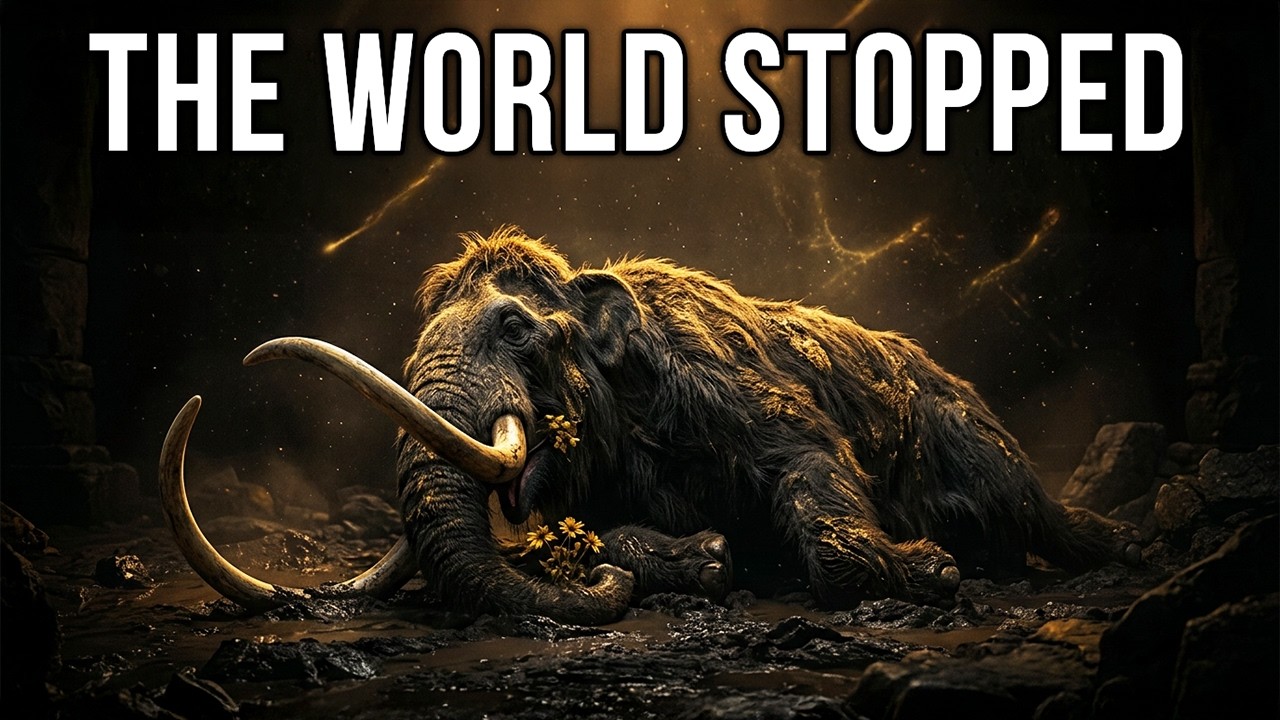
Twelve thousand eight hundred years ago, something slammed Earth’s climate to a halt, yet almost no one agrees on what caused it. Ice sheets that had been melting suddenly re-froze, plunging the planet back into near-glacial conditions for over a millennium.
About 12,800 years ago, near the end of the last ice age, a sudden cooling event interrupted a period of global warming. The temperature in Greenland fell by roughly 10 degrees Celsius, and cold conditions lasted for about 1,200 years before warming resumed. This period is known as the Younger Dryas, named after an Arctic wildflower whose pollen appears in lake sediments at the time of the cooling…