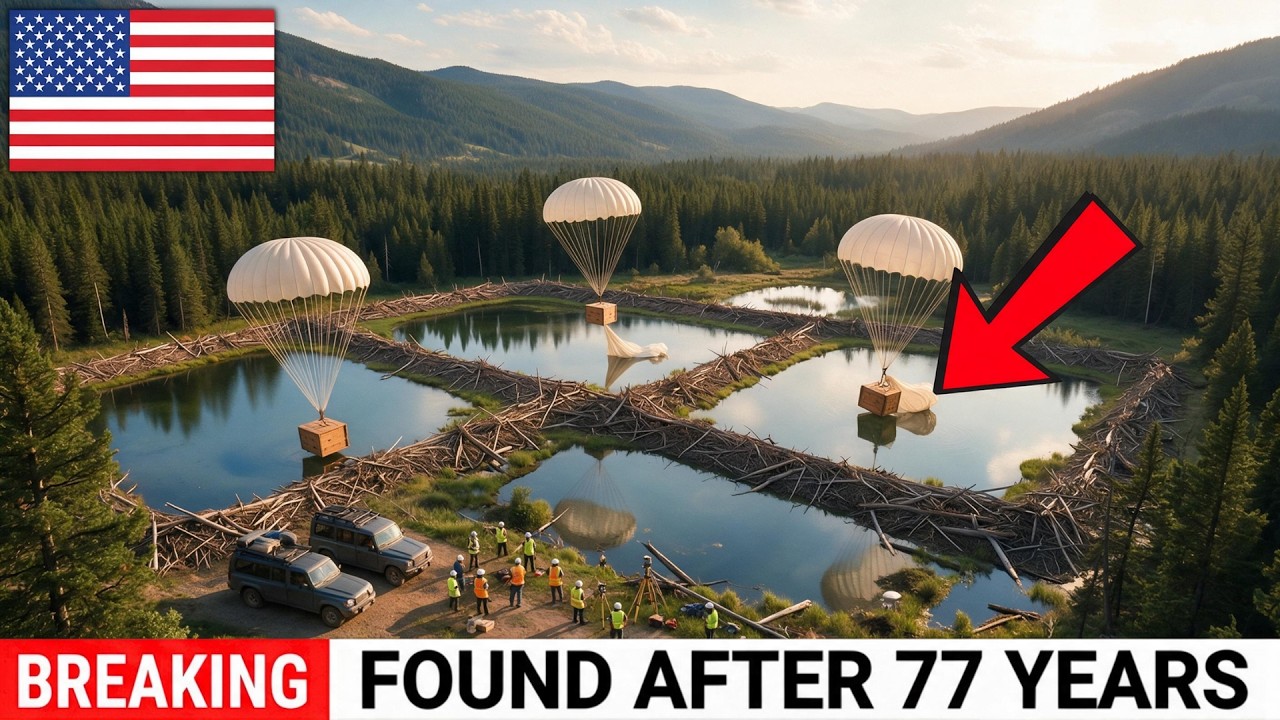
In 1948, Idaho officials parachuted 76 beavers into a forest they’d deemed dead, a last-ditch effort born of conflict with local residents. The rodents were meant to restore collapsed waterways, but nobody predicted what they would ultimately create.
In August 1948, a twin-engine plane lifted off from a small airstrip in McCall, Idaho, carrying eight wooden crates. Inside were 76 live beavers. The pilot climbed to about 700 feet over the Chamberlain Basin, a remote valley in the mountains of central Idaho, and the crew pushed the crates out one at a time. Each crate had a parachute strapped to the top. When the last parachute settled, 75 beave…
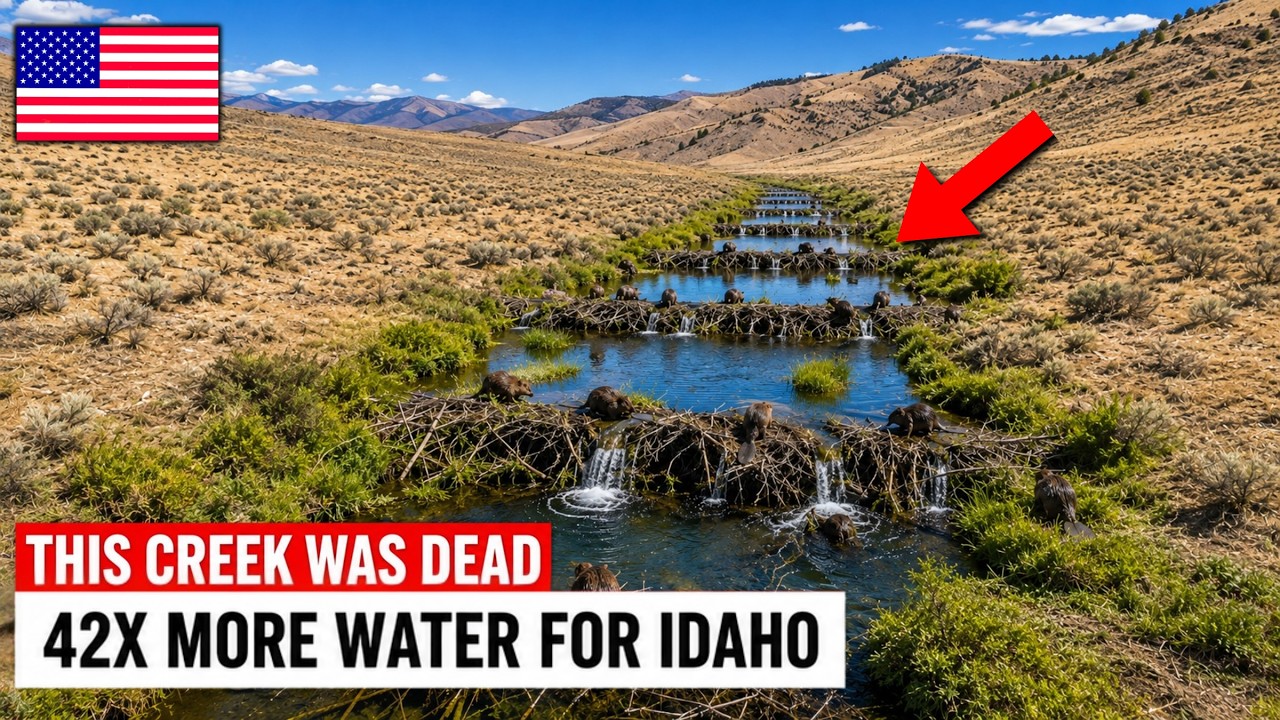
Conservationists long claimed beaver dams choke off fish, yet one U.S. creek defied that theory completely.
In the fall of 2015, fourth-generation cattle rancher Jay Wilde stood in a dry streambed in southeastern Idaho with a team of researchers. Together they drove wooden posts into the mud, wove willow branches between them, and released nine wild beavers into the area. There was no concrete, no heavy machinery, and no storage tanks. The only materials were sticks, mud, and a group of rodents weighing…
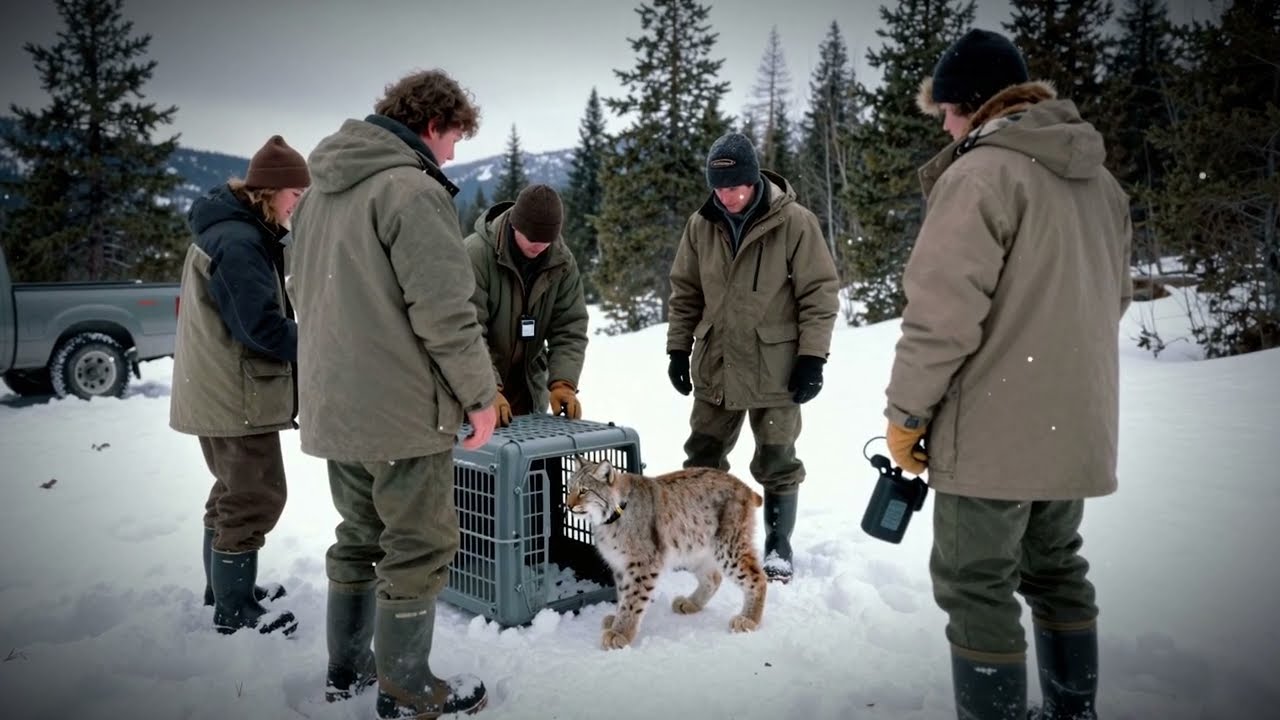
In February 1999, Colorado biologists launched the state’s most expensive wildlife gamble, releasing wild Canada lynx into the San Juan Mountains—and within a month, four of the first five released cats were dead. Heated criticism erupted over the doomed start, but the team refused to blame the habitat.
In February 1999, Colorado state biologists began a program to reintroduce Canada lynx into the San Juan Mountains, releasing wild-caught animals from Alaska. In the first month, four of the first five released cats died, drawing heavy criticism and negative media coverage of the effort.Canada lynx had inhabited Colorado’s high-altitude forests for thousands of years. Unregulated fur trapping in t…
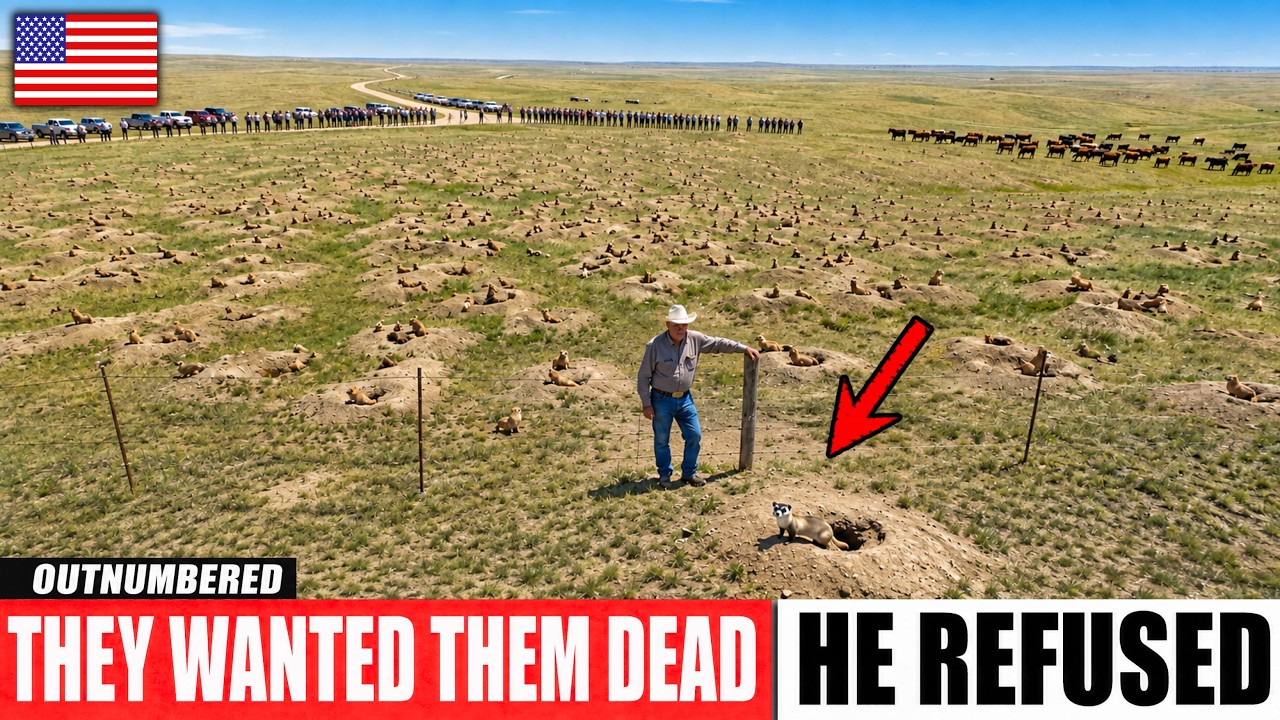
Inside this Kansas courtroom, one rancher stood alone against 99 furious neighbors, all demanding he destroy the prairie dog colonies on his land or face government poisoning. But Larry Haverfield refused, convinced the animals were vital to his cattle’s health.
In the summer of 2005, Larry Haverfield, a cattle rancher in western Kansas who had spent decades raising livestock near Russell Springs, received a letter from Logan County ordering him to eliminate the prairie dog colonies on his land within 15 days. When the deadline passed, the county said it would send applicators to do the job and bill him for it. Haverfield refused.The dispute over prairie…