
Cameras in Florida just captured something far larger than a python closing in on prey, and wildlife officials are refusing to fully explain what it is. The footage, recorded in a marshy area known for invasive reptiles, initially seemed to show a routine predator.
Researchers at the Conservancy of Southwest Florida discovered a dead Burmese python about 15 miles into the Everglades and concluded that native wildlife in the swamp is beginning to prey on the invasive species.The Burmese python, which can weigh close to 200 pounds and reach over 20 feet long, has no natural predators in Florida. The snakes have severely reduced populations of raccoons, opossum…
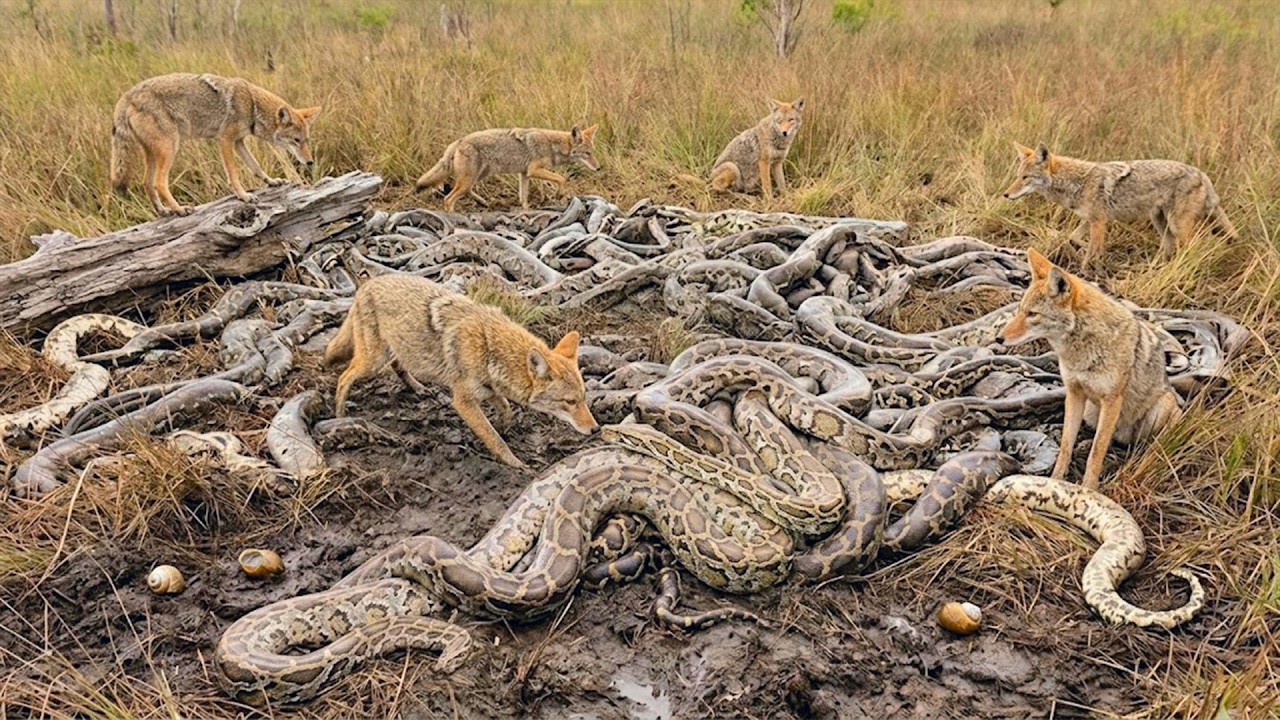
In den Sümpfen Floridas entdeckten Forscher eine Burma-Python – fünf Meter lang, Körper unversehrt, aber der Kopf fehlte vollständig. Der Schnitt war präzise, stammte weder von Menschen noch von Alligatoren, und es gab keine Kampfspuren.
In den Sümpfen Floridas registrierten Forscher ein ungewöhnliches GPS-Signal. Eine mit einem Sender versehene Burma-Python blieb 48 Stunden lang an derselben Stelle. Als das Team den Standort durch dichtes Schilf erreichte, fand es die etwa fünf Meter lange Schlange reglos vor. Ihr Körper war unversehrt, wies aber einen auffälligen Befund auf: Der Kopf fehlte vollständig. Es gab keine Hinweise auf…
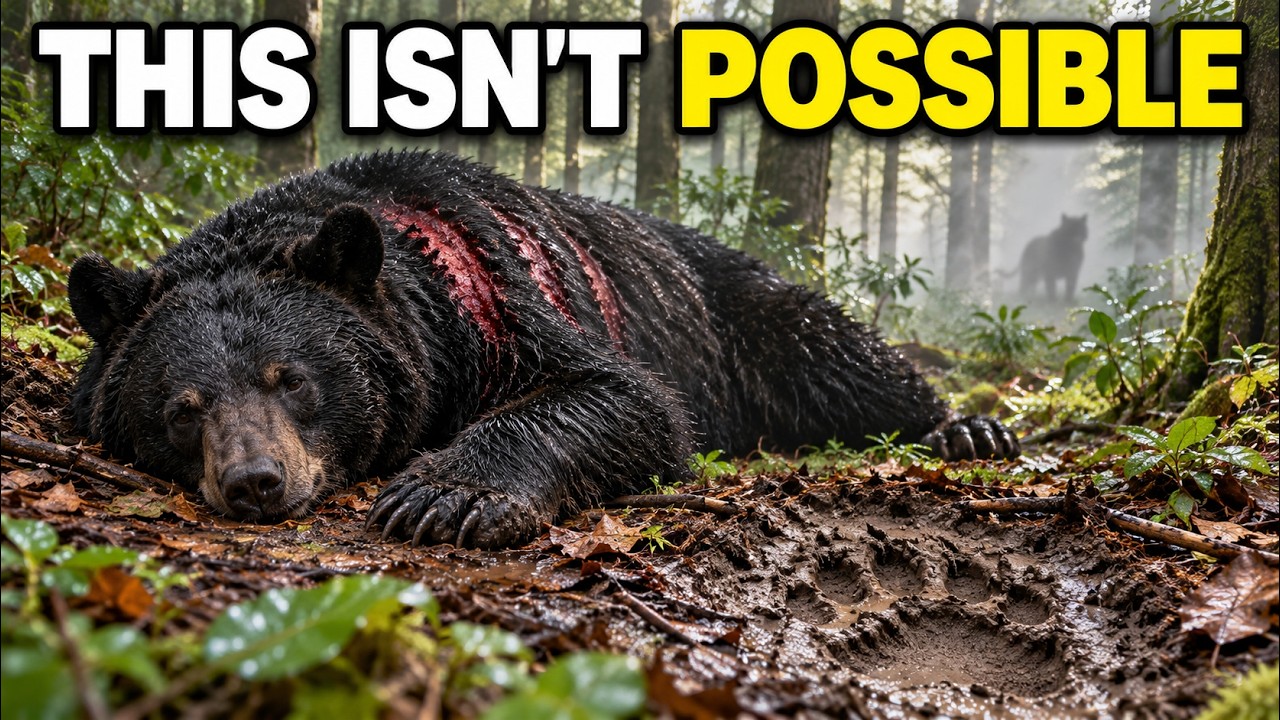
Biologists tracking black bears in the Smoky Mountains finally caught something on camera that they say changes everything they understood about the region’s top predator. For years, researchers assumed adult bears had no natural enemies, standing unchallenged at the top of the food chain.
For several years, biologists monitoring black bears in the Great Smoky Mountains National Park noticed a pattern in their data that they could not explain. Subadult male bears, typically two to four years old, were disappearing at rates higher than the baseline data predicted. The known causes of bear mortality in the park, such as vehicle collisions and human conflict, did not account for the lo…