The sky over Europe was a deadly chessboard, and two American fighters were about to make their move. The P-51 Mustang and the P-47 Thunderbolt, though radically different in design, were destined to become legends. But what truly set them apart—and ultimately made them equals in combat—wasn’t their airframes. It was their engines. And one of them was about to change everything.
At first glance, the Mustang and Thunderbolt seemed like opposites. The Mustang was sleek, elegant, and built for speed. The Thunderbolt was a brute, a flying tank with a massive radial engine. Yet, both would carve their names into aviation history. The key to their success lay deep within their cowlings, where two very different powerplants roared to life.
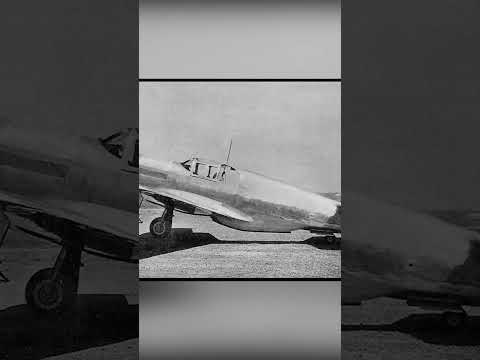
The Mustang’s story begins with an engine that almost held it back. Early versions used the Allison V-1710, a V12 that struggled at high altitudes. It was a fatal flaw that left the Mustang vulnerable to the Luftwaffe’s fighters. But salvation came from across the Atlantic: the Rolls-Royce Merlin. This 27-liter V12 was a masterpiece, and when mated to the Mustang’s airframe, it transformed the aircraft into a high-altitude predator.
The Merlin, license-built by Packard as the V-1650, gave the P-51B and C the power to escort bombers deep into Germany. By 1944, the P-51D, with its bubble canopy and improved Merlin, became the definitive Mustang. It was a game-changer, and the Luftwaffe knew it.
Meanwhile, the P-47 Thunderbolt took a different path. Its Pratt & Whitney R-2800 radial engine was a beast—an 18-cylinder monster that produced immense power and could absorb battle damage like no other. The same engine powered the Corsair and Hellcat in the Pacific, proving its versatility and ruggedness. The Thunderbolt’s radial wasn’t just tough; it was reliable, and it allowed the P-47 to dive at incredible speeds and unleash devastating firepower.
But the Mustang and Thunderbolt were more than just machines; they were symbols of American industrial might and ingenuity. Their engines were the heartbeat of their success, each with its own strengths and weaknesses. The Merlin gave the Mustang the edge in high-altitude dogfights, while the R-2800 gave the Thunderbolt the resilience to take hits and keep fighting.
As the war progressed, both aircraft evolved. The P-51H, the final version, pushed the Merlin to its limits, while the P-47 continued to serve as a formidable fighter-bomber. In the end, these two fighters, powered by radically different engines, became near equals in the theater of war. Their stories are intertwined, a testament to the engineers who designed them and the pilots who flew them.
But the full story of how these engines shaped the air war—and the men who flew them—is still unfolding. The Mustang and Thunderbolt would go on to face new challenges, and their legacy would be written in the skies over Europe and beyond.
To understand why these two fighters became such close rivals, you have to look at the numbers—and the missions they flew. The Mustang, with its laminar-flow wing and Merlin’s two-stage supercharger, was built for one thing above all: escorting bombers all the way to Berlin and back. Its range was staggering, over 1,600 miles with drop tanks. The Thunderbolt, by contrast, was a short-legged brawler at first, but it could absorb punishment that would shred a Mustang.
Pilots who flew both often described them in almost human terms. The Mustang was the scalpel—fast, precise, and deadly at altitude. The Thunderbolt was the sledgehammer—heavy, forgiving, and terrifying in a dive. In a turning fight, the P-47’s sheer weight and power could surprise a careless opponent. But above 25,000 feet, the Merlin’s superior supercharging gave the Mustang a clear advantage.
What truly tipped the scales wasn’t just performance—it was timing. The P-51D arrived in Europe in early 1944, just as the Eighth Air Force was bleeding bombers over Germany. Its introduction cut bomber losses dramatically and forced the Luftwaffe into a defensive war it could not win. The Thunderbolt, meanwhile, had already proven itself as a bomber escort in 1943, but its range limitations meant it often had to turn back early.
Yet the P-47 refused to be sidelined. As the war moved closer to the ground, the Thunderbolt found a new calling: fighter-bomber. With its eight .50-caliber guns and the ability to carry bombs and rockets, it became a fearsome tool for close air support, earning the nickname ‘Jug’ from its pilots. The Mustang, too, took on ground-attack roles, but it was never as rugged as the Thunderbolt.
Engine reliability told its own story. The Merlin was a high-strung performer that demanded careful maintenance, while the R-2800 radial was famously tough—it could lose cylinders and still bring a pilot home. In the Pacific, the same R-2800 powered the Corsair and Hellcat to legendary status, a testament to its versatility.
As 1944 wore on, both aircraft faced the Luftwaffe’s last gasps—jet-powered Me 262s and fanatical defenders. The Mustang’s speed and altitude performance made it the primary escort, but the Thunderbolt’s firepower and durability kept it in the fight. Neither could claim total supremacy, and that was the point. They were complementary weapons in a war of attrition.
But the story of these engines and the men who tuned them was far from over. New tactics, new threats, and the final push into Germany would test both aircraft in ways their designers never imagined.
The engineers who maintained these engines were unsung heroes of the air war. A Merlin required precise tuning of its two-stage supercharger, careful mixture control, and constant attention to coolant lines that could be punctured by a single unlucky bullet. Ground crews often worked through the night to swap spark plugs on a temperamental Merlin, knowing a single fouled plug could cost a pilot his life. The R-2800, by contrast, was forgiving—its air-cooled cylinders shrugged off minor damage and its ignition system was famously robust.
Pilots noticed the difference in combat. A Mustang jockey had to baby his engine during a long climb to altitude, watching temperature gauges as closely as the sky behind him. A Thunderbolt pilot could slam the throttle forward and trust the radial to take the abuse. That ruggedness bred a different kind of confidence—one built on the knowledge that the aircraft would bring you home even after absorbing hits that would doom a sleeker fighter.
Yet the Merlin’s fragility was relative. In the hands of a skilled crew chief, the Packard-built V-1650 was every bit as reliable as its reputation suggested. By 1944, the Mustang’s sortie rate had climbed to rival the Thunderbolt’s, a testament to improved maintenance and supply chains. The engine’s complexity was a price worth paying for the altitude performance that let the P-51 hunt German fighters above 30,000 feet.
What few histories emphasize is how the two engines shaped the tactics of entire fighter groups. Mustang units learned to fight in the thin air above the bombers, using speed and vertical maneuvers to slash through enemy formations. Thunderbolt groups, especially those flying the later P-47D with paddle-blade propellers, excelled at low-altitude sweeps and dive-bombing runs. The engines dictated the mission, and the missions defined the men.
As the Allies pushed toward Germany in late 1944, the Luftwaffe threw everything it had into a desperate counteroffensive. During Operation Bodenplatte, German fighters strafed Allied airfields in a last-ditch attempt to cripple the tactical air forces. Mustangs and Thunderbolts alike were caught on the ground, but the R-2800’s toughness showed even there—many Jugs absorbed cannon fire and still took off to fight. The Merlin-powered Mustangs, more vulnerable on the tarmac, suffered heavier losses that day.
But the air war was shifting. Jet aircraft like the Me 262 threatened to render piston-engine fighters obsolete. The Mustang, with its clean lines and high speed, proved the better jet-hunter—pilots learned to dive on the German jets during takeoff or landing. The Thunderbolt, too slow to catch a jet in level flight, was relegated to guarding airfields and pounding ground targets.
Still, the Thunderbolt’s story was far from over. In the Pacific, the same rugged R-2800 that powered the Jug was pushing Corsairs and Hellcats against a different enemy. The engine’s adaptability—from high-altitude escort to low-level ground attack—was its true genius. And as the war entered its final months, both the Mustang and the Thunderbolt would face one last test: supporting the infantry in a race across Europe that demanded everything from the machines and the men who flew them.
The final months of the war in Europe brought the Mustang and Thunderbolt into their most demanding roles yet. As Allied armies raced toward the Rhine, the fighters were called upon to support ground troops in ways their designers had never envisioned. The Mustang, with its speed and range, became a roving hunter-killer, strafing airfields and supply lines deep behind enemy lines. The Thunderbolt, heavy and heavily armed, excelled at close air support, its eight .50-calibers and bomb load making it a feared sight among German tank crews.
But the Luftwaffe was not finished. In a last desperate gamble, German pilots flying the jet-powered Me 262 began to appear in greater numbers. The Mustang, with its superior high-altitude performance, was the natural counter—pilots learned to loiter above German airbases and pounce on the jets during takeoff or landing. The Thunderbolt, too slow to catch a jet in level flight, was relegated to protecting the bombers and hitting ground targets. Yet its toughness remained legendary; more than one Jug returned home with half its tail missing or an engine cylinder shot away.
As the war in Europe ended, the two fighters had written their own distinct chapters. The Mustang was credited with destroying more enemy aircraft in the air than any other American fighter in Europe. The Thunderbolt, meanwhile, had flown more sorties and dropped more bombs than any other U.S. fighter. Both had evolved far beyond their original designs, their engines—the high-strung Merlin and the rugged R-2800—proving to be the defining factor in their success.
In the Pacific, the same R-2800 that powered the Thunderbolt continued to drive Corsairs and Hellcats to victory. The engine’s adaptability was unmatched, serving from the deck of carriers to the high skies over Germany. The Merlin, for its part, had transformed the Mustang from a mediocre performer into a legend. Together, these two aircraft and their engines represented the pinnacle of piston-engine fighter design—a moment before the jet age would sweep them both aside.
Today, the Mustang and Thunderbolt are remembered as icons, their silhouettes instantly recognizable. But their true legacy lies in the men who flew them and the ground crews who kept them flying. The rivalry between the two was never bitter—it was a partnership forged in the crucible of war, where each aircraft did what the other could not. And in that, they found a kind of equality that no specification sheet could ever capture.
So the next time you see a Mustang or a Thunderbolt at an airshow, listen closely to the sound of their engines. One is a high-pitched, supercharged scream; the other a deep, rumbling growl. Both are voices from a time when the fate of the world hung in the balance—and both answered the call.
Which of these two legendary fighters would you have wanted to fly, and why?
Report this article
Select a reason for reporting:






