Chapter 1 – THE LETTER THAT SHOULD NEVER HAVE ARRIVED
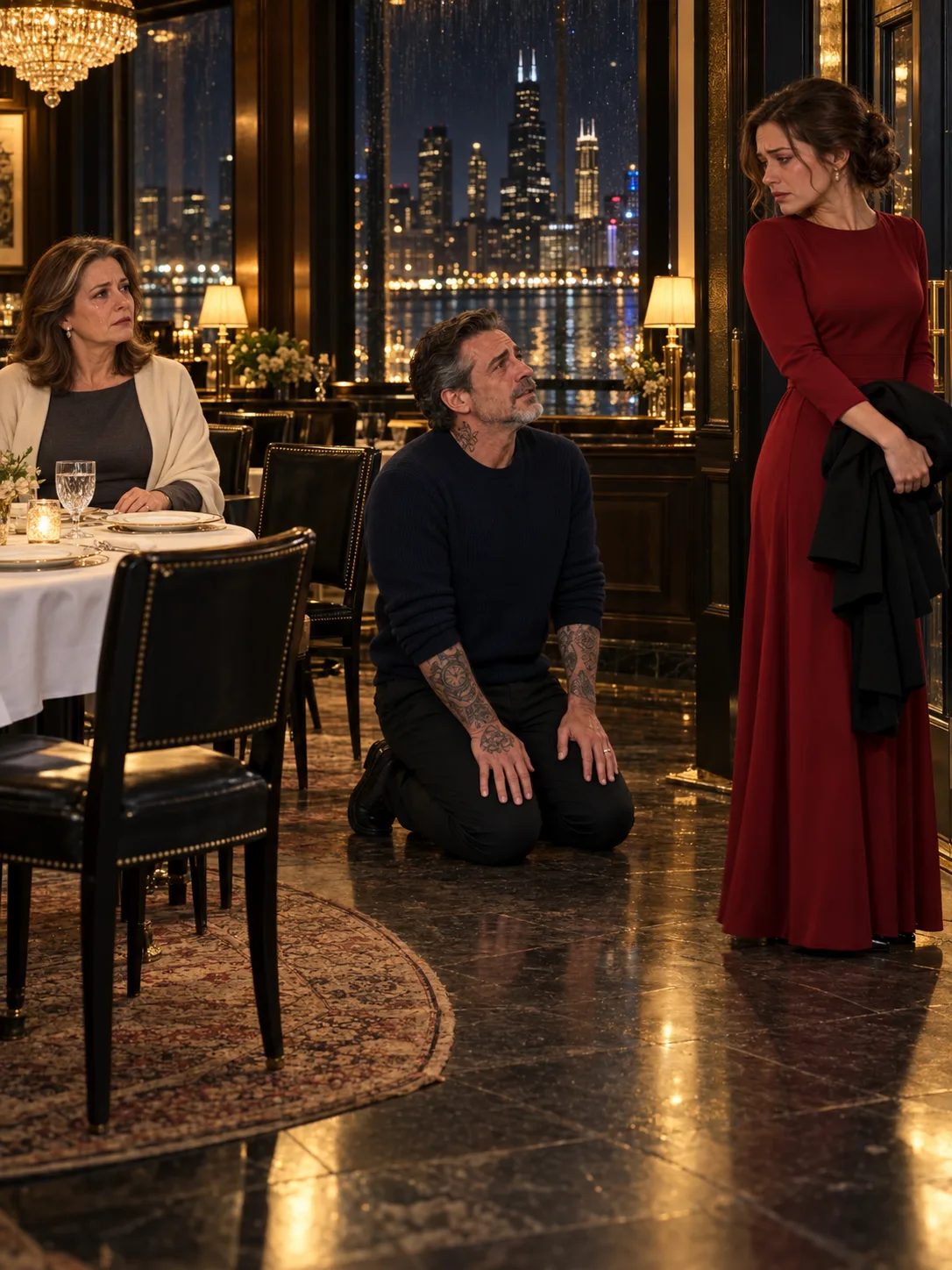
Roman DeLuca took the envelope from June’s trembling hand.
For several seconds, he didn’t open it.
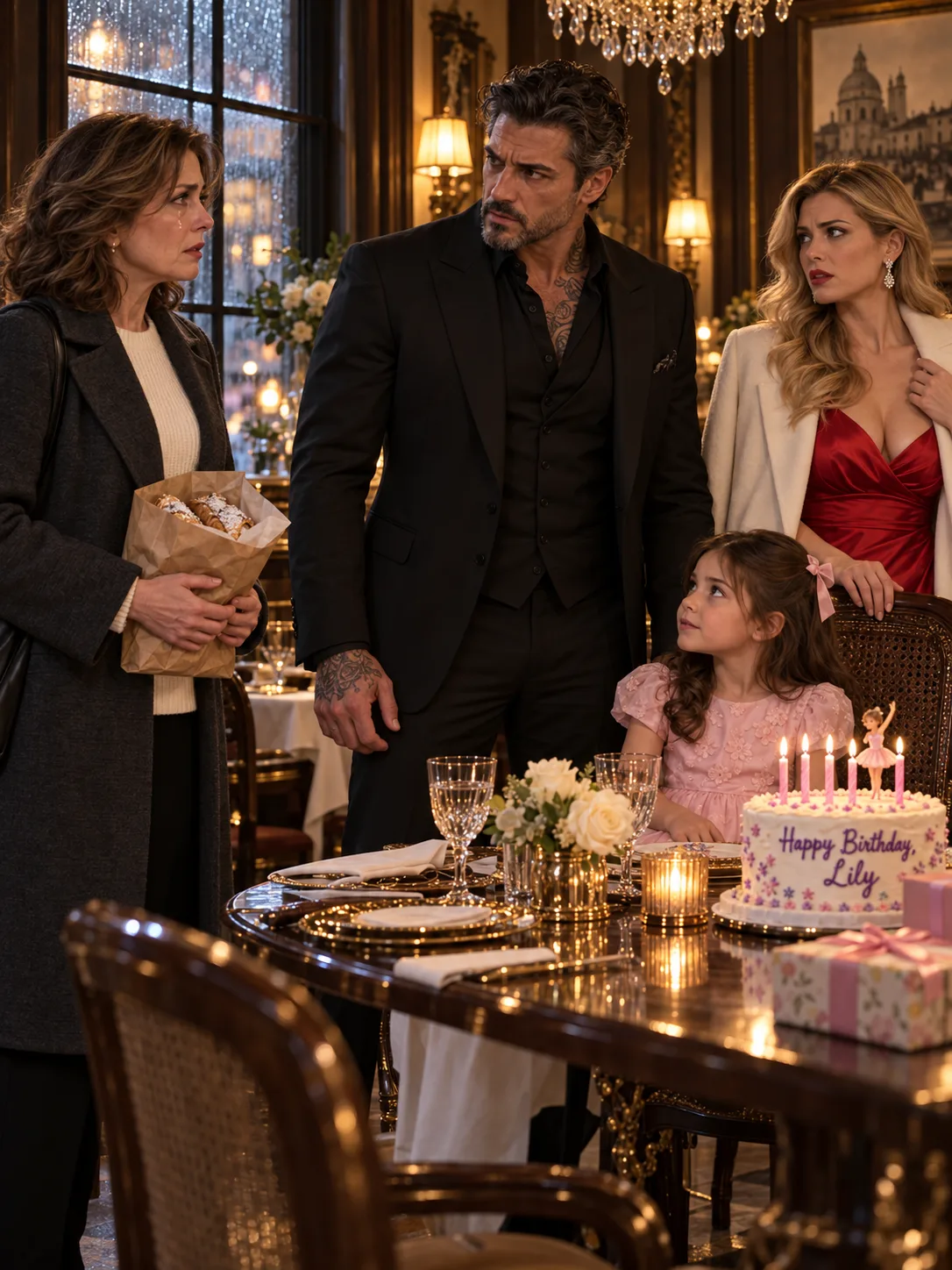
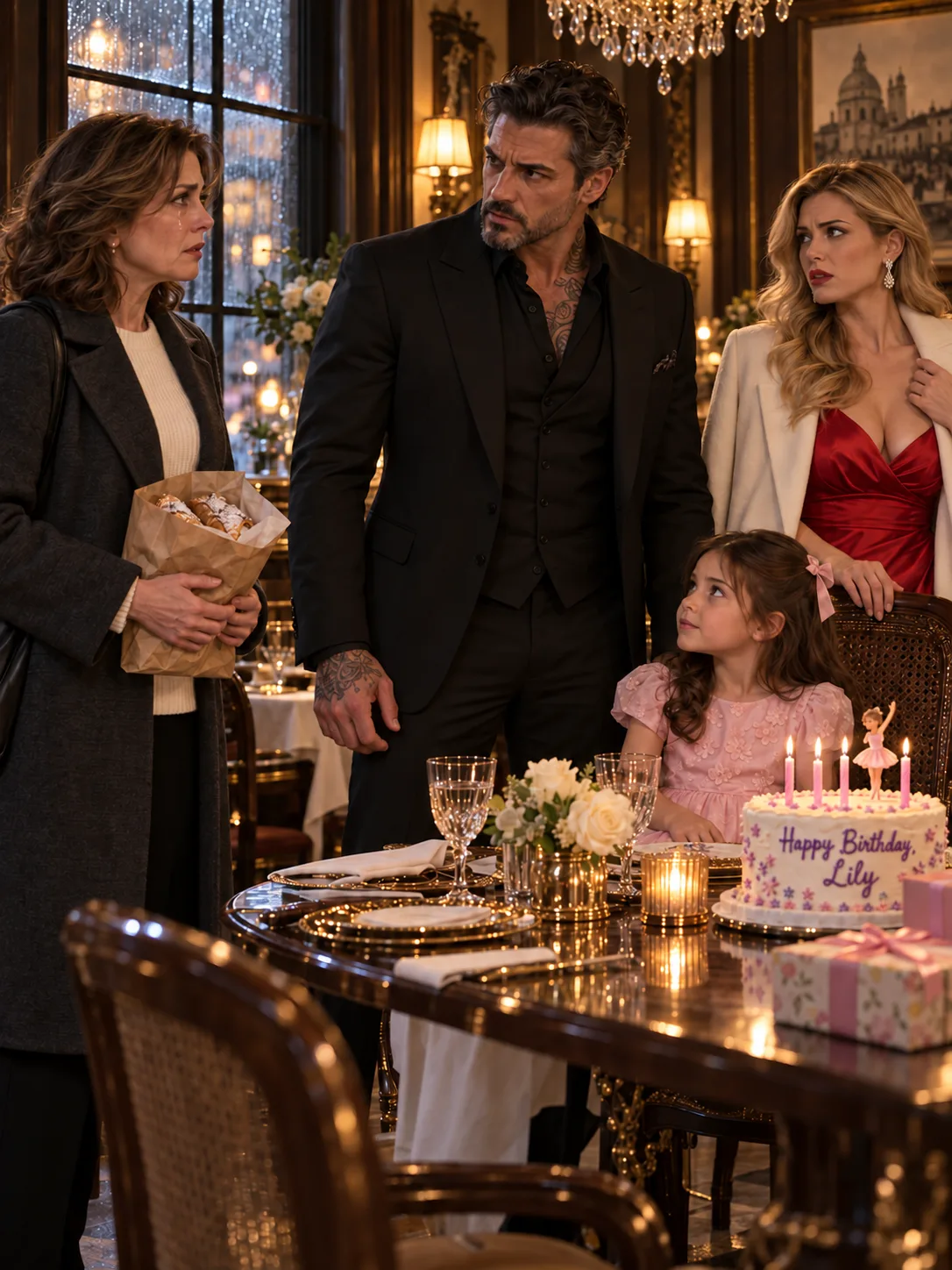
I stood beside the dining table, still holding the little green sweater June had knitted for Oliver. The room smelled of roasted turkey, warm bread, and the cinnamon candles Celeste had insisted we light before the guests arrived.
It should have smelled like Thanksgiving.
Instead, I felt as though I were standing in a room where something terrible had just been discovered.
“Roman,” Celeste said carefully, “whatever is in that envelope needs to be understood in context.”
He looked at her.
“Then let me read it.”
He unfolded the paper.
I watched his expression change.
Not dramatically. Roman wasn’t a man who showed much on his face.
But his jaw tightened.
He read the first paragraph twice.
Then he lowered the letter.
“June, who told you Oliver wrote this?”
“Celeste said he needed to express his feelings.”
Roman looked at the page again.
In a quiet voice, he read one sentence.
“‘My first mother was a mistake, and I don’t want to be reminded of her anymore.’”
June shut her eyes.
Celeste stepped forward.
“Oliver has been working through some difficult emotions. Children sometimes say things that sound cruel when they’re trying to heal.”
“He was six when Rebecca died,” Roman replied. “He still sleeps with the blanket she made him.”
“That doesn’t mean he isn’t ready to move forward.”
Roman studied the letter.
Then he turned it toward me.
“Emily. You’ve watched Oliver do his homework. Does this look like his handwriting?”
I hesitated.
The letters were uneven. Several words had been written in blue ink, with heavy pressure beneath certain strokes.
It looked like a child’s handwriting.
But something bothered me.
Oliver always formed his capital R backward when he was tired. He’d been practicing it all semester.
Every R on this page was perfect.
“I think he copied something,” I said.
Celeste gave a short, disbelieving laugh.
“Really, Emily? You’re a housemaid, not a handwriting expert.”
“No, ma’am. I’m not.”
I looked at Roman.
“But I’ve watched him copy vocabulary words. When he copies, he presses hard enough to leave marks on the next page.”
Roman held the letter toward the chandelier.
There were faint indentations beneath the writing.
He noticed them too.
“Where’s Oliver?” he asked.
“He’s upstairs getting dressed,” Celeste answered quickly. “And I don’t think dragging him into an adult disagreement is appropriate.”
“Neither was sending his grandmother a letter like this.”
That was when we heard footsteps.
Oliver appeared in the dining-room doorway wearing a navy sweater, gray trousers, and socks that didn’t match.
His dark hair stood up in the back.
He looked at the table, then at June.
For one wonderful second, his whole face changed.
“Grandma?”
June turned.
“Hello, sweetheart.”
Oliver started toward her.
Then he stopped.
He looked at Celeste.
The happiness disappeared so suddenly that it frightened me.
“Am I allowed?” he asked.
Nobody spoke.
Roman slowly put down the letter.
“Oliver. Come here.”
The boy approached his father, keeping his eyes on the floor.
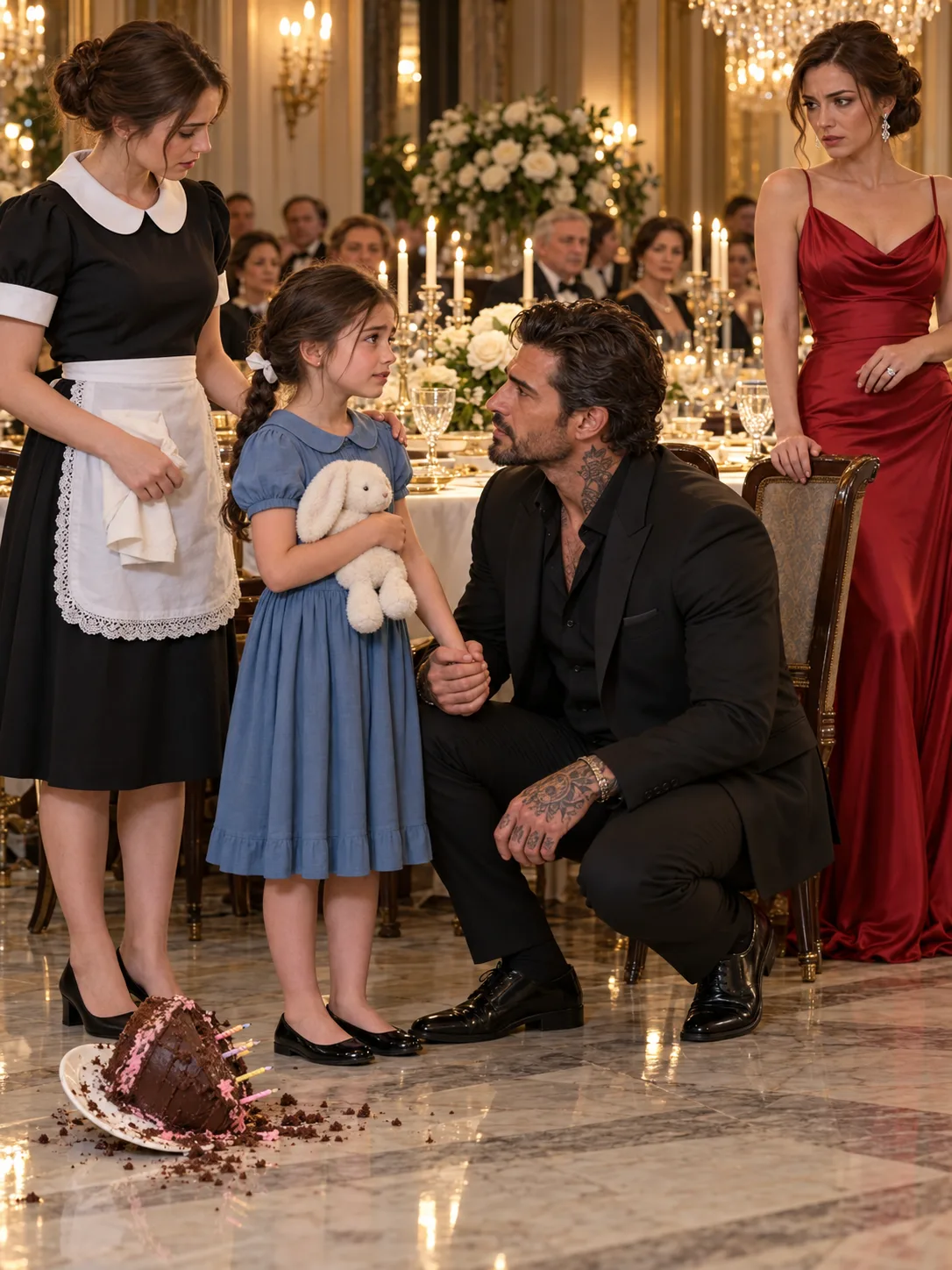
Roman knelt beside him.
“Did you know Grandma June was coming today?”
Oliver shook his head.
“Celeste said Grandma didn’t want to do holidays anymore.”
June made a wounded sound.
“Oh, honey.”
Oliver looked up.
“You changed your mind?”
“I never stopped wanting to see you.”
His face tightened.
“But you sent my cards back.”
June stared at him.
“What cards?”
Oliver looked toward Celeste again.
The silence stretched.
Then Roman asked, “What cards, son?”
“The ones I made at school.”
Oliver rubbed his sleeve across his nose.
“Mrs. Ellis helped us make Thanksgiving cards. I made one with a turkey wearing sunglasses because Grandma likes silly things.”
June pressed a hand against her chest.
“I never received that, darling.”
“Yes, you did.”
His voice became small and stubborn.
“Celeste said you sent it back because you didn’t want things that reminded you of Mom.”
Celeste stepped toward him.
“Oliver, we talked about how sometimes grown-ups need space.”
“But you said she didn’t want my pictures.”
“That’s not exactly what I said.”
Oliver frowned.
“It is.”
Roman stood.
He looked at Celeste with an expression I couldn’t read.
“Where are the cards?”
“I don’t know. Probably in the recycling.”
“Find them.”
“Roman, this is getting ridiculous.”
“Find them.”
Celeste folded her arms.
For the first time since I’d worked in that house, she looked less like the woman who controlled every detail and more like someone who had lost control of the room.
June reached toward Oliver.
“Would you like a hug?”
He hesitated.
Then he hurried into her arms.
She held him so tightly that the little paper bag beside her slipped onto its side.
I caught it before the cookies spilled.
Oliver buried his face against her coat.
“I thought you were mad at me.”
“Never,” June whispered.
But then he pulled away.
“Then why didn’t you answer?”
“I wrote to you every Sunday.”
His eyes widened.
“No, you didn’t.”
“Yes, sweetheart. I did.”
He looked between the adults.
Then his gaze fell on the letter in Roman’s hand.
“What’s that?”
Roman crouched again.
“Your grandmother received something with your name on it.”
Oliver looked at the page.
His expression changed.
“Oh.”
Celeste moved immediately.
“That was private, Roman.”
“Private between whom?”
Oliver reached for the letter.
“That’s my practice page.”
Roman didn’t move.
“Practice for what?”
“The goodbye exercise.”
Nobody answered.
Oliver continued, “Celeste said sometimes you have to write things you don’t really mean so you can stop feeling upset about them.”
June’s hand tightened around his shoulder.
“Did someone ask you to write these words, Oliver?”
He nodded.
“Celeste wrote them first. I copied them.”
Roman closed his eyes briefly.
“And why would you copy something about your mother being a mistake?”
Oliver looked genuinely confused.
“I didn’t know Grandma was going to read it.”
Celeste spoke quickly.
“It was a therapeutic exercise. It wasn’t meant to be interpreted literally.”
“Then why did you mail it?” Roman asked.
“I was trying to establish healthy boundaries.”
“With a ten-year-old’s handwriting?”
She looked away.
Oliver was watching her now.
Not with anger.
With the frightened concentration children have when they’re trying to figure out which adult is telling the truth.
“Celeste?” he asked.
Her expression softened.
“Yes, sweetheart?”
“You told me writing that would make Grandma feel better.”
She swallowed.
“I thought it might help everyone move on.”
Oliver’s eyes filled.
“But I didn’t want Mom to be a mistake.”
June reached for him again.
He didn’t move.
Instead, he looked directly at his father.
And what he said next made Roman’s face lose all its color.
“Dad, Celeste told me Grandma thinks I made Mom too tired to live. Is that why she doesn’t love me anymore?”
Share