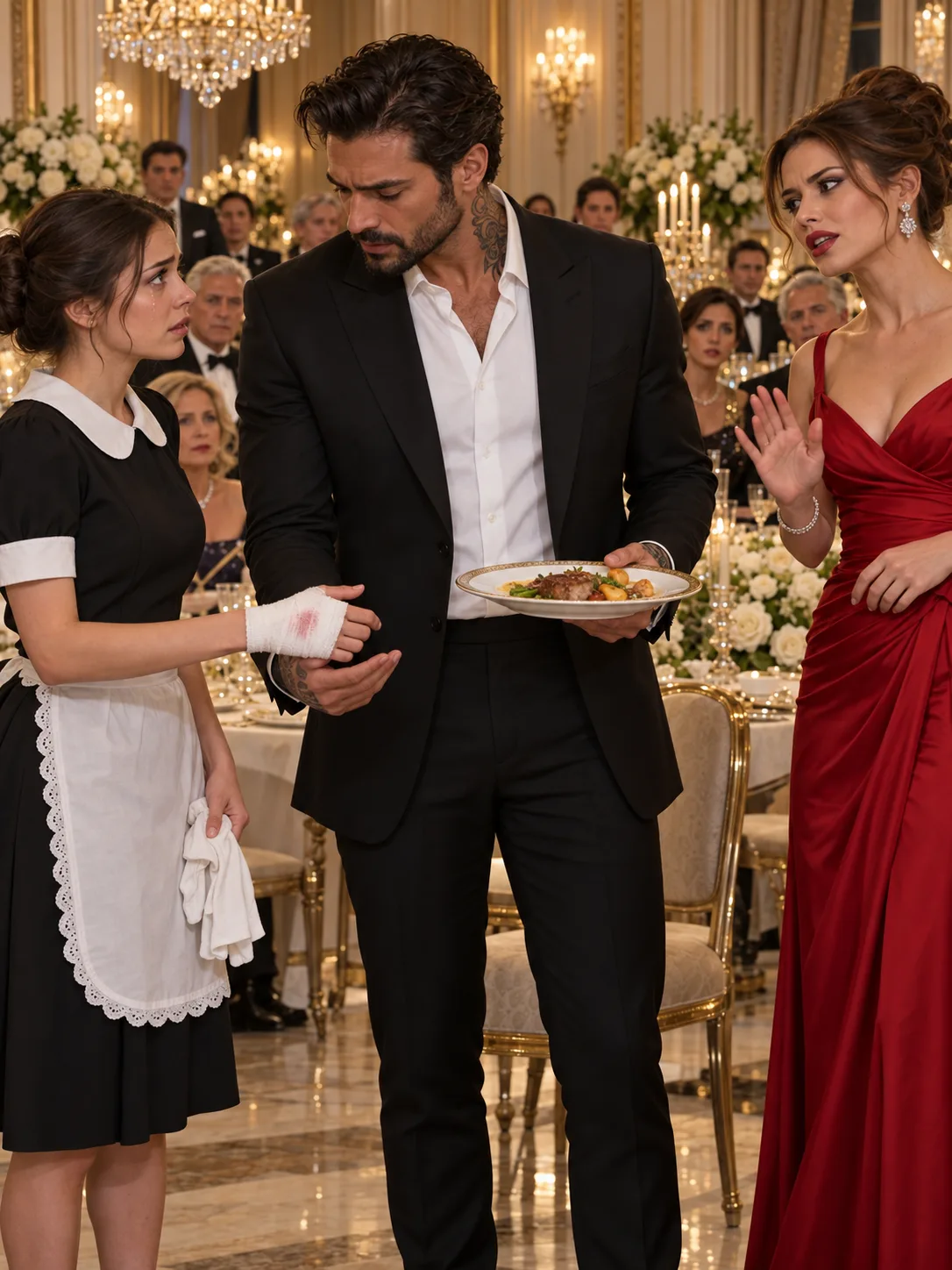
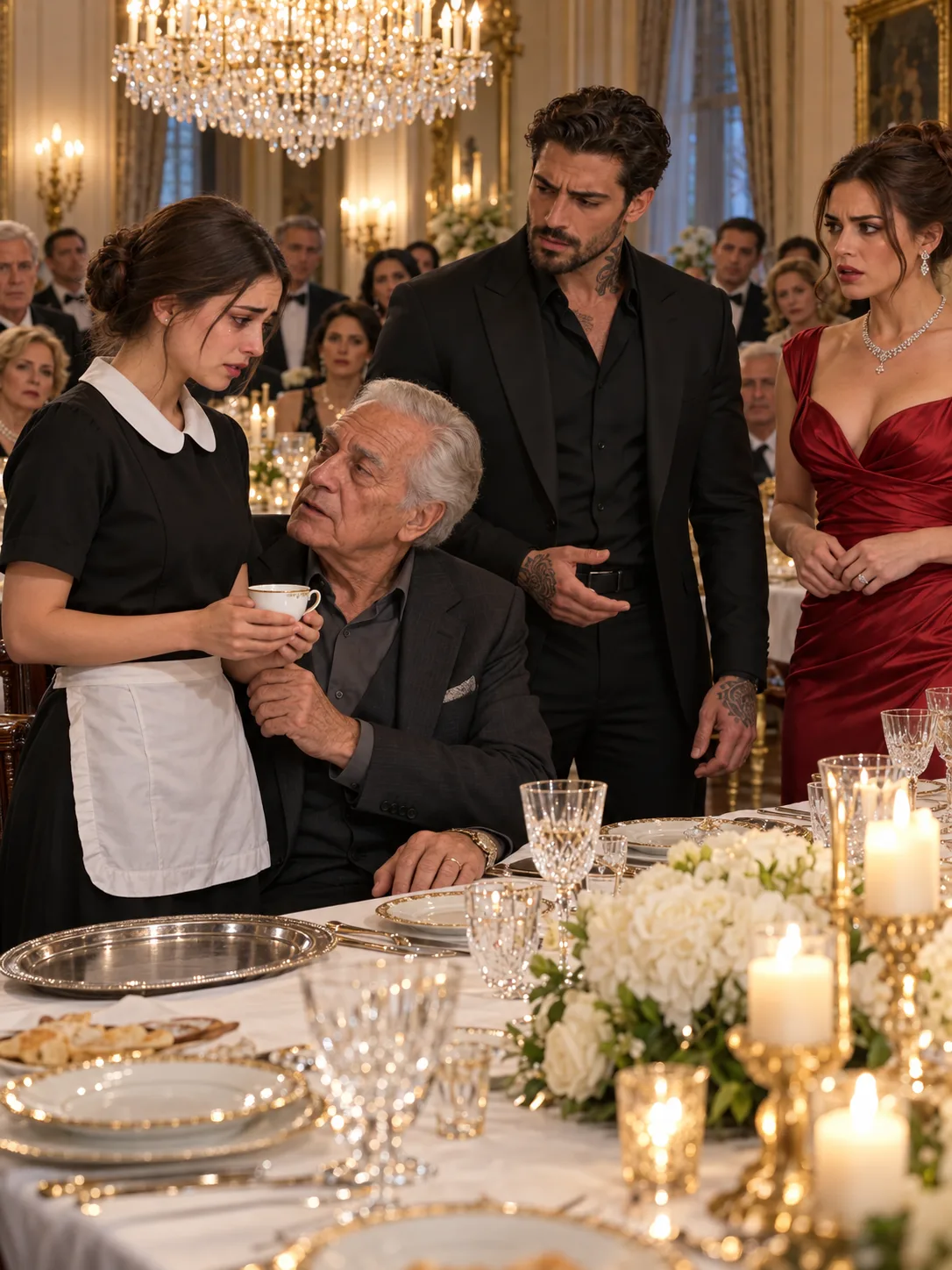
Chapter 10 – THE CHOICE SHE’D NEVER BEEN GIVEN
“I don’t know.”
It was the most difficult answer I’d given Luca in thirty-one years.
He didn’t look disappointed.
He simply nodded.
“Then you should have time to decide.”
I stared at him.
“You’re not going to ask me to stay?”
“I’d like you to.”
He paused.
“But that shouldn’t be a debt you owe me.”
There was a time when those words would have hurt.
I’d spent so much of my life being needed that the thought of not being indispensable felt like rejection.
Now I wondered whether being allowed to leave might be another form of love.
Luca stood.
“Take a few days, Margaret. Visit Diane. Think about what you want.”
I looked around the dining room.
“You know what the strange thing is?”
“What?”
“I’ve spent thirty-one years knowing exactly what everybody in this house needs.”
I smiled sadly.
“But I haven’t the faintest idea what to do with myself.”
He leaned against the table.
“Then maybe that’s something worth finding out.”
The next morning, Diane came to see me.
She was forty-one now, with her father’s brown eyes and a practical way of speaking that sometimes reminded me painfully of my mother.
She found me sitting in my room, sorting through old letters.
“Mom.”
She crossed the room and hugged me so tightly I laughed.
“Diane, you’re crushing my ribs.”
“Good.”
She stepped back.
“I’ve been worried sick.”
“I know.”
“Why didn’t you call me?”
“I didn’t want you worrying.”
She looked at me.
“Mom, I’m forty-one years old. You don’t have to protect me from every unpleasant thing.”
I sat down.
She pulled out the chair beside me.
For a while, neither of us spoke.
Then she noticed my navy dress hanging on the wardrobe door.
“Is that the dress?”
I nodded.
“It’s pretty.”
“I thought so.”
She touched one of the pearl buttons.
“You wore it because Luca invited you to dinner?”
“Yes.”
“And that woman made you put your apron back on?”
I looked away.
Diane was quiet for a moment.
Then she said, “Mom, you’ve worked for that family longer than I’ve been married.”
“That’s true.”
“You missed Thanksgiving at our house three times because someone here was sick.”
“Four.”
She raised her eyebrows.
“Four?”
“Your father always counted the year I drove Luca to the hospital with appendicitis.”
Diane shook her head.
“That proves my point.”
I smiled.
But she wasn’t smiling.
“I know you love them,” she said. “I know Luca is practically family.”
“He is family.”
“Then he should have noticed what was happening to you.”
I couldn’t argue.
She took my hand.
“I’m not asking you to stop loving them, Mom. I’m asking you to remember you have a life that belongs to you.”
The words stayed with me.
Later that week, the financial review produced its first verified findings.
The independent accountant confirmed the four hundred and eighteen thousand dollars transferred from the service reserve.
The two hundred and six thousand dollars attributed to my authorization had been part of those transfers, not an additional missing amount.
The employee releases were challenged, and the affected benefits were reinstated in the household records pending full legal correction.
Luca deposited replacement funds into the reserve from assets unrelated to the employees’ accounts.
He arranged for direct written confirmation of Joanne’s coverage.
Mr. Evans received notice that his cottage occupancy would continue under a separate housing agreement.
Rosa and Angela had their original service dates restored.
For the first time in weeks, people began speaking normally in the kitchen again.
But something had changed.
Nobody wanted verbal promises anymore.
They wanted things in writing.
I thought that was sensible.
Vanessa moved out of the mansion.
Not because Luca ordered her belongings thrown onto the driveway.
They sat together privately and agreed that the wedding couldn’t go forward.
She accepted responsibility for the unauthorized transfers and the false documents, and retained her own attorney.
The lender was formally notified that Luca disputed the guarantee.
A full investigation would determine what legal consequences followed.
None of that was pleasant.
None of it was romantic.
But it was necessary.
Bellini House remained open while its finances were reviewed separately.
Luca arranged for an independent nonprofit organization to assess whether the residence could continue operating under new management.
He made one thing clear.
Any assistance to its residents would come from properly authorized funds, never from money owed to household employees.
Vanessa agreed to step away from financial control.
She continued helping her father with meals and appointments.
I heard she was also cooperating with the review.
I was glad.
Not because I believed everything could be forgiven.
But because nineteen elderly people shouldn’t lose their homes to punish one woman’s decisions.
Three days later, Luca asked me to meet him in his office.
Diane came with me.
On his desk was a proposed employment agreement.
It offered me my original position, full pay, restored benefits, and the option to retire whenever I wished under the terms his mother had established.
I read every page.
Then I closed the folder.
Luca watched me.
“Is something wrong?”
“No.”
“Would you like anything changed?”
“Yes.”
He picked up his pen.
“What?”
I took a breath.
“I don’t want to be the person everybody trusts while someone else makes decisions about our lives.”
He put down the pen.
I continued.
“Your mother trusted me with the household because I knew the people working here. But I never had authority over the things that mattered most to them.”
Luca nodded.
“You’re right.”
“I’d like that to change.”
“How?”
“I want the employees to have a voice in decisions affecting their pay, benefits, and housing.”
He considered it.
“A formal committee?”
“With access to the records they’re entitled to see. And someone independent to make sure the rules are followed.”
He nodded slowly.
“We can do that.”
I leaned forward.
“And one more thing.”
“What?”
I looked at Diane, then back at Luca.
“I’m not signing a contract that makes me choose between this family and my own.”
Luca’s eyes softened.
“Margaret, what are you asking?”
I smiled.
“For the first time in thirty-one years, sweetheart, I’d like to decide what my life looks like.”
Share