They were the scourges of oceans, deserts, and city streets—names that once made empires tremble and ordinary people lock their doors at night. Now, through the lens of history and the power of artificial intelligence, their faces return. Not as distant legends, but as vivid, hauntingly lifelike portraits that stare back at us across the centuries. This is the story of twenty infamous outlaws, brought back to life.
From the blood-soaked decks of pirate ships to the dusty trails of the Wild West, these men and women lived outside the law, carving their names into folklore with bullets, blades, and bold defiance. Some were ruthless killers, others reluctant rebels. All left an indelible mark on history.
Take Dick Turpin, the 18th-century English highwayman whose daring robberies and legendary ride from London to York turned him into a romantic symbol of rebellion. Or Ned Kelly, Australia’s iron-clad outlaw, who stood against colonial authority in a final, desperate shootout. Their stories blur the line between crime and heroism, forcing us to ask: were they villains, or victims of their time?
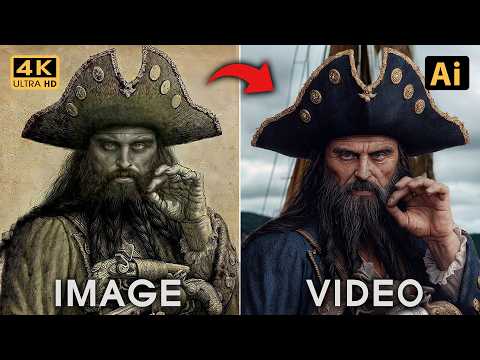
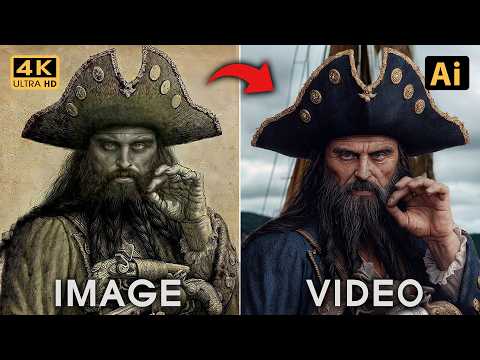
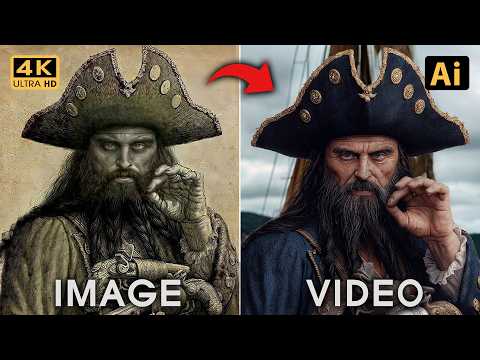
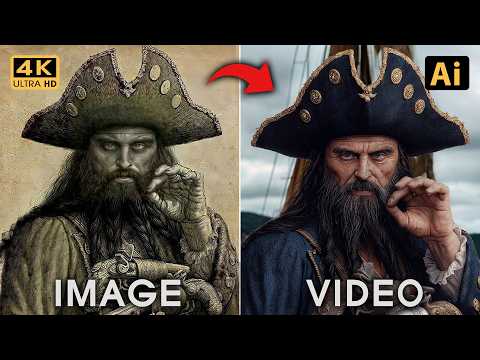
Then there are the pirates—Blackbeard, with his braided beard and slow-burning fuses, a figure of pure terror; Mary Read, who disguised herself as a man to fight alongside Calico Jack; and Ching Shih, the most powerful female pirate in history, commanding a fleet of over 300 ships. Their faces, reconstructed with cutting-edge AI, reveal the humans behind the myths.
The Great Depression gave rise to a new breed of outlaw: bank robbers like Pretty Boy Floyd, whose handsome face and Robin Hood reputation made him a folk hero; and Alvin Karpis, the FBI’s first Public Enemy Number One, who served more time in Alcatraz than any other inmate. Their stories are etched into the American psyche, a mix of violence and glamour that still fascinates today.
But the outlaw spirit wasn’t confined to the West. In Sicily, Salvatore Giuliano led an armed rebellion, stealing from the rich to feed the poor—until a massacre turned him from hero to hunted man. In Mexico, Pancho Villa rose from outlaw to revolutionary general, attacking US soil and becoming a legend of the people. Each face tells a story of defiance, survival, and the high cost of living outside the law.
Now, for the first time, these outlaws are more than just names in history books. Thanks to advanced restoration software and AI technology, their features are reconstructed from historical records, portraits, and descriptions—bringing us face to face with the very people who once terrorized and inspired the world.
So sit back, relax, and prepare to meet the outlaws who time forgot—but who are about to return, more vivid and haunting than ever before.
The first face to emerge from the digital mist is that of Dick Turpin, his sharp features and dark, watchful eyes framed by the shadow of a tricorn hat. Once a butcher, he traded the cleaver for the pistol and became the terror of the Essex roads. The AI rendering captures the faint smirk of a man who knew the gallows awaited him—yet rode toward it with a highwayman’s swagger.
Beside him appears Ned Kelly, his iconic iron helmet reconstructed plate by plate, the slit of the visor revealing only a hint of the man beneath. The beard, the heavy brow, the stubborn set of his jaw—here was a rebel who faced the colonial might of an empire with homemade armor and a defiant heart.
Then the screen shifts to the American West, where Joaquin Murrieta’s face materializes—lean, dark-eyed, and burning with quiet fury. The man who lost everything and answered with a band of avenging riders. His likeness, restored from faded daguerreotypes, is said to have inspired the mask of Zorro himself.
And then, larger than life, comes Pancho Villa. The thick mustache, the sombrero, the crossed bandoliers—every detail is rendered with startling clarity. This was the face that launched a revolution and, in 1916, sent cavalry thundering across the New Mexico border. The AI captures not just the general, but the outlaw who never stopped fighting for the poor.
As the parade of faces continues, the Great Depression looms. Wilbur Underhill’s hollow, haunted stare emerges first—the Tri-State Terror who survived seventeen bullets and still refused to fall. His reconstructed face is gaunt, almost skeletal, a man who seemed to have made a pact with death itself.
Next is Raymond Hamilton, boyish and reckless at twenty-two, the Texas Prison Breaker whose youth was wasted in a hail of gunfire. Then Alvin Karpis, the calm, calculating mind behind the Barker-Karpis gang—the only Public Enemy Number One ever personally arrested by J. Edgar Hoover.
And there, with his striking good looks and gentle eyes, is Pretty Boy Floyd. The AI reveals why farmers once hid him and called him a savior. This was a face that could rob a bank and still be remembered for tearing up mortgage papers.
The screen darkens, and a new continent appears. Salvatore Giuliano, the Robin Hood of Sicily, gazes out with brooding intensity—a young man whose rebellion against the Italian state ended in a mystery that still haunts the island. Was he a freedom fighter or a criminal draped in legend? The reconstructed face offers no easy answer.
Then the seas return. Stede Bonnet, the gentleman pirate, appears with the soft features of a wealthy planter who abandoned everything for adventure. Beside him, Rube Burrow, the Southern train robber, tips his wide-brimmed hat. These were men who chose danger over comfort and never looked back.
And finally, the pirates of the Golden Age rise from the depths. Blackbeard’s face is a masterpiece of terror—the braided beard, the smoke still curling from slow-burning fuses, the eyes of a man who made the devil himself seem tame. Legend says his headless body swam three times around the ship before sinking.
Bartholomew Roberts follows, dressed in his red cloak, a Bible in one hand and a gleaming sword in the other—the gentleman pirate who captured over four hundred ships. Then Mary Read, her disguise stripped away by the AI, revealing the fierce, determined woman beneath the sailor’s clothes. She fought to the end and died in prison, a legend that defied every boundary of her time.
Henry Morgan appears next, the pirate knighted by the crown—a paradox rendered in flesh and shadow. Edward Low’s cruel, hollow face follows, a reminder of the ocean’s darkest depths. Calico Jack, young and bold with his skull and crossbones flag, stands beside his legendary crewmates.
And then, the final face: Ching Shih. The most powerful pirate in history gazes out with calm authority, the woman who commanded forty thousand followers and three hundred ships. She accepted amnesty, lived in wealth, and died peacefully—an ending no other outlaw on this list could claim.
The screen flickers one last time, and a new face emerges from the digital gloom—a man in a crisp suit and wire-rimmed glasses, his expression cool and unreadable. This was Eddie Bentz, the quiet mastermind of the Great Depression, the thief who never fired a shot and died peacefully in bed. The AI captures the contradiction: a face that could belong to a bank clerk or a killer, a man who vanished into history without a legend.
And then, the parade of outlaws fades, leaving only the faint echo of their stories. But before the screen goes dark, a final question lingers: what makes an outlaw a legend? Is it the violence, the defiance, or the simple fact that they dared to live outside the lines the world drew for them?
These twenty faces, brought back from the dust of archives and the fog of folklore, are more than a gallery of rogues. They are mirrors reflecting the societies that made them—and the ones that still tell their stories. In every era, the outlaw is both a warning and a fantasy, a line crossed and a freedom imagined.
As the last image dissolves, one truth remains: history may condemn them, but memory keeps them alive. And now, with every reconstructed detail, we are reminded that the line between hero and villain is often drawn by the winners—and redrawn by the legends.
Bronco Bill Walters is the last to appear—white gloves immaculate, a red cloth raised like a phantom signal in the desert wind. The AI softens his features, revealing a tired calm beneath the cowboy brim. He robbed trains with precision, never fired unless forced, and walked out of prison a pardoned man. Of all the faces in this gallery, his is the one that seems almost at peace.
And that, perhaps, is the strangest truth of all. These twenty outlaws—pirates and highwaymen, revolutionaries and bank robbers—lived violently, died young or in infamy, and yet here they are, staring back at us with the same unblinking gaze. The AI has given them something history never could: a second face, and with it, a second chance to be understood.
Some were monsters. Some were mirrors. Most were both, depending on which side of the law you stood. Dick Turpin rode toward the gallows with a swagger; Ching Shih sailed into wealth and old age; Mary Read fought until the sea itself seemed to surrender. Their stories do not agree on what an outlaw is—only that the world has always needed them.
So the screen fades, the music softens, and the twenty faces dissolve into the dark. But the question they leave behind is not about them at all. If history could rebuild your face from a few faded records and the stories others told about you, what would it see?
Which of these twenty outlaws do you think history has judged most unfairly—and which one would you want brought back to life next? Tell us in the comments below.
Report this article
Select a reason for reporting:






