Florida’s newest threat isn’t a giant python—it’s an invasive lizard species that has officially been confirmed hunting humans. Wildlife officials have documented aggressive encounters across residential neighborhoods, with the reptile actively pursuing people rather than fleeing.
Genetic testing confirmed in 2016 that Nile crocodiles, a species native to Africa, have established a breeding population in the canals south of Miami. Researchers determined the animals were introduced through the exotic pet trade and have been living in the Florida wild for roughly two decades.The discovery began with reports from the field. In March 2012, a patrol team near Homestead, south of…
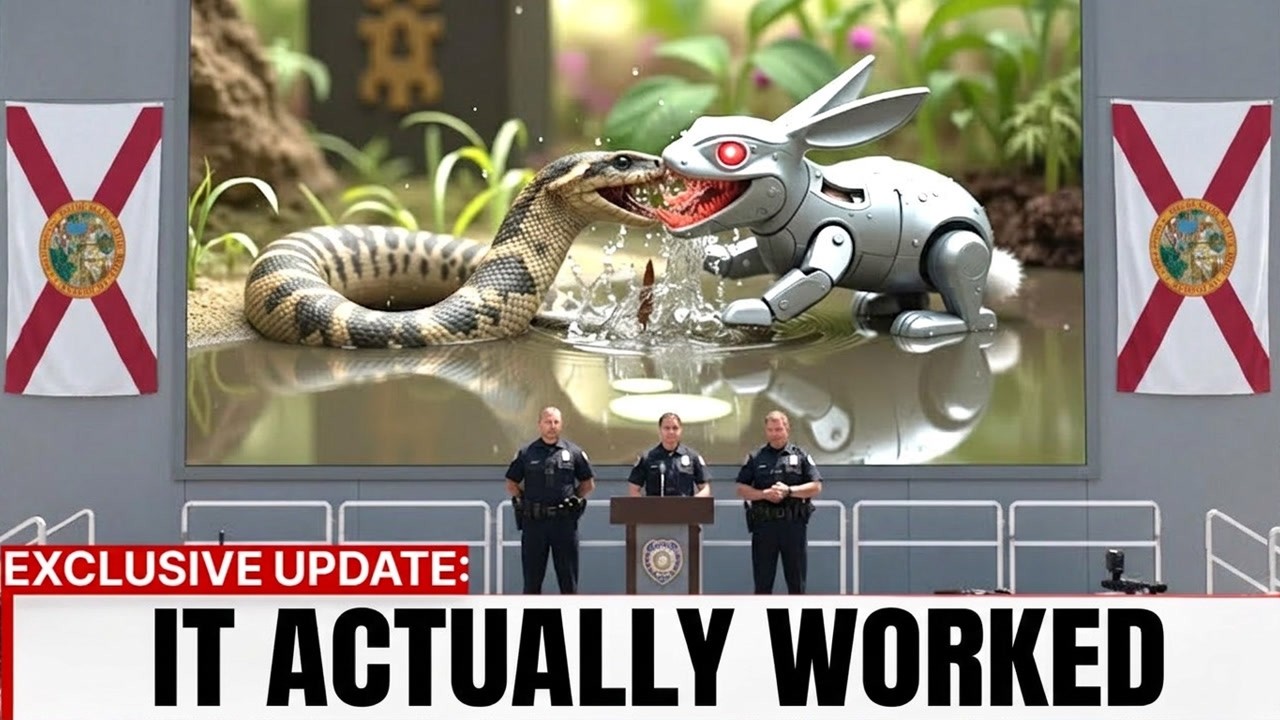
Florida released robotic rabbits to lure and kil*** invasive pythons, and the first test results are stirring serious controversy. Wildlife officials planted the decoys in the Everglades, hoping the predators would strike and reveal their hiding spots.
Burmese pythons, native to Southeast Asia, have been established in the Florida Everglades since at least 2000, after arriving largely through the exotic pet trade and a suspected release during Hurricane Andrew in 1992. The snakes, which can grow longer than 18 feet and weigh more than 200 pounds, found an ideal habitat with abundant prey that had no natural defenses against them.By 2012, researc…

In a move mocked nationwide, Florida wildlife officials released hundreds of African honey badgers into the Everglades to combat a devastating invasive species crisis. Critics laughed, calling the plan reckless and doomed to fail.
Florida faced a severe environmental problem in the Everglades: the Burmese python, a non-native constrictor species. Introduced to the region through the exotic pet trade and released into the wild, the snakes found ideal conditions in the swamp and multiplied rapidly. Over time, they depleted much of the native wildlife, with some mammal populations declining by more than 90 percent in parts of…
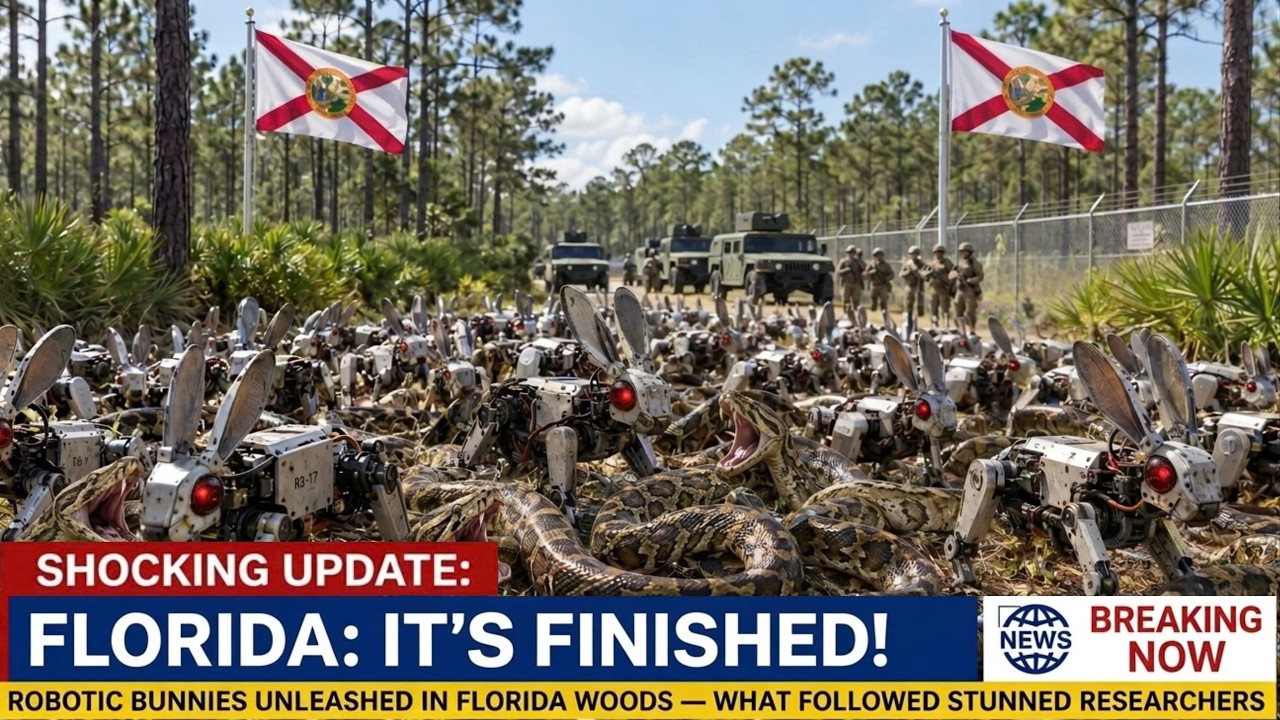
Florida sent robot rabbits into the Everglades to lure deadly pythons, but the hunters soon realized the machines were triggering something unexpected. The robotic decoys mimicked real prey movements, drawing massive snakes out of hiding.
For two days in the Florida Everglades, a set of robotic decoys designed to attract Burmese pythons appeared to work as intended. The devices, shaped to resemble rabbits and equipped with heating elements, scent emitters, and motion-activated cameras, drew in several large snakes. On the third day, an alligator approached one of the decoys and destroyed it in a single bite.The incident highlighted…
A newly leaked clip from Florida’s swamps is igniting alarm, showing a scene so disturbing that local officials are scrambling to respond. The footage, reportedly captured by an anonymous hiker, reveals an aftermath in the remote wetlands that appears far more sinister than routine wildlife activity.
The population of Burmese pythons in the Florida Everglades has dropped dramatically in recent years, but the species has already caused lasting damage to native wildlife. Researchers studying the region have documented a severe decline in local mammal populations, and they have identified a parasite carried by the pythons that is now spreading through native snake species on its own.Trail cameras…
Florida’s new weapon against giant pythons is unlike anything before, and it’s not a bigger trap or a faster hunter. Wildlife officials are deploying a specialized team that tracks the invasive snakes in a way that’s never been attempted.
Florida wildlife officials have considered a large-scale method to reduce Burmese python numbers in the Everglades: dropping dead mice laced with acetaminophen from helicopters. The common painkiller is highly toxic to snakes, which lack the enzyme pathway mammals use to process it. Laboratory tests confirm it is effective against Burmese pythons.The proposal has not moved forward. One significant…
Florida’s new apex predator isn’t the infamous python—it’s even more terrifying. Experts tracking the state’s invasive species are sounding alarms over a creature that’s spreading faster than expected, targeting prey officials never anticipated.
Researchers cite statistics indicating at least 493 attacks on humans by Nile crocodiles, resulting in 354 deaths, between 2010 and 2014. Today, these crocodiles are considered more dangerous to humans than the native alligators of Florida.In March 2012, on a warm Florida night near Homestead, a wildlife patrol boat moved quietly through a narrow drainage canal. Officers shone a spotlight across t…
Florida’s controversial plan to hire civilian snake hunters ended in a twist no one saw coming. State officials launched the program after invasive pythons decimated local wildlife, hoping trained amateurs could curb the crisis.
Florida has spent years trying to control its Burmese python population, and the effort has produced limited results. The snakes, introduced through the exotic pet trade, have spread across the Everglades and caused significant declines in native wildlife. In some areas, raccoon and opossum numbers have fallen by about 90 percent. Researchers have also documented pythons consuming deer whole.Hunti…
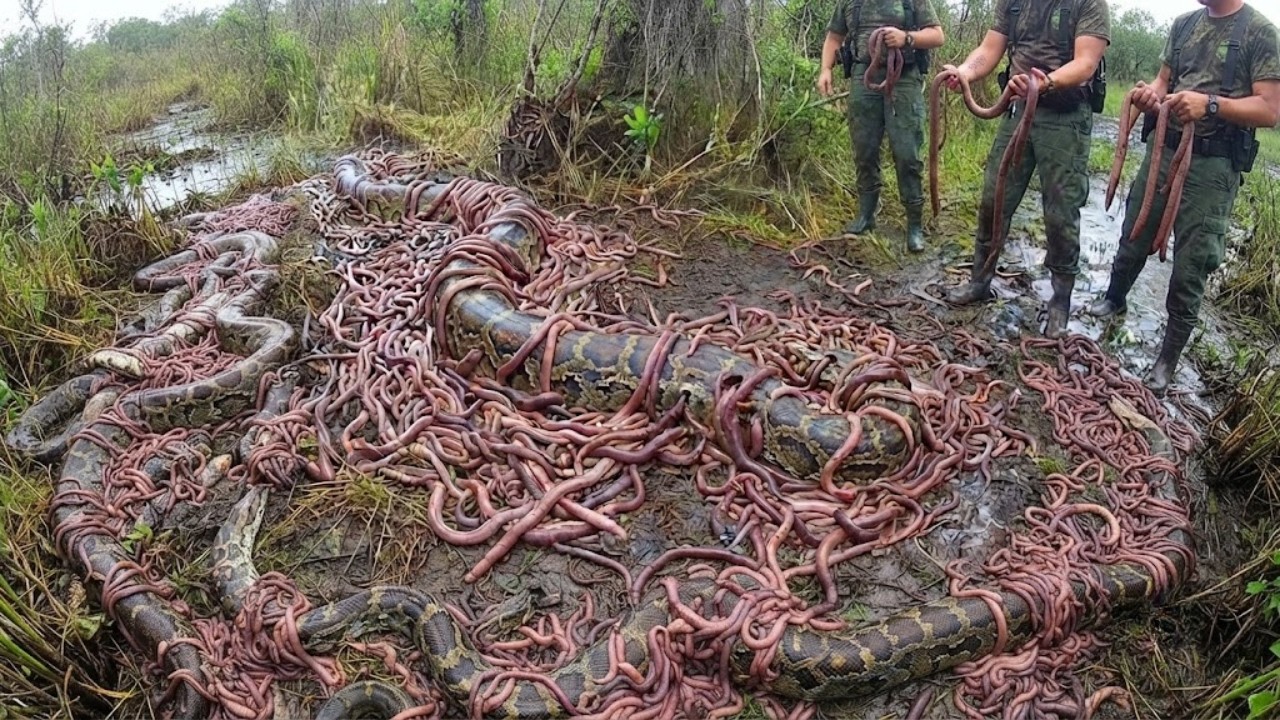
Florida’s pythons are being eaten alive from within—and scientists are stunned. The invasive snakes, already a deadly threat to local wildlife, now face an invisible killer.
In southern Florida, python hunters keep mental records of their catches. Last season, those numbers took an unexpected turn. Hunters captured fewer live pythons than the year before, which initially seemed like positive news. Fewer invasive snakes would suggest the ecosystem was recovering. But population models indicated the opposite. Radio transmitters attached to more than sixty monitored pyth…
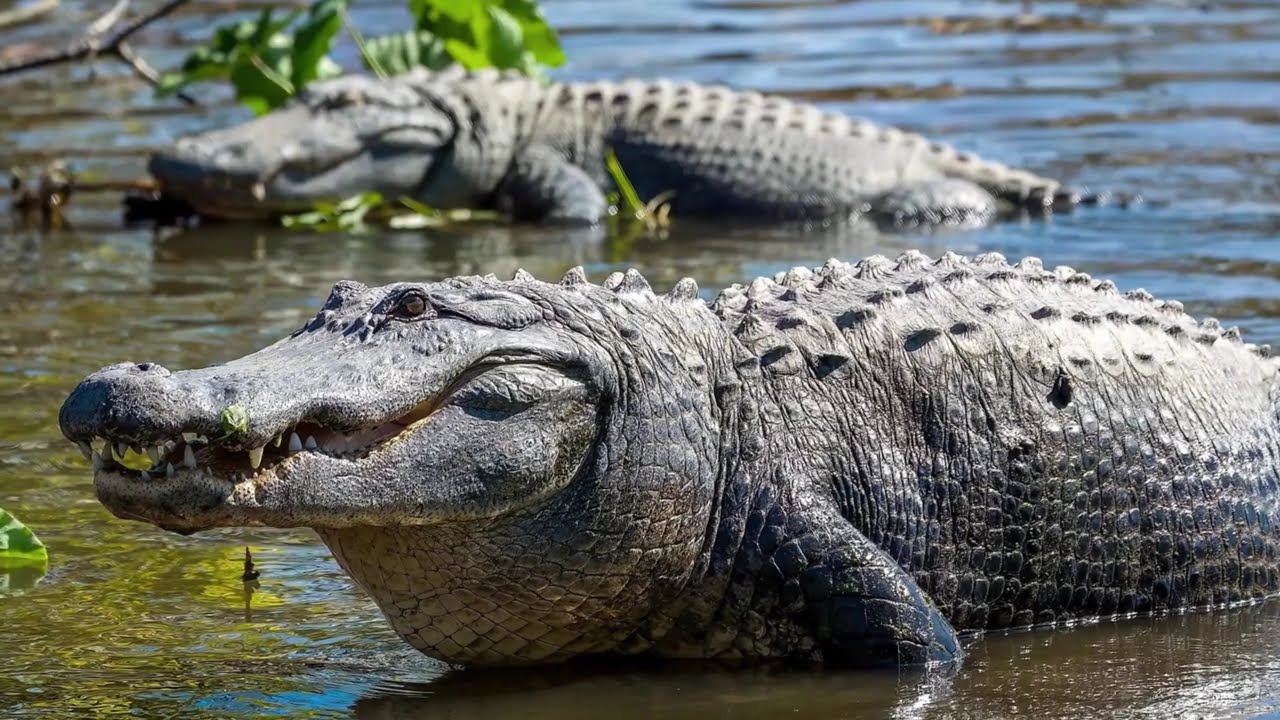
Louisiana releases licensed hunters into its swamps to trap massive alligators, but the mission isn’t trophy hunting—it’s biological warfare against an invading rodent. The state’s alligator harvest program targets nutria, a destructive South American species that has chewed through coastal marshlands, turning protective wetlands into open water.
In the 1930s, Louisiana’s coastal marshlands began a slow collapse. The cause was traced to a semi-aquatic rodent imported from South America, which multiplied rapidly and fed on the root systems that held the wetlands together. Over time, the state lost significant portions of its coastline to erosion. The eventual solution involved a species that had been hunted nearly to extinction: the America…