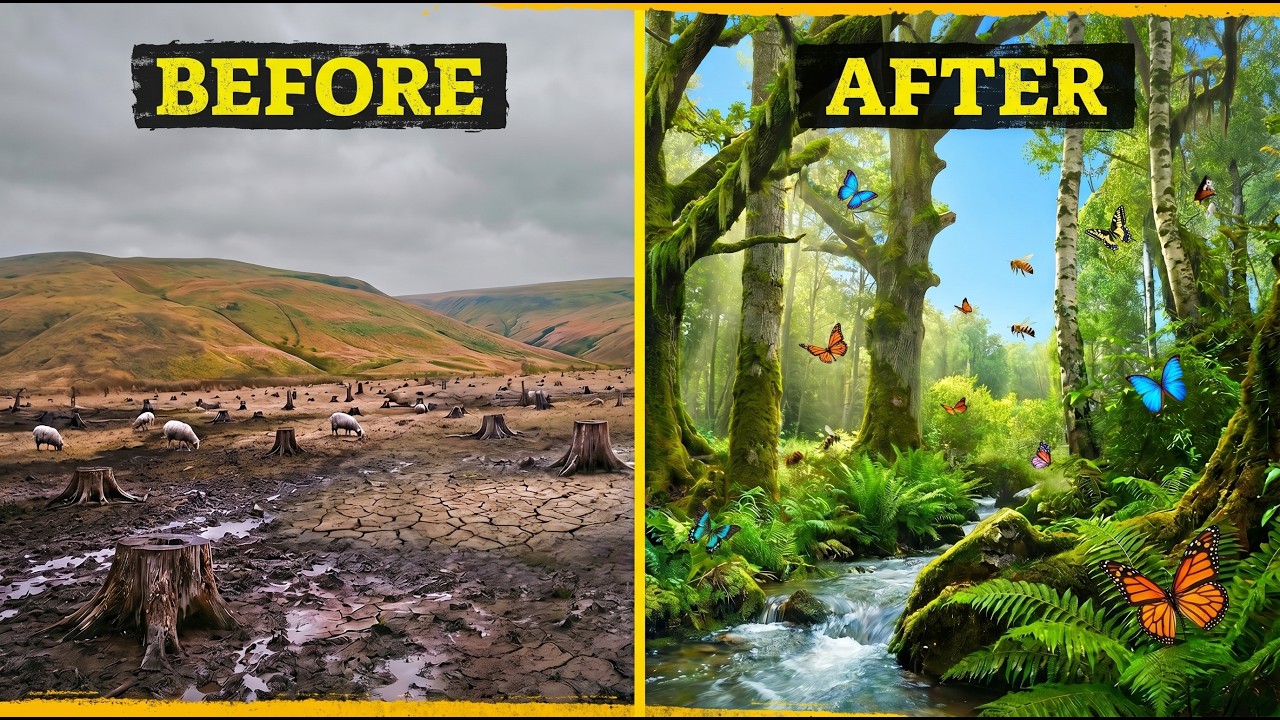
Britain’s temperate rainforest once spanned a fifth of the country, but after 800 years of felling, grazing, and toxic air, less than 1% remains. Then, in 2020, researcher Guy Shrubsole discovered moss-draped oak gorges that no map had ever catalogued, sparking the first national recovery strategies.
Britain once supported a temperate rainforest covering roughly a fifth of its land surface. This woodland, an estimated 4.6 million hectares, stretched from Cornwall to the Scottish Highlands along west-facing slopes and river gorges. The climate there, mild with heavy Atlantic rainfall, allowed oaks, mosses, lichens, and ferns to grow in dense, interconnected layers. Today, less than 1% of Britai…
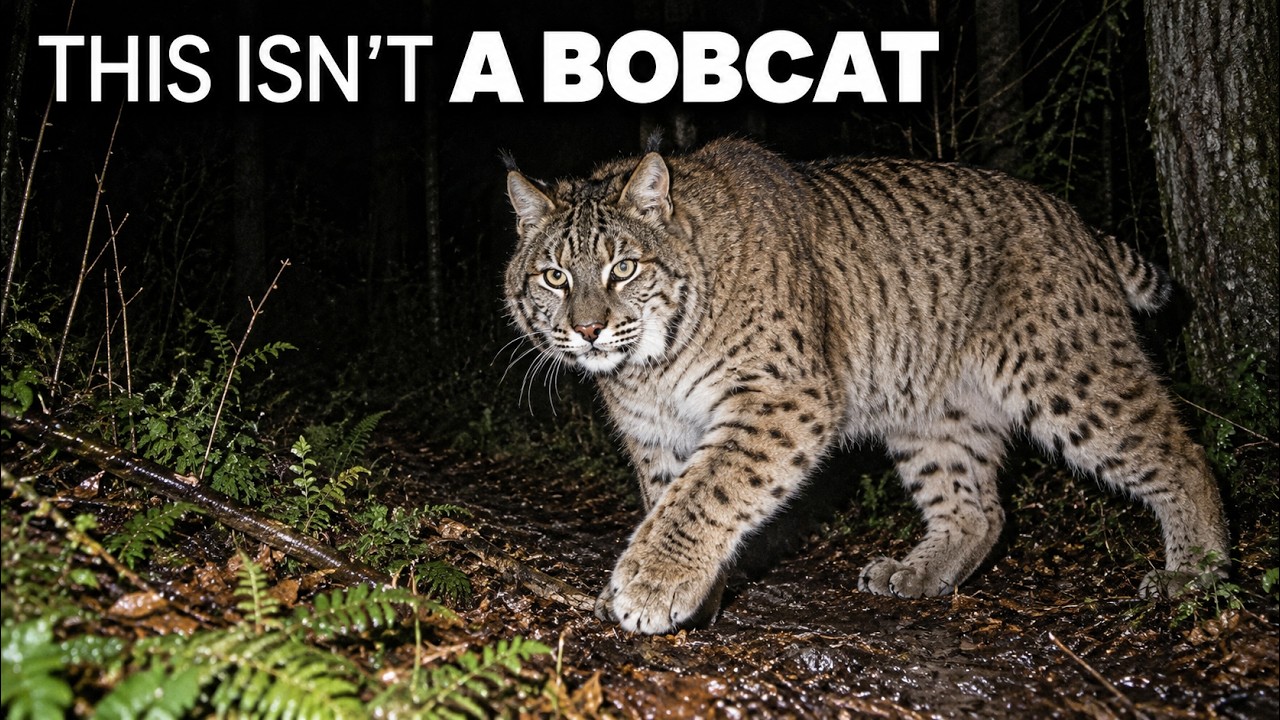
Wildlife biologists conducting routine animal surveys across the upper Midwest over the past fifteen years have encountered a consistent surprise. Bobcats captured in traps or recorded by trail
Wildlife biologists conducting routine animal surveys across the upper Midwest over the past fifteen years have encountered a consistent surprise. Bobcats captured in traps or recorded by trail cameras have been consistently larger than the size ranges documented in scientific reference books and historical records for the region. The animals being measured and weighed are larger than any reasonab…
Wildlife researchers in the Florida Everglades have documented a sharp decline in mammal populations over the past two decades, and they attribute much of the damage to Burmese pythons, an invasive
Wildlife researchers in the Florida Everglades have documented a sharp decline in mammal populations over the past two decades, and they attribute much of the damage to Burmese pythons, an invasive species that has adapted well to the region. The snakes were introduced to the area primarily through the exotic pet trade, with many owners releasing unwanted animals into the wild beginning in the 199…
Wildlife specialists in Texas Hill Country regularly review nighttime trail camera footage as part of their work with feral hogs. The animals are familiar subjects; researchers have logged thousands
Wildlife specialists in Texas Hill Country regularly review nighttime trail camera footage as part of their work with feral hogs. The animals are familiar subjects; researchers have logged thousands of hours observing their movements in the dark. Infrared light gives the hogs a pale appearance against the black landscape, which is routine for those who study them. The cameras were placed specifica…
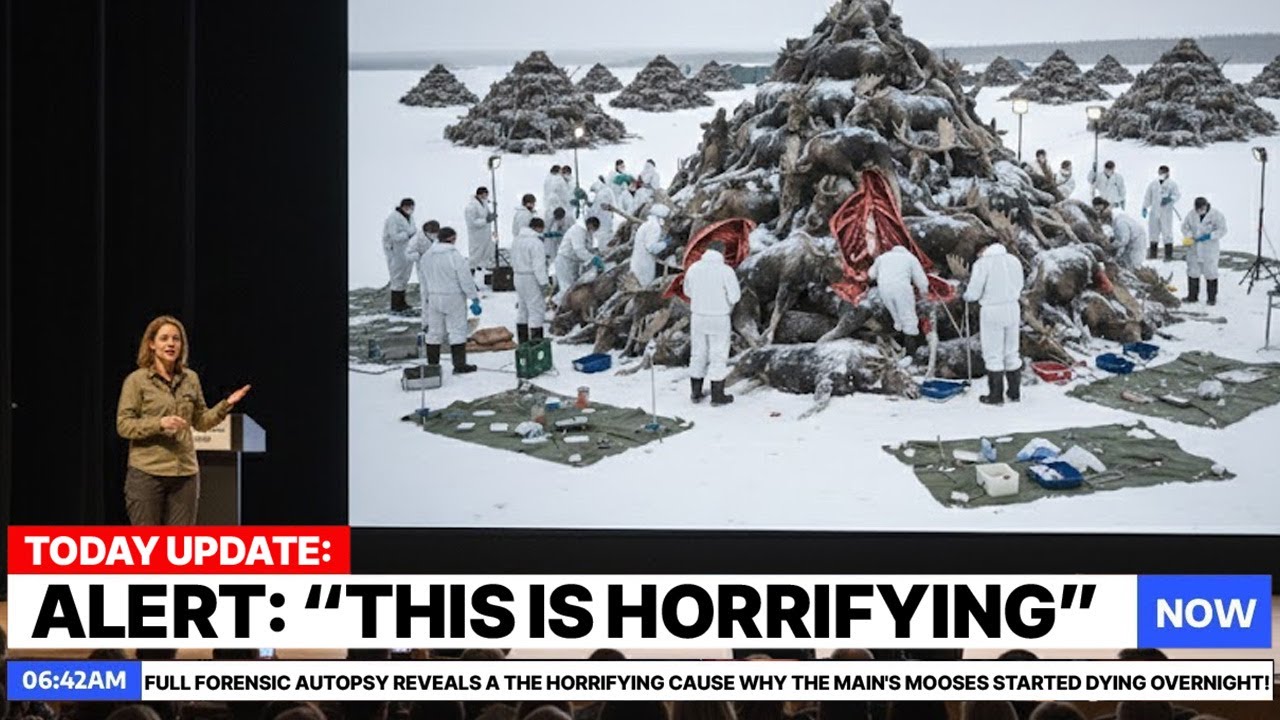
Wildlife biologists in northern Maine have documented unusually high mortality among young moose this year, with winter ticks identified as the primary cause. The deaths have renewed attention on how
Wildlife biologists in northern Maine have documented unusually high mortality among young moose this year, with winter ticks identified as the primary cause. The deaths have renewed attention on how warming winters are affecting the relationship between parasites and their hosts.Winter ticks, unlike deer ticks, do not transmit disease. But they attach to moose in large numbers and feed on their b…
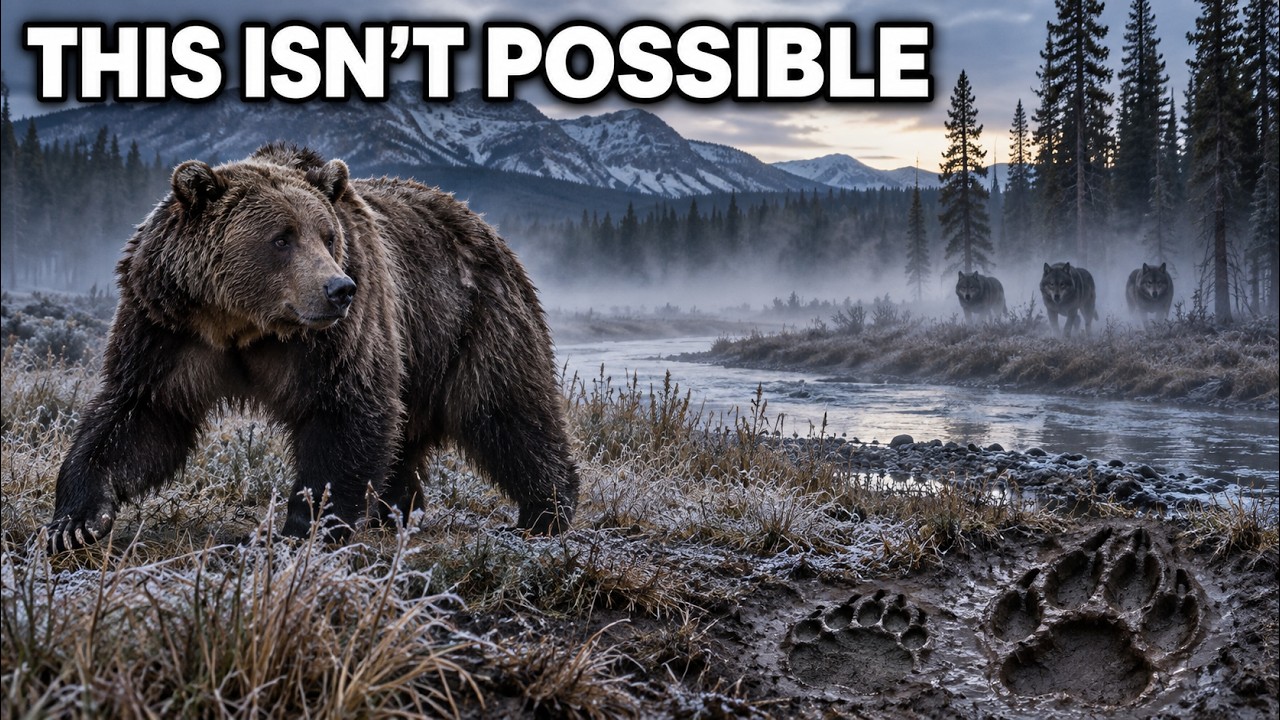
Wildlife managers in the greater Yellowstone ecosystem have documented a previously underestimated pattern of natural mortality among adult grizzly bears. Research indicates that wolves, mountain
Wildlife managers in the greater Yellowstone ecosystem have documented a previously underestimated pattern of natural mortality among adult grizzly bears. Research indicates that wolves, mountain lions, and other grizzlies are killing adult bears more often than the models used to manage the population had accounted for, and a small number of deaths remain unexplained.The grizzly population in Yel…

Wildlife and agricultural agencies in North Texas report a rising number of complaints about feral hogs, and officials say the situation is likely to worsen before improving. Residents in Montgomery
Wildlife and agricultural agencies in North Texas report a rising number of complaints about feral hogs, and officials say the situation is likely to worsen before improving. Residents in Montgomery County describe thousands of dollars in property damage, with some saying they have stopped repairing their yards because the hogs return each night.In Blanco County, Texas, routine camera footage capt…
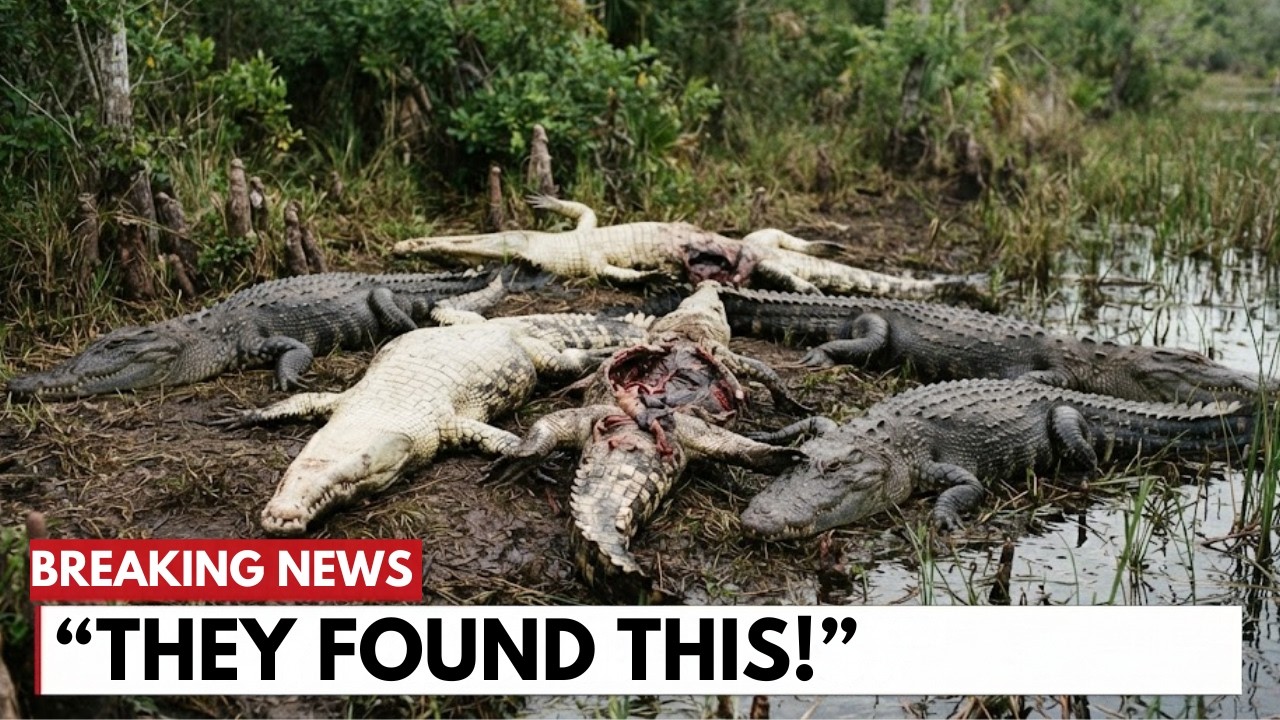
Wildlife researchers in southern Florida faced an unexplained problem in the early 2000s: adult American crocodiles were disappearing from the mangrove channels where they had lived for years. These
Wildlife researchers in southern Florida faced an unexplained problem in the early 2000s: adult American crocodiles were disappearing from the mangrove channels where they had lived for years. These were not young or marginal animals. They were dominant individuals that occupied the best territories in the region, and boat captains who had worked the same waters for two decades could identify them…
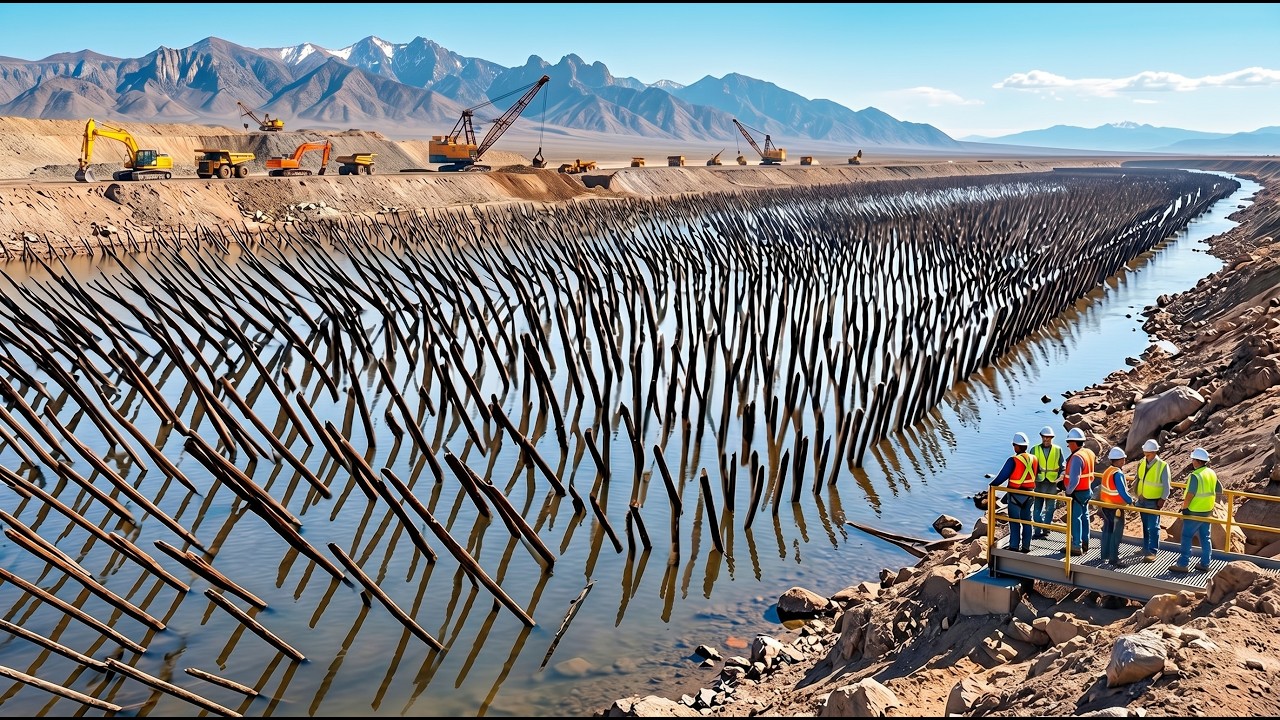
Wildlife officials placed 76 fake beaver dams across a dying river, hoping to trick nature into restoring itself. The structures slowed the water and raised its level, which should have worked.
In 2009, a restoration project in eastern Oregon installed 76 simple wooden structures along a degraded stretch of Bridge Creek, a tributary of the John Day River. The goal was modest: provide a foothold for the beavers already living there so they could do the work they were already attempting. The project cost $374,000 and introduced no new animals.The creek had been in decline for decades. By t…
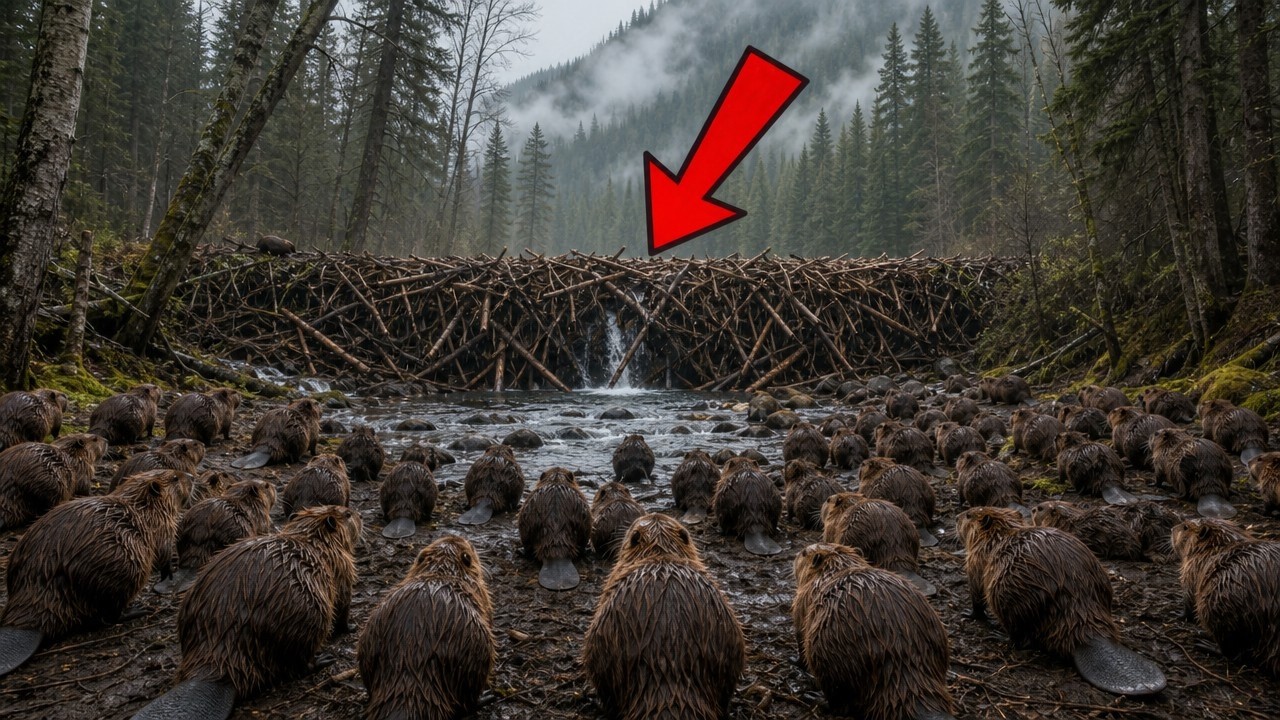
Wildlife officials dropped 240 beavers into dying Pacific Northwest streams—and the ecosystem response was anything but expected. The rodents were meant to restore degraded waterways, rebuilding dams that had vanished for a century.
In the mountains of Washington state, biologists have spent more than a decade moving beavers into streams that were losing water. The animals, once considered pests, have rebuilt wetlands, stored millions of gallons of water, cooled rivers for salmon, and created natural firebreaks across dry landscapes.The work began in 2007 in the Methow Valley, where streams feeding the Eastern Cascade Mountai…