A jaguar just returned to southern Arizona and drank at a remote desert water source for nearly five minutes, captured on a University of Arizona camera network. Researchers named him Siniik, the latest in a string of males reclaiming territory lost over a century ago.
In November 2025, a camera network operated by the University of Arizona recorded a jaguar at a remote desert water source in southern Arizona. Several months later, in early 2026, the same animal returned and was filmed drinking at the water’s edge for nearly five minutes. Researchers have begun calling him Siniik.The sighting is the latest in a series of recorded jaguar visits to the American So…
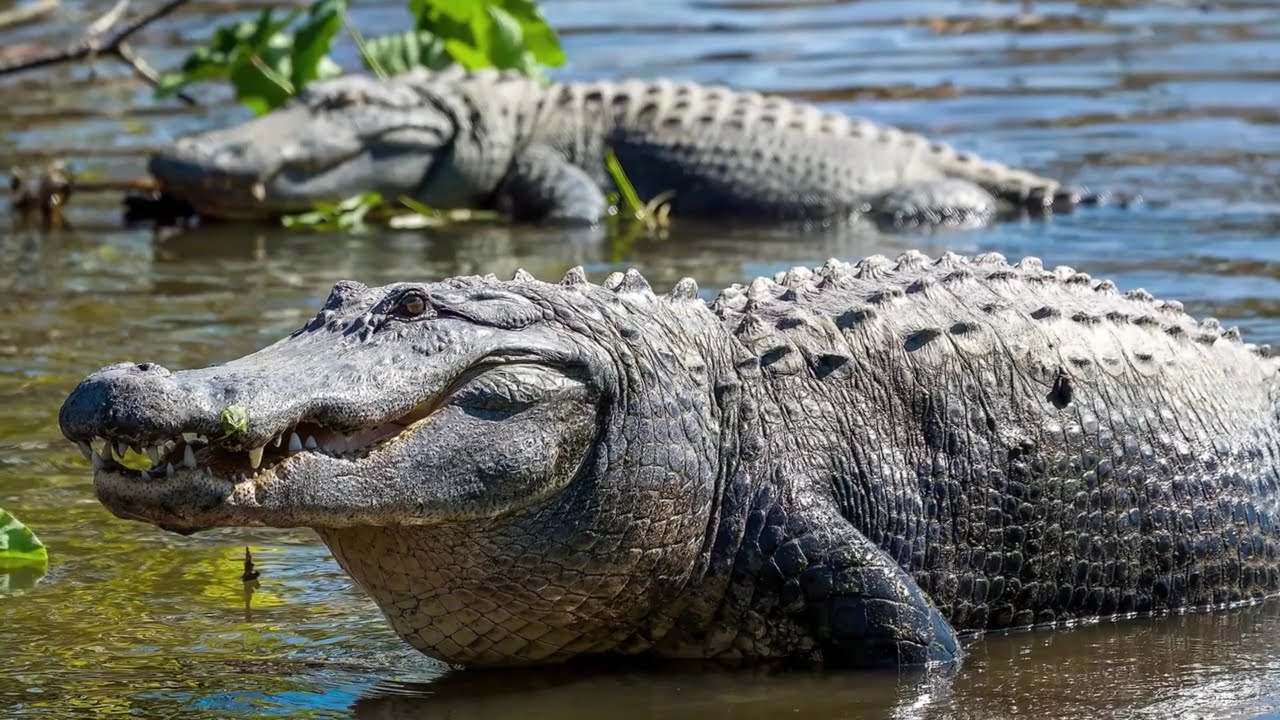
Louisiana was losing a football field of marshland every hour, and the unlikely fix involved the American alligator, a predator once hunted to near extinction. The real culprit was nutria, invasive rodents that devoured the dense root mats holding wetland soil together, turning vegetated marsh into open water.
Louisiana’s coastal wetlands were eroding rapidly, and an invasive rodent species was making the damage significantly worse. By the mid-20th century, the state was losing a football field of marshland every hour, in part because nutria, large semi-aquatic rodents imported from South America, were destroying the root systems that held the soil together. The solution that eventually stabilized the c…
Inside this Kansas courtroom, one rancher stood alone against 99 furious neighbors, all demanding he destroy the prairie dog colonies on his land or face government poisoning. But Larry Haverfield refused, convinced the animals were vital to his cattle’s health.
In the summer of 2005, Larry Haverfield, a cattle rancher in western Kansas who had spent decades raising livestock near Russell Springs, received a letter from Logan County ordering him to eliminate the prairie dog colonies on his land within 15 days. When the deadline passed, the county said it would send applicators to do the job and bill him for it. Haverfield refused.The dispute over prairie…
Researchers returned to the Everglades after the fires expecting to confirm what twenty years of study had supposedly proven—that the Burmese python had won—but the charred ground revealed a hidden story that contradicted everything they thought they knew. For decades, the invasive snakes had erased over 99% of raccoon sightings and pushed native wildlife toward collapse, despite removal programs capturing more than 20,000 pythons.
Everglades wildfires burn nearly every year, but what they reveal in their aftermath has changed how researchers understand one of the most studied ecological invasions in North America. When sawgrass disappears and standing water becomes exposed, survey teams enter areas that are normally impossible to read. For years, the expectation was that fire would confirm a grim picture researchers had alr…
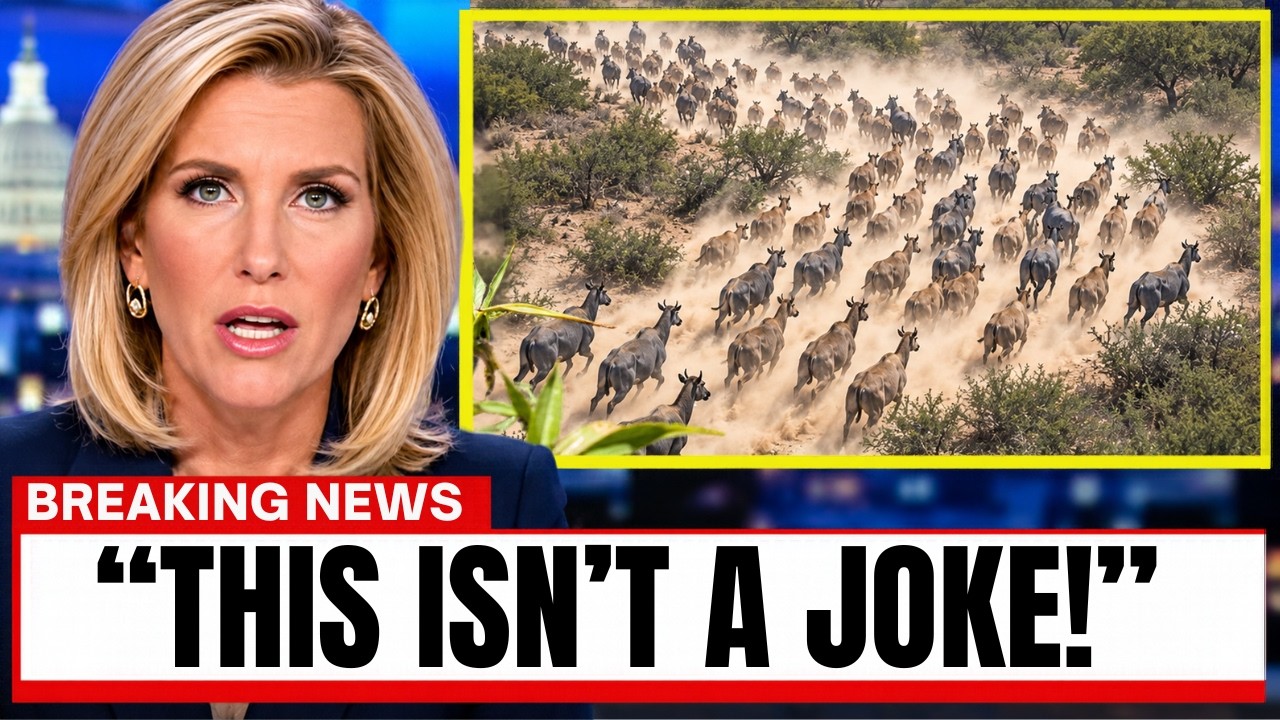
Twelve zoo-bred antelope released on a Texas ranch in 1930 have multiplied into tens of thousands, and now they threaten a border defense that took forty years to build. The nilgai, Asia’s largest antelope, escaped captivity because fences barely slow them down.
In the early morning hours along the Texas coast, a large animal stands motionless in the thorny brush near a farm road. It watches a passing truck. The creature stands about five feet tall at the shoulder, enough to look a driver in the eye through the window. Its coat is a dull blue-gray, nearly invisible in the dim light. The body is built for speed, with broad shoulders and a sloping back that…
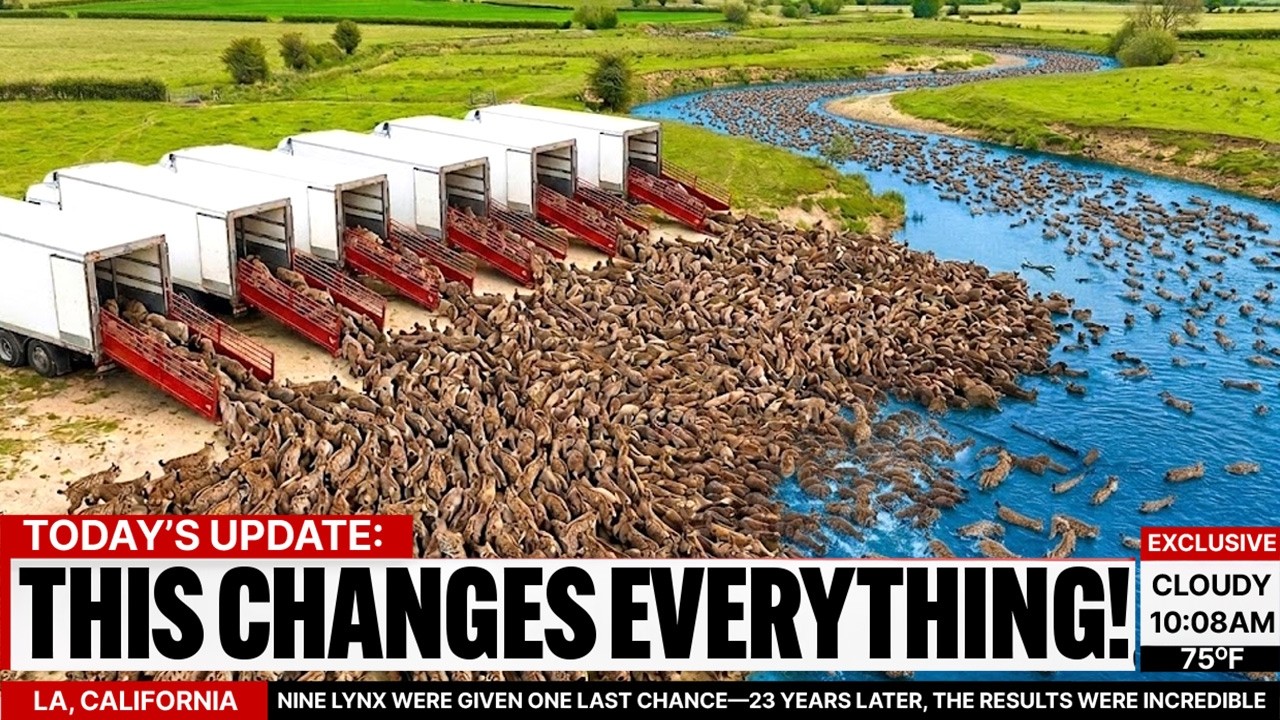
Nine lynx were released into a Spanish valley as a last-chance experiment—and within months, something strange appeared in the camera footage. The foxes were vanishing.
In 2009, nine Iberian lynx were released into a shrubland valley in Spain’s Córdoba province. The animals had been bred in captivity, and roughly half of similar releases had ended in death within a year. With fewer than 100 lynx left in the wild, the margin for error was minimal. Spain had already invested more than 70 million euros in recovery efforts, and the population remained in the hundreds…
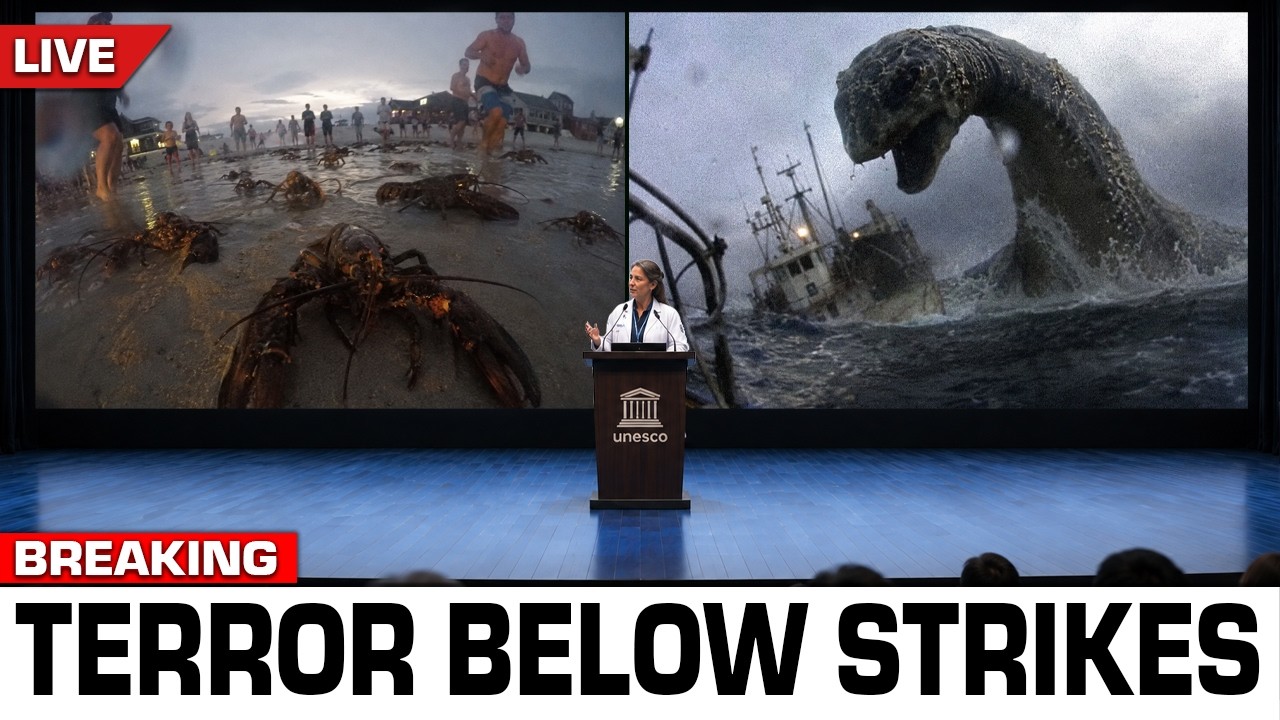
In 1918, Australian fishermen abandoned their grounds after a ghostly white shark lifted their heavy crayfish pots straight off the seafloor, mooring lines and all. A government naturalist cross-examined the men and found them genuinely terrified, though their size estimates wildly ranged from 115 to 300 feet.
In 1918, a group of professional crayfish fishermen working out of Port Stevens on the coast of New South Wales, Australia, stopped fishing their regular grounds near Broughton Island for several days. These were experienced fishermen who worked those waters for a living, and taking multiple days off from paid work was an unusual and costly decision.David George Stead, a naturalist who managed the…
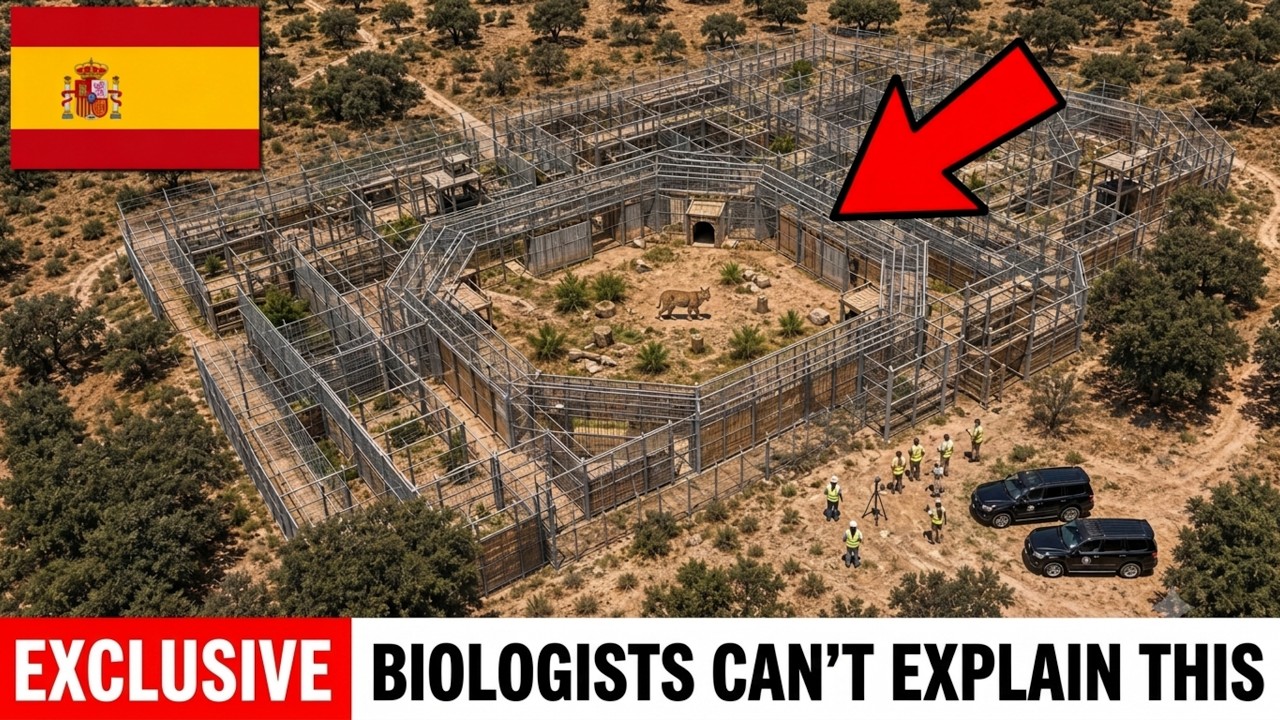
In 2002, scientists counted just 94 Iberian lynx left on Earth, a species once spread across the peninsula now trapped in two isolated pockets. Protected since 1969, the Doñana population still vanished, and researchers finally found why: the lynx’s food supply had collapsed decades earlier.
In 2002, a wildlife biologist in Andalusia counted 94 Iberian lynx left in the wild. The species, once widespread across the Iberian Peninsula, had been reduced to two isolated populations in southern Spain, one in Doñana National Park and one in the Sierra Morena mountains. Doñana had been under legal protection since 1969, but the lynx population there was still declining.The reserve was protect…
A cottonmouth just swallowed a 5-foot python—with its tracking transmitter still sending signals. It started as a routine ping in the Florida Everglades, but the signal led straight into the belly of a native snake.
A biologist tracking a Burmese python in the Florida Everglades received a signal that led her to a native cottonmouth with a large bulge in its body. X-rays later showed the cottonmouth, a species native to Florida, had swallowed the tagged python whole. The incident was one of several signs that native wildlife is beginning to prey on the invasive snakes.The Burmese python is not native to Flori…
A plastic bag filmed at 10,898 meters in the Mariana Trench sat in a Japanese archive for two decades before anyone spotted it. Researcher Sanae Shiba reviewed 5,010 overlooked dives and found more than 3,000 pieces of human waste, with single-use plastic dominating below 6,000 meters.
The water pressure at the bottom of the Mariana Trench reaches roughly 8 tons per square inch, and sunlight never reaches that depth. The first crewed vessel to arrive there did so in 1960, and the first robotic vehicles capable of returning video footage followed decades later. In 2018, researcher Sanae Shiba avoided the ocean entirely and searched an archive of video instead. She reviewed 5,010…